Understanding the Difference Between Printing and Dyeing
Understanding the Difference Between Printing and Dyeing: A Guide for Fabric Enthusiasts
In the world of textiles, the processes of printing and dyeing play crucial roles in defining the appearance and appeal of fabrics. While these techniques share similarities, they serve different purposes and achieve unique effects. This article explores the key differences between printing and dyeing, shedding light on their principles, processes, and results.
What Is Printing?
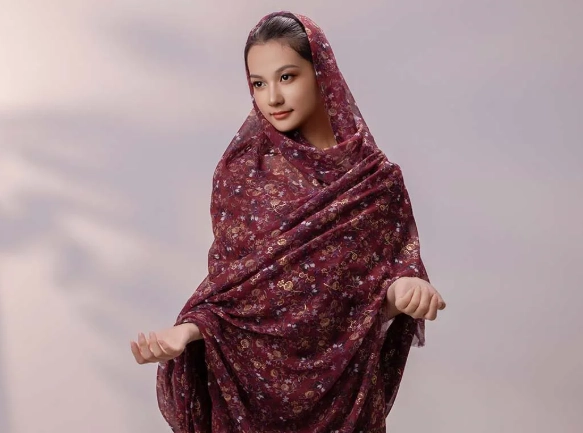
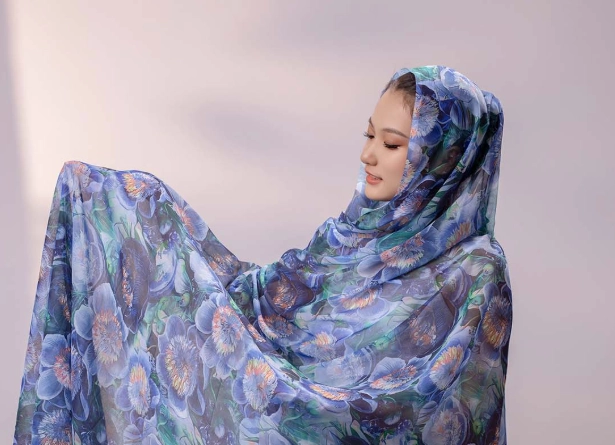
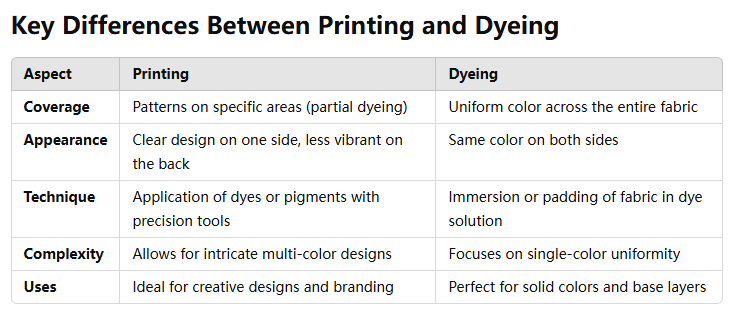
Printing is a method of creating patterns or designs on fabric using dyes or pigments. It is often referred to as "partial dyeing" because the coloring is applied only to specific areas of the fabric to form patterns or images. Unlike dyeing, which typically results in uniform coloration, printing adds a creative dimension by allowing multiple colors and intricate designs on the same piece of fabric.
The process of printing involves:
- Application of Dyes or Pigments: The colorant is applied only to the designated areas of the fabric.
- Precision Techniques: Various methods such as screen printing, digital printing, or block printing ensure that the design is crisp and well-defined.
- Post-Processing: This includes heat setting or steaming to fix the colors, ensuring durability and vibrancy.
The result is a fabric with clear patterns on the front side, while the back side often remains uncolored or less vibrant, depending on the method used.
What Is Dyeing?
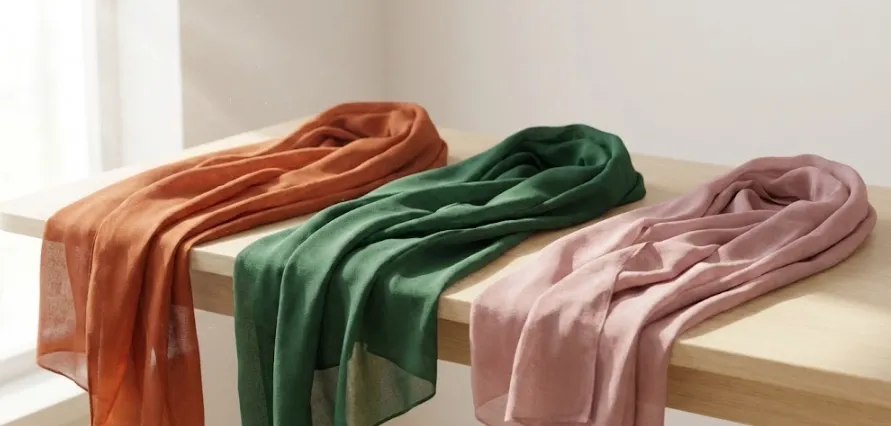
Dyeing is a process of immersing or padding fabric in a dye solution to achieve a uniform color throughout the material. Unlike printing, dyeing focuses on full coverage, where both the front and back of the fabric are treated equally.
The dyeing process includes:
- Immersion or Padding: The fabric is soaked in or passed through a dye solution.
- Uniform Absorption: The dye penetrates evenly into the fibers, ensuring the color is consistent on both sides.
- Fixation: Techniques such as steaming or chemical treatment are used to lock the color into the fabric.
Dyeing is ideal for achieving solid colors and is commonly used for creating a base layer or simple designs that do not require intricate patterns.
Choosing the Right Technique
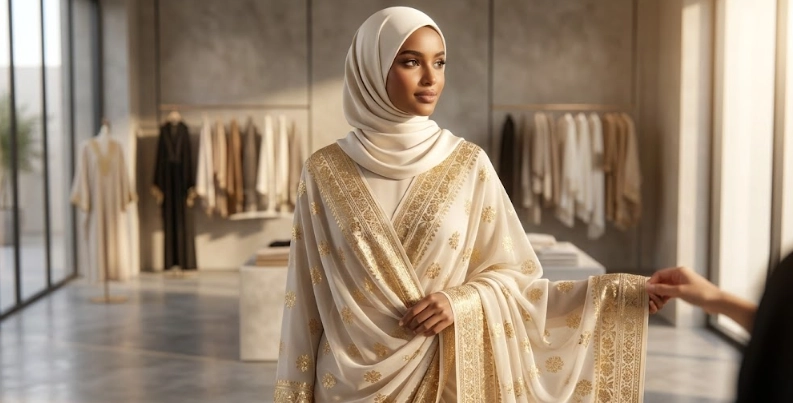
The choice between printing and dyeing depends on the intended use and aesthetic of the fabric. Printing is perfect for scarves, dresses, or home textiles that require detailed designs and vibrant patterns. Dyeing, on the other hand, is preferred for garments or products that demand uniform and consistent coloration.
Understanding the differences between these techniques helps manufacturers and designers make informed decisions, ensuring the end product meets both functional and artistic requirements.
Whether you’re designing a custom scarf or creating a collection of fabrics, knowing when to use printing versus dyeing can elevate the quality and appeal of your textiles.