Top Hijab Trends 2026: Why Breathable Cotton Voile is the Must-Have Fabric for Every Muslim Woman

The field of modest fashion keeps changing all the time. As 2025 comes to a close, the changes in hijab trends stand out clearly. People no longer need to pick style over ease. That time has passed. Looking toward 2026, the main idea centers on “Comfortable Luxury.” This is a trend where good materials join simple grace. For today’s Muslim woman, the headscarf means more than faith. It shows her strong sense of self and who she is.
You might handle a full day at work. Or you could go to a formal gathering. Maybe you just relax on the weekend. In all cases, the need for fabrics that let air pass through and fit your moves is stronger than before. Certain textiles stand out because of their better qualities. They help shape fabric choices for 2026. But first, it helps to know the people behind this push for better quality and personal touches.
Meet the Expert Behind the Fabric
Let us introduce Jinlai Textile. We serve as your ally in customizing Muslim women’s scarves. Our team brings many years of solid skills in production. We focus on creating fine, stylish, and tradition-rooted scarves for women worldwide. We see each headscarf as a piece of craft. It holds the know-how of skilled workers and the drive for beauty. We pick fabrics with care. Plus, we support a production process that includes making, packing, and shipping coordination according to the confirmed order requirements.
Do you want custom work for your business? Or are you after a suitable fabric option? We can discuss the available options for your project.
The Rise of "Airy" Textures: Why Fabric Choice Matters More Than Ever
In 2025, the feel of the fabric counts as much as its shade. You may have seen a rise in choices for materials that seem almost without weight. That is why Cotton Voile has become a popular option for lightweight hijabs. Polyester voile is a separate material option unless a specific blend is confirmed.
Heavier synthetic materials may hold in warmth, depending on their construction. But cotton voile gets praise for being light, gentle, and good at letting air flow. When you pick a scarf from this fabric, you select one that allows more air movement. It may help the wearer feel comfortable in hot weather. Final performance depends on the fiber content and fabric construction.
Still, every type of voile is not the same. The end result’s worth relies a lot on the materials, construction and finishing used to make it.
The Science of Softness: Loom Technology
To value the scarf you put on, think about its making process. Makers use different weaving methods and fabric constructions. The choice affects how the hijab falls and moves.
Air-jet looms push yarns with air blasts and can be used to produce lightweight woven fabrics. The final result depends on the yarn, fabric density, finishing and quality control. The selected weaving method should be confirmed for the specific product.
Top suppliers may use up-to-date weaving and printing tools. They may also check raw fabric and finished scarves. The actual inspection process and inspection items should be confirmed according to the product and order requirements.
Expressive Art and the Revival of Prints
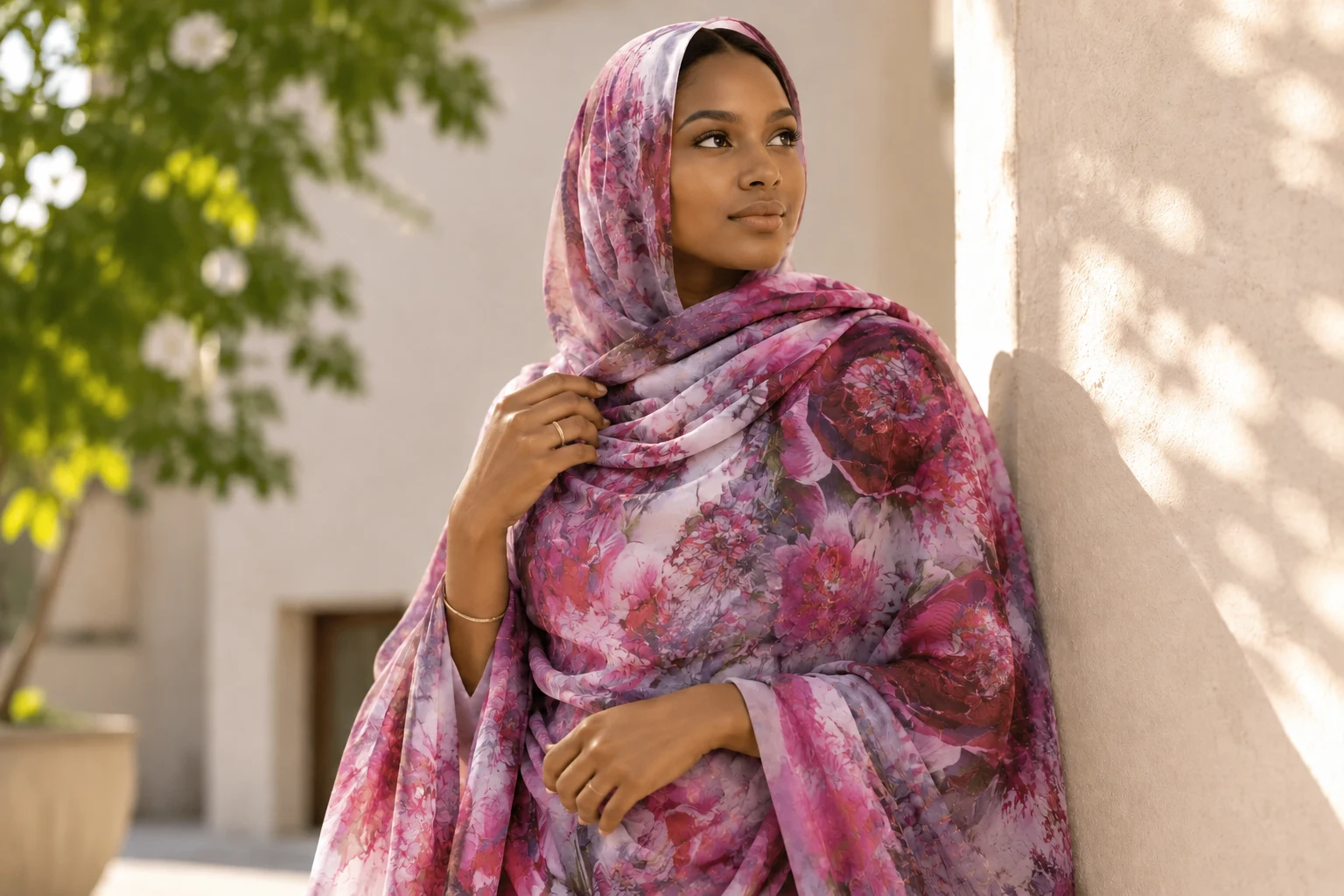
One of the most fun trends during 2025 was the shift to “wearable art,” a direction that may continue into 2026. Women seek items that share a tale. They use their hijab as a space to show who they are. This has brought back patterned covers in a big way.

Custom printed scarf fits perfectly here.
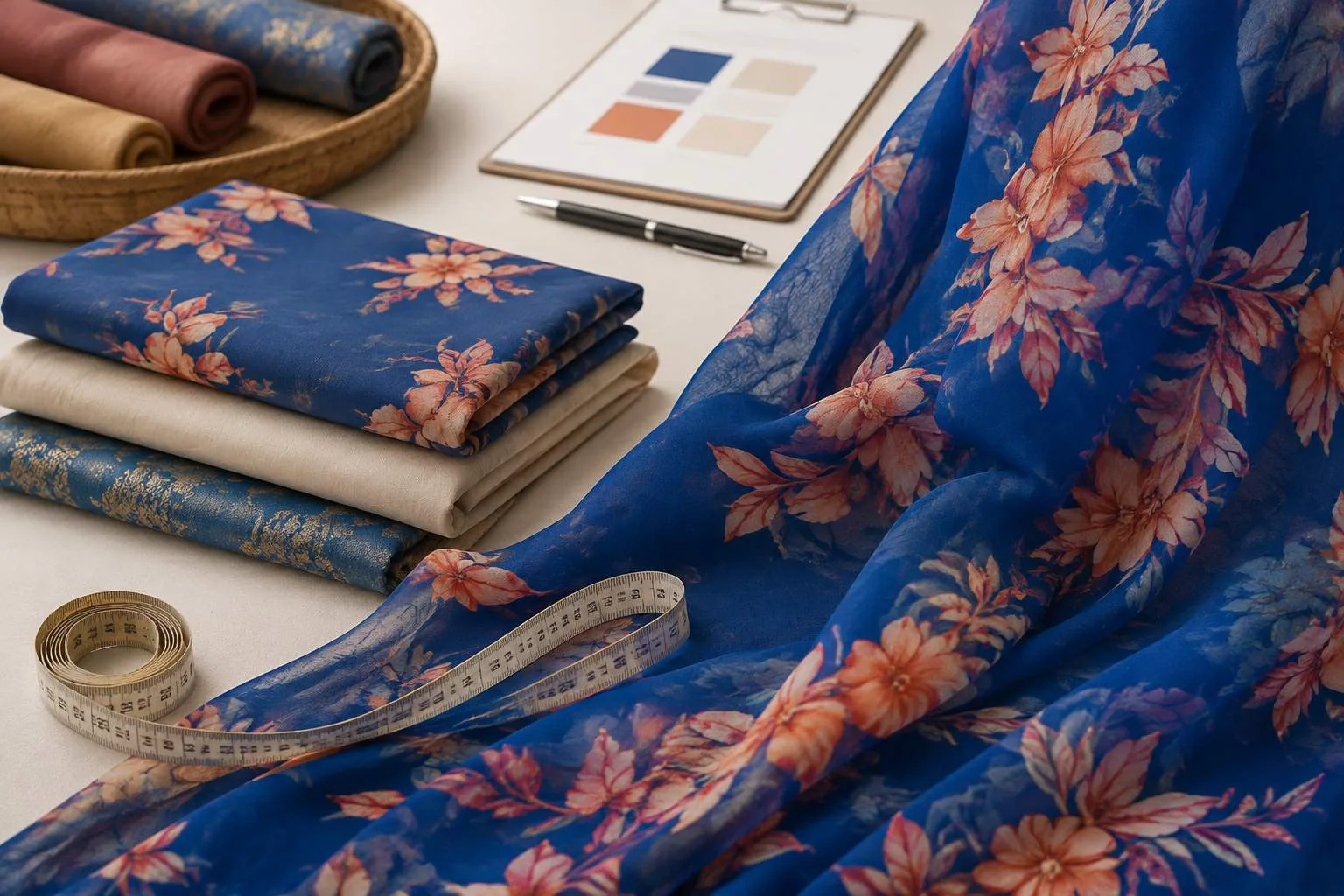
Trends show a turn from plain, factory-made designs. Instead, people want ones that feel special and one-of-a-kind. Think detailed shapes, flower patterns, or free-form drawings. Depending on the selected product, colors, designs, fabrics and available finishing options can be discussed. This lets you match what buyers want right now.
The Tie-Dye Revolution
Within printed trends, tie-dye fabric stood out during 2025 and may remain relevant for 2026 collections. This is not the old, rough tie-dye. Current styles can be smooth, flowing, and classy. Patterns form in chance ways. They create a full, natural style where each scarf differs a bit. This chance element draws in buyers who crave something unique. The fabric drapes well and looks refined. So, it turns a simple method into high-style wear.
Pick a supplier with ODM/OEM options for these items. Then you get room to make tailored goods. The available customization options should be confirmed according to the selected fabric, design and order requirements.
Quiet Luxury and The Power of Solids
Prints grab attention, but another trend leans toward simple looks. Experts call it “Quiet Luxury.” This style depends on one clear, fine color. With no design to cover flaws, the fabric’s worth and dye’s depth matter most.
A fine plain scarf forms the base of this style.
For a plain scarf to seem rich, the shade must hold up and stay even. Low-grade fabrics often show spotty color or lose it after washes. That spoils the whole look. For production, color, colorfastness and hand feel should be checked against an approved sample and the agreed quality requirements.
Versatility for Every Occasion
A solid-color cotton voile scarf offers many uses. That is its charm.
1. Professional Settings: A basic shade like beige, navy, or black gives a neat, strong image. It works well in office spaces.
2. Evening Wear: Deep gem shades such as emerald or burgundy in soft voile look grand. It avoids the slick feel of satin but stays elegant.
3. Daily Wear: Light colors and lightweight fabrics can be considered for routine wear, subject to the confirmed fabric specification.
For cotton-voile fabric, Jinlai’s public OEM/ODM information states an approximate production volume of 100,000 meters per day. Actual capacity, product scope and lead time depend on the fabric, processing requirements, order quantity and production schedule.
Why Supply Chain Transparency Matters to Your Brand
If you source hijabs for business or a label, you understand a strong product is just part of it. The rest comes down to how steady the supply line is. As brands plan for 2026, smooth operations and clear steps are key. They help businesses thrive.
Look for a partner who can discuss the relevant production and delivery steps. That may include raw-material preparation, production planning, packaging and shipping coordination. Available storage arrangements, shipping methods and delivery schedules should be confirmed separately for each order.
Advanced Processing and Quality Control
What sets a solid scarf apart often shows in the inspection details. A maker with clear quality requirements may check raw fabric and finished products.
For custom orders, the inspection scope may include fabric condition, color, printing, cutting, sewing, hemming and final appearance, depending on the confirmed product requirements.
The approved sample, technical specification and agreed inspection standard should be used as references for bulk production. Specific inspection points and acceptance criteria should be confirmed for each project.
Strategic Support for Market Growth
Good partners do more than make items. They may help review design directions, fabric options and processing choices. This can include research on new trends, such as the 2025 tie-dye rise.
Jinlai Textile can discuss suitable fabric, design and processing options for applicable scarf projects. Any performance, environmental or market-related requirement should be confirmed as a specific product requirement rather than assumed as a guaranteed result.
Conclusion: Your Next Step in 2025 Fashion
Looking back at 2025 and ahead to 2026, the hijab world includes two notable directions. One is for bold, art-like prints that express ideas. The other is for basic, lightweight items. Do you like the unique flow of tie-dye? Or the steady grace of plain cotton voile? Your fabric pick shapes your ease and look.
There is no need to give up one for the other. Choose items made by experienced producers, checked according to agreed requirements, and developed for the intended collection.
Ready to develop your line? We offer custom scarf development services for applicable products. Our team can discuss fabric, design, order quantity, packaging and production requirements before production.
In short, partnering with Jinlai Textile gives brands a practical starting point for discussing scarf development and manufacturing requirements. Fabric composition, customization options, production capacity, lead time and quality standards can be confirmed according to the specific order.
Frequently Asked Questions
Q: What makes Cotton Voile different from other hijab fabrics?
A: Cotton Voile is commonly selected because it is light, gentle, and allows air to move through. It can suit hot places well and can provide a soft drape. Polyester voile is a separate material option unless a specific cotton-polyester blend is confirmed. Final comfort, opacity, drape and breathability depend on the fiber content and fabric construction.
Q: Can I customize the patterns and colors for my specific brand needs?
A: Yes. We offer customization services for applicable products. Need certain shades, special designs, or varied fabric types? We can discuss them. Available fabric, printing, dyeing, embroidery, labeling and packaging options should be confirmed during product development.
Q: How do you ensure the quality of the scarves during production?
A: We arrange quality checks according to the product and order requirements. This may cover raw fabric and finished scarves, including color, printing, cutting, sewing, hemming and final appearance. The approved sample and agreed specification should be used as references for production and inspection.