At What Age Do Muslim Women Wear Hijab and Is There a Time to Stop?
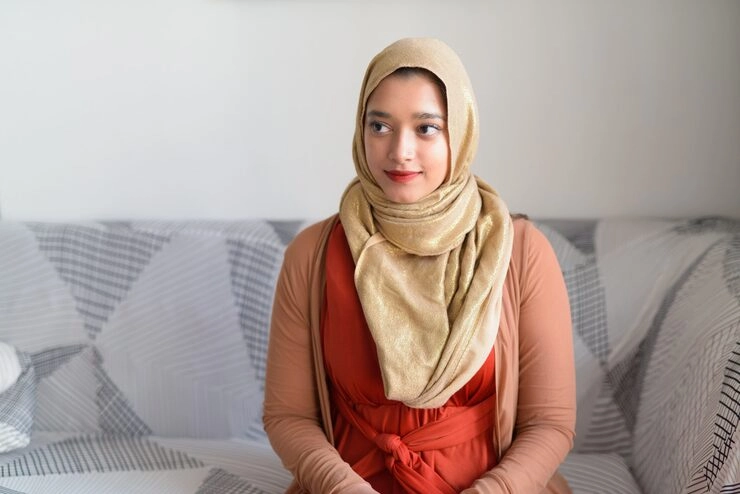
Hijab is not just a piece of cloth. It's something special that symbolizes faith, modesty, and identity in Islam. It's a serious choice for Muslim women to wear the hijab. It signifies their commitment to God and heritage. But they always want to know how girls start wearing the hijab. They also want to know if there's a particular point, like after menopause, when women can stop. To gain this, we need to take into account Islamic customs, regulations, and personal decisions. These determine the wearing of hijab in different places.
The Significance of the Hijab in Islam
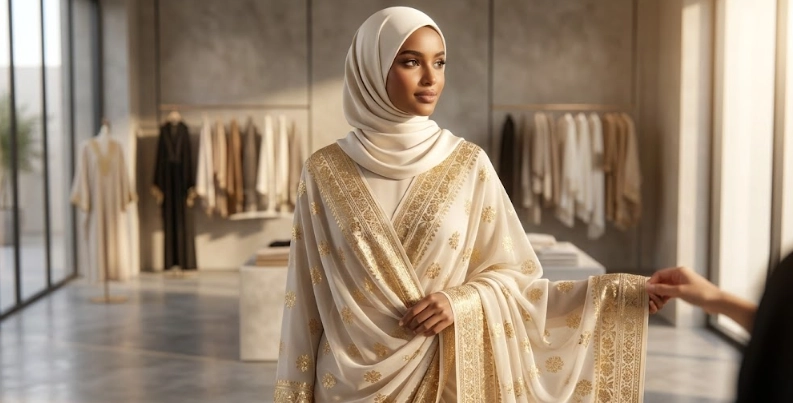
The hijab is very important in Islam. It symbolizes modesty and love for religion. It's not just about covering your hair or body. The hijab is supposed to show you're devoted to your faith. It helps women be modest in public. Beyond fashion, it's about what you speak, how you act, and how you think.
Cultural, Religious, and Personal Factors Influencing Hijab Adoption
There are a number of reasons why or why not to wear a hijab. These include religion, family, community rules, and personal ideas. Girls in certain regions are taught about the hijab when they are young. They are taught by their parents why the hijab is significant to religion. Women in other regions will start wearing it later. This could be as they draw closer to their religion or because the people around them pressure them.
When Do Muslim Girls Begin Wearing the Hijab?
There’s no one age for girls to start wearing the hijab. It depends on beliefs and where they live.
The Role of Puberty in Islamic Teachings
In Islamic beliefs, growing up changes things. Puberty is a big moment. It’s when young people start taking on religious tasks. They begin praying daily. They fast during Ramadan. They also dress in modest ways. For girls, this often means putting on a hijab. So, many religious guides say girls should start covering their hair after they reach puberty.
Family, Community, and Cultural Expectations
Families often teach about the hijab step by step. Parents might explain why it’s important first. Then, they encourage girls to wear it regularly. Communities matter too. In strict places or religious schools, girls may cover earlier. In more relaxed places, they might wait longer. Friends can also push girls to start sooner or later.
Variations Across Different Muslim Societies
The hijab looks different across countries like Saudi Arabia, Indonesia, Egypt, or Turkey. It also varies in Muslim groups around the world. Some places have laws about covering up in public. Others let women choose. These differences change when girls start wearing the hijab.
Scriptural Foundations for Wearing the Hijab
To understand the hijab, we need to check Islamic texts. These talk about modesty for men and women.
Quranic Verses Related to Modesty and Dress
The Quran gives clear advice on modesty. For example, Surah An-Nur (24:31) tells women to cover their chests with scarves. Surah Al-Ahzab (33:59) says women should cover up to show they’re believers and stay safe. These verses are why many support wearing a hijab.
Interpretations from Hadith Literature
Hadiths are sayings from Prophet Muhammad (peace be upon him). They talk about modest clothes too. They show how early Muslim women dressed simply. These stories help us see how modesty worked back then. But hadiths don’t always say exactly what to wear.
Scholarly Perspectives on Modesty and Veiling
Islamic teachers don’t always agree about the hijab. Many old-school ones say covering hair is a must. They base this on the Quran and hadiths. But some newer teachers focus on bigger ideas, like acting with respect and good intentions. They might say the exact clothes aren’t as important.
Is There an Age to Stop Wearing the Hijab?
People talk a lot about when girls start wearing the hijab. But they don’t talk as much about stopping, especially after menopause.
Islamic Views on Elderly Women and Modesty
Islamic rules know that age changes how people look and live. Still, modesty stays important no matter how old you are.
Quranic Reference: Surah An-Nur (24:60)
The Quran has advice for older women. Surah An-Nur (24:60) says, “Women who are past having kids and don’t want to marry can put aside their outer clothes. But they shouldn’t show off their beauty.” This means older women might not need to cover as much.
Jurisprudential Opinions on Post-Menopausal Modesty
Many teachers read this verse to say older women can ease up on some clothing rules. For example, they might not need heavy coats or shawls. But they should still be modest. They shouldn’t draw attention to themselves. So, older women have some freedom, but they need to stay proper.
Cultural Practices Regarding Older Women and Hijab
Culture changes how older women wear the hijab. In places like North Africa or Central Asia, many older women keep covering. They do it because it feels normal or respectful. In other places, some women pick simpler scarves. Others might stop covering their hair, following local ways and the Quran’s rules.
The Concept of Modesty Beyond Physical Appearance
In Islam, modesty (haya) is more than just clothes. It’s about what’s inside. This includes being humble before God, being honest in worship, and acting carefully. Modesty shows in your words and actions. Both men and women should be kind and respectful. They should avoid bragging or saying rude things. Even if clothes change with age or health, these values stay the same.
Personal Choice Versus Social Expectation
Islamic texts guide how people act. But life can make things tricky. Some women choose to wear or stop wearing the hijab based on what they believe. Others decide because of health or changes in their faith. These choices should come from understanding, not being forced. Balancing what communities expect with personal beliefs is a big challenge for Muslim women today.
Sourcing Quality Hijab Fabrics
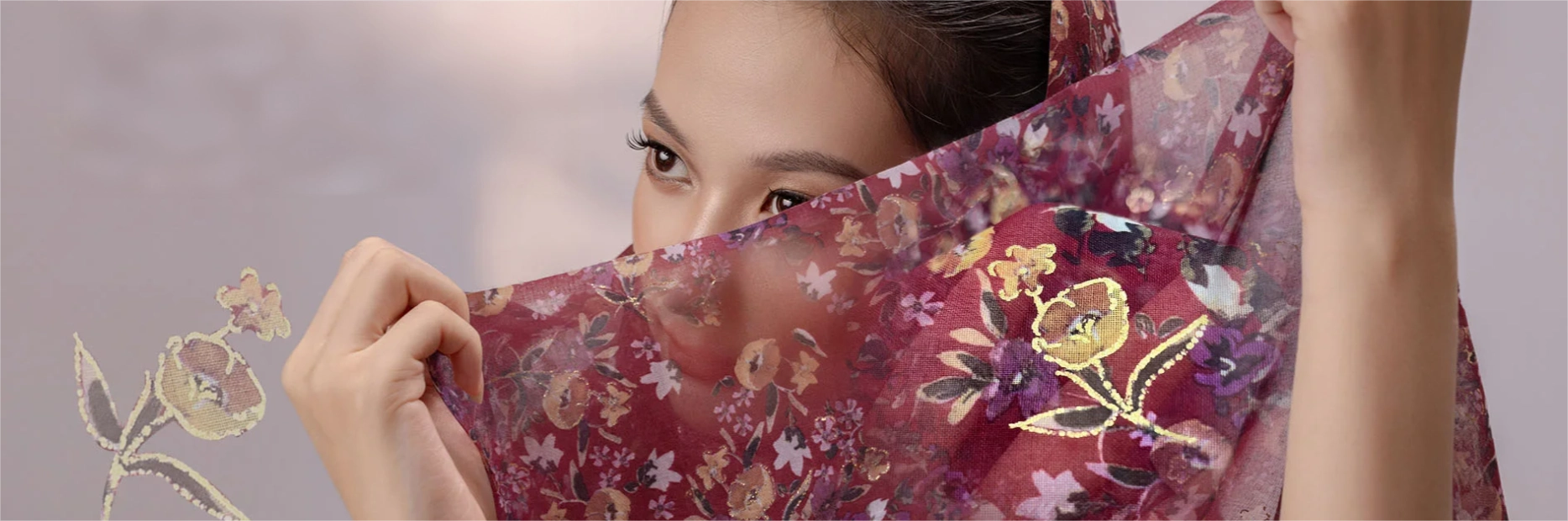
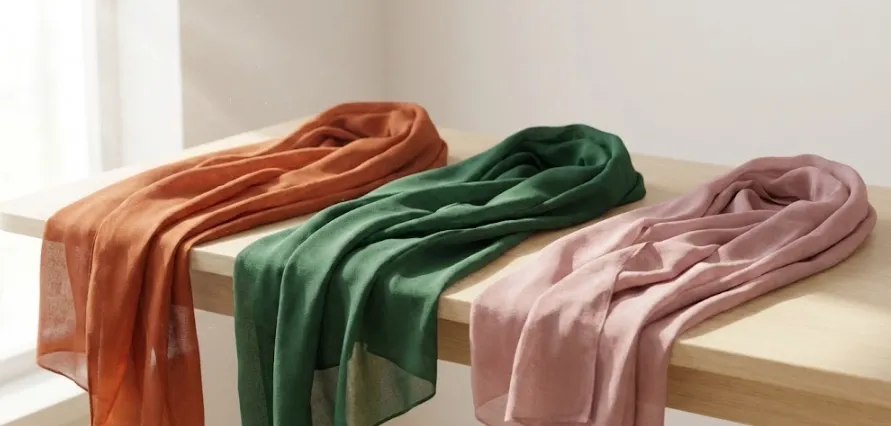
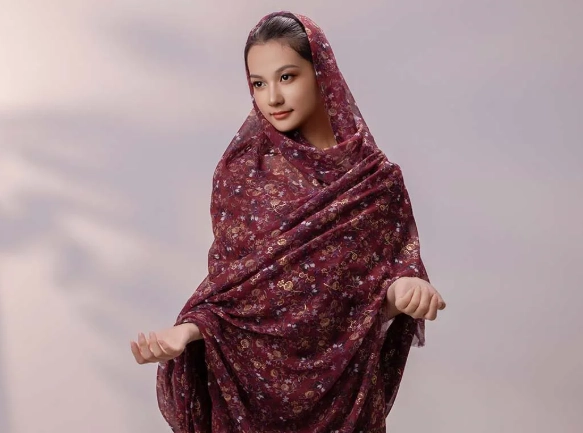
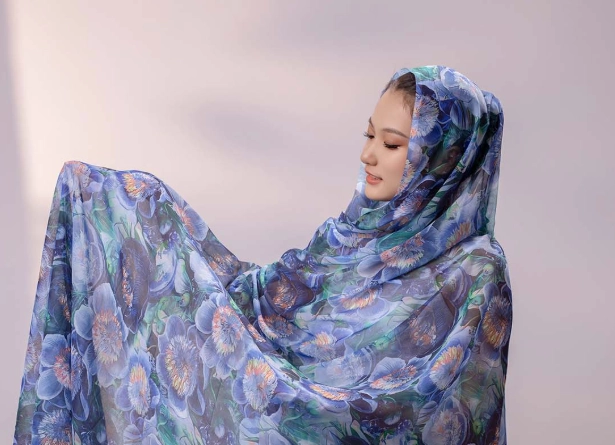
At Jinlai Textile, we make high-quality, pretty, and respectful scarves for Muslim women everywhere. We’ve worked in textiles for years. We also offer custom designs to fit what you want. Our fabrics are picked carefully to make sure you feel comfy and confident. Whether you like old-style or new looks, we have something for you. Our cotton voile fabric is light, soft, and lets air through. It’s great for scarves, especially in hot places or for older women wanting comfort. Visit our contact page to make your own special headscarf today. Our skilled team and caring service are here for you.
Conclusion
Wearing the hijab is a personal path. It’s shaped by Islamic rules, traditions, community ideas, and your own choices. Puberty is often when girls start wearing the hijab. That’s when religious duties kick in. But the exact age depends on family and where you live. There’s no set time to stop wearing it. The Quran, in Surah An-Nur (24:60), gives older women some freedom, especially after menopause. Still, modesty is always important. Whether it’s through clothes or how you act, the hijab shows faith and respect at every age.
FAQs
Q1: Can elderly Muslim women remove their hijabs completely?
A: Surah An-Nur (24:60) says older women who don’t want to marry can ease up on outer clothes. But they shouldn’t show off their beauty. They still need to be modest, depending on where they are.
Q2: Is wearing a headscarf mandatory after menopause?
A: It depends on who you ask. Some teachers say older women can be more relaxed since they’re less in the public eye. Others say keep wearing it for respect. The Quran’s rules about modesty still matter.
Q3: What materials are best suited for comfortable hijabs later in life?
A: Light, airy fabrics like cotton voile work great. They’re comfy, especially in warm places or for sensitive skin. Jinlai Textile offers top-notch cotton voile scarves made for comfort at any age.