The Most Durable Hijab Fabrics: How to Buy Once and Wear for Years
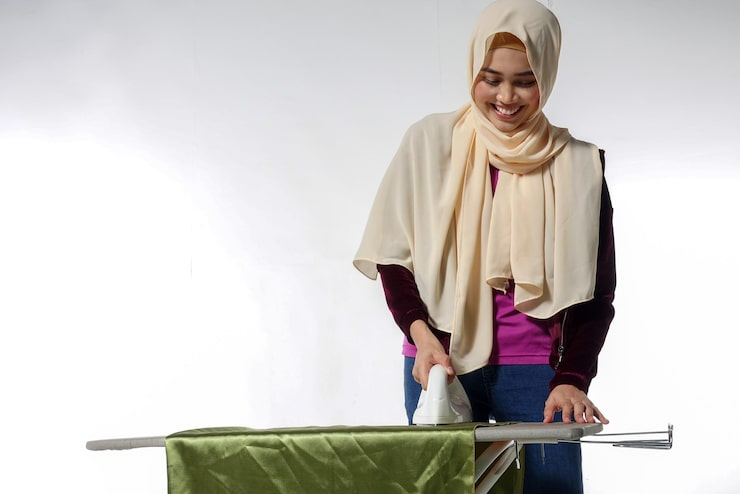
When you pick out a hijab, toughness matters a lot. It's more than just cloth. It's part of your everyday routine. It shows your personal style. And it carries deep cultural meaning. Picking the best material is vital. That way, your hijab stays clean, cozy, and bright for many years. Folks want top-notch materials in the cloth world these days. Green practices and sturdiness push this trend forward.
This handy guide digs into the toughest hijab materials out there. It draws on real industry know-how. Plus, it gives smart tips. You'll learn how to choose for lasting use, ease, and flair.
Why Durability is Crucial for Your Hijab
Toughness in hijab materials isn't only about looks. It's key for steady comfort and real-world use too. Research points this out. In the cloth business, buyers now stress sturdiness more. A whopping 67% say they pick solid, enduring items over cheap, quick-to-break ones. For hijabs, this means the cloth holds up to lots of washes. It handles daily pulls and weather shifts. And it keeps its form, shade, and touch.
A strong hijab pays off over time. It sticks around longer. You save cash in the end. Go for materials that take a beating yet feel good all day. This covers the cloth alone. But it also includes how it's spun, colored, and finished.
Key Factors That Affect the Durability of Hijab Fabrics
Lots of things shape how long a hijab lasts. Material grade tops the list. The spin style comes next. And upkeep seals the deal. Together, they keep your hijab in top shape for years.
Fabric Quality: The Foundation of Durability
Cloth grade sets the base for toughness. It's the biggest piece of the puzzle. Fine stuff like cotton, silk, polyester, or smart mixes shines here. They deliver great staying power. A 2021 piece from Textile World notes this. Top polyester cloths can go 5-6 years strong with good handling.
What's more, cotton from good sources and gentle processing holds form and ease better. On average, these hijabs keep color and feel for 3-5 years. That's with steady care. Cotton breaks down naturally too. So it's kinder to the planet than fake fibers. First of all, it balances toughness with green vibes.
The Weave and Texture: How the Fabric is Made
How a cloth is spun affects its grit too. Tight spins make it stouter. They fight off rips and rubs better. That's why cotton voile and polyester voile work well. They're packed tight. This beats loose spins hands down. It cuts down on edge tears.
Take polyester voile scarves, for example. Their spun setup makes them way tougher. They resist daily grind more than airy weaves. Thus, the build of the cloth rules its staying power. Tight ones boost strength. And they dodge fraying like pros.
Care and Maintenance: Prolonging Your Hijab’s Lifespan
Even tough cloth fades without right handling. A report from The Fabric Care Institute spells it out. Bad washing slashes life by up to 30%. Easy fixes help. Wash in cool water. Skip strong soaps. Let it dry in the breeze. These steps stretch things out big time. Here's the breakdown:
· Cotton hijabs hit 5-6 years with solid upkeep. Without it, they drop to 3-4.
· Polyester ones reach 6 years. That's with routine washes and air dry. But heat or rough soaps? Wear shows in just 4 years.
· Silk needs kid gloves. It keeps that fancy feel for 4-5 years right. Skip the care, though. And it's down to 2-3.
Stick to the wash rules. Cool water. No dryer spins. Soft soaps only. So, your hijab stays pretty, plush, and tough way longer. This smart play boosts your buy. It cuts costs down the road. And it locks in that cloth quality.
Understanding the Most Durable Hijab Fabrics
Now, let's zoom in on hot hijab cloths. We'll check the facts behind their grit.
Cotton Hijabs: A Classic Choice for All Seasons
Cotton rules hijab picks. Why? It's airy. It's comfy. And it's tough. Data backs it. Cotton threads hold for up to 3 years with care. Then, wear creeps in. Naturally soft and breathable, it fits hot spots perfect. A Textile Exchange report says cotton makes 24% of world fibers. That's from its built-in stamina.
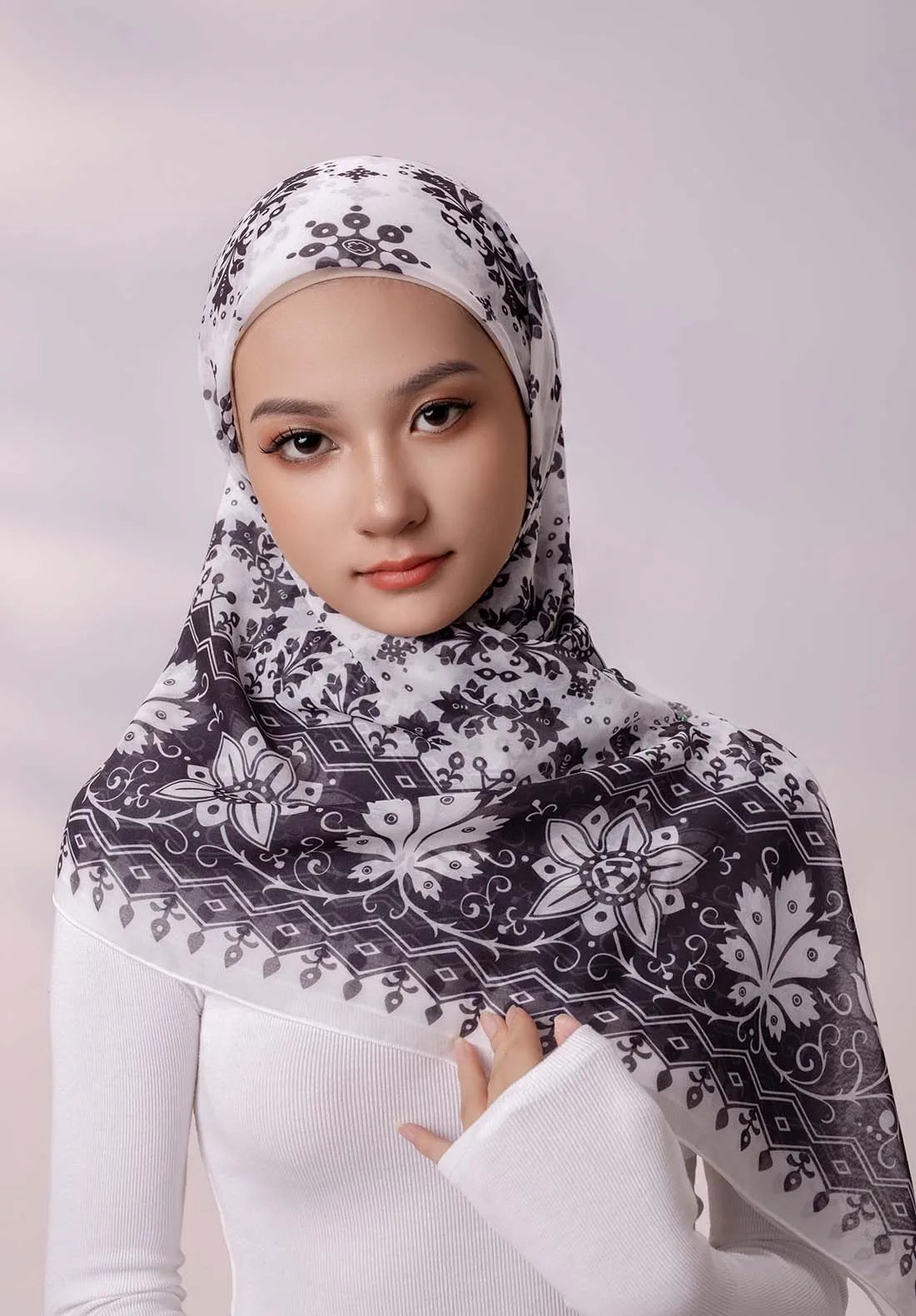
But watch out. Cotton creases quick. You might iron often. Store it right, though. Maintain steady. It keeps shape and touch after tons of use.
Silk Hijabs: Elegance and Durability Combined
Silk brings class. It's tough too. Smooth on skin, it shines. Handled well, silk hijabs go 5-6 years. Still, it demands gentle touch. Hand wash or dry clean. That saves the shine.
The International Silk Association has stats. Silk threads pack high pull strength. They stretch without snap. So, for big events, silk hijabs rock. Fancy touch. Sharp look.
Polyester Hijabs: Affordable, Resilient, and Low Maintenance
Polyester's fake but fierce. Cheap too. It shrinks less. Fades slower. Perfect for daily grind. Research shows it lasts 6 years with washes. Texture and shade stick around.
Plus, it fights creases and color loss. Easy upkeep wins. Polyester dominates cloth making worldwide. Huge slice of fibers. All from its grit and chill care.
Jersey Hijabs: Stretchy, Comfortable, and Durable
Jersey stretches. It hugs just right. Great for movers. No wrinkles easy. Cozy all day. Polyester jersey hits 4 years. Cotton version? A tad less. The bounce keeps form after repeats.
Viscose and Rayon Hijabs: Soft and Breathable for Warm Weather
Viscose and rayon feel plush. Air flows free. Cool heads in heat. But fade watch. They need soft handling. Data says 3-4 years for viscose. Rayon matches. Though washes hit color faster.
How to Choose the Right Hijab Fabric for Your Lifestyle
Pick cloth to fit your world. Think weather spot. Wear frequency. Care effort you're game for. Hot zones? Light cotton or viscose breathe best. Cozy and chill. Need grit and easy? Polyester. Jersey too.
How to Maintain the Durability of Your Hijabs
Right handling adds years. The Textile Care Institute agrees. Cool washes. Mild soaps. Air dry. Bump life 30%-40%. So, that's 1-2 extra years over sloppy ways. Follow tags always. Cool, dry storage stops harm.
About Jinlai Textile: Your Trusted Partner for Durable Hijab Fabrics
Jinlai Textile leads in fine hijab cloths. They focus on cotton voile, polyester voile, and more tough picks. Jinlai Textile crafts to peak standards. Long life baked in. Ready stock or custom fits. Years in the game mean durable, airy cloths. Spot-on for daily.
Frequently Asked Questions (FAQ)
Q1 What is the best fabric for everyday hijabs?
A: Polyester and cotton shine for daily. Tough. Comfy. Easy care.
Q2 How can I make my hijabs last longer?
A: Cool water washes. Air dry. No harsh stuff. Add 1-2 years easy over bad habits.
Q3 Are polyester hijabs breathable?
A: Less than cotton, sure. But they pack punch in toughness. Cool spots or routine wear? Spot on.