What Are the Key Steps to Launch a Hijab Brand in 2026 Successfully?
As folks gear up to kick off a hijab brand in 2026, smart planning matters a bunch. Market scenes shift quick these days. Modest fashion spreads far and wide. Folks in business need to handle world trends. They have to weigh what shoppers prefer. And they must factor in green habits. This outline covers main moves for a solid start. It points out links with dependable suppliers like Jinlai Textile.
Analyzing Global and Regional Trends in Modest Fashion
When you plan to create your own hijab brand by 2026, it helps to look closely at the progress in the modest fashion field. Modest fashion has moved from a small corner to a wider acceptance in markets around the world. This change comes from greater presence of Muslim women in the fashion world, expanding groups on social media, and a clear need for clothes that show culture in fresh ways.
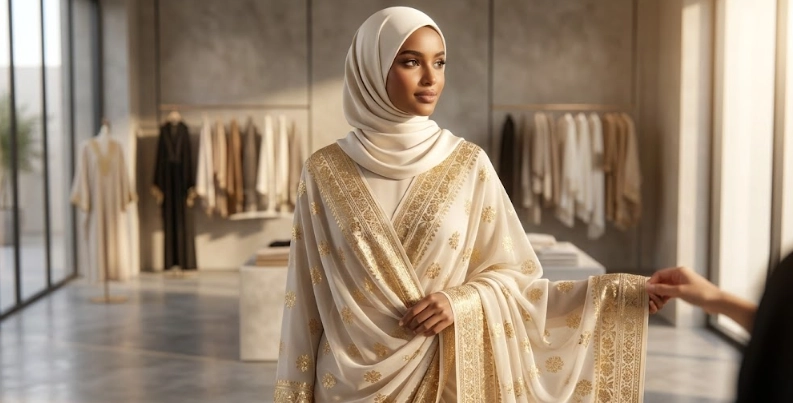
Buyers between 18 and 35 years old lead this change. These young people focus on style. They also hold strong views on right and wrong, care for the environment, and want real cultural touches. Tastes differ by area. In the Middle East, people often like rich fabrics and fancy details. In Southeast Asia, shoppers prefer simple grace with airy materials that fit warm, wet weather.
Cultural roots matter a lot in this growth. Hijabs now go beyond just religious items. They serve as strong signs of personal style. This mix of old ways and new looks opens doors for creators to join classic designs with current shapes. Designers can use changeable patterns and lively forms, in particular.
Identifying Gaps and Opportunities in the Hijab Market
The hijab market grows, yet some parts remain weak. Brands often skip wide size choices. They ignore buyers who want longer pieces or fits that match various face types. Comfort in different weather is another weak spot. Fabrics need to keep grace but stay easy to wear.
Sustainability goes beyond a popular term. It turns into a main reason for buying. Shoppers look for hijabs made with green methods, from coloring to wrapping. Demand rises for personal touches too. These include names on labels, patterns from family history, or small sets linked to group tales.
Links with fabric experts fill these needs. For instance, Jinlai Textile gives tailored help that fits business goals. This covers special designs, sizes, and green production. Such partners suit brands aiming at these new areas well.
Defining Your Brand Identity and Positioning
To stand out, your brand needs to share its goal in a clear way. Go past just what the products do. What beliefs do you support? Do you show openness with models from many backgrounds? Do you push for green habits through reusable wraps and mild colors?
These promises must sit at the heart of your main goal statement. They should show up steadily in all your work. If you start a simple line or a high-end one, your place in the market should set you apart from other hijab brands. Offer a real bond that touches your buyers deeply.
Selecting a Brand Name, Logo, and Visual Language
Choosing a name for your hijab brand means more than fun ideas. It is a smart choice. The name should honor culture with care. At the same time, it must draw in today's crowd. Skip plain words. Pick names that bring to mind grace or meaning.
Your logo needs to catch these ideas in pictures. Use simple shapes and even letter styles that work on online sites and real tags. Think about how your colors fit both the item looks and your brand's core ideas.
Designing the Product Line: Fabrics, Colors, Sizes, and Prints
Choosing the Right Fabric for Functionality and Comfort
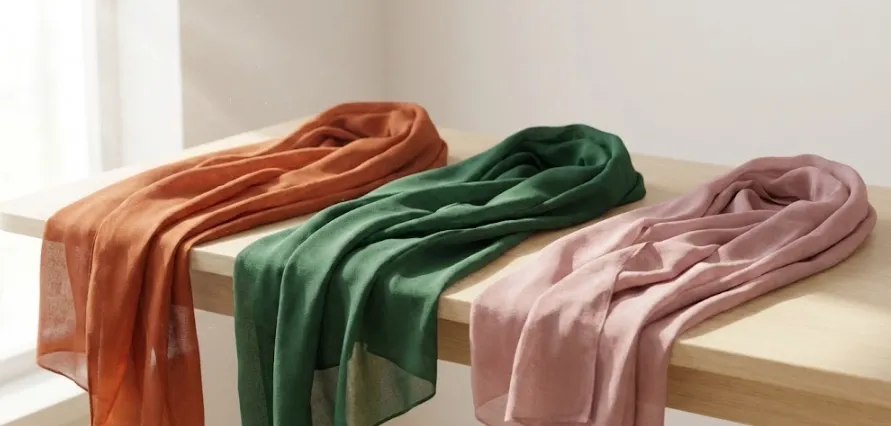
Picking fabric sets the ease, draw, and good name of your hijab brand. Many brands pick polyester voile for its air flow and light feel. The fabric feels gentle, weighs little, and lets air pass through. This makes it great for wearing all day. In warm or sticky places, it gives useful grace. Wearers stay cool the whole time.
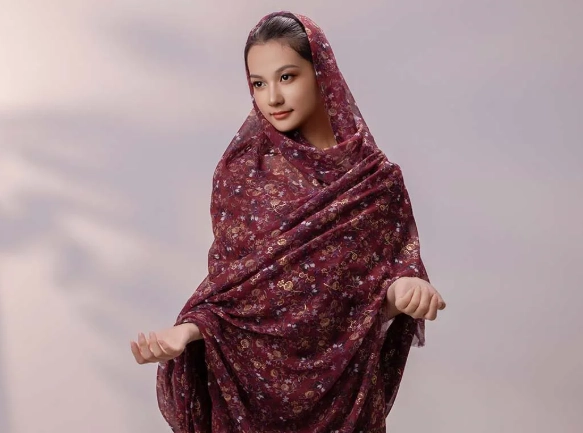
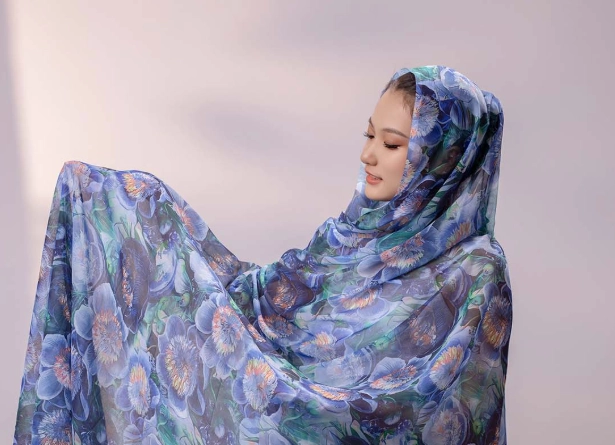
For custom prints, check choices like the Custom Printed Cotton Voile Hijab Wholesale. Jinlaifabric uses top cotton voile to make the tailored cotton voile hijab. It keeps strong color and shine even after many washes.
Curating a Color Palette That Resonates with Your Audience
Colors tell strong stories. Trends each season push light shades in spring or deep gems in winter. Yet many buyers stick to basic tones that go with clothes all year. Local likes count too. Rich reds draw in South Asia. Gentle grays and whites win in Europe.
Knowing your main group lets you mix hot colors with steady ones. Those steady shades sell without fail.
Offering Inclusive Sizing Options for Diverse Styling Needs
Hijab users wrap in many ways. Some use Turkish folds. Others choose loose hangs or tight tops. Each style needs set sizes. Standard lengths fall short. Think about lines for small frames and those who like very long scarves for layers.
You should add flexible shapes or stretch bands for varied head forms. This kind of useful range boosts joy for users. It also widens who you reach.
Developing Unique Prints with Customization Capabilities
Special prints mark any strong hijab brand. They might come from writing art, flowers, or simple shapes. Tailored designs build steady fans among those who buy often.
Clear print work that holds color over time matters for printed hijabs. If you bring out short-run sets or try fresh ideas, small amounts of making are key. Give special tailoring based on your plans. This covers patterns to brand marks.
Building a Scalable Production Process with Trusted Partners
Selecting Ethical Manufacturers and Suppliers
Fair making is not just for show. It forms the base for lasting success. Pick sellers with OEKO-TEX® or GOTS stamps. These prove safe colors and right work ways to buyers.
Check plants for good pay, safe rules, and steady checks. This keeps even results in each group. It cuts risks to your good name as you grow.
Collaborating with Jinlai Textile for Scarf Production Needs
Jinlaifabric provides printed cotton voile hijabs and cotton voile OEM services. You can begin small but grow quick. Their group has years of skilled making know-how. The team aids in bettering your plans. They also make sure of smooth send times.
We give you an easy buy path from making to wrapping to sending. This fits new starts that test fresh areas.
Creating an Impactful Packaging Experience
Designing Packaging That Reflects Brand Values
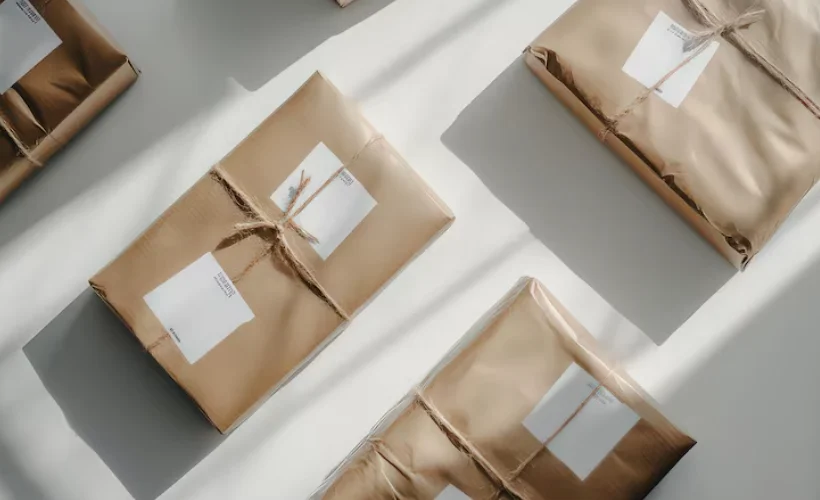
Wrapping often marks the first touch feel with your brand. Pick simple brown paper ties or fancy pull boxes. Make sure it matches your brand's tone.
Green items like reused board or break-down wraps draw smart shoppers. These back up your green claims.
Adding Functional Elements to Enhance Customer Experience
Useful wrapping raises seen worth. Bags that last protect hijabs. They also serve as trip helpers. Add cards with wrap ideas or culture facts. This adds layers to your item story. It pushes sharing on social spots among buyers.
Establishing Sales Channels and Go-To-Market Strategy
Launching Through E-commerce Platforms and Marketplaces
Begin with a Shopify shop made for modest fashion looks. Use clear setups, full pictures, and local pay ways. Sites like Etsy or Amazon Handmade open doors to more people early. You avoid big spends on ads.
Boost search words like “breathable hijab” or “custom printed scarf”. This pulls natural visits through write-ups and item notes.
Exploring Wholesale Partnerships with Boutiques or Retailers
As wants rise, reach out to local shops with test packs. Show quality and tale-based designs. Flexible low amounts or send-on-need deals help shops try your items. They face low start costs.
Marketing Your Hijab Brand Effectively in 2026
Utilizing Social Media Influencers Within Modest Fashion Communities
Team up with small influencers who match your beliefs. This builds real notice. Ask them to make short videos on styles or real user stories. Show how your designs work in daily life.
Content from users builds faith. It lifts proof from others. Use marked tags or style tests to grow this.
Investing in SEO, Content Marketing, and Paid Ads Strategically
Point out strong sides in ad words. Stress how the fabric feels soft, weighs light, and lets air through. It suits daily use in all weathers. Note how your brand picks green colors that fit lasting goals.
Put out blog pieces on hijab wrap hints or looks behind the make scenes. This grows natural visits bit by bit.
Providing Exceptional Customer Service & Building Loyalty
Implementing Responsive Support Channels
Buyers want quick help. Give WhatsApp talks, local email answers, or auto helpers in quiet times. Think of many languages if you aim worldwide.
Fast fixes for size or send problems build trust. This leads to buys again.
Encouraging Repeat Purchases Through Loyalty Programs
Loyalty plans reward joins. Points come from buys, friend shares, or social posts. Give first looks at new sets. Offer special designs to top members. This adds fun and rare feel to each new batch.
Partnering With Jinlai Textile: Your Strategic Manufacturing Ally
If you seek a skilled maker who gets the fine points of modest fashion and the tech needs of custom scarf making, Jinlai Textile stands as a reliable choice to check. We hold that every headscarf acts as a piece of craft. It carries the skill and effort of workers. Their wide background in polyester voile scarves means you get fine work no matter the order size. Fast send times and growth-ready low amounts fit new brands like yours.
FAQ
Q: Can I get my own designs printed even if I’m just starting out?
A: Yes. You can customize patterns, colors, sizes—even add logo tags—without needing large volume commitments initially.
Q: What makes polyester voile better than synthetic blends for hijabs?
A: It’s breathable, soft on skin, doesn't trap heat, and maintains print vibrancy even after multiple washes—ideal for daily wear.
Q: How fast can I launch if I partner with Jinlai Textile?
A: Production typically takes 15–20 days after design confirmation; shipping varies by region but is efficiently managed through their logistics partners.