Sudanese Toub Wholesale Sourcing Options: Ready Designs, Fabric Supply, or Custom Development
Sudanese Toub wholesale sourcing is easier to control when the buyer chooses the supply format before choosing a design. Most projects fall into three routes: a ready-design product for fast assortment testing, a fabric-oriented product route for buyers who manage their own downstream work, or custom development for a private-label range that needs controlled colors, patterns, labels, or packaging. The best route depends on your channel, internal capabilities, approval time, and need for product control.
For importers, distributors, retailers, and modest-fashion brands, the practical rule is simple: use ready designs when the job is to test demand, use fabric-oriented supply when your team has a separate finishing or tailoring process, and use custom development when the product brief itself is part of the competitive advantage. Keep those routes separate in the RFQ so a supplier is not comparing different jobs under one vague request.
Start with the sourcing decision, not the product adjective
Words such as premium, authentic, or high quality do not tell a procurement team which supply route will work. Start by identifying what happens after the order arrives and who owns the next production or merchandising step.
A buyer with an established design library may need execution and repeatability. A new private-label brand may need design development. A distributor may need a clear ready-design shortlist that can be presented to several retail accounts.
Sourcing route | Best fit | Buyer controls | First approval question |
Ready-design Sudanese Toub | Testing a collection or replenishing known styles | Selection, color mix, labels and packing requirements | Does the available design fit the channel and target customer? |
Fabric-oriented supply | Buyers with their own finishing, tailoring or merchandising workflow | Material brief, downstream construction and final presentation | What exact fabric and finished format will be supplied? |
Custom development | Private-label or differentiated collections | Artwork, color direction, pattern, label and packaging brief | Which decisions must be approved before the supplier quotes and samples? |
This is a sourcing framework, not a promise that every supplier offers all three routes in the same way. The exact product form, material wording, finished size, packaging and commercial terms must be confirmed for the selected item. The value of the framework is that it gives the buyer a clean question to ask before comparing quotations.
Choose ready-design sourcing when speed and assortment testing matter
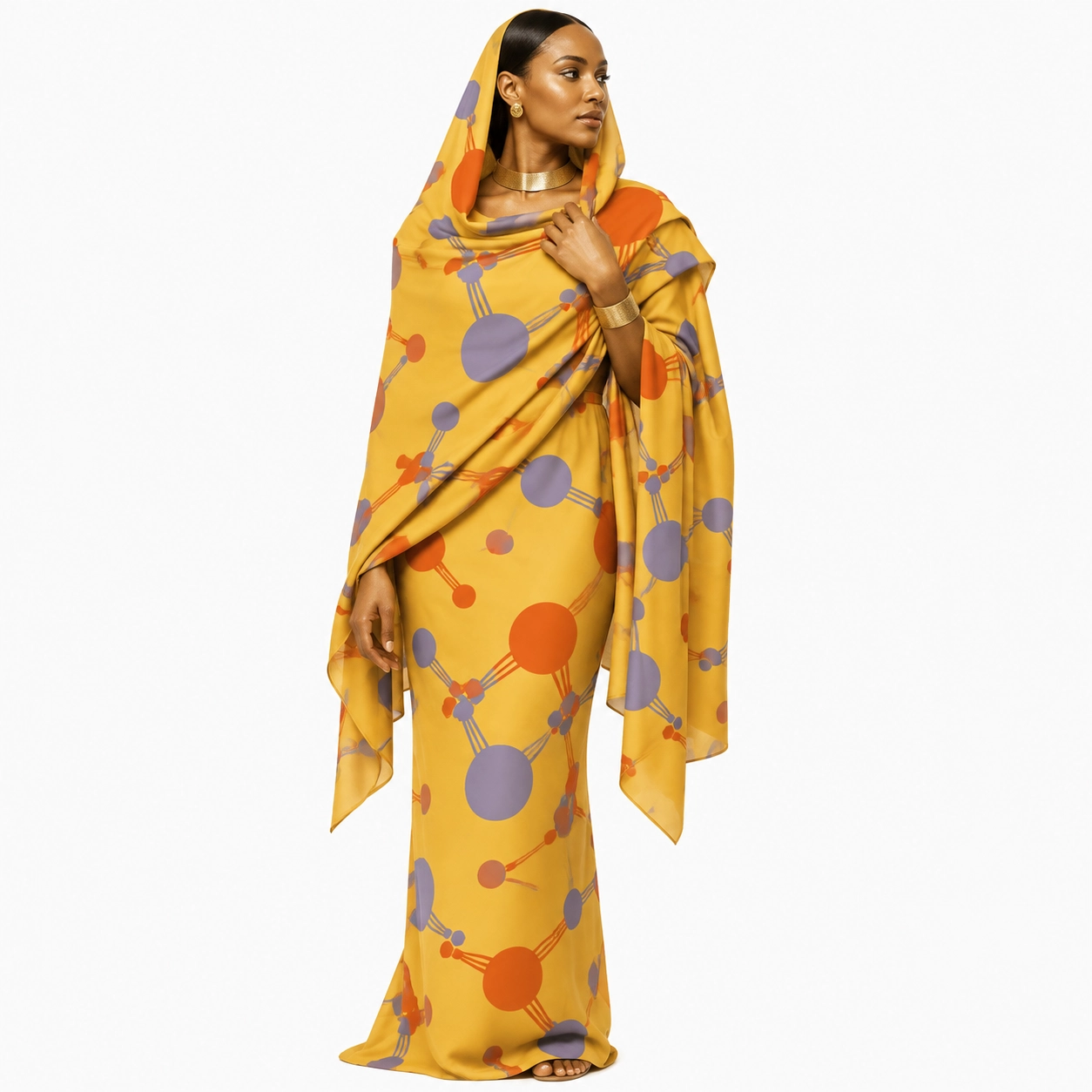
Ready-design sourcing is usually the most practical first step when a buyer wants to test a small collection concept without opening a full development project. It lets a wholesaler compare colors, surface treatments and customer response before investing time in artwork revisions or private-label packaging. The trade-off is less control over exclusivity and product differentiation, so the buyer should document exactly what is available and what can be changed.
Use a ready-design route when the retail job is already clear: everyday modest wear, a coordinated boutique range, or a replenishment request for a known style family.
Ask for the exact product reference, material description, size, design version, available color options, label treatment and packing format. Do not treat a marketplace photo or a short product name as a complete specification.
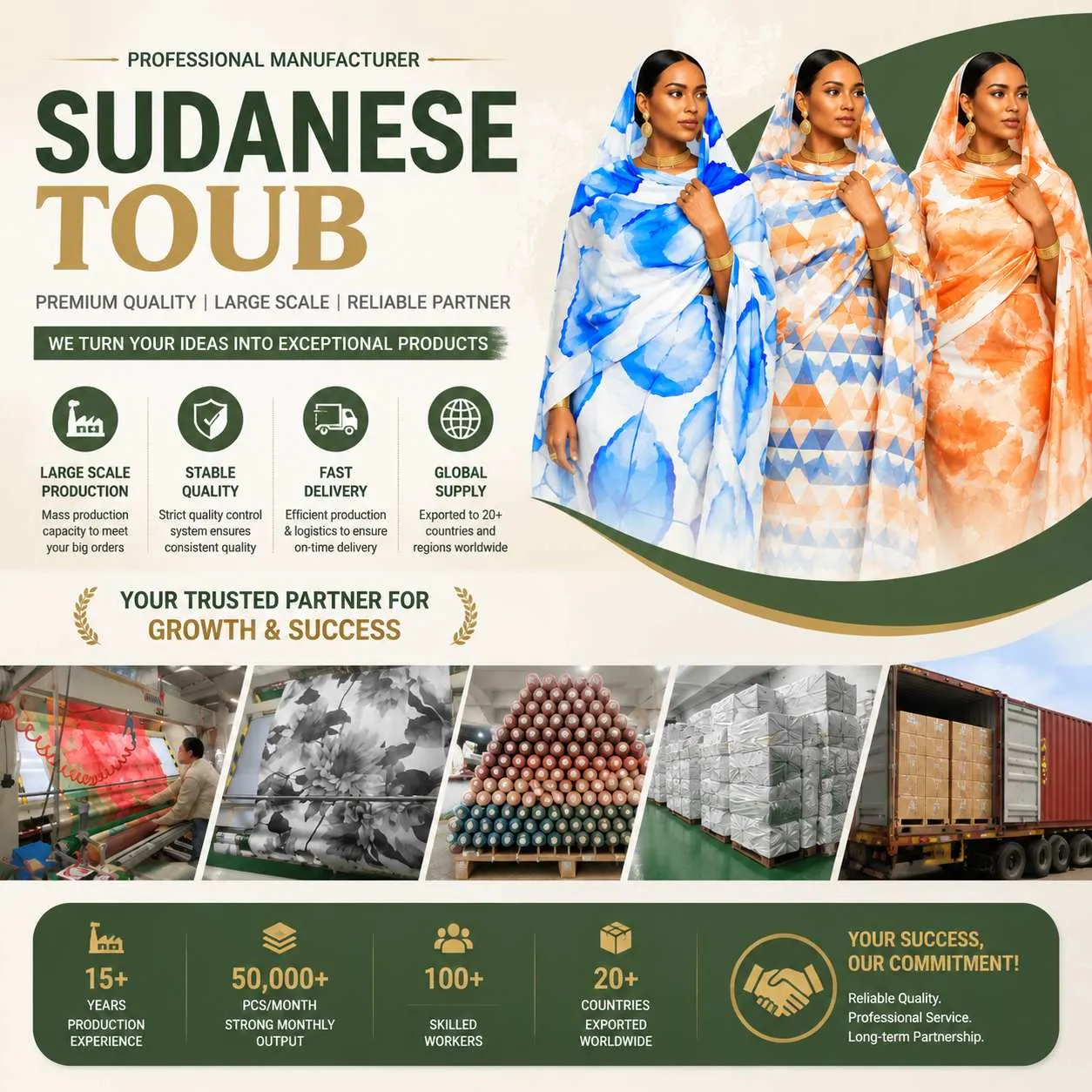
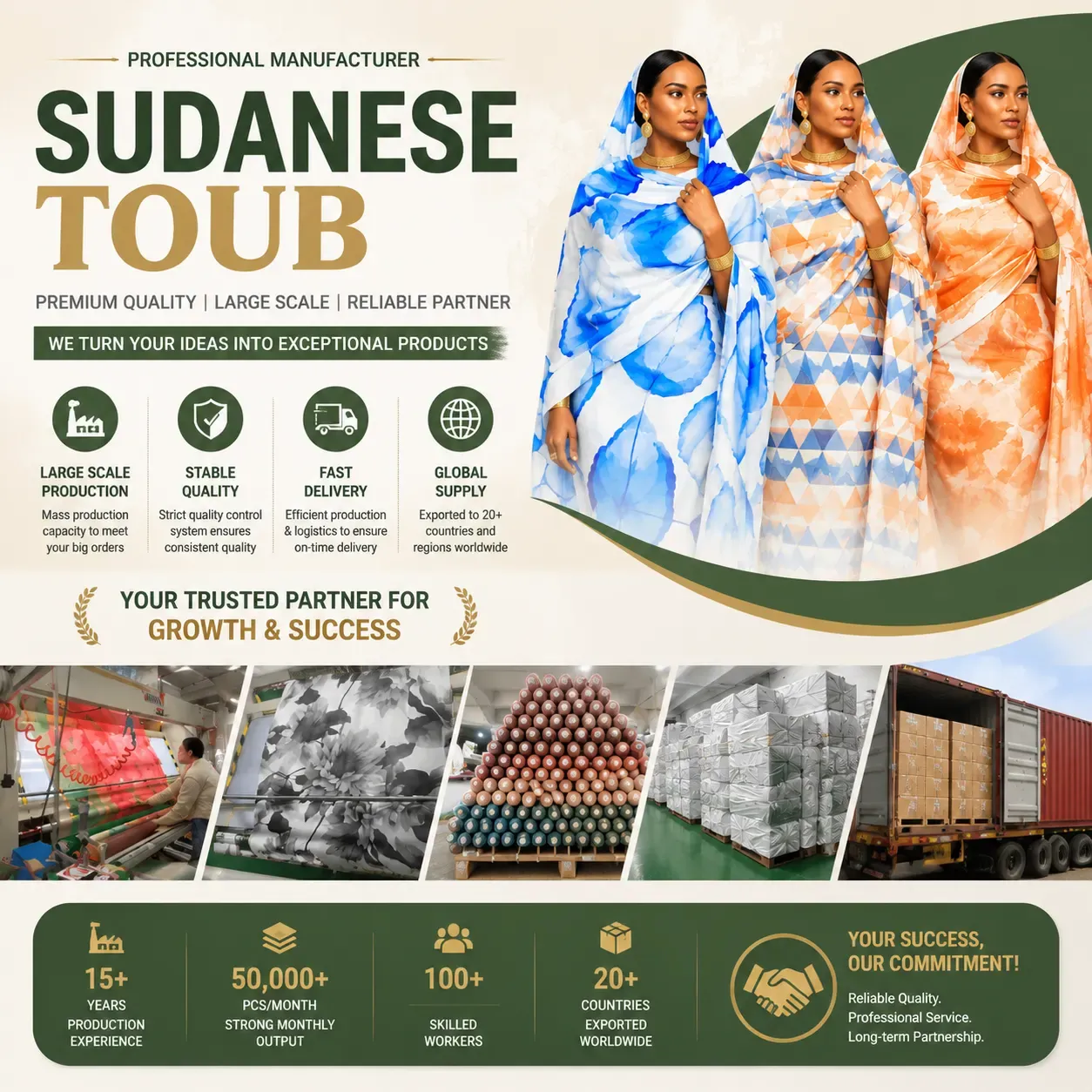
Jinlai Textile's Sudanese Toub category groups several product routes for wholesale buyers, and its ready-design Sudanese Toub route can help a buyer build an initial shortlist.
A useful next step is to compare the selected item against the buyer's own channel requirements rather than assuming that a listed design is automatically suitable for every market. Keep the shortlist, sample identity and quotation reference together.
Choose fabric-oriented supply when your team owns the downstream work
A fabric-oriented route can make sense when the buyer already has a local tailor, garment workshop, private finishing partner, or merchandising process. The buyer gains more control over how the material is turned into a final retail product, but also takes responsibility for the decisions that a ready-made supplier would normally help coordinate. This route is unsuitable when the buyer has no reliable downstream process or cannot approve the final construction locally.
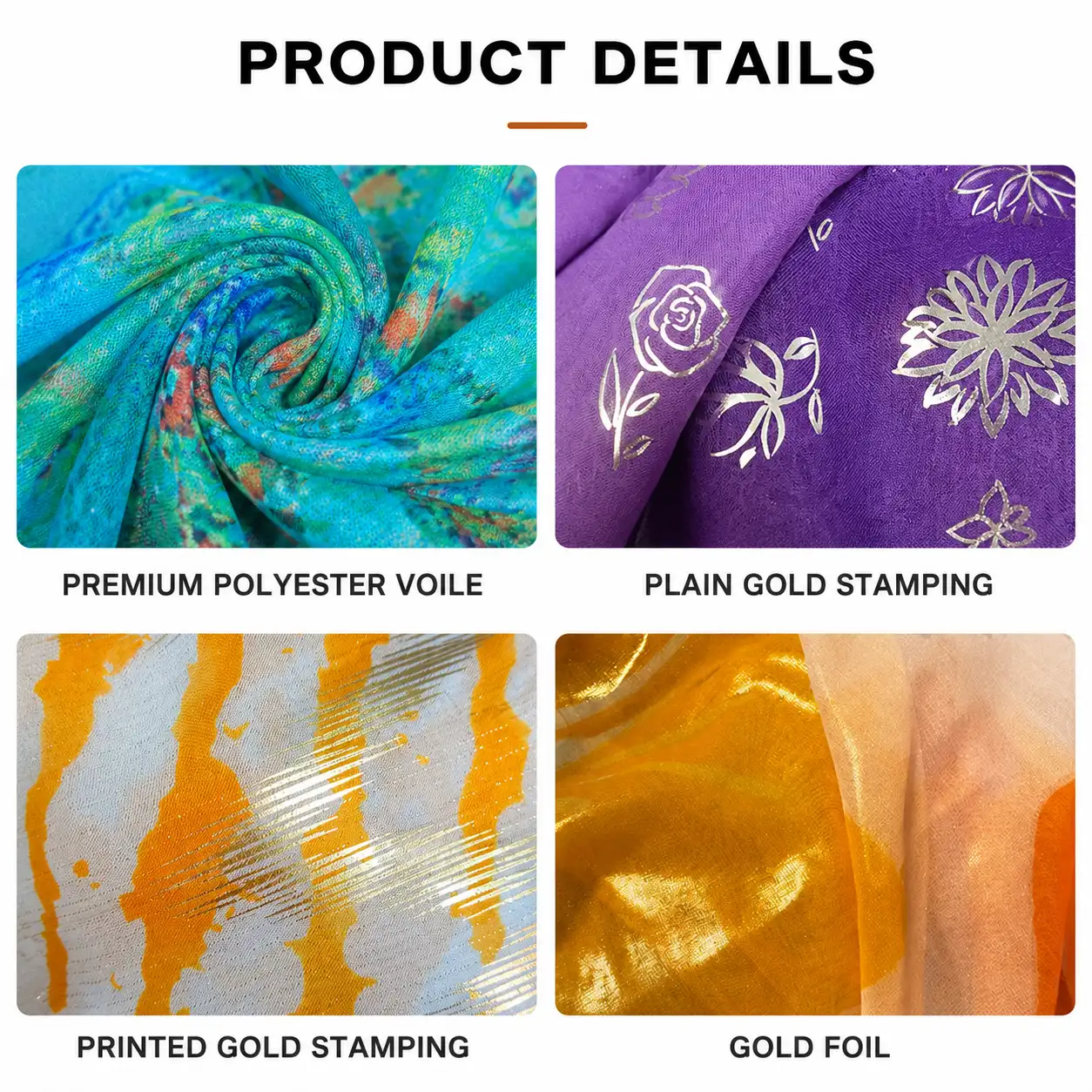
Before requesting a quote, define the technical and commercial handoff. State whether the purchase concerns fabric, a full Toub piece, or another confirmed format; identify the intended use; and list the material fields that must appear on the supplier response.
Add the required width or length only when the project has a confirmed target. A buyer should never infer a universal size or composition from another product listing.
The fabric-oriented decision also changes sampling. A small swatch can help with touch and shade, but it may not reveal how the material behaves when folded, wrapped, or handled by the downstream team.
Request the smallest representative format that allows the actual production decision to be made, then record what the sample does and does not prove.
Choose custom development when the product brief is part of the value
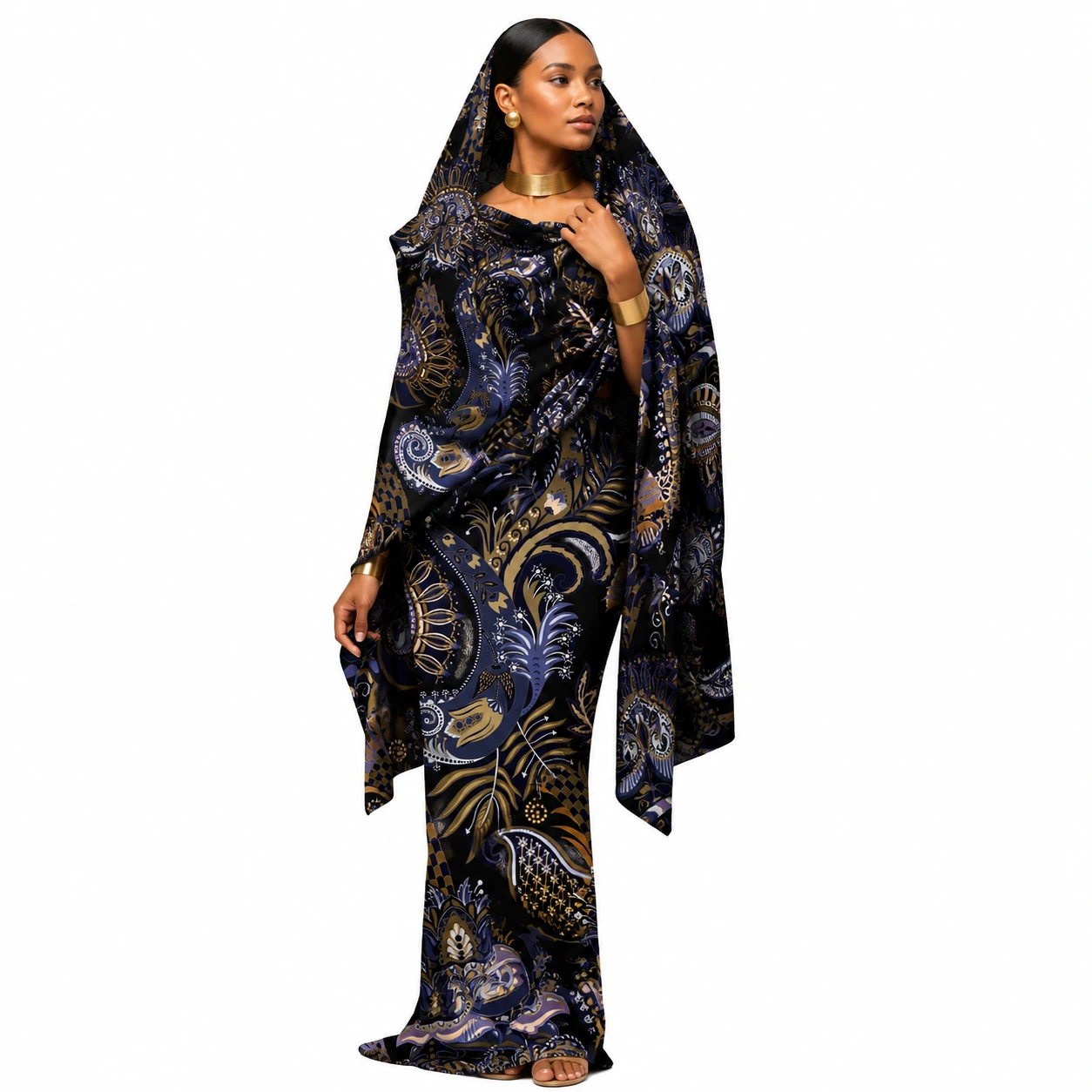
Custom development is justified when the buyer needs a product that cannot be specified adequately by selecting an existing design. Typical triggers include a controlled color story, a supplied artwork file, a different motif scale, a private-label identity, or packaging that must be coordinated with the collection. Custom work adds communication and approval steps, so it should begin with a usable brief rather than a request for a generic custom price.
Jinlai Textile's custom Sudanese Toub manufacturer route is relevant for buyers discussing custom colors, patterns, labels, or packaging. The procurement advantage is not an assumed promise about MOQ or timing. It is the ability to turn the buyer's product decisions into a defined sample and quotation request. Treat the exact fabric, size, finish, design version and packaging as order-specific fields that require confirmation.
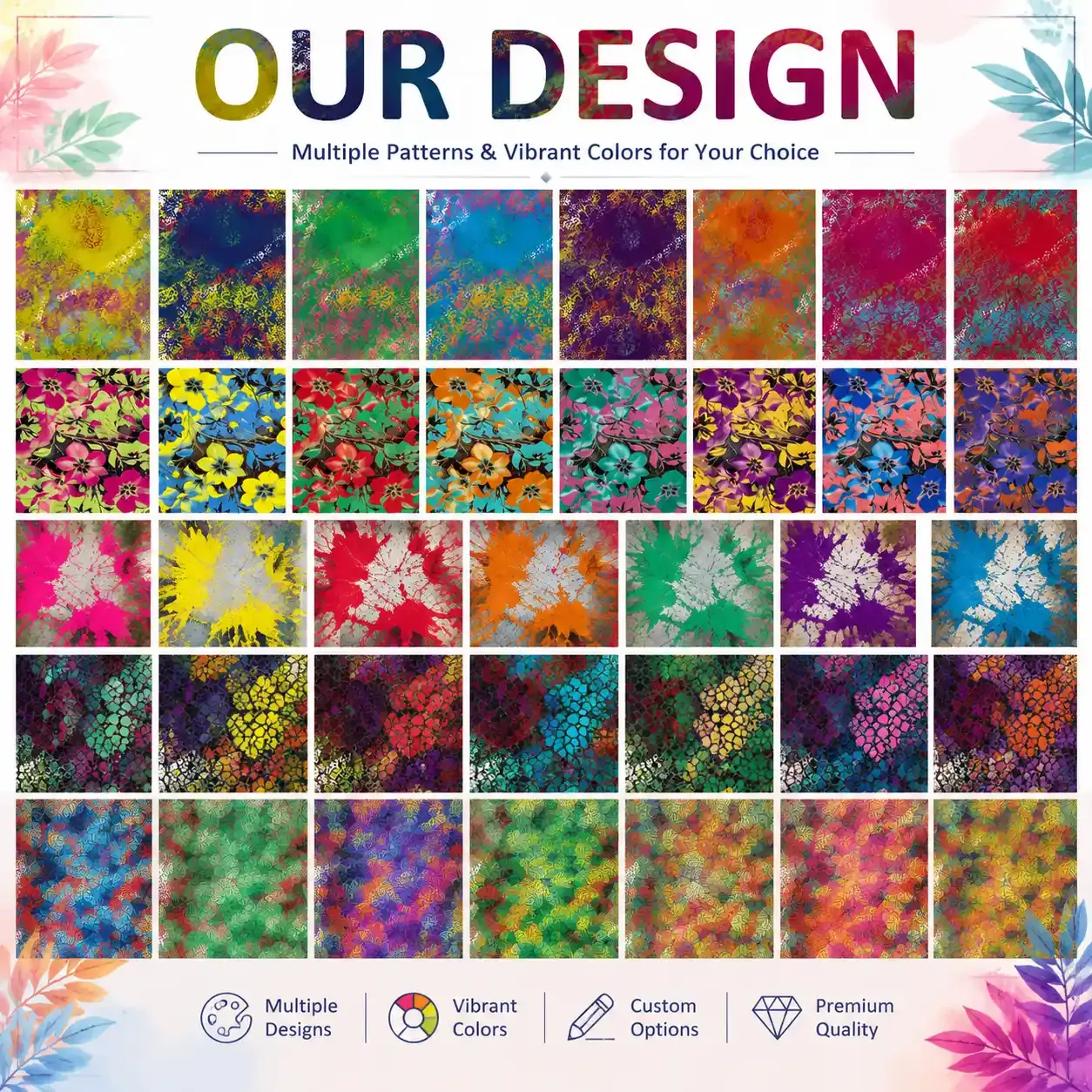
Custom development is not automatically the better choice. It can be unsuitable for a buyer who needs immediate replenishment, has no artwork approval owner, or cannot maintain a version record. If the collection is still exploratory, start with a ready-design shortlist and move to custom work only after the buyer knows which customer problem the new product must solve.
Build one RFQ for the route you actually want
A supplier can quote more accurately when the RFQ describes one sourcing route at a time. Combining a ready-design request, a fabric request and a custom-development request in one paragraph makes the response difficult to compare and increases the chance that an assumption will be missed. Use separate sections or separate line items, even when the same supplier is being evaluated.
1. State the sourcing route: ready design, fabric-oriented supply, or custom development.
2. Name the target channel and customer use, such as everyday retail, occasion wear, distribution, or private label.
3. Identify the exact product reference or attach the artwork, color reference and design file.
4. Define the material, finished format, size and packaging fields that must be confirmed.
5. List the sample format, approval owner and records that will control bulk production.
6. Ask the supplier to separate confirmed facts from items that depend on sampling or order review.
For a private-label request, Jinlai Textile's OEM and ODM service is the relevant place to continue the conversation after the initial product route has been selected. The brief should carry the same product identity from the first sample through the label and packaging review. Do not let a design reference, a product photo and a packaging file become three unconnected versions of the order.
Compare the routes by risk, not only by convenience
Buyer question | Ready design | Fabric-oriented supply | Custom development |
What can change after selection? | Usually limited to agreed options | Depends on the confirmed material and format | Design and product fields may change during approval |
Main risk | The design does not fit the channel | Downstream work changes the final result | Version drift or unapproved assumptions |
Best control record | Product reference and approved sample | Material specification and finishing brief | Artwork, color, sample and packaging approval set |
Buyer next action | Request samples and a comparable quote | Confirm the handoff and technical fields | Submit a complete development brief |
A route should be judged by the work it moves to the buyer. Ready designs reduce development work but require sharper selection. Fabric-oriented supply increases downstream responsibility. Custom development creates more control but needs disciplined approvals. The right choice is the one your team can document, review and repeat.
Keep the commercial next step specific
When the sourcing route is clear, the next step is a product-specific enquiry rather than a general request for a catalogue. State the route, target customer, product reference or design brief, sample requirement and any label or packaging question. The Jinlai Textile's contact path can be used to send those details for a focused response; commercial terms remain subject to confirmation for the selected product and order.
Conclusion
Sudanese Toub wholesale sourcing should begin with the supply format. Ready designs suit buyers testing an assortment or replenishing known styles. Fabric-oriented supply suits teams that own the downstream finishing or merchandising work. Custom development suits private-label buyers whose colors, patterns, labels or packaging are part of the product value.
Separate the routes in the RFQ, approve the evidence that belongs to each route, and confirm product-specific details before bulk production. If you are preparing a Sudanese Toub wholesale project, send Jinlai Textile the route you want, the product or design reference, the target market and the sampling requirements through the contact path above.
Frequently Asked Questions
Is ready-design Sudanese Toub better than custom development for a first order?
Not automatically. Ready designs are often easier for an initial market test because the buyer can start from an existing product reference. Custom development becomes more useful when the brand already knows its color, pattern, label or packaging requirements. The decision should follow the buyer's approval capacity and commercial objective.
Can a buyer combine ready designs and custom Sudanese Toub in one collection?
Yes, but keep the routes as separate line items. Use a product reference for ready designs and a development brief for custom items. Each route should have its own material, size, color, label, packaging and sample approval record so the quotation and production reference remain clear.
What should I send a Sudanese Toub supplier before asking for a quote?
Send the sourcing route, target market, intended retail use, product reference or artwork, material preference, size, color direction, label and packaging needs, sample format and requested commercial terms. Ask the supplier to mark which details are confirmed and which depend on sampling.
When is fabric-oriented supply unsuitable?
It can be unsuitable when the buyer has no reliable downstream finishing or tailoring process, cannot inspect the final result, or needs a ready-to-sell product quickly. In those cases, a ready-design product route may reduce coordination risk, subject to product-specific confirmation.