Activewear Comfort vs. Everyday Style: What Defines the Best Hijab Materials for 2026?
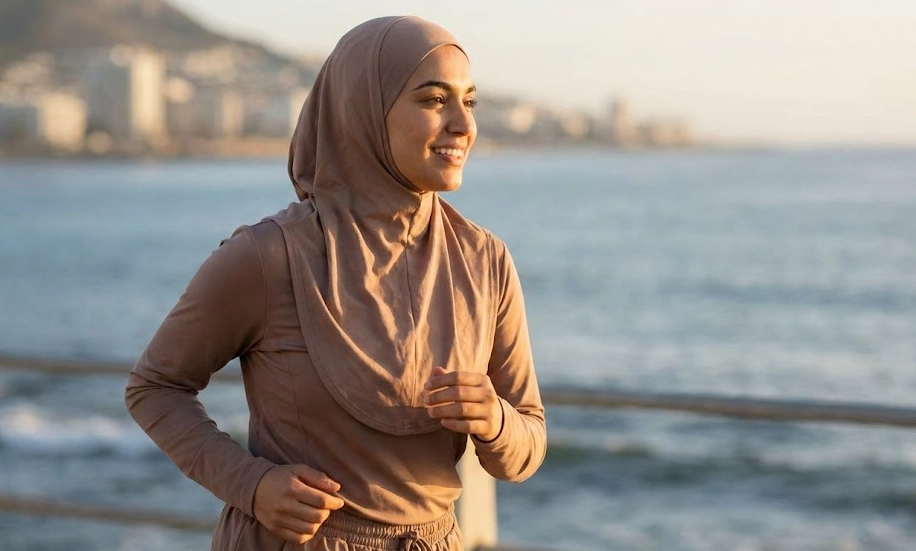
The world of fashion is changing quickly. Athleisure is not just a fad limited to workouts anymore. It has changed the way women pick their daily clothes in a big way. This change shows up clearly in the area of modest fashion. There, the need for practical, cozy, and airy head coverings has grown a lot. We live in an age when today's woman does not want to choose between the strong usefulness of sporty clothes and the grace needed for work or social events.
As a leader in this field, Jinlai Textile has seen these shifts coming. We have adjusted our large-scale production abilities, which reach up to 50 million meters each year, to fit this mixed market. We do more than just make things. We act as a helper to brands around the globe, giving solid know-how in tailoring options. From keeping a close watch on quality in our own workshops to offering smart help with marketing, our goal is to give brands materials that fit tomorrow's needs. No matter if you want basic patterns or special designs, our focus on "quality first, customer first" makes sure your line gets noticed. To learn more about our work history and skills, check out our about us page.
Still, getting through this fresh scene takes more than excitement. It takes real understanding. The hijab trend 2026 goes beyond just seeming sporty. It centers on "active comfort," which means a feeling of relaxation that holds up from a morning trip to work to an evening meetup. This leads us to a key question in the fabric business: How can we match the tough needs of sports gear with the beauty wants of top style?
Material Showdown: Performance Synthetics vs. Breathable Polyester Voile
Defining the Competitors in the Market
To build the right set of items, you need to tell apart the two main players in today's market first. One group includes special sporty fake materials. These often have a lot of spandex or nylon and are made just for handling sweat during hard exercise. They look smooth and bendy, but they usually miss the feel and flow needed for a smart, daily outfit. They might seem slick and, in a funny way, weigh you down after long use.
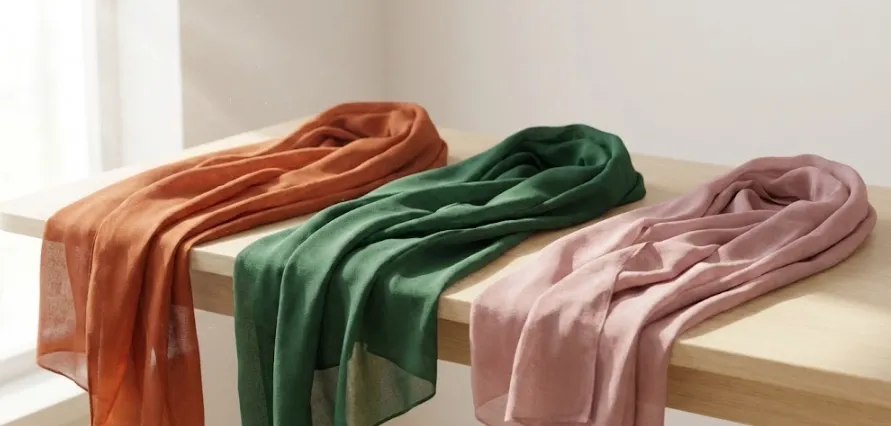
The other group features the improved old favorite: good polyester voile. This stuff stays popular for good reasons. Unlike the thick build of pure workout fabrics, polyester voile gives a "light, soft, and breathable" setup. It brings a gentle and see-through touch that lets air move freely. That is the basis of ease for any clothing piece worn on the head and neck for many hours.
Why Polyester Voile Wins for "Everyday Active"
As we look ahead to hijab materials 2026, we notice a shift from the too-fake "swimsuit" style to materials that give natural cooling. The way we measure performance is updating. It is not only about how quickly a fabric dries after a fast run now. It is about how the fabric sits after a full day in a cool office or a sticky outdoor spot.
We think real ease comes from letting air pass through. While sport fabrics hold in warmth to pull away wetness, a better polyester voile lets warmth get out on its own. This material fits Muslim women's scarves well because it fills the space between. It lasts through daily actions, which we call "everyday active," but it keeps the smooth, silky feel that marks high-end items. It does not stick annoyingly. Instead, it falls nicely, making a shape that stays proper and fresh.
The Tech Behind the Texture: Shuttle Looms vs. Air-Jet Looms
The Importance of Weaving Technology
For someone running a brand or buying in bulk, knowing the threads is just part of the job. A skilled scarf supplier understands that the way the fabric is woven shapes its main traits. The tools used to make the fabric determine its weight, strength, and touch. As we think about the coming supply world, spotting the differences in making methods matters a lot for picking the best start for your goods.
The Difference in Production
We use various tools to get different outcomes, and spotting these small details helps in smart buying choices.
Shuttle Looms (The Traditionalist): This way shows the old roots of weaving. Fabrics from shuttle looms tend to be thicker and woven more tightly. The good side is solid build. The fabric does not catch or tear easily since the strings sit close. But this thickness has a downside. The fabric feels more rigid, missing the smooth flow that new styles often need. It works great for practical use, but it might not fit the loose look expected for 2026.
Air-Jet Looms (The Modern Choice): On the other hand, the air-jet loom stands at the top of new fabric making. This device sends the side threads over the main ones with strong air blasts. This step makes a "more open, lighter fabric" with a much smoother feel. The polyester voile that comes out has better flow, dropping softly on the person's body. Though the looser weave needs gentle care to stop catching, the gain is clear grace. For the hijab trend 2026, which likes easy motion and light stacking, what air-jet looms produce takes the lead. It copies the ease of sport clothes without the fake glow.
Visual Impact: Plain Functionality vs. Custom Printed Expression
Moving Beyond Monochrome
A weak point in usual sporty hijabs is their plain look in colors. They often come in simple, solid shades like black, navy, or grey. They work well, but they lack character. The buyer in 2026 wants extra. They seek the usefulness of a light material plus the eye-catching style of fancy fashion. This is where a printed scarf supply plays a big role.
The Power of Customization
To grab the market for real, brands need to give options. We see a rising want for "Custom exclusive fabric" where the design is not just added on but shapes the brand's image. Our making lines handle this change, providing colored scarves, printed ones, and even those with stitching. The chance to adjust color, design, material, or look lets a brand set styles instead of chasing them.
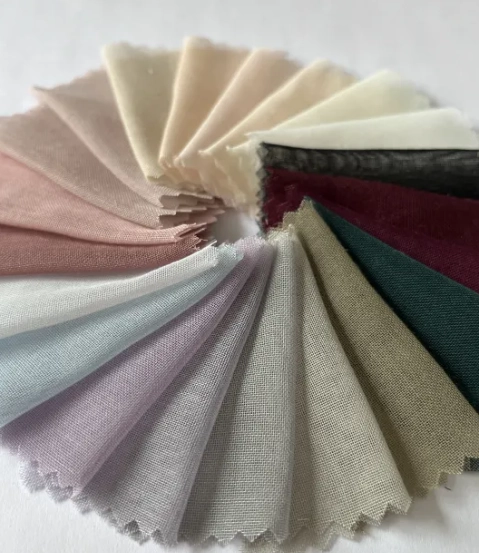
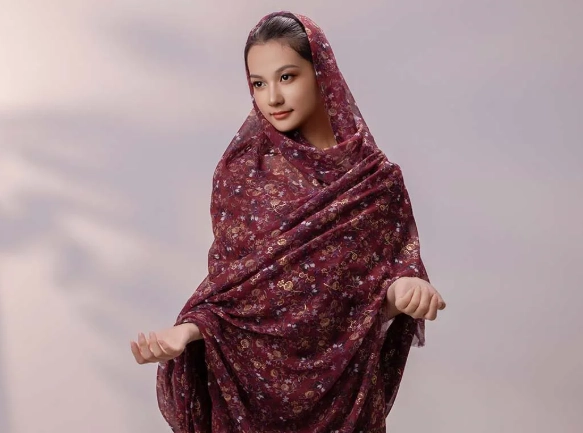
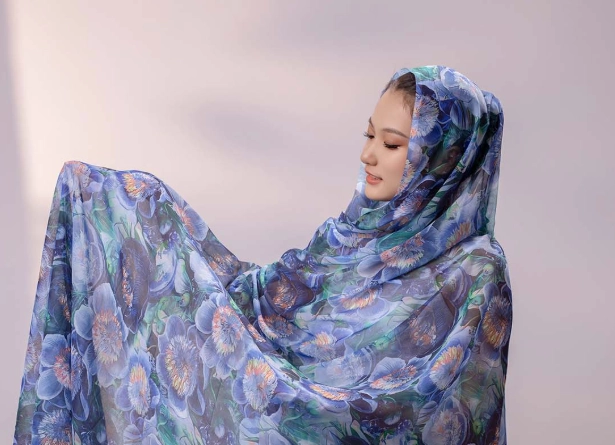
For example, putting a digital print on a solid polyester voile base makes an item that feels like a breeze but appears like artwork. It keeps all the air-moving perks we talked about before while meeting the sight needs of today's buyer. Brands using these options can make special, limited runs or theme sets for seasons that plain sport lines cannot beat. If you aim to build a key line mixing this "active" touch with "couture" sights, looking into Custom exclusive fabric makes sense next.
Selecting a Scarf Supplier for the Future Market
Supply Chain as a Strategy
In a time when styles turn over faster than before, your supply line is your main support. For 2026, what makes a solid supplier has grown. It goes past just cost now. It covers quickness, size, and trust. Making up to 50 million meters of voile grey fabric each year gives a level of work that keeps your supply full even in busy times.
Quality Control and Expertise
We stick to tough checks on quality that lead the field. This means our own workshops focus only on checking the grey fabric before it goes to coloring or printing, then another check for the finished scarves. This two-step way gives high amounts with few mistakes, cutting costs for those we work with.
On top of that, we give professional advice on tech matters. We do not just fill requests. We share ideas on making processes better and using fresh materials. Our group does studies on the market to catch styles and buyer likes, passing this info to clients to boost their brand awareness. Smart handling of the supply chain, from getting raw stuff to planning, making, storing, and shipping, is what turns a seller into a true teammate.
Conclusion
The choice between sporty ease and daily grace does not need to mean giving up something. The path forward for hijab materials 2026 is in a mixed way: materials that use the air flow and softness of better polyester voile, made on new air-jet looms for light flow, and ended with special prints that show personal taste.
We ask fashion brands and bulk buyers to go past basic choices. Whether you need the lasting power of old weaves or the fresh class of air-jet materials, the point is to pick a making partner with the tools, the size, and the know-how to give both.
FAQ
Q: What is the minimum lead time for a custom-printed scarf order?
A: Our efficient supply chain management allows us to optimize production planning. While specific lead times depend on the complexity of the design and order volume, our massive annual capacity of 50 million meters ensures we can meet tight deadlines better than most competitors. We recommend contacting our team with your specific design needs for an accurate timeline.
Q: Can you produce fabrics that mimic the stretch of activewear but keep the breathability of voile?
A: We specialize in various scarf production processes. While traditional polyester voile is known for its drape rather than high stretch, we can adjust weaving techniques and material blends to enhance comfort and flexibility ("active comfort") without sacrificing the breathable, lightweight nature that makes voile superior for all-day wear.
Q: Do you offer design services if we do not have our own patterns?
A: Yes, we provide personalized customization services. Whether it is color, pattern, or style, we can assist. We have deep experience in market demand and can help develop customized products that align with current trends, ensuring your collection is both unique and commercially viable.