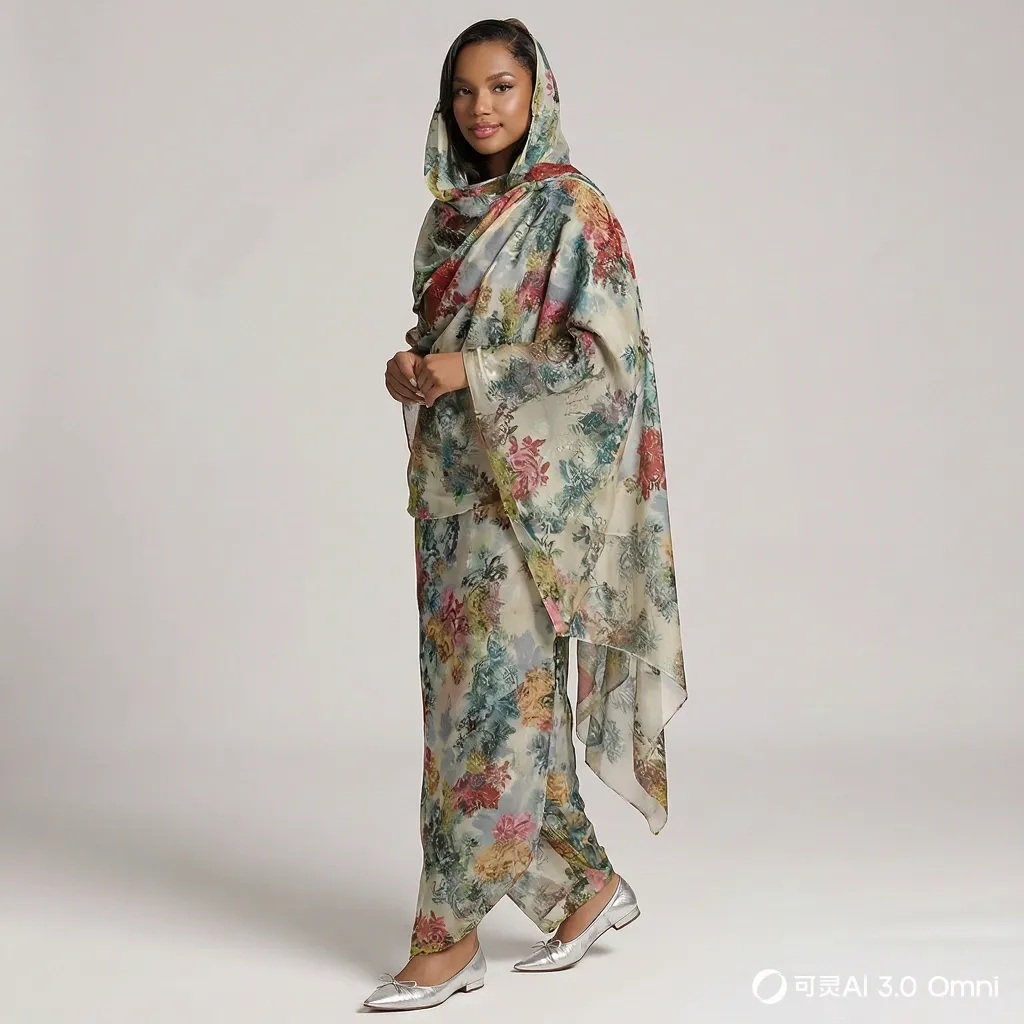
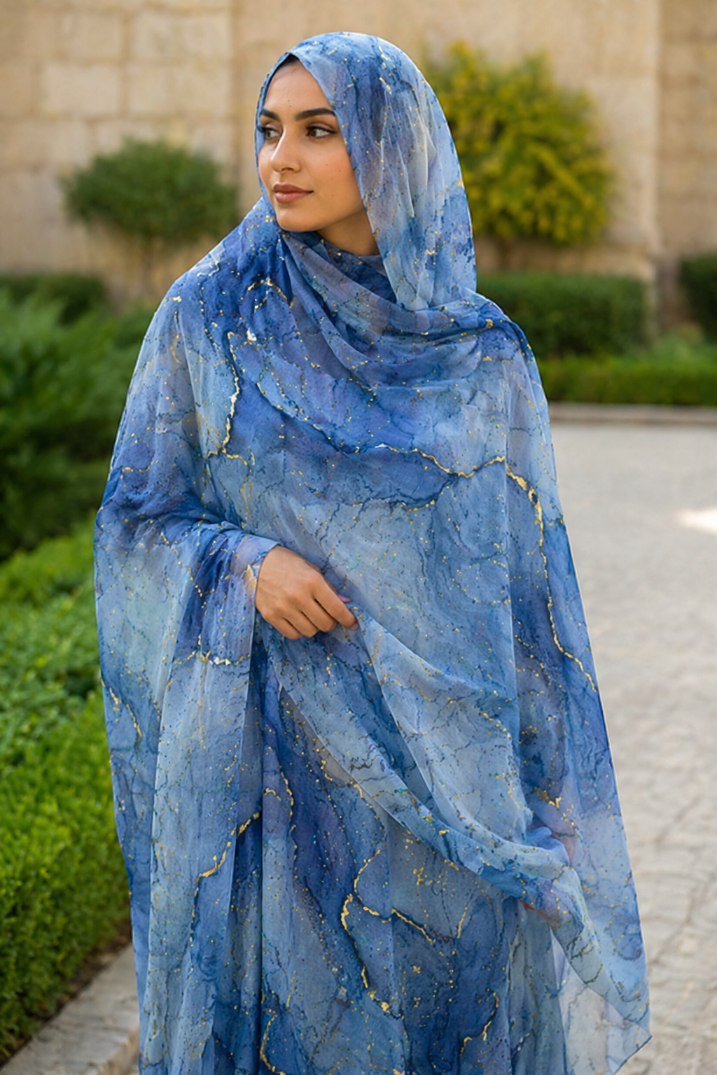
Bulk Sudanese Toub Fabric MOQ Guide for Importers 2026
Sudanese Toub fabric continues to be a key product for importers and wholesalers in 2026. Proper planning around minimum order quantity (MOQ) affects profitability, supply chain reliability, and inventory efficiency. Managing MOQ effectively helps reduce excess stock, minimize production waste, and ensure timely delivery during peak seasons such as Ramadan or Eid.
In 2026, the stakes are different than they were a few years ago. Inventory planning, freight costs, and even currency fluctuations influence how a bulk toub fabric order gets priced and delivered. A clear sense of MOQ and how it affects a purchasing plan can make the difference between a smooth season and a stack of returns sitting in a warehouse.
Most buyers focus on price per meter at first glance. That makes sense because price tags are easy to compare. But there is more beneath the surface. MOQ connects unit cost, production time, quality checks, and even freight planning.
Key MOQ Considerations for Bulk Sudanese Toub Fabric Orders
MOQ Basics for Bulk Fabric Orders
MOQ refers to the minimum quantity a supplier accepts at a given price point. For Sudanese Toub fabric, typical MOQ ranges depend on fabric type, finishing processes, and production capacity.
Suppliers such as Jinlai Textile, with in-house cotton voile production and OEM/ODM capabilities, can guide importers to achieve optimal order quantities while maintaining consistent shade and quality for bulk Sudanese Toub fabric. Basic plain voile often carries a lower MOQ, while specialty prints, embroidery, or gold-stamped variants require higher thresholds.
Beyond price, MOQ has other effects. It influences lead time. Fewer meters may move faster through production. Larger lots, though less expensive per meter, may get squeezed into longer production windows, especially when multiple dye lots or special finishes are involved.
Factors Affecting MOQ
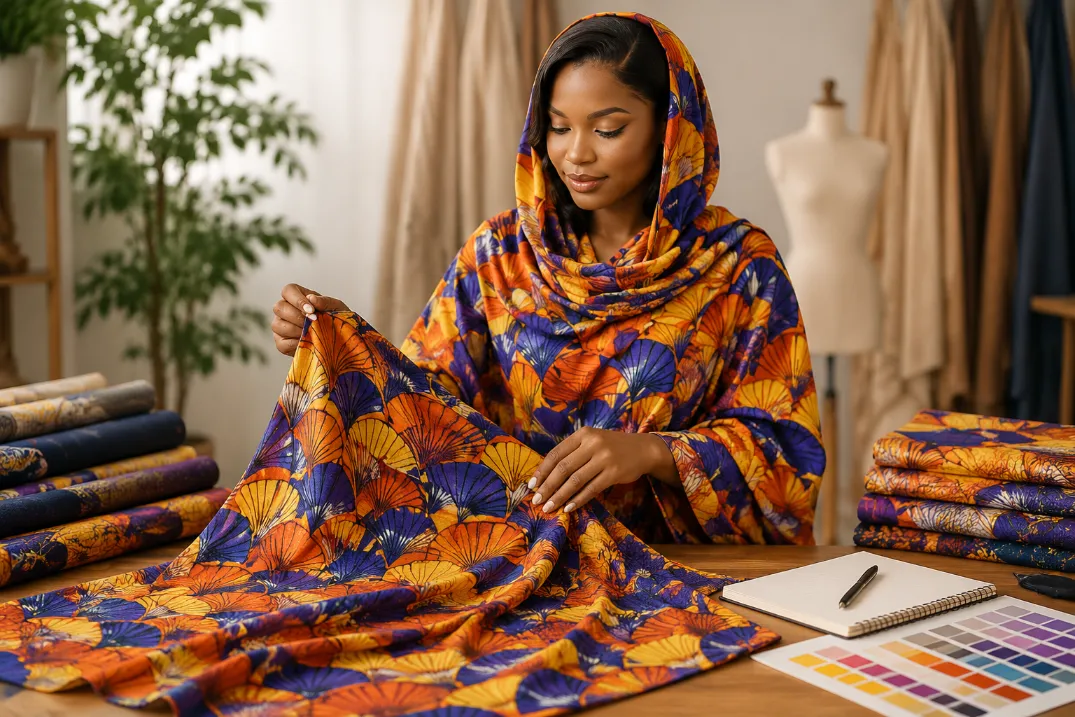
MOQ isn’t arbitrary. The first is fabric complexity. A plain cotton voile roll without special finishing is easier for a factory to weave and ship than one with detailed embroidery or gold stamping. More steps in production mean higher setup costs, and suppliers often offset this with a larger MOQ.
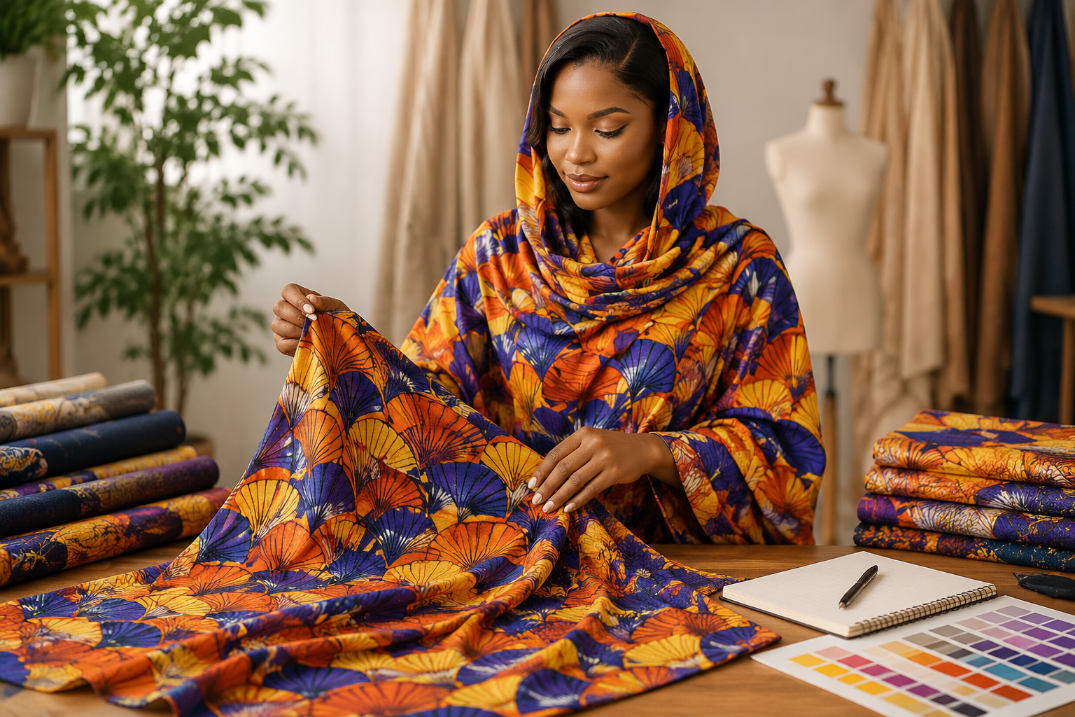
Another driver is batch planning. Dye lots matter when consistency is key. A larger batch size helps a manufacturer maintain color consistency from roll to roll. For a sudanese toub order, this matters to wholesalers who display multiple pieces side by side. Seeing a few pieces with slightly different shades on the wall of a boutique doesn’t inspire confidence.
Other factors include seasonal demand, shipping logistics, and even warehouse space. Markets that stock up ahead of Ramadan or Eid may accept higher MOQs to lock in supply. Conversely, importers testing a new design may negotiate lower quantities to avoid tying up cash in stock.
Industry Benchmarks and Typical MOQ Ranges
Standard B2B MOQ
What counts as a “standard” MOQ for toub fabric? Experience in various markets suggests patterns, even if they aren’t rules. Basic plain or solid-color voile often starts around 500–1000 meters per order. When prints enter the picture, expect suppliers to ask for 1000–2000 meters. If gold stamping or specialty effects are involved, MOQs can stretch to 3000 meters or more.
These numbers come not from a rulebook, but from production realities. Loom time has to be scheduled. Dye lots have to match. And shipping containers don’t fill themselves.
Custom Order Considerations
When customization enters the scene, MOQ often rises. That is especially true for OEM/ODM work where a supplier produces unique designs under a buyer’s private label. In these cases, setup for screen layouts, repeat patterns, or bespoke colorways is a real cost. Some suppliers will invite buyers to share a forecast, then use that forecast to adjust MOQ plans.
Pricing and Cost Implications of MOQ
Unit Cost vs Order Size
A simple pattern holds across most textile categories: the more that gets ordered at once, the cheaper each unit becomes. That’s what makes MOQ discussions so central to bulk buyers. At lower order sizes, the supplier bears more unit risk — every meter is a smaller part of the total. As order size grows, that risk spreads out, and the supplier can afford to quote a lower per-meter price.
This is also why some importers stick to sampling orders first. Seeing a 10–20 meter run, complete with wash tests and color checks, gives confidence. But it rarely gets the best per-meter cost.
Cost Management Strategies
A practical cost management strategy is to split seasonal orders into waves. Placing an initial MOQ allows sample validation, retail response tracking, and ensures color and quality consistency. A second wave can then follow to optimize cash flow and reduce overstock. This approach also reduces material waste and supports more sustainable sourcing practices. Suppliers like Jinlai Textile assist buyers in coordinating batch planning, staggered delivery, and export-ready packing to ensure smooth bulk Sudanese Toub fabric orders. This kind of strategy rests on good communication with suppliers — something Jinlai Textile works closely on with its B2B clients.
Sample approvals also play into cost. Getting GSM, shade, shrinkage, and color fastness checked early helps avoid costly remakes later. A little time up front saves a far bigger expense down the line.
Quality Assurance and Risk Management
QC Checks Before Bulk Commitment
Bulk is where the stakes go up. In a small sample, a slight variance might go unnoticed. But in a shipment of thousands of meters, that variance becomes a headline complaint.
Key quality checks include:
· GSM and weight uniformity
· Shade consistency across dye lots
· Shrinkage after wash trials
· Hand feel, drape, and surface quality
· Rubbing color fastness
These checks happen best before a bulk order is finalized. Samples should come with clear photos and measurement notes. Technical QC reports help buyers speak the same language as manufacturers.
Supplier Communication
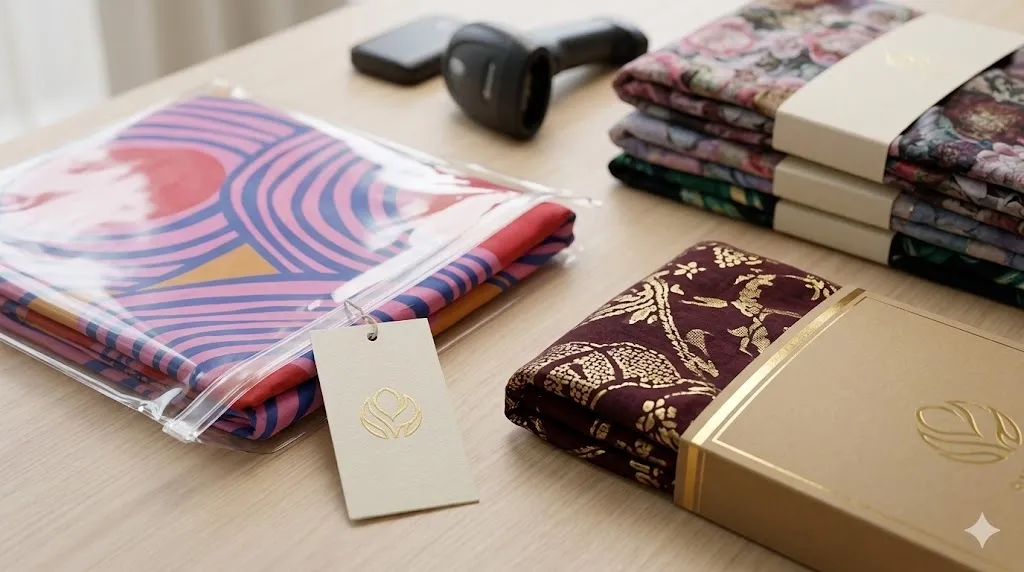
Talking through quality checkpoints with a supplier early sets expectations. For instance, clarifying that packing must include roll tags with shade codes and batch numbers reduces confusion later. When OEM/ODM customization is involved, it also pays to lock in details like fabric width, finishing method, and print placement before production starts.
Negotiating MOQ with Suppliers
Techniques for B2B Buyers
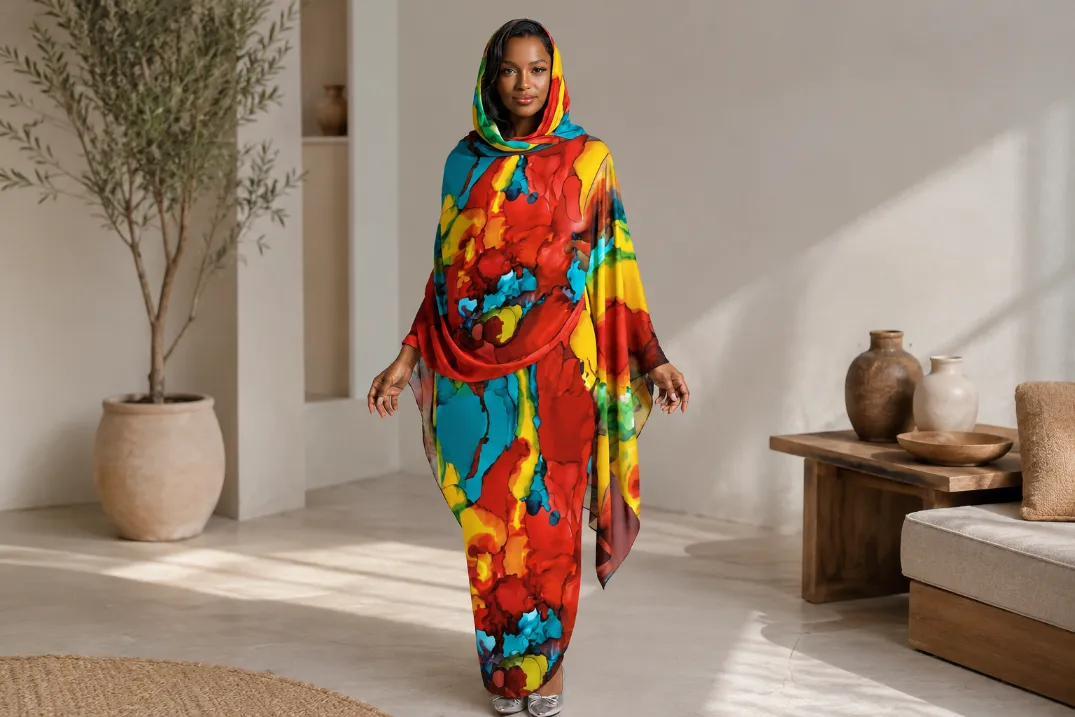
One method is forecast-backed negotiation — where a buyer presents a quarterly plan and asks for a lower MOQ in return for a purchase commitment. Another is combined SKU orders, where multiple colorways of one design get batched together to meet MOQ thresholds.
Repeat order agreements also help. A supplier may be more willing to accept a smaller initial order if there’s a firm plan for subsequent orders.
Aligning MOQ with Production Capacity
Manufacturers often plan in batches defined by loom capacity and dye lot sizes. Understanding this, buyers can choose points in the production calendar that make smaller MOQs more feasible. For example, if a supplier has a gap in dyeing schedules, it can be a window to place a lower MOQ order without disrupting its workflow.
Jinlai Textile Support for MOQ and Bulk Orders
OEM/ODM Capabilities
Jinlai Textile has years of experience working with importers and wholesalers on MOQ issues. That experience shows up in sample handling, print development, shade matching, and bulk scheduling.
End-to-End Bulk Order Support
From initial sample confirmation through final packing, Jinlai Textile’s process covers a lot of ground. Ready-made shade cards help with batch shade decisions. Surface quality inspections reduce surface defects. Export-ready packing planning anticipates freight needs and minimizes handling damage.
Conclusion
MOQ matters far beyond a number. For importers and wholesalers of sudanese toub, it affects pricing, quality risk, and the ability to meet demand in competitive markets. Good MOQ planning includes solid samples, clear QC checkpoints, and strong supplier communication. It’s not enough to look at price per meter — the full order picture makes the difference in profitability.
Choosing the right supplier plays a big role too. Jinlai Textile brings broad experience with bulk orders and MOQ strategies that align with real market pressures. For buyers needing support on MOQ discussions, sample preparation, and bulk order planning for 2026, reaching out to Jinlai Textile for tailored guidance makes solid business sense.
FAQ
Q1: What is the typical MOQ for Sudanese Toub fabric wholesale?
A: MOQ usually ranges from 500 to 3,000 meters depending on fabric type, finishing, and customization.
Q2: How can importers reduce risk in bulk Sudanese Toub orders?
A: Approve samples for GSM, color consistency, shrinkage, and surface quality; communicate QC expectations early.
Q3: Can Jinlai Textile support custom Sudanese Toub fabric orders?
A: Yes, they provide OEM/ODM services including custom prints, shade cards, and batch planning for bulk orders.
Q4: Does a higher MOQ always mean a lower unit price?
A: Usually yes, but fabric type, finishing, dye lot, and delivery schedule also affect final pricing.
Q5: What support does Jinlai Textile offer for bulk orders?
A: Services include sample confirmation, shade cards, surface inspections, batch planning, OEM/ODM customization, and export-ready packing.