Cambric vs. Cotton Voile: Which Fabric Is Better for Hijabs and Headscarves?
In modest fashion, picking the right material for a hijab matters a lot. It’s not just about looks. Comfort, airflow, and daily wear matter too. Muslim women need scarves that feel good and suit their style. Among many choices, cambric and cotton voile shine as top picks for headscarves.
Key Factors That Influence Hijab Fabric Selection
Choosing a hijab fabric means thinking about weight, flow, breathability, care, and weather fit. These affect how the scarf looks and feels all day. Let’s dive in.
Material Composition and Fiber Content
Knowing what each fabric is made of helps judge its use for hijabs.
Cambric: Characteristics of Its Cotton-Based Structure
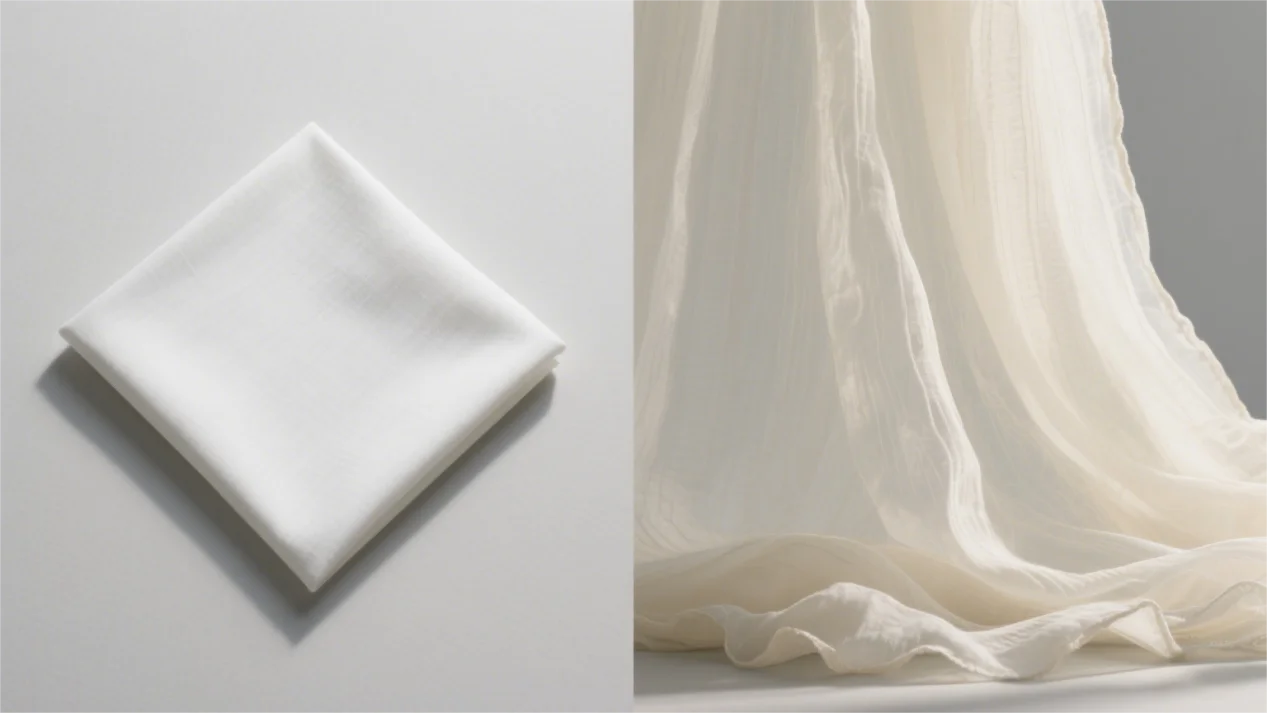
Cambric is a tightly woven cotton cloth. It’s smooth and medium-weight. Often pure cotton or mixed with polyester, it stays crisp. This makes it great for structured hijab styles. It holds shape well.
Cotton Voile: Natural Fibers and Blended Variants
Cotton voile comes from fine cotton threads, combed and twisted for softness. It’s woven into a light, slightly see-through cloth. It feels silky. Sometimes blended with polyester, it stays durable yet airy.
Weaving Techniques and Fabric Density
How a fabric is woven changes how it works as a hijab.
The Tight, Smooth Weave of Cambric
Cambric’s plain weave packs threads close. This creates a smooth, dense surface. It’s semi-opaque, perfect for formal or layered hijab looks. Its structure adds polish.
The Lightweight, Airy Weave of Cotton Voile
Cotton voile is super light. Its open weave lets air flow freely while keeping coverage. This makes it ideal for hot weather. Breathability is key.
Texture, Appearance, and Drape
Looks and feel shape how a hijab flatters the wearer.
Surface Finish and Visual Appeal of Cambric
Cambric shines with a sleek, slightly glossy look. It comes from a special finishing process. Its crisp texture holds sharp folds. This suits defined hijab styles. It’s eye-catching.
Softness, Transparency, and Flow of Voile
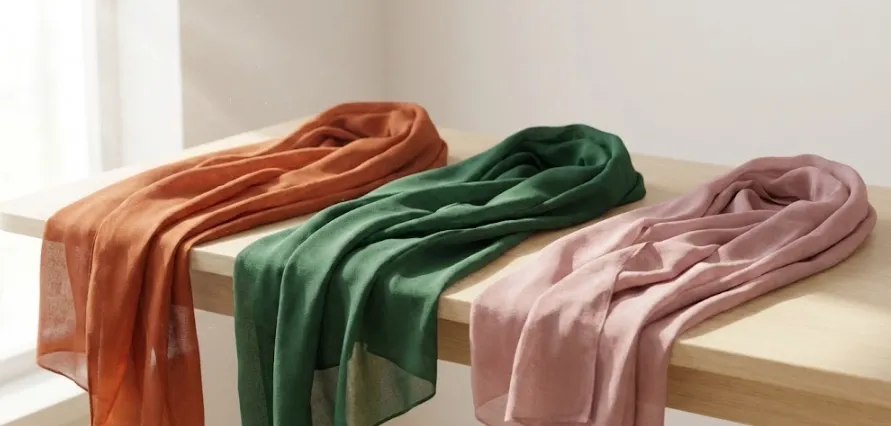
Voile feels incredibly soft. It drapes beautifully, flowing with ease. Slightly sheer, it’s great for layering without bulk. Modern modest fashion lovers adore its grace.
Breathability and Comfort in Daily Wear
A good hijab needs to breathe and feel gentle all day.
How Cambric Performs in Different Climates
Cambric’s cotton base offers decent airflow. But its tighter weave suits cooler weather or indoor settings best. It’s less ideal for scorching days.
Why Voile Is Favored for Lightweight Head Coverings
Cotton voile excels in heat. Its airy weave keeps you cool. That’s why it’s a go-to for summer hijabs, especially in tropical areas. Comfort is unbeatable.
Durability and Maintenance Needs
A fabric’s strength and care routine affect how long it lasts.
Longevity and Care Requirements for Cambric Hijabs
Cambric’s dense weave resists wear well. It’s sturdy. But it wrinkles easily. You might need to iron it after washing to keep it neat.
Ease of Handling and Washing Cotton Voile Scarves
Cotton voile is simple to care for. Wash it gently at low temperatures. Its open weave needs careful handling to avoid fraying edges. Still, it’s user-friendly.
Dyeing Processes and Color Retention
Bright colors that last depend on how dye sticks to the fabric.
Dyeing Methods Commonly Used on Cambric Fabrics
Cambric’s tight weave soaks up dye evenly. Special dyeing methods create bold, lasting colors. With good care, it stays vibrant wash after wash.
Dye Compatibility with Cotton Voile
Cotton voile loves certain dyes that bond tightly with its fibers. This keeps colors vivid. Modern dyeing tech ensures the hues don’t fade fast. Quality matters.
Printing Techniques and Ink Performance
Clear prints depend on how ink works with the fabric’s texture.
Print Clarity on the Dense Surface of Cambric
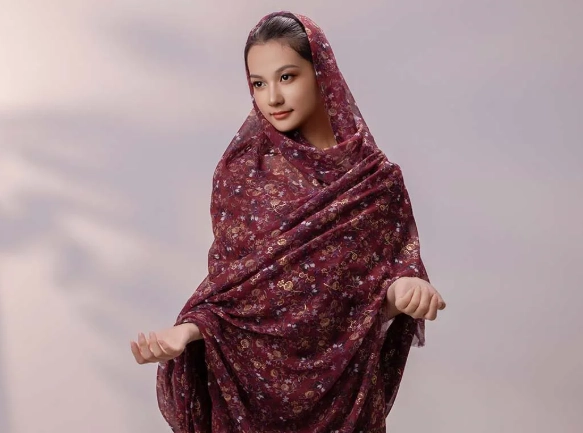
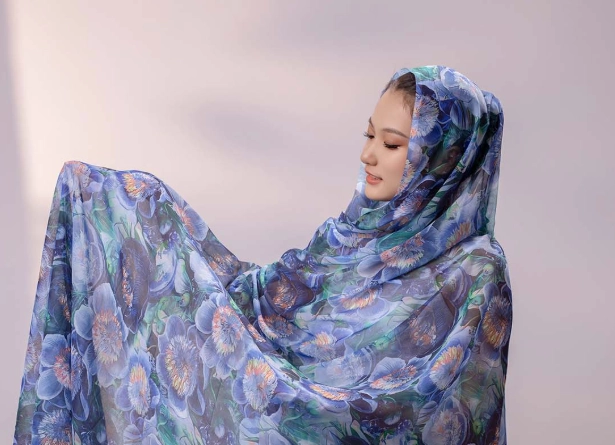
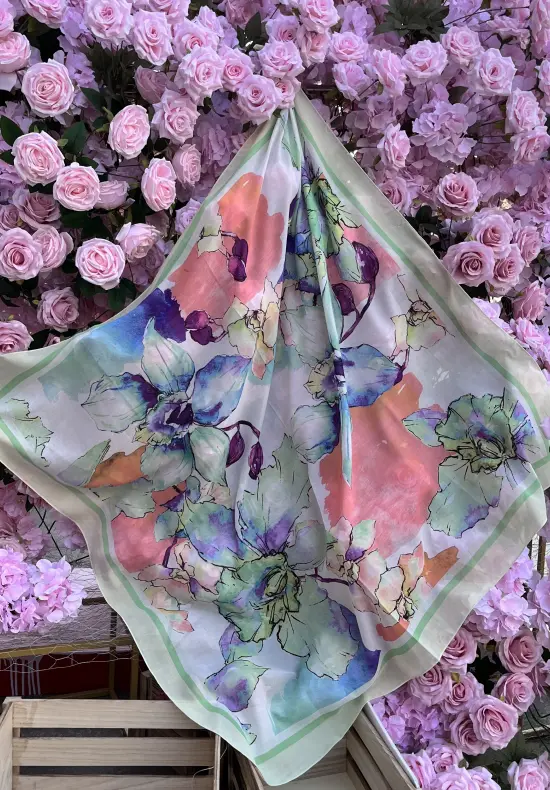
Cambric’s smooth surface is perfect for detailed designs like flowers or patterns. Ink stays sharp, with clean edges. It looks crisp and defined.
Printing on the Sheer Texture of Voile
Voile’s slight transparency softens prints, creating a dreamy effect. Layer it over solid colors for beauty. Precise designs need advanced printing to avoid blurriness. It’s still stunning.
Environmental Impact and Sustainability Considerations
Eco-minded folks care about how fabrics affect the planet.
Eco-Friendliness of Cambric Production
Making cambric can use lots of resources, especially for finishing steps like bleaching. But pure cotton cambric breaks down naturally. Blends with synthetics? Less eco-friendly.
Sustainability Profile of Cotton Voile
Cotton voile shines when made with organic or recycled threads. Low-impact dyes cut environmental harm while keeping colors bright. Green choices make a difference.
Practical Applications in Hijab Design
The right fabric depends on style, season, or occasion.
When to Choose Cambric for Headscarves
Cambric’s firmness is great for formal looks or turban styles. It holds volume well. Plus, it suits cooler fall or winter days. Structure is its strength.
When to Opt for Cotton Voile Hijabs
Voile is perfect for hot days. Its breathability makes daily wear a breeze. Flowy styles, like waterfall wraps, look magical in voile. It’s a casual favorite.
Price Comparison and Market Accessibility
Cost matters, especially for bulk buyers or retail lines.
Cost Factors Affecting Cambric Pricing
Cambric’s higher thread count and extra finishing steps make it pricier. It often sits in mid-to-high price ranges. Quality drives the cost.
Affordability Range for Cotton Voile Hijabs
Cotton voile is often budget-friendly. Some suppliers offer top-notch voile at lower prices. This makes it great for brands building collections or stocking up.
Jinlai Textile: A Wholesale Supplier for Hijab Fabrics
Jinlai focuses on quality materials for Muslim women’s headscarves. Their motto? “Quality first, customer first.”
Expertise in Premium Cotton Voile Manufacturing
They produce millions of meters of cotton and polyester voile yearly. Their output is consistent. Quality stays high.
Customized Solutions for Global Hijab Brands
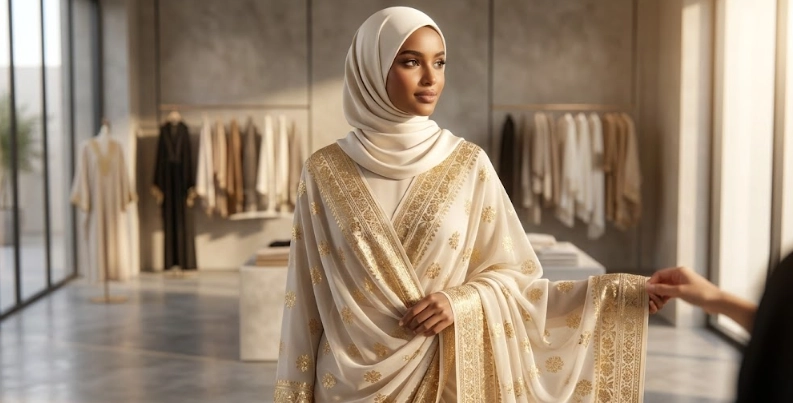
They offer tailored designs, from embroidery to printed patterns. Their work blends modern tech with cultural respect. Brands worldwide trust them.
Summary of Key Differences
· Cambric gives structure and durability. It holds prints sharply but isn’t as breathable. Great for formal wear or cooler seasons.
· Cotton Voile is soft and airy. It flows beautifully, perfect for casual summer hijabs that need lightness.
FAQs
Q1: What makes cotton voile ideal for summer hijabs?
A: Voile’s light, open weave lets air flow freely while covering modestly. It keeps you cool in heat. Comfort is its superpower.
Q2: Is cambric too heavy or stiff for headscarves?
A: Cambric’s denser than some fabrics but not too heavy. It’s great for structured looks, especially in cooler months. Flowy styles? Not its thing.
Q3: Can both fabrics be printed with custom designs?
A: Absolutely. Cambric’s tight weave takes detailed prints well. Voile’s sheer texture needs advanced printing for clarity. Both can look vibrant with the right dyes.