Can a Non-Muslim Woman Wear a Hijab? An Exploration of Fashion, Faith, and Respect
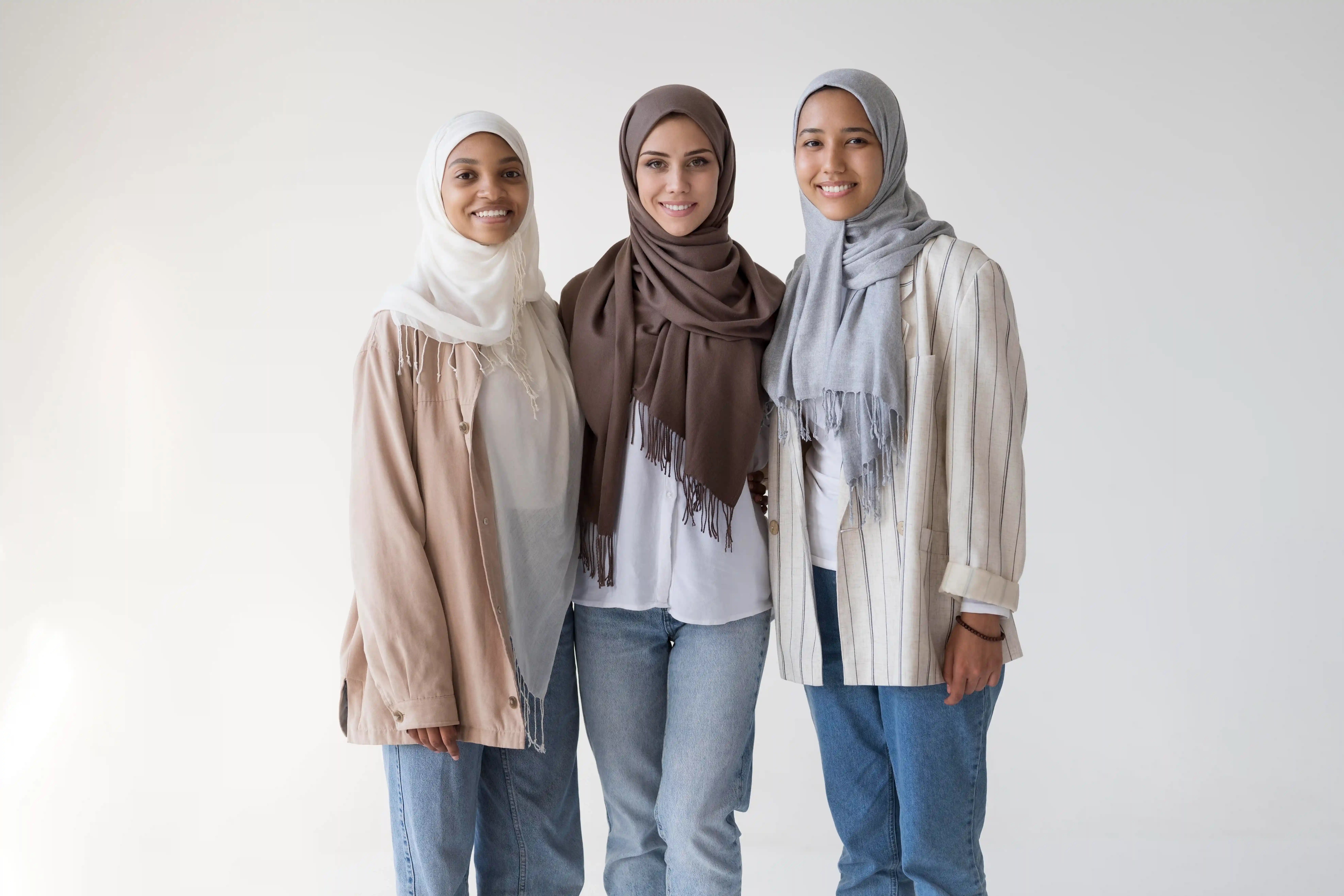
The world today mixes cultures in interesting ways. Fashion, faith, and respect often interact. People try out styles from other traditions, which brings up questions about what’s okay. Can a non-Muslim woman wear a hijab? That’s a big one.
This matters a lot. It’s about honoring beliefs, figuring out what’s appreciation versus appropriation, and enjoying global fashion. Knowing what the hijab means,and when it’s worn helps build friendliness and togetherness. Let’s get into it!
The Religious and Cultural Significance of the Hijab
Why does wearing a hijab feel so important? Let’s check out its roots and see how other faiths do similar things.
The Role of the Hijab in Islam
In Islam, the hijab is about being modest, keeping private, and moral conduct. It’s a choice tied to faith. Many Muslim women wear it to show their commitment to their beliefs. It’s also a way to feel like themselves. Islamic teachings push for simple clothes to show what’s in your heart. It’s special and strong.
Modesty and Head Coverings in Other Religions
Head coverings aren’t only for Muslims. Lots of faiths have them too, each with its own style.
l Christianity: In the past, Christian women covered their heads when praying to show they were humble. The Bible, like in 1 Corinthians 11, mentions this. Some Christians still do it now.
l Judaism: In Orthodox Judaism, married women wear scarves, hats, or wigs to stay modest. This reflects similar values of living a life guided by faith.
l Hinduism: Hindu women might cover their heads with their saree during prayers or around older folks. It’s about respect, not just looks.
l Buddhism: Buddhist nuns wear plain robes to be modest. Regular women don’t usually cover their heads, but they keep things simple too.
These traditions all care about modesty or respect. Each one’s different, though. They show covering your head is a widespread human tradition, not just one group’s idea.
Perspectives on a Non-Muslim Woman Wearing a Hijab
Why would a non-Muslim woman want to wear a hijab? Maybe she’s curious, wants to show support, or appreciates the style. But how people see it depends on where and why.
Social Perceptions and Misconceptions
Some folks think it’s a thoughtful gesture when non-Muslims wear hijabs, like on World Hijab Day. It shows they care. Others think it’s superficial if the wearer doesn’t know what it means. So, the setting really matters.
Views Within the Muslim Community
Muslims don’t all agree on this. Many like it when non-Muslims wear hijabs to stand with them, especially when times are tough. It can feel very supportive. But some get upset if it seems like a performance or lacks sincerity. Both sides have a point.
Common Contexts for Non-Muslims to Wear Hijab
Non-Muslim women wear hijabs in certain places. Going to a mosque? It’s a polite move. Traveling in a Muslim-majority country? It shows you respect their ways. Interfaith meetups, like community talks, are another spot. For example, someone might wear a hijab at a mosque open house to learn about Islam. It’s a kind way to connect. These moments are almost always seen as nice.
Wearing Hijab for Fashion or Solidarity
Modest fashion is very popular now. Styles like the hijab are spreading everywhere. Let’s see why.
The Rise of Modest Fashion
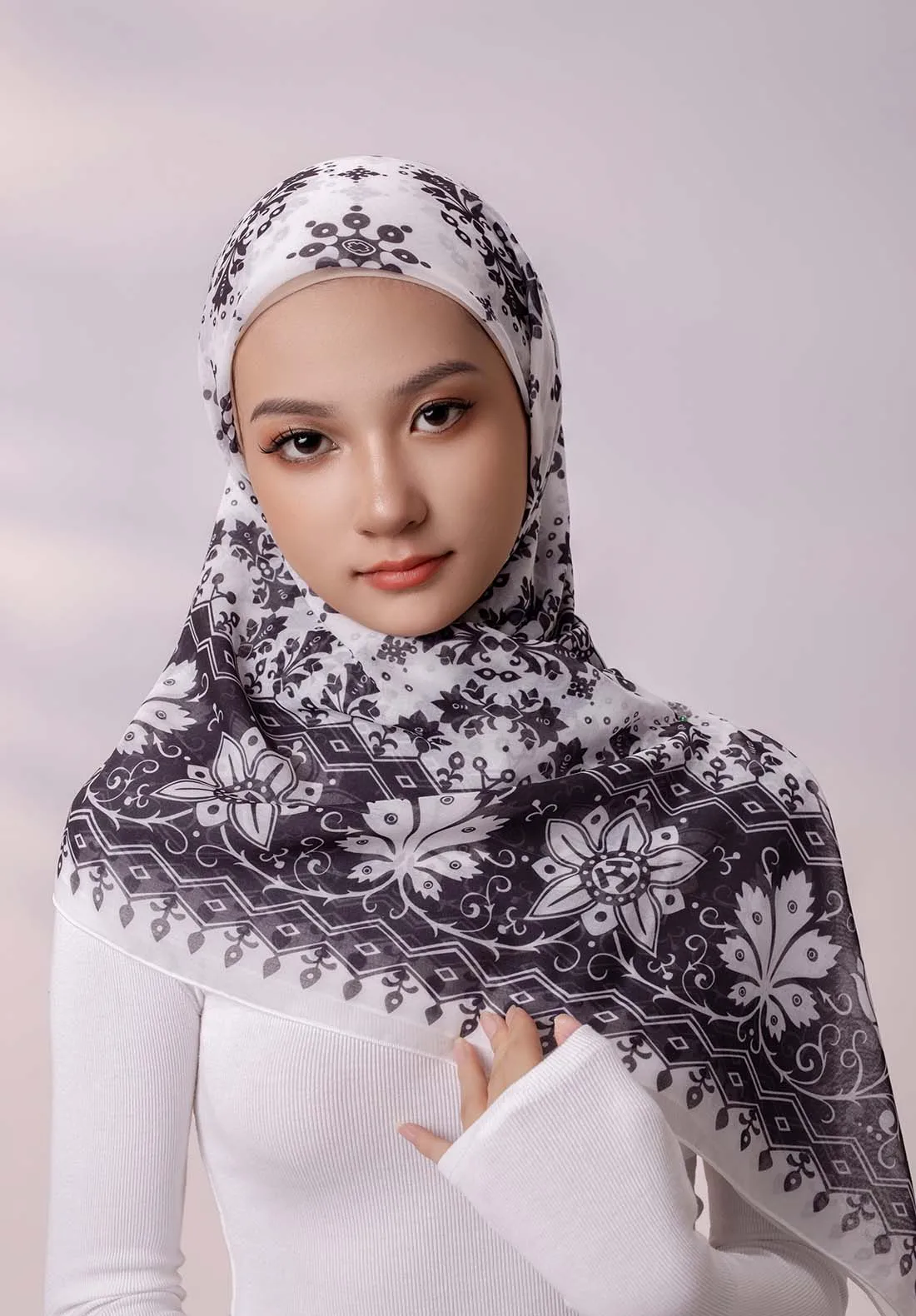
Modest clothes aren’t just for religion anymore. They’re a big deal worldwide. People love the calm, classy look. Stores like H&M and Zara make outfits with long sleeves, high necks, and headscarves. It’s not boring—it’s stylish and modern. Plus, it’s for anyone who likes a neat style without showing too much.
World Hijab Day and Interfaith Participation
World Hijab Day happens every February. It asks everyone to try a hijab for a day to understand it. Non-Muslim women join to support Muslim women who get judged or treated badly. It's an act of solidarity that can start important conversations about faith and culture.
Distinguishing Cultural Appreciation from Appropriation
It’s tricky to tell appreciation from misuse. The hijab is very important to many Muslim women. It’s part of their faith and who they are. Wearing it just for the look can feel rude, like turning something meaningful into a simple accessory. But wearing it to learn or honor a culture? That’s different. So, think hard about why you’re doing it. A careful choice shows real kindness.
Key Considerations Before Wearing a Hijab
If a non-Muslim woman wants to try on the hijab,here are some things to think about first. Let’s break it down.
Intent: Respect vs. Aesthetic
Why do you want to wear it? To honor a tradition or just because it’s pretty? Your reason matters a lot. For example, wearing it to support a Muslim friend is way different from wearing it for a selfie. Consider your motivation.
Context: Travel, Events, or Personal Expression
Wearing a hijab in a mosque is an easy choice. It’s polite and expected. But wearing it every day or at a party? That’s trickier. People might wonder what you mean. The setting changes everything.
Awareness of Different Interpretations
Even nice acts can get mixed reactions. Some folks might love what you’re doing. Others might not get it. Be ready for both. For example, a Muslim friend might be very supportive, but another might ask questions. Listen and learn—it’s part of it.
Tips for Wearing the Hijab Respectfully
Want to wear a hijab the right way? Here’s how.
Choose Appropriate Styles and Materials
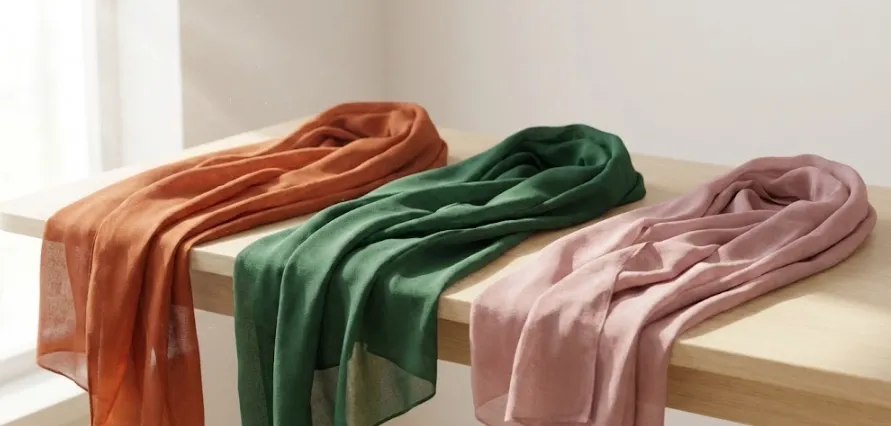
Pick scarves that match the moment. Soft, light fabrics like cotton feel good and look nice. They drape nicely too. Places like Jinlai Textile have great fabrics for scarves, from plain to fancy. This keeps your hijab respectful and personable.
Learn Basic Etiquette
Don’t treat the hijab like a costume. It’s a big deal for many. Watch videos online, like on YouTube, to learn how to wrap it right. This shows you care about doing it well.
Be Prepared to Answer Questions with Empathy
People might ask, “Why are you wearing that?” Be nice when you answer. Say you’re learning or showing support, and say you’re new to it. Like, you could say, “I’m trying it to understand my Muslim friends better.” It’s honest and starts good talks.
A Note on Quality Fabrics from Jinlai Textile
At Jinlai Textile, we think every scarf can be special. We make high-quality, beautiful, and culturally considerate fabrics for women all over. Our rule is “quality first, customer first.” We do custom designs and advanced techniques, like dyeing or stitching patterns. By picking the best materials, we help make headwear that’s both nice and meaningful. Check out www.jinlaifabric.com for ideas.
Final Thoughts
Wearing a hijab as a non-Muslim woman needs some thought. It’s not just a scarf—it’s a sign of faith and identity for many. If you do it with care and understanding, it can be a very kind and meaningful act. Learn what it means, pick nice fabrics from places like Jinlai Textile, and keep your reasons clear. That way, you’re being thoughtful and kind.
Plus, this choice can start great talks. It can bring people closer. Whether you’re at a mosque, joining World Hijab Day, or trying modest fashion, do it with an open heart. That’s how we learn and grow together. Let’s keep the kindness going.
FAQs:
Q1: Is it disrespectful for a non-Muslim to wear the hijab?
A: It depends on why and where. If you wear it nicely, like at a mosque or a community event, people usually like it. But using it as an accessory without knowing its meaning can upset folks. Your heart matters most.
Q2: Can I wear a hijab if I’m traveling in a Muslim-majority country?
A: For sure! It’s often seen as kind. Travelers wear headscarves in holy places or traditional areas to show they care about local ways. It’s an easy way to be polite.
Q3: Where can I find high-quality fabrics suitable for headscarves?
A: Look for places that know scarves. Soft, airy materials like cotton are best. Companies like Jinlai Textile have excellent options for you or businesses. Visit www.jinlaifabric.com to see what they’ve got.