Elevate Sudanese Toub Quality with Premium Fabric Selection
The Evolution of Sudanese Toub in the Global Market
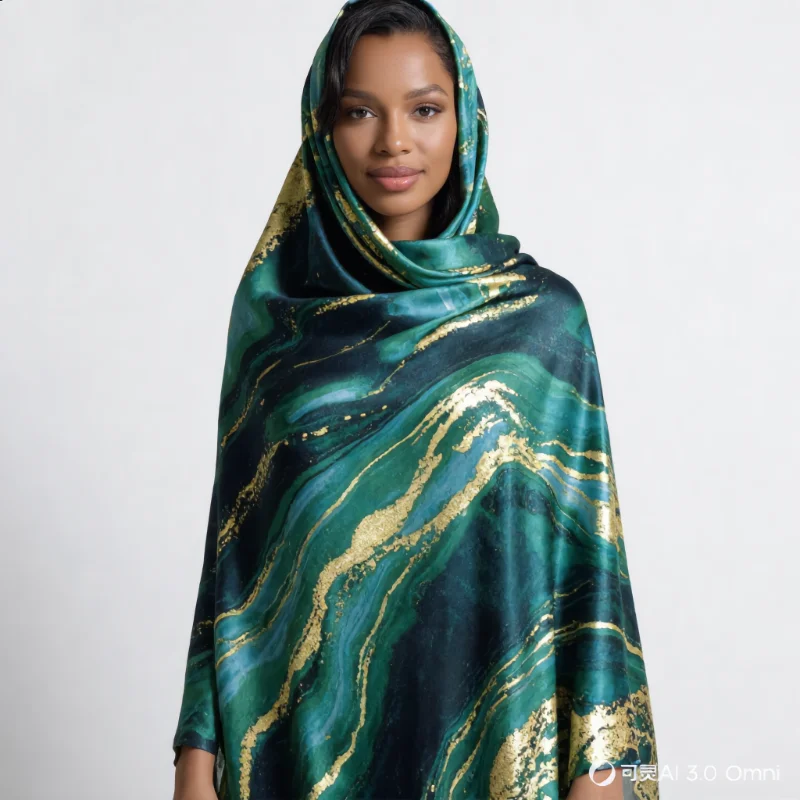
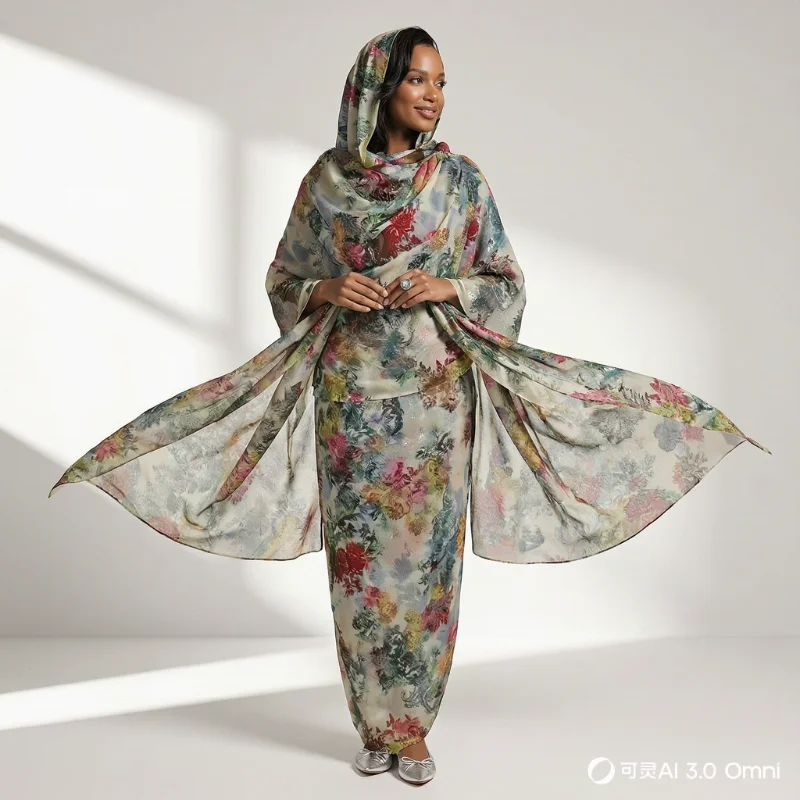
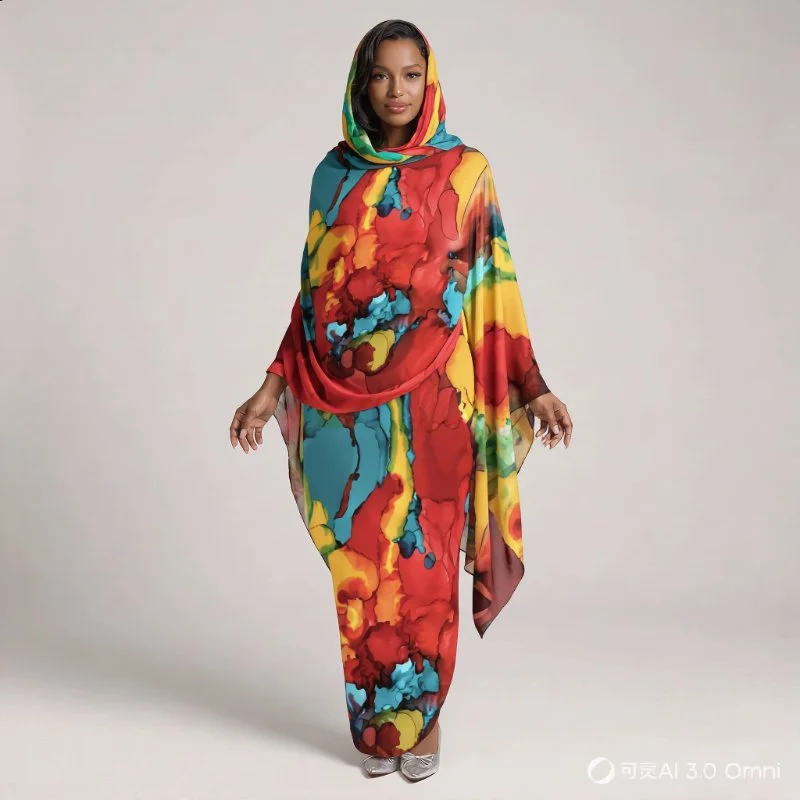
The Sudanese Toub stands as a garment with deep roots in cultural heritage. It has changed from a simple sign of identity into a worldwide textile trend. Women in Sudan and nearby North African areas traditionally wear this flowing attire. It shows grace, modesty, and community respect. As international fashion markets increasingly embrace cultural authenticity, the demand for high-performance textiles that preserve traditional aesthetics while improving durability has surged.
Trends in B2B buying point to a clear move by 2026 toward special Cotton Voile Fabric and improved 100% Polyester. Buyers in the textile world focus on materials that mix gentleness with structural integrity. These traits matter a lot for outfits used in special events or daily life.
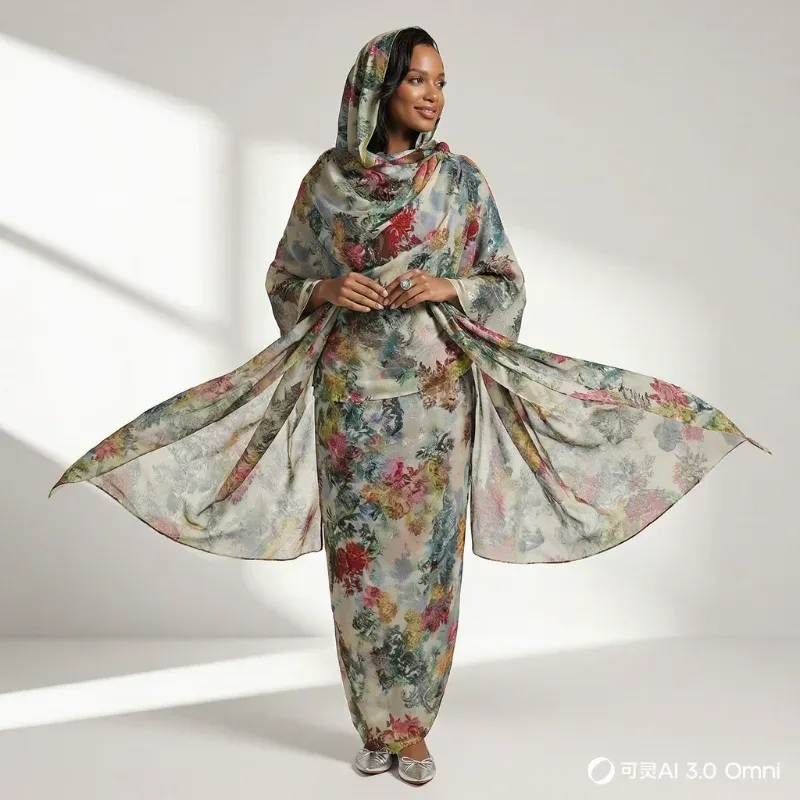
Jinlai Textile sticks to the idea of putting quality and customers first. The company has earned the trust of customers through professional technology, high-quality materials, and honest support. This approach helps build its role in the wholesale textile supply chain. By focusing on pure material integrity, Jinlai Textile safeguards the longevity of traditional attire like the Sudanese Toub while meeting modern performance expectations.
Strategic Material Selection: Cotton Voile vs. 100% Polyester
The Excellence of Cotton Voile
Cotton Voile stays as the top pick for fine Sudanese Toubs. Its fine weave allows for exceptional breathability—vital in arid climates where airflow determines comfort. The dense thread setup creates a smooth feel and natural glow. Synthetic options seldom reach this level.
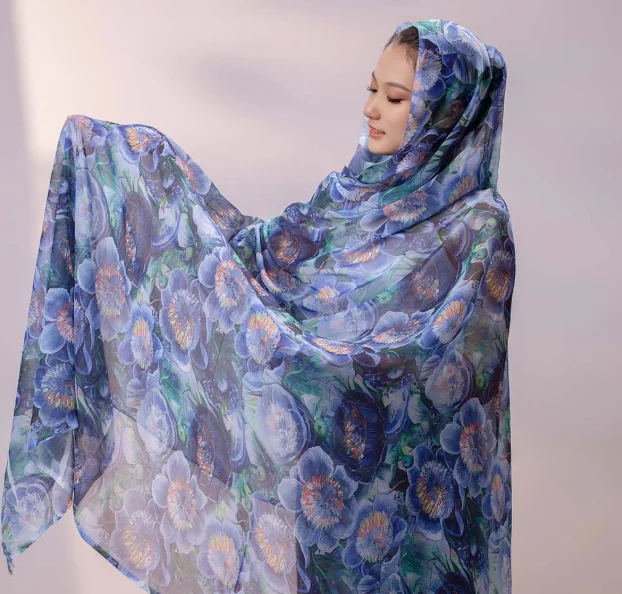
Jinlai Textile leads as a maker of cotton voile (polyster voile) fabric. It turns out as much as 50 million meters of voile grey fabric each year. This output meets the worldwide call for headscarves worn by Muslim women. Such capacity helps steady delivery for companies wanting true style and strong quality in big amounts.
The Versatility of 100% Polyester
On the other hand, 100% Polyester serves as a smart choice for wide-reaching sales. It fights wrinkles well and holds bright colors over time. These features suit store lines that need little upkeep. Wholesalers handling large stocks in various places find polyester cheap and exact in printing. Thus, it brings real benefits in planning and shipping.
Durability Standards
When it comes to durability metrics such as tensile strength and abrasion resistance, polyester often does better than cotton. Still, Cotton Voile holds its ground. Its plant-based threads soften nicely with age. They keep good flow without losing shape. For B2B buyers balancing luxury with practicality, understanding these trade-offs is essential to aligning fabric choice with brand positioning.
Technical Specifications for Professional Toub Manufacturing
Lightweight Precision
A graceful Toub shines through its smooth fall. Setting the right GSM (Grams per Square Meter) keeps Cotton Voile Fabric flowing freely. It avoids too much see-through quality or added bulk. Too light, and it loses structure; too heavy, and it sacrifices comfort in heat-intensive environments.
Finish and Texture
Polyester bends easily to create finishes like silk or chiffon. These work well for special occasion sets. Makers use steps like pressing or fine surface tweaks. Through this, polyester can mimic the tactile richness of natural fibers while maintaining superior resilience.
Wash-and-Wear Performance
For daily-wear Toubs distributed through wholesale channels, polyester’s wash-and-wear properties are invaluable. It resists shrinking and requires no ironing—a practical advantage for retailers serving fast-moving consumer markets where ease of care drives repeat purchases.
Navigating the B2B Supply Chain: Quality Assurance and Customization
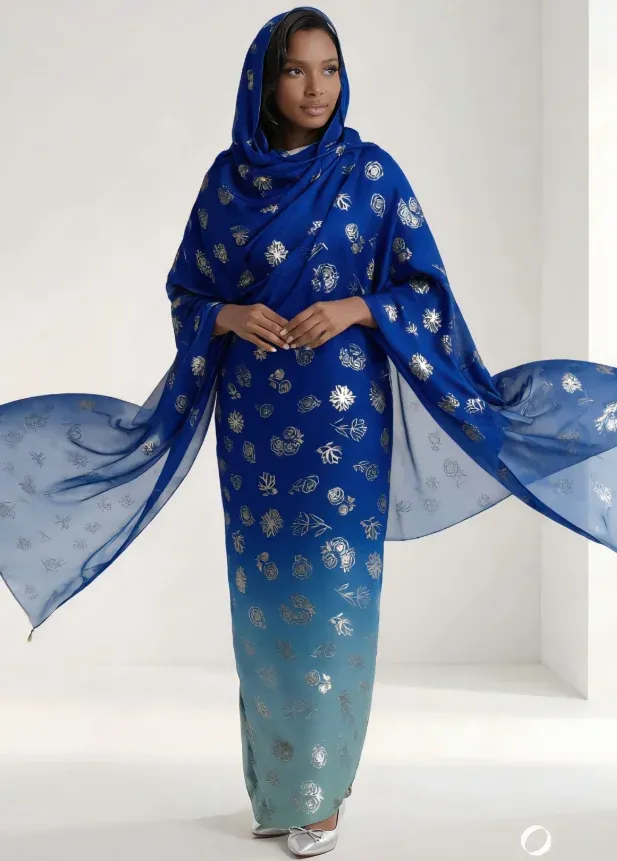
Pure Material Audits
Large-scale textile buying calls for steady quality checks. Jinlai Textile runs material reviews to confirm makeup details before sending out goods. This step proves vital for large-scale orders across multiple countries.
The firm uses fresh weaving gear, printing tools, and color processes. Skilled workers track every stage closely. Such habits make sure each lot hits set standards without deviation.
Advanced Dyeing for Pure Fabrics
Workers apply reactive dyes to Cotton Voile for rich, deep colors. This keeps the fibers gentle. For polyester, disperse dyes hold bright shades through many wash rounds. These techniques not only enhance visual appeal but also preserve long-term color stability—an essential factor in maintaining brand uniformity across production runs.
Scaling Production
Implement strict quality inspection procedures, with independent grey fabric quality inspection workshops and finished scarf quality inspection workshops. These steps let Jinlai Textile handle large orders smoothly. They cut down flaws in big runs. This skill matters for area wholesalers who count on on-time arrivals.
Conclusion
The advancement of the Sudanese fashion sector relies on a consistent supply of textiles that harmonize cultural heritage with modern performance standards. Whether prioritizing the breathable luxury of Cotton Voile or the resilient, high-vibrancy finish of 100% Polyester, selecting a technically proficient manufacturer remains the decisive factor for market leadership.
Jinlai Textile delivers the material integrity and scalable production capacity essential for optimizing B2B supply chains and elevating brand prestige. Contact our technical specialists today to request the 2026 fabric catalog and secure premium wholesale inventory.
FAQs
Q1: Why is Cotton Voile considered the premium choice for Sudanese Toubs?
A: Cotton Voile wins praise for its light weave from clean cotton threads. These allow superior breathability in hot climates. Plus, it gives a soft natural feel perfect for old-style pieces like Toubs.
Q2: What are the benefits of choosing 100% Polyester for B2B Toub distribution?
A: 100% Polyester brings low costs, anti-wrinkle strength, lasting color shine, and simple upkeep. These draw wholesalers running big spread-out sales systems.
Q3: Does Jinlai Textile provide pure material certification for bulk orders?
A: Yes. Each lot goes through lab tests to check fiber makeup right before dispatch. This ensures full compliance with buyer specifications.
Q4: How do maintenance requirements differ between Cotton Voile and Polyester Toubs?
A: Cotton Voile calls for soft washing and mild pressing to hold its natural glow. Polyester needs little work. It dries fast and keeps form after several cleans.
Q5: Can Polyester fabrics replicate the drape quality of Cotton?
A: Yes, with smart weaving that sets thread thickness and surface touch. Modern polyester can match cotton's smooth flow closely. And it adds more strength at competitive pricing levels.