How Sustainable Fabrics Are Shaping Sudanese Toub Fashion in 2026
Introduction
The Sudanese Toub means a lot in East African dress. Women wrap this light fabric for regular days or bigger events. It needs to feel cool and move easily in the heat. In 2026 more buyers look for materials that keep the old ways but cause less harm to the environment. Clear supply chains matter too, especially when ordering in bigger amounts.
Jinlai Textile plays a key role in this area. The company specializes in premium cotton voile and polyester voile fabrics suited for Toub production. Wholesalers and brands use their materials because they deliver steady quality for real business needs.
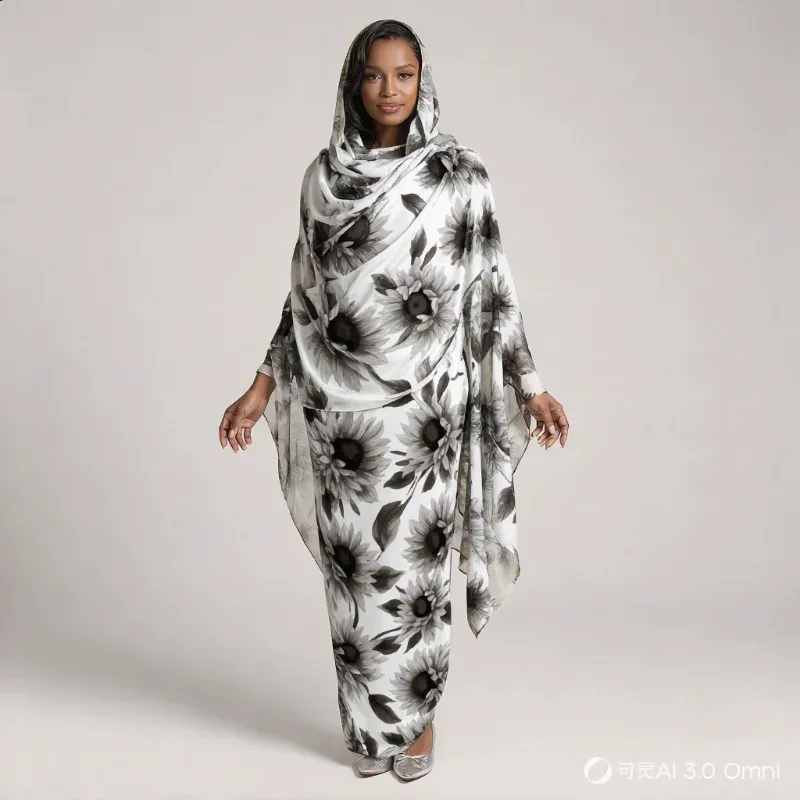
The Evolution of Sudanese Toub: Tradition Meets Sustainability
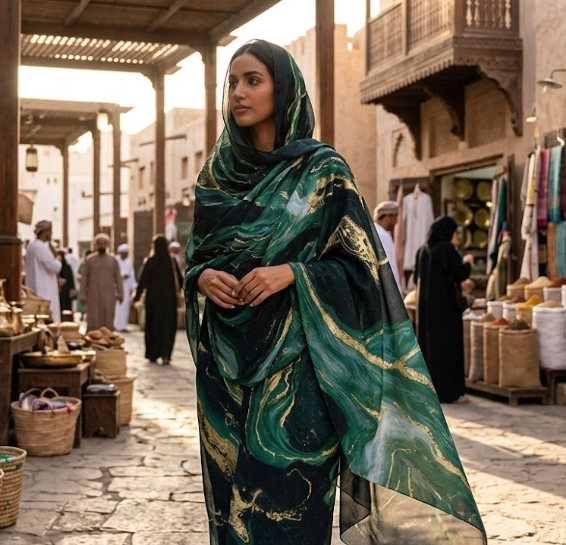
Sudanese Toub garments always used light fabrics that drape well. Cotton voile gives natural softness and lets air through on hot days in Port Sudan, Khartoum, or during events. Most wraps measure around 4.5 meters so they flow without feeling heavy.
Things have changed over time. Factories now hear more requests for materials with better sourcing and lower resource use. A buyer in Nairobi or from Europe often asks for details on where the fabric comes from before placing a container order. Traditions stay alive, but the way fabrics get made evolves. Lightweight voile still flows beautifully, only now many versions come with lower environmental footprints.
Leading Sustainable Fabrics Transforming Toub Fashion in 2026
Cotton voile appears in many collections. It feels soft and works in warm weather. It holds up after several wears and washes, which helps for daily use and special occasions.
Swiss Voile gets picked for higher end Toub lines. The tighter weave gives a smooth finish and keeps colors better even in strong sun. Standard cotton voile feels gentler and fits a lot of regular Toub designs. Both take prints, from simple patterns to clearer cultural ones.
This table shows basic differences that help with ordering decisions:
Feature | Swiss Voile | Standard Cotton Voile |
Weave density | Tighter | Balanced |
Drape | Structured flow | Natural movement |
Typical width | Often 58-60 inches | 54-58 inches |
Main use | Premium custom Toub | Everyday bulk orders |
Jinlai Textile produces cotton voile and 100% polyester voile suited for hot places. The polyester versions with high-twist yarns stay comfortable for longer hours. One factory contact said stable fabric cuts down on waste when cutting larger quantities. Those practical gains add up.
100% polyester voile also sees more use. It offers durability and simple care while staying light enough for Toub. Testing in actual conditions shows it works for both regular days and events.
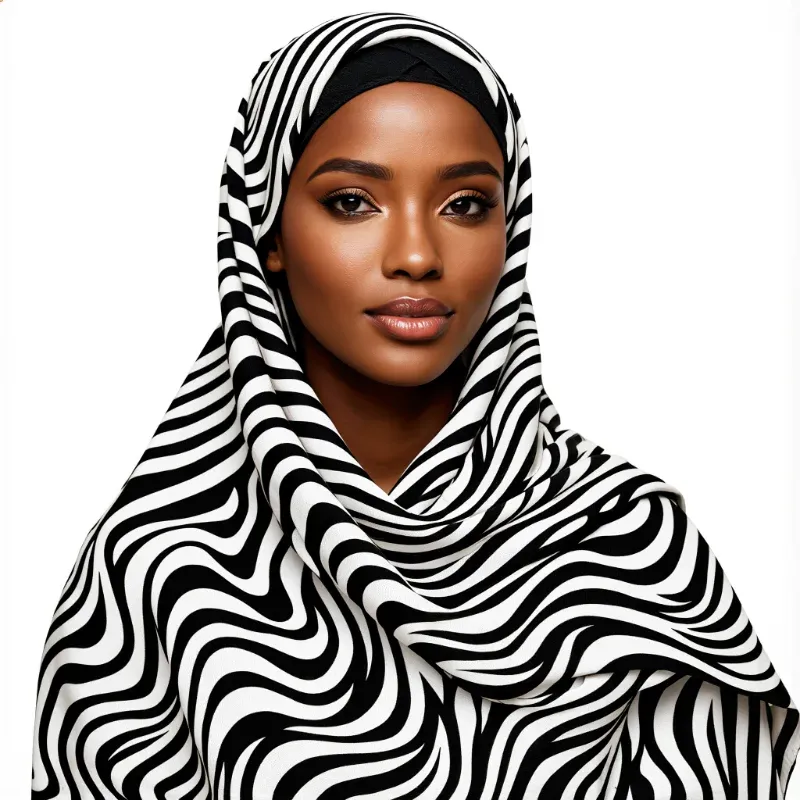
Sustainable Supply Chain Innovations for Toub Manufacturers
Buyers now want to know more about material sources and how dyeing happens. Low-impact dyeing uses less water and chemicals but still gives shades that do not fade quickly.
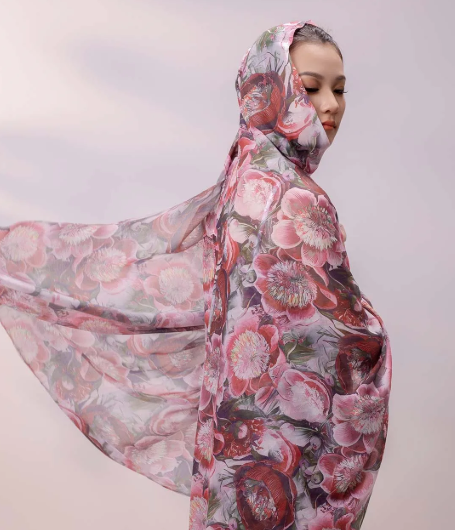
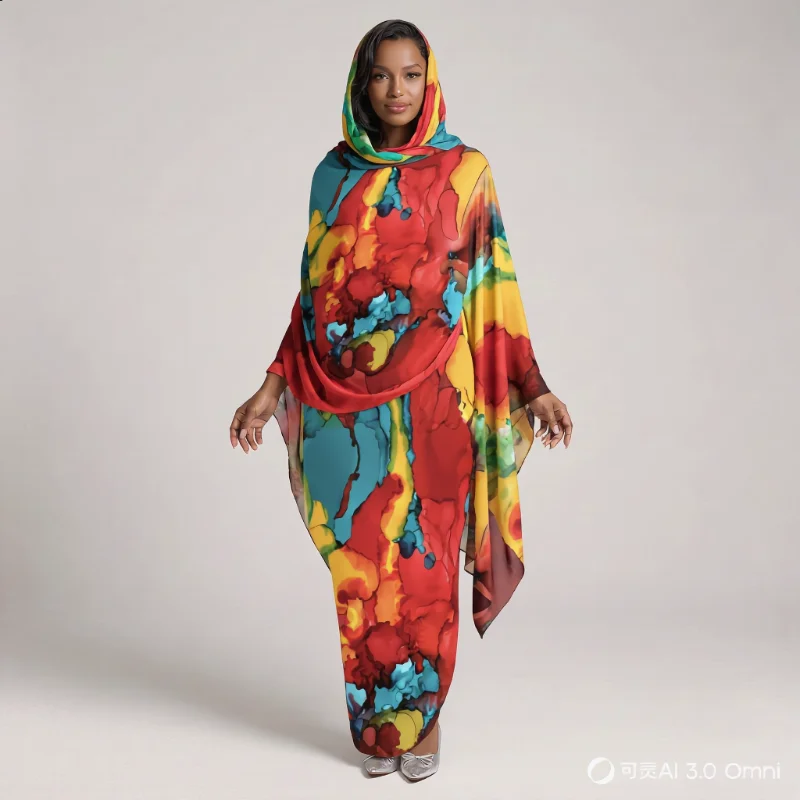
Jinlai Textile sets up its steps with these points in mind. Yarn selection to final check focuses on steady results for export orders. Custom digital printing lets brands add their own patterns with suitable inks. Gold stamping appears on some luxury Sudanese Toub pieces together with the base fabrics.
Certifications such as OEKO-TEX help goods move across borders. They show that certain substances stay out. This leads to fewer shipment problems and better reports from users. Recent production runs improved after water-saving changes while keeping the same feel and look.
OEM and ODM services make it easier to adjust volumes. A wholesaler can ask for exact colors or simple prints that match their market. This keeps the collections suitable for Sudanese style.
2026 Market Trends and B2B Opportunities
More interest appears in garments that respect tradition and responsibility. Events in African fashion show these directions and Toub lines follow. Wholesalers say questions about how items are made come up nearly as often as price or delivery dates.
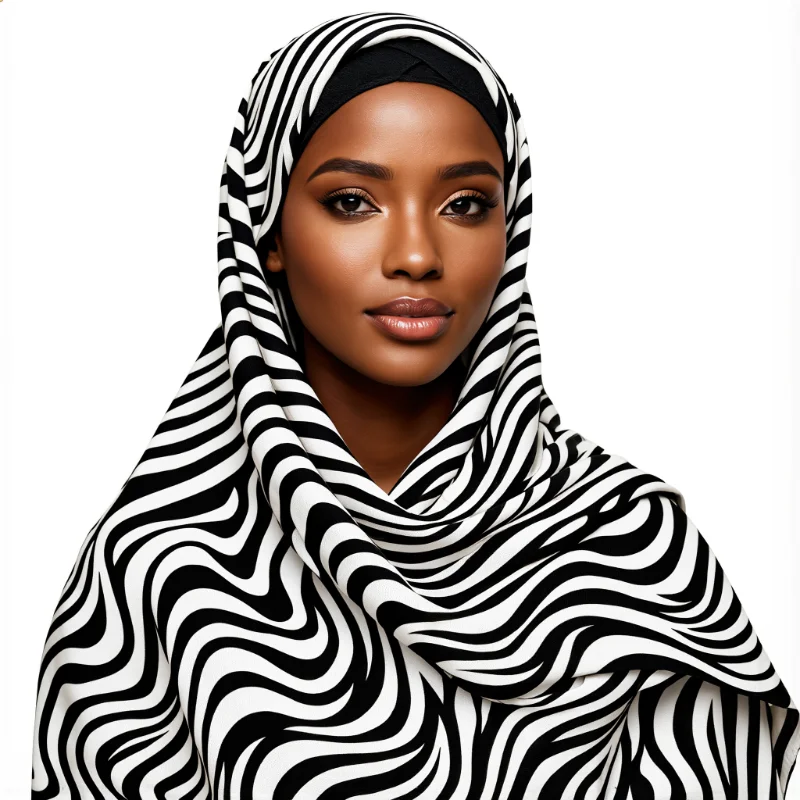
Custom colors and subtle prints stand out this year. Some buyers still want stronger looks but many go for details that work for different situations. Fabrics that combine old style with easy care bring repeat orders.
The business side shows advantages. Clear differences help positioning and responsible methods open extra channels. Jinlai Textile supports this with reliable delivery and direct input. A regional partner adjusted a voile line after some discussion and sales stayed steady afterward. Cases like this show sourcing goes beyond basic fabric details.
Some difficulties continue. Keeping raw material quality steady when conditions vary needs attention. Suppliers that check consistency and stay open turn those points into steadier work. Checks before shipment on color and shrinkage reduce later issues.
Challenges and Practical Solutions for Sustainable Toub Manufacturing
Sourcing steady materials in changing conditions stays hard. Good results usually come from clear requirements, known partners, and regular reviews.
Practical actions include looking at swatches from different batches and confirming shrinkage stays low. Talking openly about timelines avoids sudden rushes, especially in busy periods. Longer connections often bring better custom options and support.
Jinlai Textile's experience in cotton voile and Toub production helps here. Their process goes from regular weaves to special finishes while paying attention to responsible steps.
Conclusion
Sustainable fabrics changed Sudanese Toub fashion step by step in 2026. The cultural garments keep their place, now with supply chains that consider environmental side and practical use over time. For wholesalers, manufacturers, and brands navigating this space, access to the right Swiss Voile, eco-friendly cotton voile, and custom solutions makes all the difference.
Jinlai Textile offers this kind of connection with consistent quality, OEM and ODM flexibility, and attention to what markets need right now. Reach out to Jinlai Textile to talk about next collections and how these fabrics can fit into your range.
FAQs
Q1: What are the primary sustainable fabric options for Sudanese Toub production in 2026, and how do they compare in breathability and durability?
A: Cotton voile and 100% polyester voile lead most orders. Both give good breathability in warm climates. Swiss Voile versions usually hold structure and color better after washing. Standard cotton voile brings extra softness for different bulk needs.
Q2: How do low-impact dyeing and water-saving processes in Swiss Voile benefit B2B buyers targeting eco-conscious African markets?
A: These ways use fewer resources and still produce the strong colors needed for Sudanese Toub designs. Buyers get simpler stories for their brands, fewer regulatory issues, and fabrics that perform in daily wear so returns stay lower.
Q3: What certifications and traceability features should wholesalers prioritize when sourcing sustainable Toub fabrics?
A: OEKO-TEX standards and clear records on material sources and processing steps help most. They make it easier to check claims and support messages about responsible production.
Q4: How are custom digital printing and subtle print trends integrating with eco-friendly inks for Toub designs?
A: Digital techniques allow precise, low-waste patterns on voile bases. Subtle motifs pair beautifully with sustainable inks, giving brands unique looks that feel modern yet respectful of Sudanese traditions. Many collections now mix minimal prints with classic gold accents for broader appeal.
Q5: What supply chain advantages do specialized manufacturers offer for scaling sustainable Toub garment production?
A: Experienced partners like Jinlai Textile provide stable lead times, quality consistency across orders, and support for custom requests. This setup helps wholesalers manage inventory better and respond faster to shifting demand in 2026 markets.