Keep Your Beloved Headscarves Forever Fresh: The Ultimate Fabric Care Guide
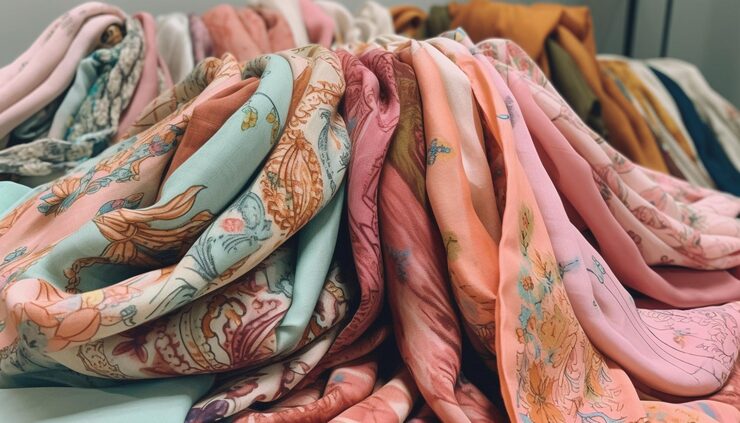
A headscarf is more than a pretty accessory. It’s your style, your memories, your vibe. To keep it looking amazing, it’s not just about buying a nice one—it’s about caring for it right. Wash and store it properly, and its colors stay bright, its feel stays soft, and its shape holds up. Mess up once, though, and you might end up with faded, shrunken, or ruined fabric.
This guide’s got your back with easy, pro tips to keep every scarf in your stash—whether it’s breezy cotton voile or fancy jacquard—looking brand-new forever.
The 3 Golden Rules of Headscarf Care
Before you toss that scarf in the wash, stick to a few simple habits. They’ll save your favorites from laundry disasters.
1. Check the Care Label First.
It’s like the scarf’s rulebook. It tells you the right water temperature and washing method. Don’t ignore it!
2. Do a Quick Spot Test.
New soap? Test it on a hidden corner. Dab a bit and see if the color runs or the fabric acts weird. Better to check than regret.
3. Sort Smartly.
Don’t just split by color. Keep bright reds and blues away from whites or soft pastels. Also, wash delicate or decorated scarves solo to avoid snags. Trust me, it’s worth the extra step.
Every fabric’s got its own personality. Learn it, and your scarves will thank you with years of beauty.
A Fabric-by-Fabric Guide to Perfect Headscarf Maintenance
Cotton Voile: Your Comfy Everyday Pal
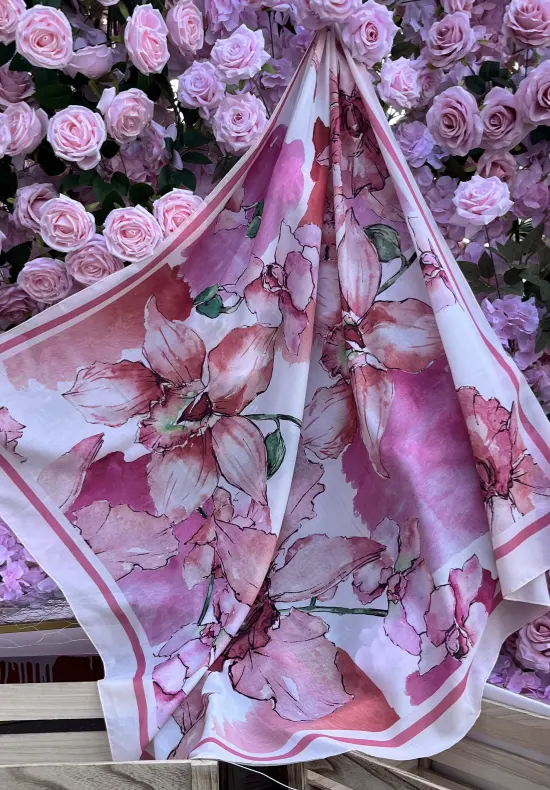
Cotton voile is light, soft, and super easy to wear. It’s tough but loves gentle care to stay fresh and smooth.
l Washing
n Stick to cold water (under 30°C/86°F) so it doesn’t shrink. Use a gentle liquid soap. Machine washing? Pop it in a mesh bag and hit the “delicate” cycle. Done and done.
l Drying
n Air-dry in a shady, breezy spot. Sunlight can fade colors and make fibers brittle. While it’s damp, gently tug and smooth it out by hand. This saves you tons of ironing time. No dryers—they’re too rough.
l Ironing
n Iron on medium heat while it’s a tad damp. Steam makes wrinkles disappear like magic.
Silk: Smooth as a Dream
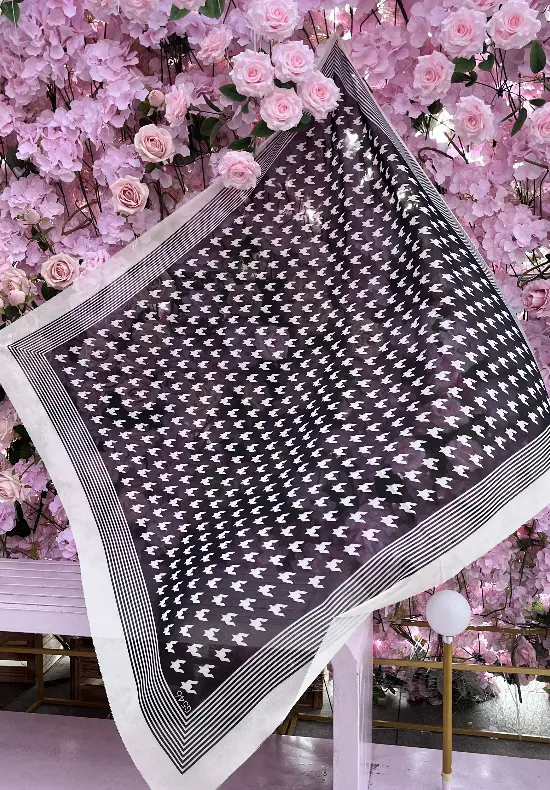
Silk’s all about luxury, but it’s delicate, so treat it with kid gloves.
l Washing
n Dry cleaning’s the safest bet. Hand washing? Use a special silk soap or even mild baby shampoo in cold water. Dip it, swirl gently for a minute or two, then rinse fast. Don’t let it soak. Pro tip: add a tiny splash of white vinegar to the rinse. It clears out soap and makes silk shine.
l Drying
n Don’t twist or wring it. Gently squeeze out water. Lay it on a clean towel, roll it up, and press softly to soak up moisture. Then spread it flat to dry in a cool, shady spot.
l Ironing
n Flip it over and iron on low heat while it’s slightly damp. Never spray water on dry silk—it’ll leave spots.
Jacquard & Embroidered Fabrics: Saving the Fancy Details
These scarves dazzle with their patterns and textures. Keep them stunning with careful handling.
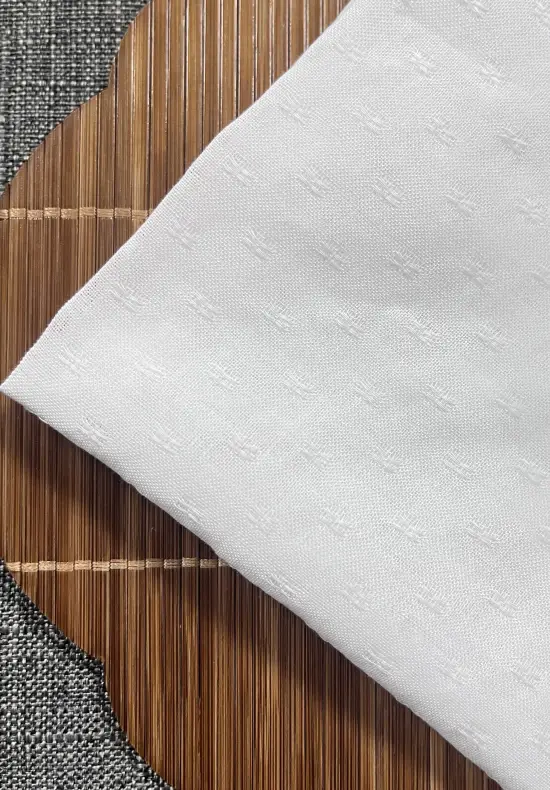
l Washing
n Hand wash is the way to go. Turn the scarf inside out to protect those pretty designs. Press softly—don’t rub—to keep threads from fraying. Gentle is the name of the game.
l Drying
n Use the towel-rolling trick like with silk. Lay it flat to dry so the wet threads don’t stretch or lose shape.
l Ironing
n Iron on the back with a soft cloth (like a cotton pillowcase) between the iron and scarf. This keeps the texture looking perfect.
Special Finishes (Gold Stamping & Embellishments): Keeping the Bling
Gold prints or sparkly gems? These scarves are extra fragile, so go easy.
l Washing
n Spot-clean if you can. Need a full wash? Dip it in cold water super quick with barely any stirring. Never scrub the shiny bits. Less touching, better results.
l Ironing
n Keep hot irons away from gold or gems. Iron the back on low heat with a thick cloth over the decorated parts. Safety first!
n Cleaning’s only half the story. Good storage keeps your scarves safe and ready to wear.
The Wisdom of Storage: Giving Your Headscarves a Cozy Home
To Hang or to Fold: A Trick for Every Fabric
How you store depends on the fabric and how much it hates wrinkles.
Hanging’s Great for:
Delicate stuff like silk, jacquard, or embroidered scarves. Use padded hangers or scarf organizers to stop creases and let the fabric chill. It keeps their shape on point.
Folding or Rolling’s Better for:
Sturdier fabrics like cotton voile. These don’t wrinkle easily. Roll them into neat tubes to save space and avoid fold marks. Easy peasy.
Protection from Light and Dust: Keeping Them Fresh
Light and dust sneak up on scarves, especially ones you don’t wear often.
Use Breathable Bags
For long-term storage, tuck light-colored or silk scarves into a cotton bag. It blocks dust and light but lets air flow. Perfect combo.
Skip Plastic
Don’t trap natural fibers in plastic bags. They lock in moisture, causing mildew or yellowing, and stop fabrics from breathing, which weakens them over time.
Give Them Room: No Squishing
Packing scarves too tight causes trouble. A little space makes a big difference.
Space Them Out
When hanging, leave some room between scarves. This stops wrinkles and keeps delicate fabrics like jacquard from catching on each other. A bit of breathing room keeps them flawless.
Good care fixes most issues. Here’s the scoop on common scarf-care questions.
A Word from the Fabric Experts: About Jinlai Textile
Caring for your headscarves starts with choosing a quality fabric built to last. At Jinlai Textile, we are dedicated to providing premium textiles that combine beauty, comfort, and durability. With years of expertise in fabrics like the delicate cotton voile, luxurious silk, and intricate jacquards mentioned in this guide, we understand that a great headscarf is an investment. Our commitment is to supply designers and brands with materials that not only look stunning on day one but also retain their vibrant color and soft feel wash after wash. By choosing a foundation of quality, you ensure that the care you put into your scarves truly pays off.
FAQs:
Q1: How do I get makeup or oil stains off my hijab?
A: Move fast! For oily stains, lay the scarf flat with a paper towel under the spot. Sprinkle baby powder or cornstarch on it. Let it sit 30 minutes to suck up the oil, then brush it off gently. For makeup like lipstick, try micellar water or a gentle makeup remover. Test a hidden spot first. Dab with a cotton swab—rubbing’s a no-no. Then wash based on the fabric.
Q2: What if my scarf snags on jewelry?
A: Don’t cut the loose thread! That’ll make a hole. Lay the scarf flat. Tug the fabric around the snag gently—side to side, up and down, or diagonally. Usually, this pulls the thread back in place. Stubborn snag? Use a fine needle to nudge the thread to the back carefully. Patience pays off.
Q3: Why do my light-colored scarves turn yellow in storage, and how do I stop it?
A: Yellowing happens when body oils or soap leftovers oxidize. To prevent it, wash scarves well and dry them fully before storing. Keep them in a cotton bag or a drawer with acid-free paper, away from light. Skip plastic bags—they trap moisture and make things worse. Got a slightly yellow cotton scarf? Soak it in water with a gentle oxygen-based whitener. It’ll look bright again.