Warehouse Management Best Practices for Storing Headscarf Fabrics & Wholesale Inventory
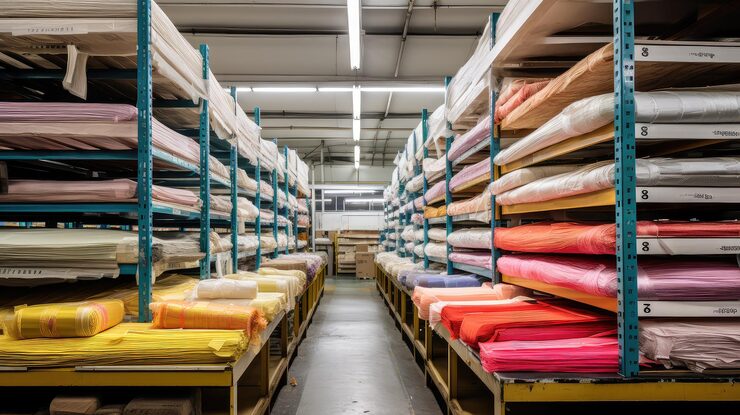
Every yard of fabric in your warehouse is a major investment. Taking good care of this stock is very important. This includes everything from bulk fabric rolls to finished headscarves. Ultimately, it’s about protecting your profits and keeping your customers satisfied. Bad storage can lead to unseen yet big losses from things like spoilage and damage. This guide gives you real steps for excellent textile care. We want to ensure your stock remains in perfect, factory-fresh condition.
As a top supplier of quality headscarf fabrics, Jinlai Textile cares about excellence all the way through the supply chain. We specialize in high-grade materials. Our main focus is on premium cotton voile, but we also work with luxurious silks and detailed jacquard weaves. We know our job doesn't end after the sale. That's why we want to give our partners the know-how to protect the quality and value of their textile goods. This turns great products into long-term success.
Foundational Principles: Environmental Control is the First Line of Defense
Fabrics are very sensitive to where they are stored. The single best way to slow down fabric aging is to set up a controlled environment. If you ignore these basics, even the most organized warehouse won't be effective.
Temperature and Humidity: Winning the War Against Moisture and Mold
The biggest danger to most fabric stock is moisture in the air. Natural fibers, especially, are hygroscopic. This means they easily soak up water from the air. This creates a perfect place for mold and mildew to grow, which can cause stains and fiber damage that you can't fix.
l Humidity Control: The ideal relative humidity (RH) for textile storage should be kept between 40% and 60%. This is a strict rule.
l Temperature Control: A steady temperature between 15°C - 25°C (60°F - 77°F) is best. High temperatures can make fibers and dyes age faster.
l Practical Advice: You should invest in industrial dehumidifiers and good hygrometers to check the levels all the time. Also, all stock should be stored on pallets or racks. Keep it at least 15 cm (6 inches) off the ground and away from outside walls. This helps stop it from soaking up moisture.
Beyond the dampness in the air, another environmental factor is a constant threat. It affects the color and strength of your textiles: light.
Light Exposure: Preventing Fading and Fiber Degradation
Both sunlight and long exposure to bright artificial lights can cause a lot of photochemical damage. The ultraviolet (UV) rays in light break down the chemical bonds in dyes, which leads to fading. What's more, they can weaken the fibers themselves.
Practical Advice: Use blackout curtains or design your warehouse without windows. Choose modern LED cool-spectrum lighting. It's also a good idea to have a "lights-off" rule in areas no one is using. For expensive goods like pure silk headscarves, you should use dark packaging for one more layer of protection.
A controlled space is also a clean one. Good airflow and keeping dust away are vital for maintaining the quality of your ready-to-sell stock.
Ventilation and Cleanliness: Keeping Your Fabric Stock Pristine
Good air movement helps stop pockets of still, damp air where mold can start. Besides, dust in the air isn't just ugly. The particles can scrape against delicate fabrics and are hard to get off once they settle.
Practical Advice: First of all, make sure your HVAC system is working right and its filters are cleaned often. All textile products, whether they are in rolls or boxes, should be kept in a protective wrap. This will shield them from dust and other things in the air.
Differentiated Management: Tailored Storage for Different Fabric Types
The environmental rules above are for all fabrics, but different textiles have their own weak points. A one-size-fits-all plan for fabric storage is not smart. You need to adjust your methods based on the fiber type. This is the key to the best textile care and the long-term health of your stock.
Cotton Voile & Natural Fibers
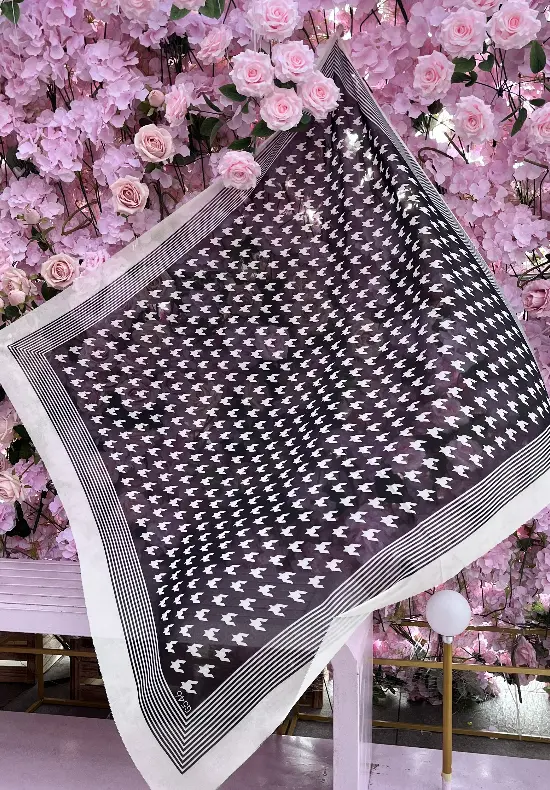
The main weakness of cotton fabrics is how much water they absorb. So, the number one focus for storing your cotton voile headscarf stock must be careful moisture control to stop mold and mildew. It's a very good idea to do regular spot-cheks of the stock, especially when the weather is humid
Silk & Protein Fibers
Expensive silk stock needs special care. Since they are protein-based fibers, they are especially tempting to pests like moths.
l Pest Control: Use natural bug repellents like cedar blocks. You should avoid chemical mothballs. Their smoke can harm silk fibers and leave a strong smell that won't go away.
l Pressure Damage: Silk wrinkles very easily. Finished items should be stored hanging up or packed loosely in boxes. You should never stack rolls heavily on top of each oth
Chiffon & Synthetic Fabrics
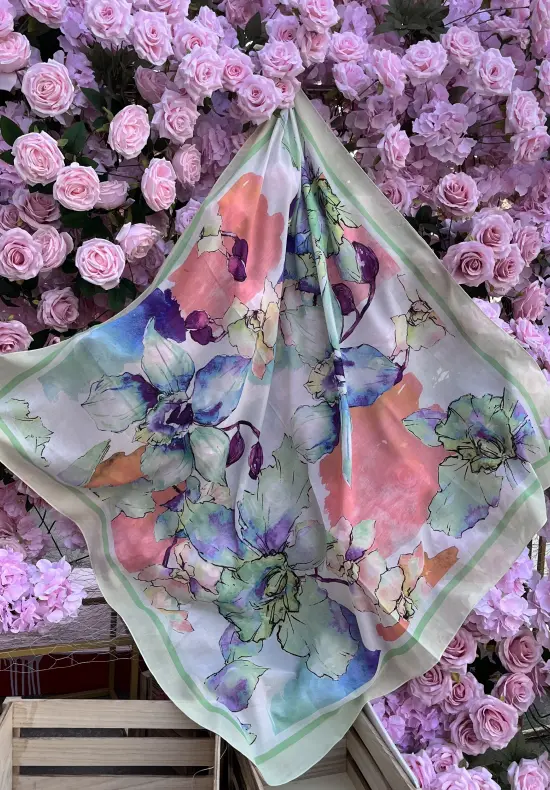
Fabrics made from polyester, like chiffon, are hydrophobic. This makes them resistant to mold and bugs. However, their biggest problems are physical harm and static electricity.
l Snagging: Their fine weave is very easy to snag. Make sure every item or roll is wrapped by itself in smooth plastic. This stops it from touching rough things, including cardboard.
l Static: Synthetic materials can build up static, and this attracts dust. Keeping them wrapped up well is the best way to prevent this.
Operational Excellence: Scientific Inventory Rotation and Stacking
It's not just about the storage space. The way you physically move and arrange your stock is a huge part of its long-term health and your company's efficiency. This forward-thinking approach to managing textile stock is necessary to reduce waste.
The FIFO Principle (First-In, First-Out)
Following a strict FIFO system is something you must do for textile warehousing. It makes sure that older stock gets sent out before newer stock. This stops any single batch from sitting around for too long. In short, this method is the best way to fight long-term stock decay and keep products consistent for your customers.
Proper Stacking and Handling Techniques
l Fabric Rolls: The best practice in the industry is to store rolls sideways on A-frame or cantilever racking systems. This avoids stress from gravity and keeps them from getting flat. If you have to stack them, rolls should be laid flat. Don't stack them more than a few layers high, so that you don't crush the bottom layers and cause permanent wrinkles. Storing fabric rolls standing up is highly discouraged because it stretches and warps the material along the edges.
l Finished Goods: Boxes of finished headscarves should be stacked on pallets. Be sure to follow any printed weight limits. Clear SKU labels and organized aisles are vital for quick picking and packing, which reduces extra handling.
FAQs:
Q1: What is the best way to eliminate a musty smell from fabric that has been in storage?
A: A musty smell means mildew is growing, so stopping it before it starts is the best idea. If you smell it, immediately move the affected stock. Then, you need to improve the air movement and dehumidification in that spot. For small issues on tough fabrics like cotton, just airing the product out in a dry, open space can solve the problem. For sellers, putting a small, good-quality silica gel packet in the final package is a nice touch. It helps soak up moisture during shipping and while it's stored at the customer's place.
Q2: How long can textiles like cotton voile be stored before they start to degrade?
A: When you store them under the perfect conditions described in this guide—with controlled humidity and temperature, no light, and good packaging—high-quality textiles can last for many years without much decay. The life of your stock is less about a specific time and more about the quality of your warehouse space. A consistent environment is the secret to making your stock last as long as possible.
Q3: Is it a good idea to use vacuum-sealed bags for long-term storage of headscarf inventory?
A: Vacuum sealing is great for short-term safety and for making things smaller for shipping. However, it can cause issues for long-term warehousing. The process squeezes the fabric a lot. This can create lasting creases in materials like cotton voile and chiffon that are hard to get out. Also, any tiny bit of moisture trapped inside before you seal the bag can lead to mildew. For protecting your assets over the long haul, a well-controlled warehouse atmosphere is a much better and safer choice.