Sudanese Toub Dress Fabric Sourcing Guide 2026: B2B Voile Strategies
Introduction
Global B2B buyers face a tricky sourcing scene in 2026. Demand for airy, modest clothing like Sudanese toub fabric keeps climbing. Supply chains hit snags, and customization turns into a big edge for brand standouts. For wholesalers and clothing makers, grabbing steady supplies of top-notch Sudanese Toub dress fabric goes beyond simple buying. It shapes smart business plays.
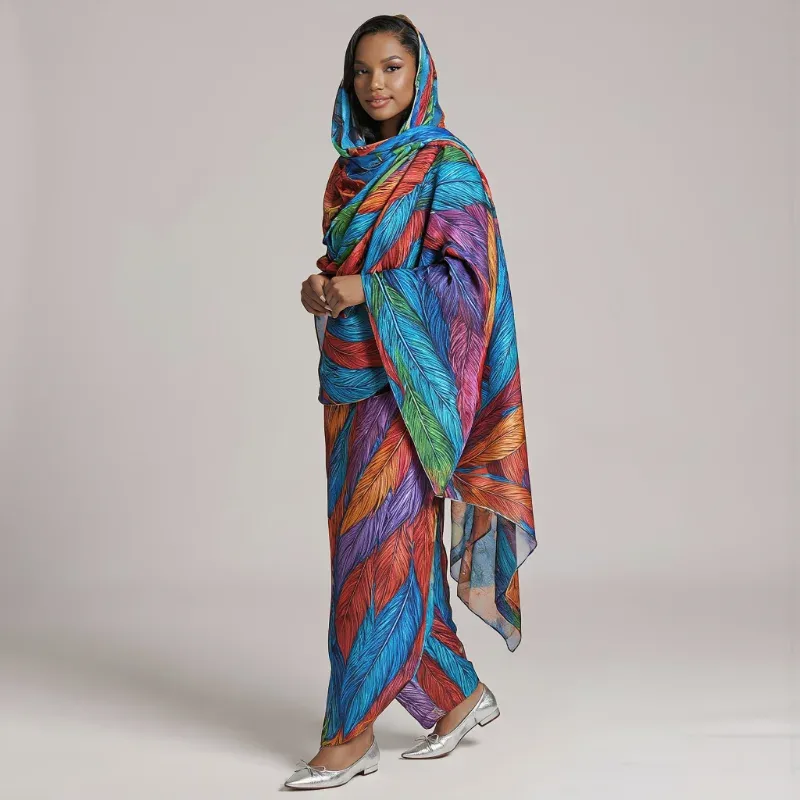
Sourcing Sudanese Toub voile calls for sharp eyes on tech specs, supplier trust, and ties to shifting style vibes in African and diaspora spots.
Jinlai Textile stands out as a key maker of cotton voile (polyester voile) fabric. They churn out up to 50 million meters of voile grey fabric each year. This meets worldwide needs for Muslim women's headscarves. Their skills in light fabrics and cutting-edge production setups make them a solid pick for folks after prime Sudanese Toub dress fabric. With bendy OEM/ODM options, Jinlai Textile backs brands wanting special prints or gold-stamped looks. These fit old-school or fresh takes on the Sudanese toub.
This piece digs into main specs, sourcing tips, and 2026 market shifts that buyers ought to weigh when betting on fine Sudanese Toub voile fabrics.
Understanding Sudanese Toub Dress Fabric
The Sudanese toub fabric usually measures 150 cm by 450 cm per piece. That size offers plenty of coverage for full-body wrap styles. Each piece weighs about 150 g/m². It hits a nice mix of see-through resistance and air flow. Makers often pick high-twist yarns like 80S×80S. These give a crisp but gentle feel that's valued in this line.
Material choices cover pure Super Cotton Voile. Or blends of polyester and cotton boost toughness while keeping good airflow. The voile weave brings its classic lightness and smooth touch. This suits hot areas where ease pairs with grace.
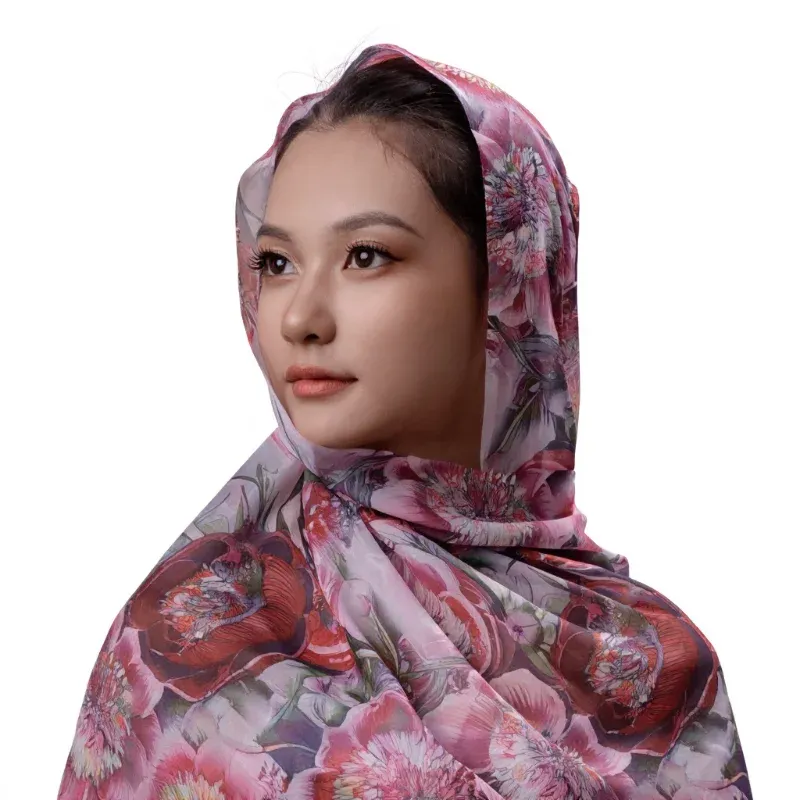
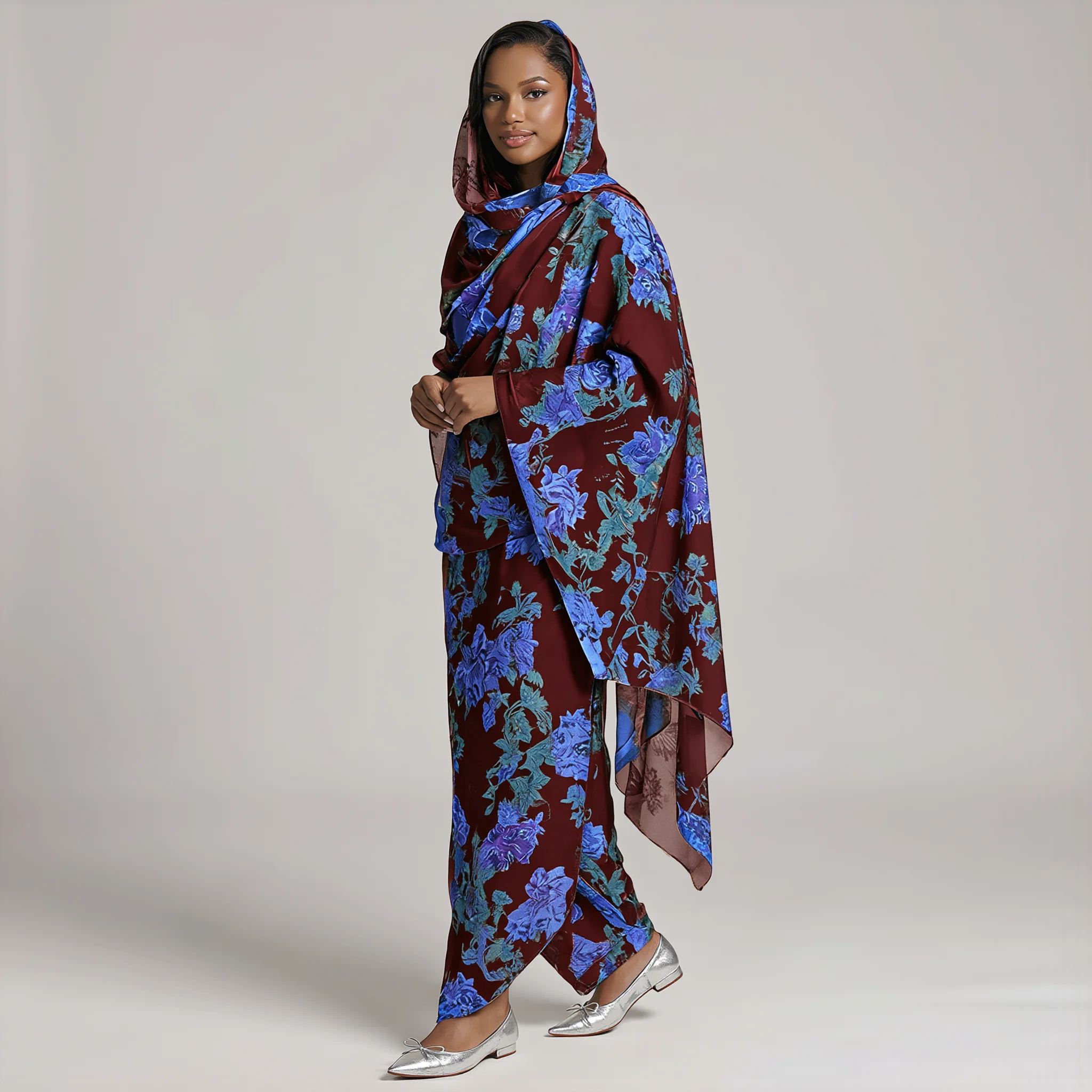
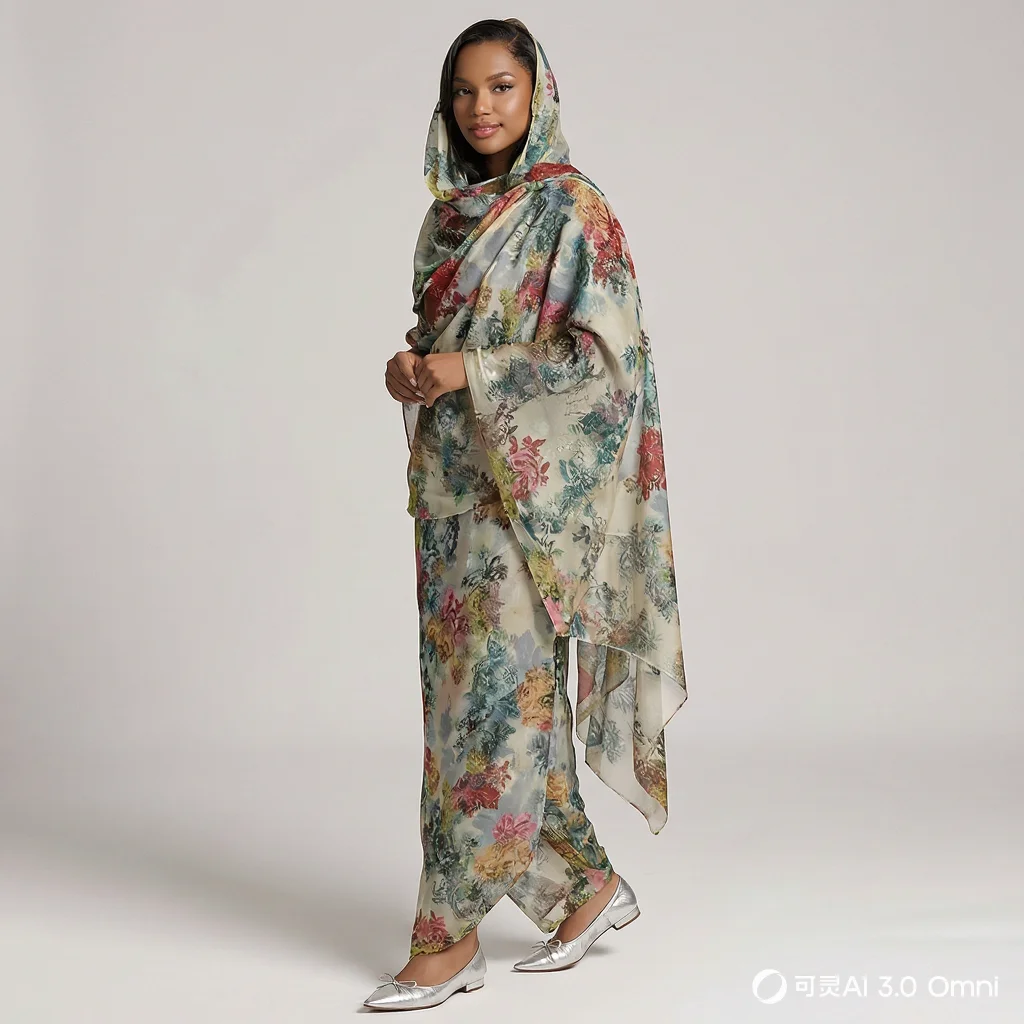
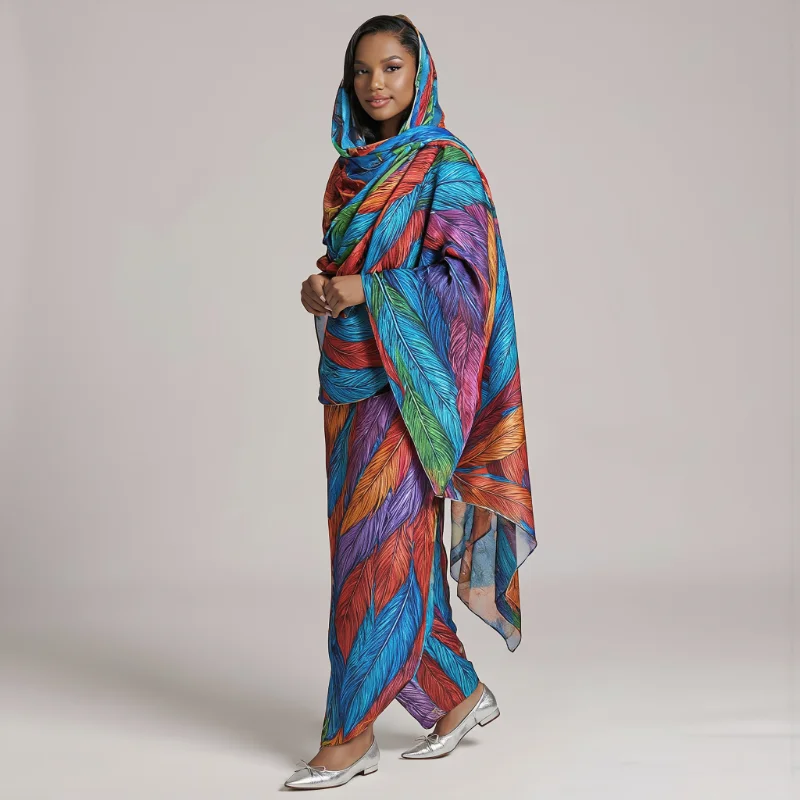
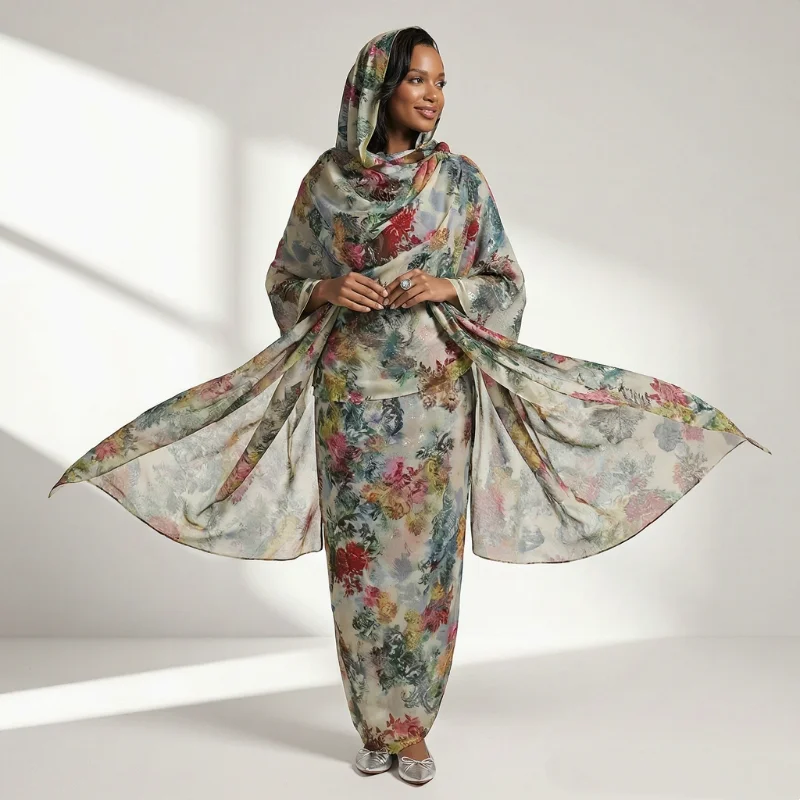
Design options make this fabric line flexible: digital prints for a modern twist, gold stamping for party outfits, and faint jacquard designs or plain colors for daily modest clothes. Tailored work lets wholesalers match their lines to local tastes or area styles.
Why Quality Matters in 2026 Sourcing
Top-grade Sudanese Toub voile brings real perks in how it performs. It breathes well, handles sweat nicely, and drapes smoothly. Colors hold up strong even after several washes. These traits matter a lot. Shoppers now want comfort and lasting wear from old-style garments.
Take air jet looms, for instance. They're newer machines that use air blasts to push warp yarns over weft ones. This creates an open, light fabric. The tech ensures steady results in big batches. It cuts down on shrinking and keeps texture even in long runs.
Market shifts show younger buyers leaning toward quiet style. Soft pastels, simple patterns, and clean finishes appeal. Yet they nod to cultural ties. Solid quality cuts back on returns. It builds faith with small shop owners who count on reliable stock flow.
Key B2B Sourcing Strategies for Global Buyers
Supplier Evaluation
Buyers need to focus on factories with real track records in Sudanese toub dress fabric. Past output numbers matter. But check their quality checks and know-how in voile weaving and finishing too.
Customization & OEM/ODM
Offer one-of-a-kind tailoring based on design wants. Jinlai Textile’s adaptable setup lets clients pick color sets, patterns, or shiny touches that fit their brand vibe.
Order Optimization
Standard 4.5 m cuts make retail packing straightforward. Bulk buys, often from 3000 pieces, help juggle per-unit prices with stock management.
Logistics & Compliance
Steady widths, weight leeway of ±5%, color hold above Grade 4, and smooth shipping all lower total costs. This proves key in shaky transport scenes.
2026 Market Trends Impacting Sourcing Decisions
· Shift Toward Refined Prints: Low-key looks will lead collections. Picture soft florals or basic shapes that work for city diaspora crowds and classic spots alike.
· Comfort-Driven Fabrics: Light Sudanese Toub voile stays popular thanks to its airy weave. It's great for everyday use in warm zones.
· Resilient Supply Chains: Buyers like makers who hold firm delivery times amid raw material ups and downs.
· Value-Oriented Wholesale: Fair prices with high-end finishes keep profits up without skimping on skill.
These changes underline why teaming with pros like Jinlai Textile counts. They mix big output with tailoring ease that's tough to find in tiny shops.
Best Practices for Successful Sudanese Toub Fabric Procurement
Step | Action | Purpose |
Specification Checklist | Confirm dimensions (1.5×4.5 m), weight (~150 g/m²), yarn type (80S×80S), print method | Prevent mismatched expectations |
Quality Assurance | Request pre-production samples; review finishing consistency | Reduce risk of defects |
Negotiation & Partnership | Establish long-term pricing tiers; discuss repeat-order discounts | Build stability |
Performance Tracking | Monitor reorder frequency & customer satisfaction metrics | Evaluate supplier reliability |
Draw on fresh weaving gear, printing, and dyeing tools. Skilled techs track every stage. This method keeps results steady in huge volumes. It's a baseline when growing sales nets around the world.
Common Challenges and How to Overcome Them
· Quality Variation: Pick suppliers with their own check labs to hold even standards batch after batch.
· Design Misalignment: Work tight in OEM/ODM stages. Share idea boards or local trend notes right away.
· Lead Time Pressure: Use staged buys. Start small, then add stock as sales pick up speed.
From trade chatter, plenty of thriving wholesalers hold "rolling stock" of hot prints. They avoid waiting till shelves empty. This dodge keeps them from losing out on peak seasons.
Conclusion
A clear sourcing setup, zeroed on checked specs, steady quality oversight, and flexible supplier ties, helps global buyers succeed in the changing Sudanese Toub dress fabric world of 2026. Linking buys with reliable outfits like Jinlai Textile—which blend factory scale with craft care—lets wholesalers tackle growing needs in African style centers and diaspora groups everywhere.
Global buyers seeking consistent quality, customization capabilities, or competitive wholesale pricing for Sudanese Toub voile fabric can contact Jinlai Textile for detailed specifications, sample support, and tailored solutions.
FAQs
Q1: What are the standard dimensions and technical specifications for Sudanese Toub dress fabric in wholesale orders?
A: The typical size is about 150 cm × 450 cm per piece with an average weight near 150 g/m² using high-twist yarns such as 80S×80S to achieve softness and strength ideal for draped garments.
Q2: How does high-twist voile construction in Sudanese Toub fabric contribute to breathability and drape?
A: The fine yarn twist creates micro-gaps within the weave that allow air circulation while maintaining structural integrity—resulting in superior flow and comfort during wear.
Q3: What design trends should B2B buyers consider when sourcing Sudanese Toub fabric for 2026?
A: Expect continued interest in subtle digital prints, metallic gold stamping accents for festive looks, and pastel tones aligned with modern modest fashion aesthetics.
Q4: What key factors should global buyers evaluate when selecting a supplier for Sudanese Toub voile fabric?
A: Focus on production capacity, QC systems using advanced looms like air-jet models, sample approval processes, MOQ flexibility, and transparent logistics support.
Q5: How can OEM/ODM customization services support wholesalers developing exclusive Sudanese Toub lines?
A: Through custom print design development, color-matching capabilities, gold foil applications, or unique packaging concepts that differentiate products within competitive wholesale channels.