Sudanese Toub Supplier Audit Guide for Africa & Middle East
For importers, wholesalers, and distributors in Africa and the Middle East, choosing a Sudanese Toub supplier should not stop at a low quote. Price matters, but it does not show how the fabric will feel, whether the size will stay consistent, or how the supplier will handle problems during bulk production.
A Sudanese Toub order may look simple from the outside: select fabric, approve color, confirm quantity, ship goods. In real sourcing, the risk sits in the details. Shade variation, uneven cutting, vague lead time, weak quality checks, late packing decisions, or bulk goods that do not match the approved sample can turn a good quotation into a difficult shipment.
That is why supplier auditing matters. This guide focuses on what buyers should check before deposit, before bulk cutting, and before shipment. The goal is not to build a long inspection manual. It is to help B2B buyers ask the right questions before the order becomes expensive to fix.
Why Sudanese Toub Supplier Auditing Matters
A supplier may reply quickly at the inquiry stage and still fail during production. Many problems do not appear in the first message or product photo. They show up later, when the shade looks slightly different, the fabric feels stiffer than expected, or the packing details were never clearly written down.
For a Sudanese Toub supplier, the main audit points are clear:
· Can the approved sample be repeated in bulk?
· Is the 4.5m size controlled during cutting?
· Are color, opacity, and drape checked before production?
· Is the lead time realistic for the order type?
· Are custom details written clearly before deposit?
· Can random carton checks be arranged before shipment?
These checks are not complicated. They are the difference between controlled buying and hoping everything goes right.
Check the Supplier Before Deposit
Ask for clear product details
Before paying a deposit, buyers should ask for written product details, not only photos. A proper quotation should include fabric type, width and length, color options, finishing method, MOQ, packing method, estimated lead time, and whether the order is stock-based or custom-made.
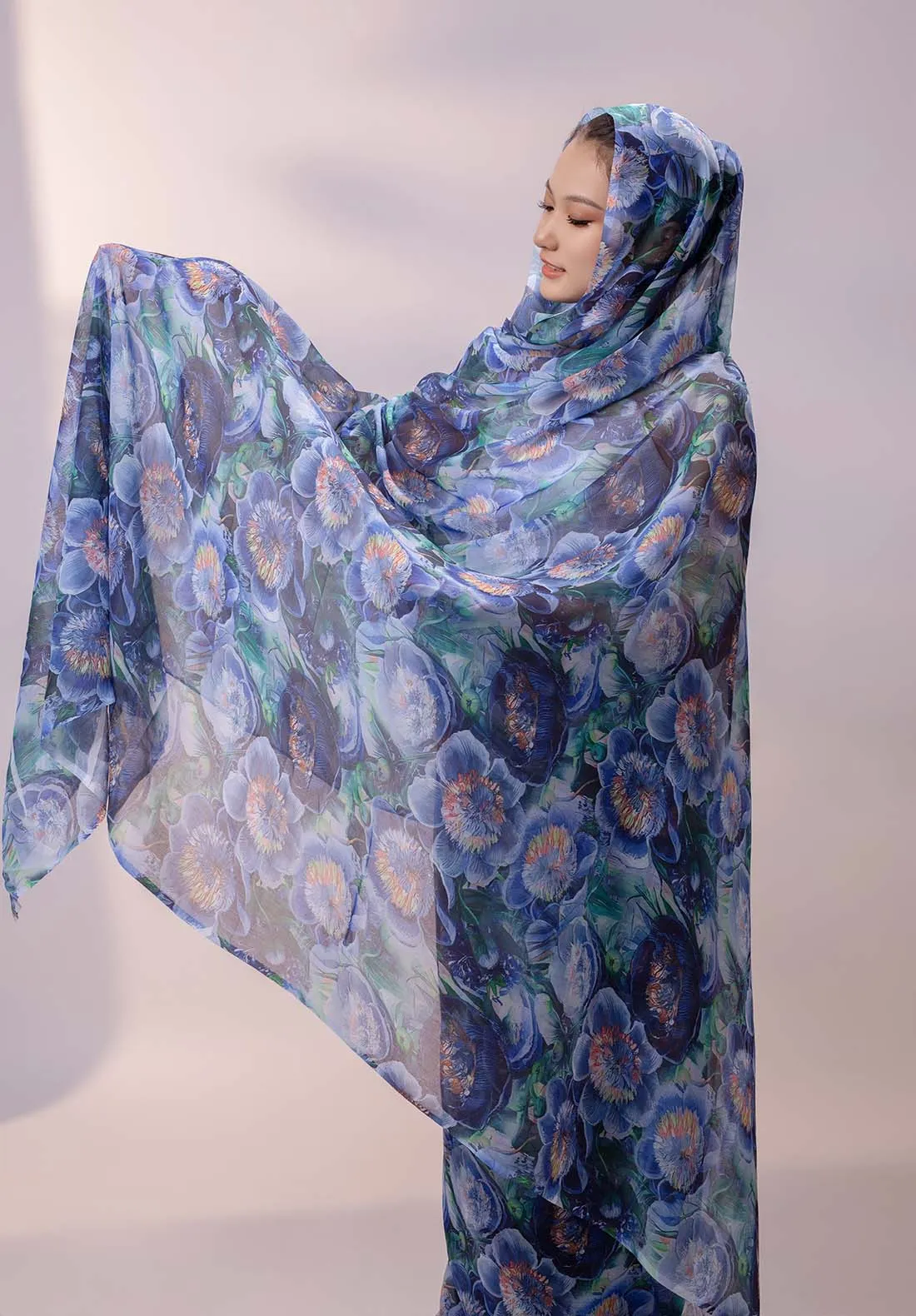
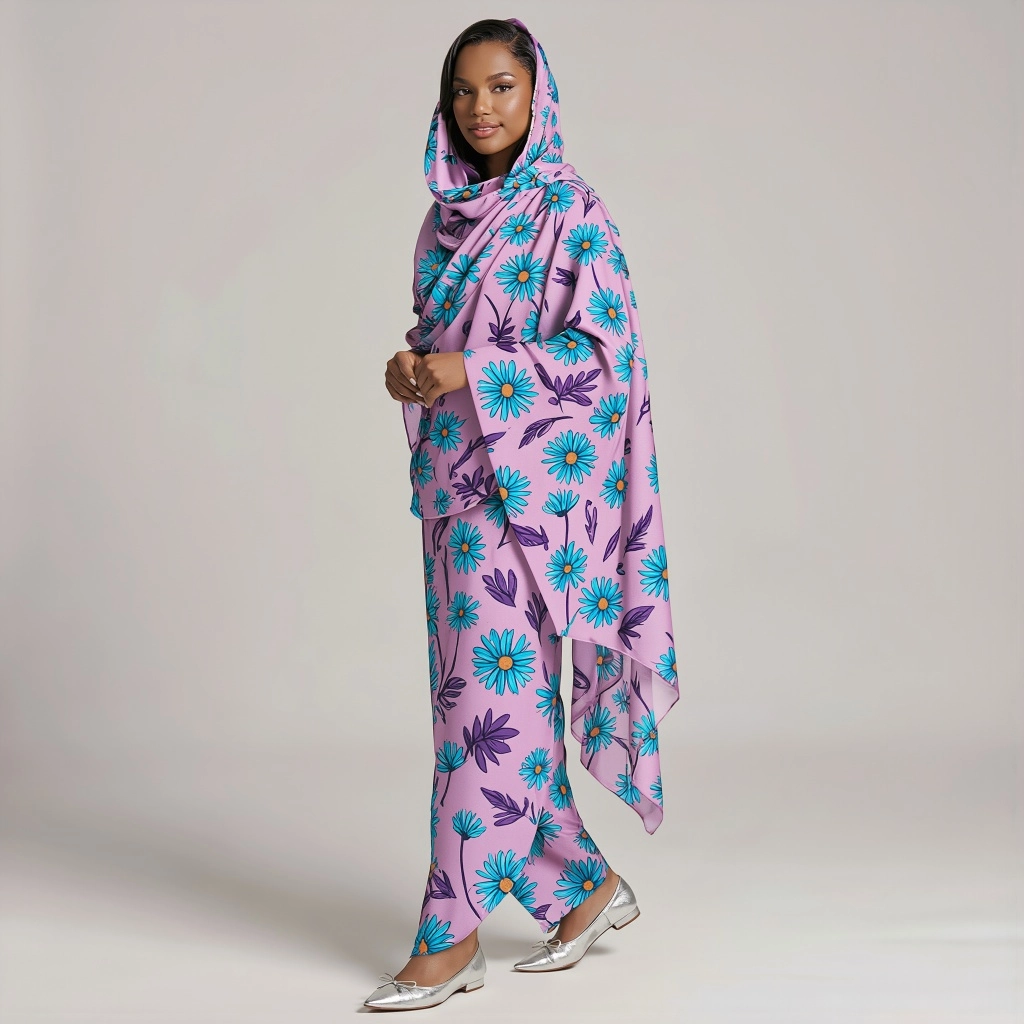
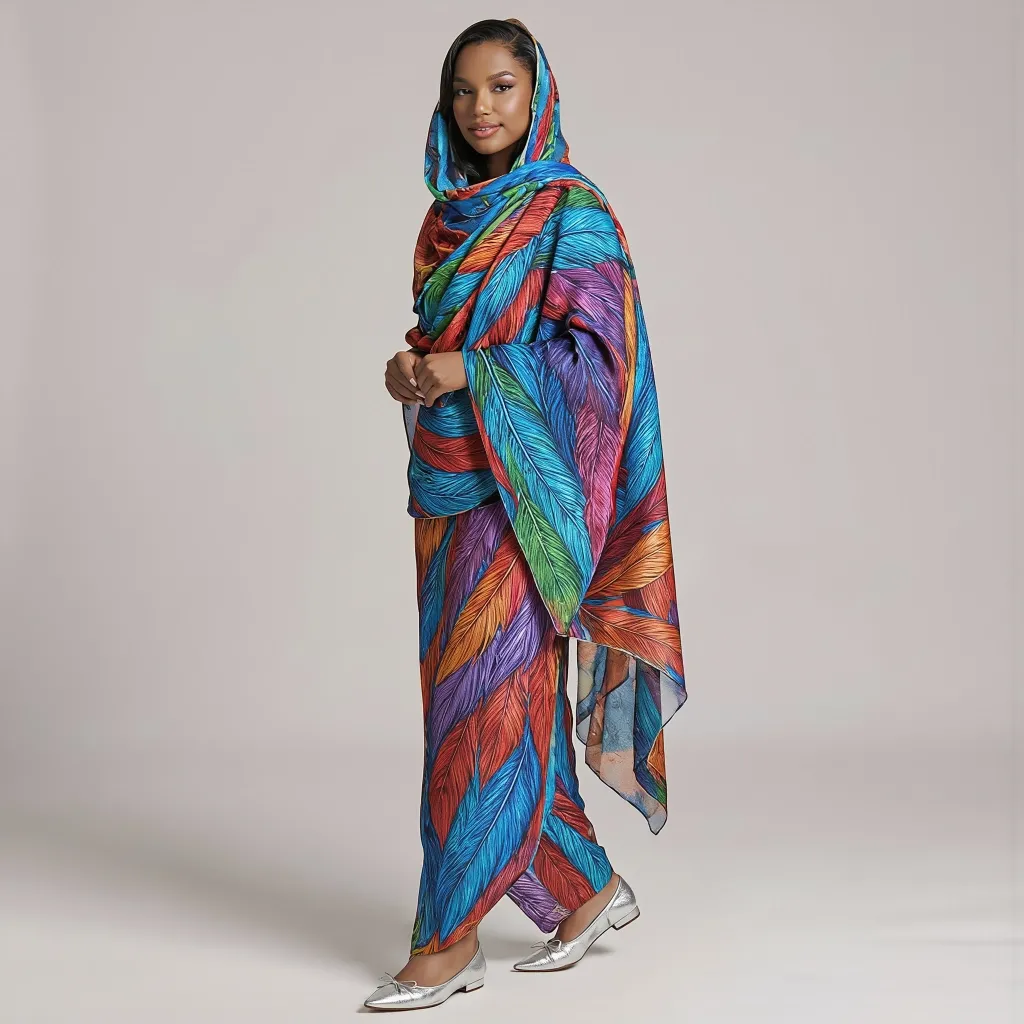
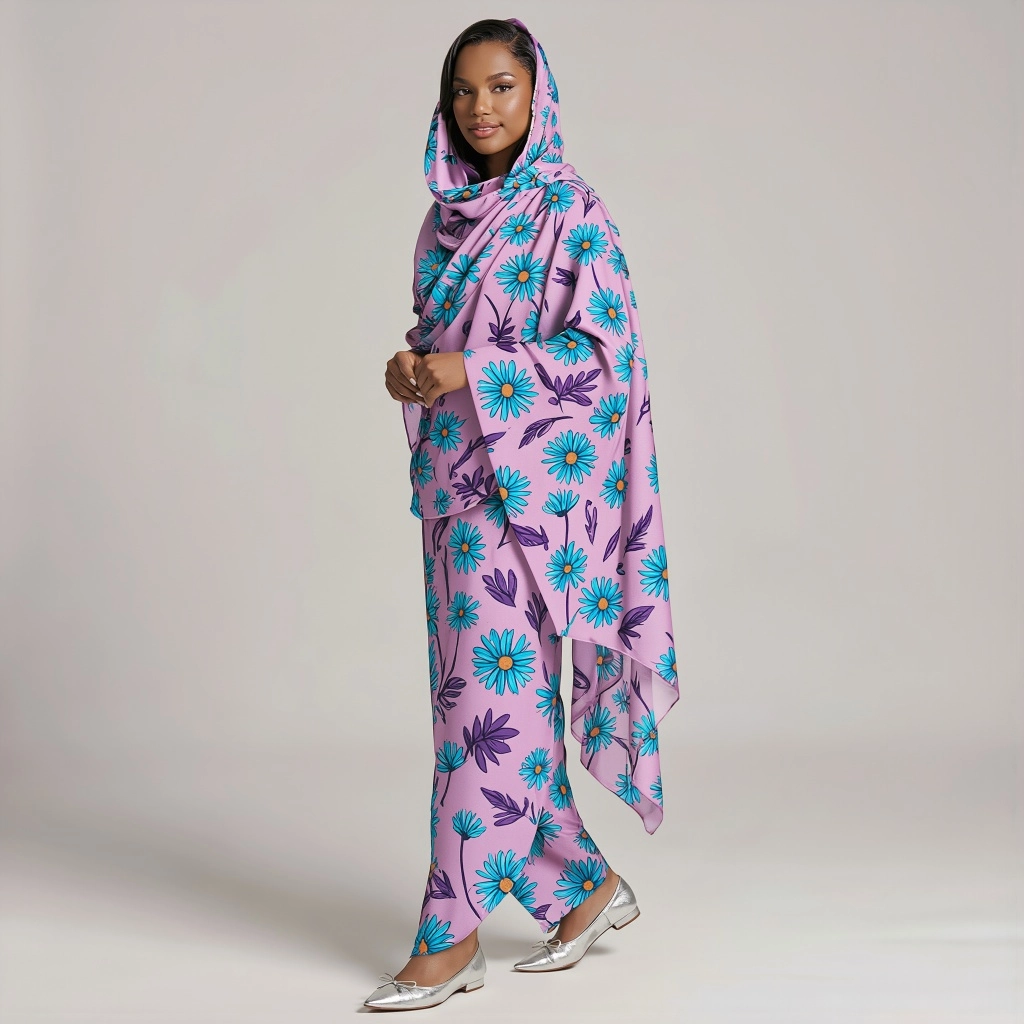
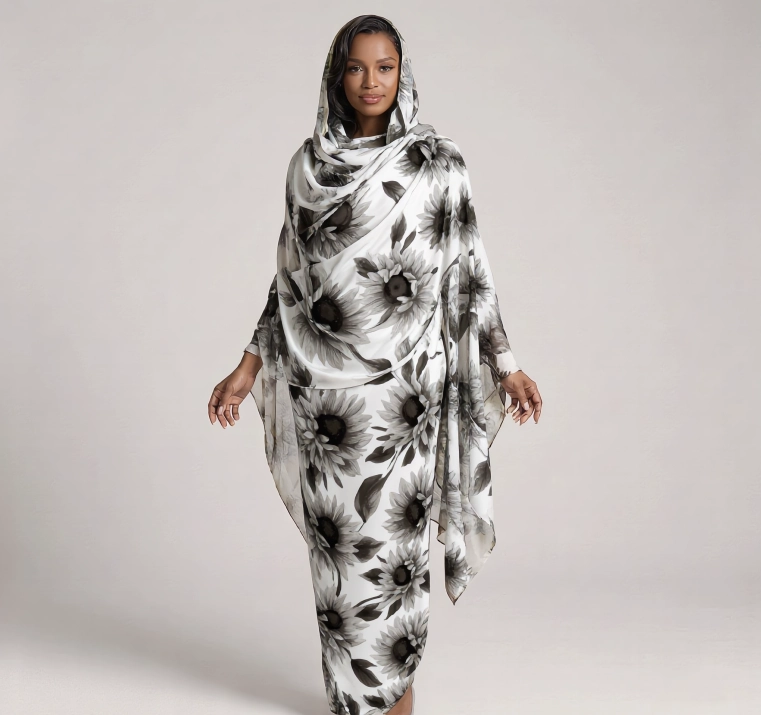
For Sudanese Toub wholesale orders, size matters. Jinlai Textile lists Sudanese women’s toub products in a 1.5m × 4.5m specification, and 4.5m sizing is commonly required for Africa and Middle East buyers. Before production, buyers should confirm whether this size is fixed, adjustable, or subject to cutting tolerance.
A supplier that avoids basic details may still be able to produce. But unclear details before deposit usually create longer arguments after delivery.
Confirm what the sample represents
A sample should not be treated as decoration. It is the reference for bulk production.
Before approval, buyers should check:
· hand feel
· opacity
· drape
· size
· shade under daylight
· shrinkage after washing
· pilling tendency
· finishing after folding
Photos are useful at the first stage, but they are not enough for final approval. A fabric can look bright in photos and still feel stiff in hand. A decorative finish can look clean when flat, then show issues after folding or packing.
For better control, one approved sample should stay with the buyer, and one should stay with the supplier. Both sides then have the same reference when bulk goods are checked.
Audit Fabric Quality Before Bulk Cutting
Check comfort, coverage, and drape
Sudanese Toub buyers often look for lightweight voile fabrics because they suit warm climates and modest dressing. Cotton voile or polyester voile may be selected depending on hand feel, budget, opacity, and order requirements.
The supplier should be able to explain how the fabric behaves in real use. Does it wrap cleanly? Does it feel too sheer? Does it become rough after washing? These are not small questions. They affect how the product is received after sale.
A useful fabric audit is simple: touch it, fold it, wrap it, hold it against light, and wash it once when time allows. If the sample fails there, the bulk order will not improve by itself.
Control shade and bulk tolerance
Color control should be discussed before production starts. Neutral colors, soft shades, and decorative finishes can shift under different lighting. Buyers should check samples under daylight and store-style lighting when possible.
For bulk production, the supplier should clarify how close the goods will stay to the approved sample. Small shade differences may be acceptable in some orders, but they should never be a surprise. If color tolerance is not discussed before deposit, complaints become harder to solve later.
Review Production Capacity and Lead Time
Do not accept timing blindly
Lead time should be realistic, especially for custom Sudanese Toub orders. Ready designs are usually faster. Custom colors, printing, labels, special packing, or decorative finishing take longer.
Jinlai Textile’s product information notes that ready designs usually take about 10–20 days, while customized orders may take around 20–35 days depending on quantity and order details. Buyers should still confirm timing for each order, because production schedules can change during busy seasons.
A very fast promise is not always a good sign. If the order includes custom fabric, special colors, or detailed packing, buyers should ask how the supplier plans to meet the date.
Check production strength
Production capacity matters when buyers plan repeat wholesale orders or larger shipments. Jinlai Textile has its own fabric production base, more than 500 air-jet looms, and daily fabric output exceeding 100,000 meters. For procurement teams, this is useful when fabric supply, timing, and order continuity matter.
Still, capacity alone is not enough. Buyers should also check communication speed, production updates, sample records, and whether inspection can be arranged before shipment.
Confirm Custom Details in Writing
Custom work should be written clearly before bulk production. This includes color, size, label, packaging, print position, finishing method, carton marks, and any private-label requirement.
A common problem in sourcing is assuming both sides “know what was meant.” That is risky. A short written order sheet can prevent many disputes.
For Sudanese Toub orders with decorative finishing, buyers should also confirm how the fabric will be folded and packed. Some finishes look good on open fabric but need careful handling during packing. If this is checked only after production, options are limited.
Before shipment, buyers can ask the supplier to pull two or three random pieces from different cartons and compare them with the approved sample. For larger orders, a simple pre-shipment inspection based on the approved sample and order sheet can also reduce last-minute surprises.
Supplier Audit Checklist Before Bulk Orders
Before confirming bulk production, buyers can use this compact checklist.
Audit Point | What to Check | Buyer Risk if Ignored |
Sample | hand feel, opacity, drape, shade | bulk goods may not match expectations |
Size | 1.5m × 4.5m or agreed custom size | wrapping and coverage issues |
Fabric | voile type, softness, washing result | poor comfort or higher complaints |
Color | daylight check and sample reference | shade disputes after delivery |
Cutting | length, width, tolerance | uneven packing and fit problems |
MOQ | stock MOQ and custom MOQ | wrong buying plan |
Lead time | ready order or custom order timing | missed selling window |
Packing | label, carton mark, folding method | sorting and delivery confusion |
Inspection | random carton check before shipment | hidden defects arrive too late |
Records | approved sample and order sheet | difficult repeat control |
A checklist like this keeps the conversation grounded. It also helps buyers compare suppliers more fairly instead of choosing only by price.
Warning Signs When Comparing Suppliers
Some red flags should slow the order down:
· The supplier gives a low price but avoids fabric details.
· The sample is approved, but bulk tolerance is not discussed.
· Lead time sounds too fast for the order type.
· Packing and labels are left until the last minute.
· The supplier cannot explain washing or shrinkage checks.
· Production updates are vague after deposit.
· Random carton inspection is not welcomed.
· Repeat order records are not kept.
One warning sign may be manageable. Several together should lead to more questions before payment.
Working With Jinlai Textile Before Bulk Production
Jinlai Textile fits buyers who want clearer control before bulk production. Importers and distributors can review lightweight voile options, printed or plain styles, custom colors, OEM/ODM work, labels, packaging, and bulk order details before production starts.
The buying process stays practical: check the fabric, approve the sample, settle the size and packing details, then move into production. For later orders, the approved sample gives both sides a clear reference. With fabric production capacity and checks for color fastness, shrinkage, pilling, and repeated washing, Jinlai Textile helps buyers keep sample review, production checks, and shipment control in one sourcing process.
Conclusion
A Sudanese Toub supplier audit should focus on the details that can damage a bulk order: unclear fabric information, weak sample control, shade variation, cutting tolerance, vague lead time, late packing decisions, and missing inspection steps. Price still matters, but it should never replace basic supplier checks.
For importers, wholesalers, distributors, and brand owners looking for a Sudanese Toub supplier for importers in Africa and the Middle East, Jinlai Textile can prepare samples, quote wholesale orders, review custom requirements, and confirm packing details before production. To get a clearer quote, send the target market, preferred fabric, size, quantity range, color direction, and packing needs for sample options and bulk order discussion.
FAQ
Q1: What should buyers check before choosing a Sudanese Toub supplier?
A: Check the sample, fabric details, 4.5m sizing, MOQ, lead time, packing method, and whether carton inspection is possible.
Q2: Why is sample approval important for Sudanese Toub wholesale orders?
A: The sample shows the real hand feel, shade, drape, opacity, size, and finishing before bulk production starts.
Q3: How can buyers reduce shade problems in bulk orders?
A: Keep an approved sample, check color under daylight, and compare random bulk pieces before shipment.
Q4: What details should be written before deposit?
A: Write down size, color, labels, packaging, finishing method, carton marks, MOQ, lead time, and sample reference.
Q5: What are red flags when comparing Sudanese Toub suppliers?
A: Be careful with vague fabric details, rushed delivery promises, unclear tolerance, late packing discussion, or slow replies after deposit.