Sudanese Toub Wholesale Reorders: How Buyers Match Colors Across Batches
Sudanese Toub wholesale reorders become risky when a buyer treats a repeat PO as a request to make the same design again. A successful carryover needs an owned reference, a list of what stays unchanged, and a written decision on any visible difference. The objective is not to promise a perfectly identical shade; it is to give the supplier evidence to reproduce the approved version and give the buyer a fair way to accept, separate, or revise the batch.
Start after the selling team has identified the style worth replenishing. The retail reorder selection guide helps with that assortment decision; this guide begins later, when the buyer must control color and version continuity for the next batch.
Decide whether the reorder is really the same product
Before asking for a price, freeze the carryover identity. Record the supplier item reference, your own SKU, base fabric, width or finished size, print or plain designation, main colors, finish, artwork version, and packaging label.
If one of these fields changes, the order may be a new colorway or SKU even when the sales name sounds familiar. This prevents a buyer from comparing an old sample with a new specification and then blaming shade variation for a broader product change.
Separate commercial continuity from visual memory. A sales photograph locates a design but is a weak approval standard because screens, lighting, compression, and surrounding colors alter perception. A retained swatch, numbered sample, or supplier-approved reference is more useful. Keep it with the PO file and write who approved it, when, and which fields were allowed to change.
· Carry forward: SKU, material route, finished dimensions, artwork file and named color areas.
· Decide explicitly: a changed border, metallic effect, finish, label, fold method or carton mark.
· Create a new version record when a change is commercially visible, even if the supplier keeps the old design name.
Give the supplier an unambiguous color reference
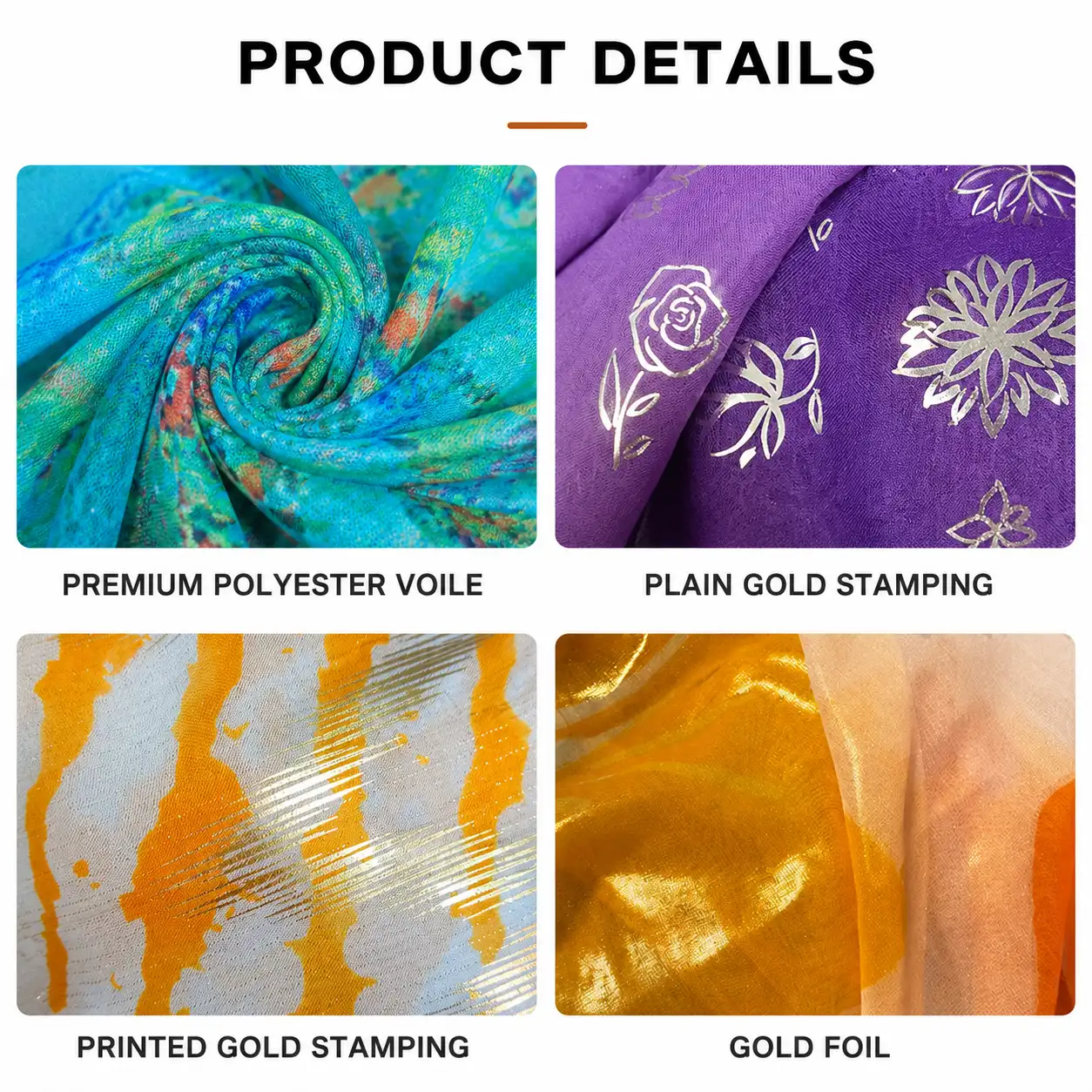
Jinlai Textile's custom Sudanese Toub route supports printed, plain and custom patterns, with cotton voile and polyester voile options described for development. It also identifies custom colors and sizes, and it accepts samples or Pantone references as inputs for color matching.
To make these inputs repeatable, rank them before sending them and state what each controls. The hierarchy below keeps physical, digital, and material references distinct.
Build the reference hierarchy
Send the physical reference first and use a Pantone number, if relevant, as a supplement rather than a substitute. Add a short note about the fabric ground, print coverage, metallic or other finish, and the lighting under which the reference was approved. A color code without material context can be misleading: the same visual target may read differently on a different base or after a different finishing process.
For a new or adjusted design, review the custom Sudanese Toub range and state whether the request is an exact carryover, a controlled color change, or a new pattern. Ask the supplier to return the reference ID in the quotation and sample correspondence so the commercial record does not depend on an informal chat description.
Reference field | Buyer record | Why it matters |
Physical shade | Sample ID, retained swatch and approval date | Anchors the comparison to a real object |
Digital support | Pantone or measured code when available | Helps identify the intended color, but does not replace the swatch |
Material context | Fabric route, finish and artwork version | Explains why a similar color may appear different |
Decision owner | Named buyer and acceptance status | Prevents an unapproved batch becoming the new standard |
Approve a new batch without promising identical color
Once the reference is fixed, agree how differences will be judged before inspection. The next step turns comparison into an approval status, not a debate over memory.
Define the approval decision
A repeat-order approval should describe the comparison conditions before production or dispatch. Decide who will inspect, which sample is the control, whether daylight or a specified light source will be used, and how the buyer will record an exception.
Do not invent a numerical tolerance unless the parties have agreed one for the specific project. A plain-language status such as approved, revise, or hold for review is more defensible than an unsupported promise of zero difference.
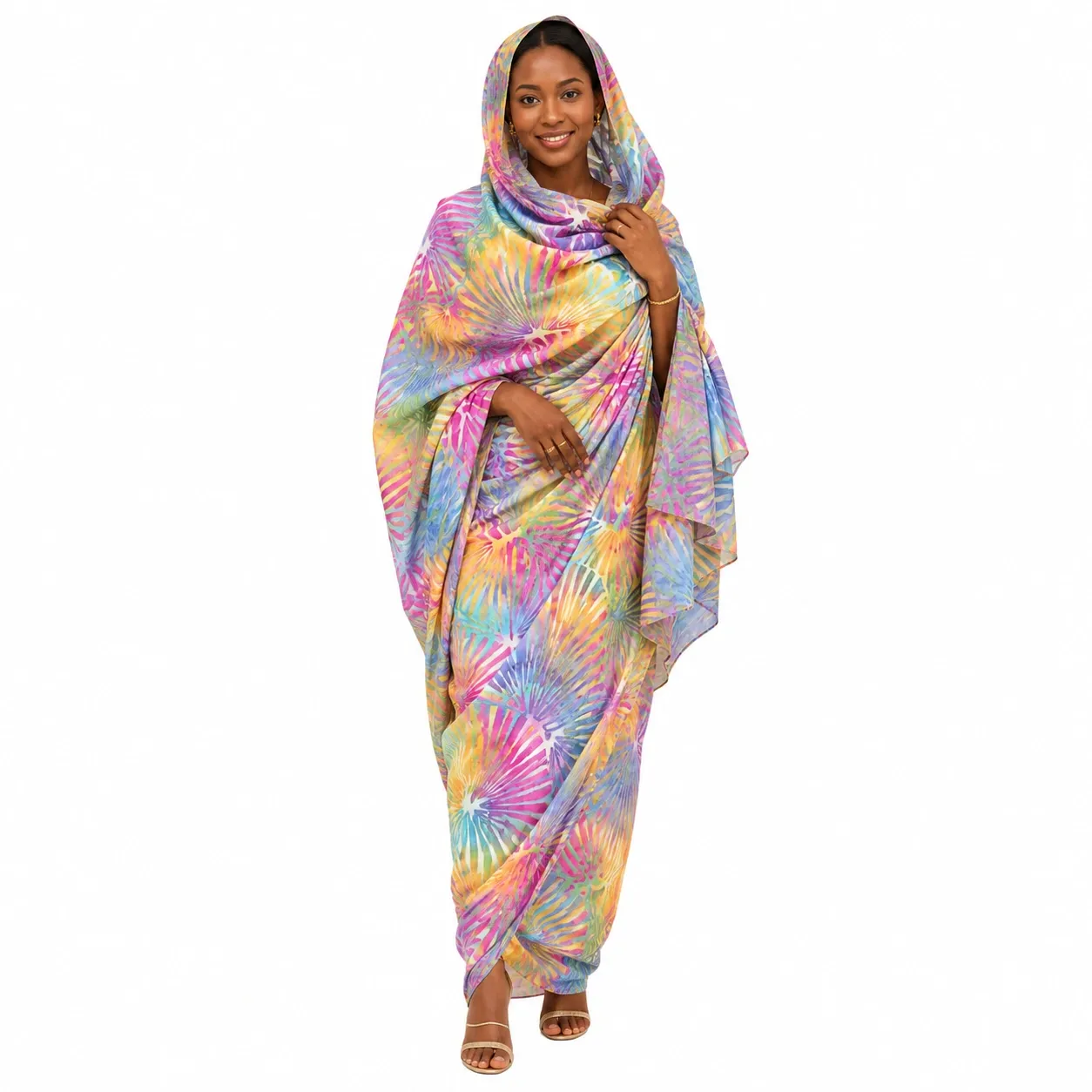
1. Compare the retained reference and the new sample in the same viewing area, with the color fields and finish visible.
2. Check the full design, not only one large color patch; borders, gradients, metallic areas and white grounds can reveal a version change.
3. Record the result against the SKU and sample ID. If the difference is acceptable for the intended channel, document that decision instead of silently replacing the old reference.
4. If the difference changes the retail identity, isolate the batch, request clarification, or treat it as a new version before allocation.
This approval step is narrower than a general inspection. Use the broader fabric quality checklist for construction and first-batch checks, then keep the reorder record focused on version continuity. That separation helps a buyer identify whether a complaint concerns color identity, physical quality, packing, or a combination of issues.
If the supplier cannot reproduce the reference exactly, the buyer still has choices. Accept the new shade as a controlled version, use it for a separate market or season, or request a further sample before authorizing bulk production. The right choice depends on the retailer's promise to customers and the cost of splitting inventory; it should be made openly rather than inferred from a production photo.
Keep multi-store and mixed-batch stock separate
When old and new batches overlap, record version IDs at receiving and allocation. Do not merge rolls or finished pieces into one SKU if customers may compare them side by side. A buyer can sell a controlled variation when the sales team knows which stores or delivery windows received it. This matters for wholesale customers expecting a later top-up to match a displayed sample.
Use a simple stock note: reference sample, batch or lot identifier supplied by the parties, observed difference, approval decision, and remaining quantity. If the variation is not commercially meaningful, the note still preserves the reason for continuity. If it is meaningful, the record supports a new SKU, a separate product description, or a targeted customer notification without assigning fault before the evidence is reviewed.
Avoid promising that a shade will be identical across future production without a project agreement. A controlled textile process can be judged differently when fabric, light, finish, and display context change. The buyer's protection is traceability: one approved reference per version and one decision recorded for each incoming batch.
Send a repeat-order brief that can be checked
Jinlai Textile's OEM and ODM development service can work from a buyer's design, idea, or reference image and can support woven labels, packaging, and localized labelling. For a confirmed repeat, use those services to clarify which elements are carried forward and which are being developed. They do not remove the buyer's responsibility to identify the approved version, review samples, or confirm the commercial record before bulk production. This keeps specific development separate from a claimed exact repeat.
Write the RFQ so another team member can check it without opening a message history. Include the old PO number, your SKU, the retained sample ID, the fabric and size, artwork or color references, any allowed changes, packaging and label version, and the required approval point. Ask the supplier to quote the same line structure and to flag any field that cannot be carried forward.
· Subject line: exact repeat, controlled color change, or new version.
· Reference pack: retained swatch or sample ID plus digital artwork and color notes.
· Acceptance record: reviewer, comparison conditions, status, and date.
· Commercial follow-up: quantity, packing, labels, and the contact responsible for exceptions.
This format also improves the next conversation with a supplier. A buyer can ask for a repeat-order quotation, a sample review, or a custom development path without mixing three different requests. It reduces ambiguity while leaving room for the supplier to confirm what is technically and commercially available for the particular order.
Conclusion
Color continuity in Sudanese Toub wholesale reorders is a record-keeping and decision problem as much as a production problem. First identify the exact carryover item, then preserve a physical reference, add useful digital support, define the comparison conditions, and document whether the arriving batch is approved, revised, or a new version. Keep mixed batches traceable so a successful reorder remains commercially honest.
When you are ready, send the supplier the SKU, approved reference, unchanged specifications, permitted changes, packaging details, and the point at which you need sample approval. For a project-specific quotation or repeat-order discussion, contact Jinlai Textile with that brief rather than relying on a product name alone.
FAQ
How can a buyer compare the next batch with an approved Toub sample?
Use the retained physical sample as the control, compare under consistent lighting, and check the complete design, base fabric, finish, and size context. Record the sample ID, reviewer, date, and decision. A photograph or Pantone reference can support the record, but it should not silently replace the physical reference when the buyer's commercial promise depends on a close visual match.
When does a new color become a new SKU?
Treat it as a new SKU or version when the difference is visible enough to affect customer expectations, allocation, product description, or replenishment decisions. The threshold is commercial and project-specific. If the parties accept a controlled variation, keep the approval note and batch identity instead of overwriting the earlier reference.
Should a Pantone number be the only color instruction?
No. Use it as a helpful supplement to a physical sample and material context. State the fabric route, finish, artwork version, and viewing conditions as well. That combination gives a supplier a clearer target and gives the buyer a better record if the next sample needs review.