How Wholesale Buyers Compare Sudanese Toub Fabric Specifications
Sudanese Toub fabric specifications wholesale buyers can compare are the fields that turn a product description into an order reference. GSM, width, finished length, weave consistency, color data, print method and shrinkage are useful only when the supplier defines how each field is measured and which product version it describes. A buyer should not choose a material from the word premium alone.
The practical answer is to request a product-specific specification sheet before comparing quotations, then test the important fields against a representative sample. This approach helps importers, distributors and private-label brands separate confirmed product data from marketing language, identify gaps before payment or production, and prepare a more defensible RFQ without inventing technical requirements.
Why a specification sheet matters more than a product adjective
A supplier may describe a Sudanese Toub as lightweight, breathable, smooth, premium or high quality. Those words can help a buyer start a conversation, but they do not define the material well enough for a repeat order.
Two fabrics with similar names can behave differently in drape, cutting, printing, packing and customer use. A specification sheet creates a shared reference for the buyer, supplier and inspection team.
The sheet is not a substitute for sampling or an automatic compliance certificate. It is a structured request for information. The buyer still needs to confirm the test method, tolerance, sample identity, order version and destination-specific obligations before treating a field as approved.
Fields to include before asking for a quotation
Field | Why it matters | What the supplier should confirm |
Fiber or material composition | Changes hand feel, care, drape and customer expectation | The composition for the exact product and order version |
GSM or weight description | Helps compare lightness, body and packing behavior | The measurement basis, tolerance and sample or lot reference |
Width and finished dimensions | Affects cutting, wrapping, yield and presentation | Whether the figure is fabric width, finished piece size or another measure |
Weave and surface | Influences print clarity, touch and visible consistency | The construction description and acceptable variation |
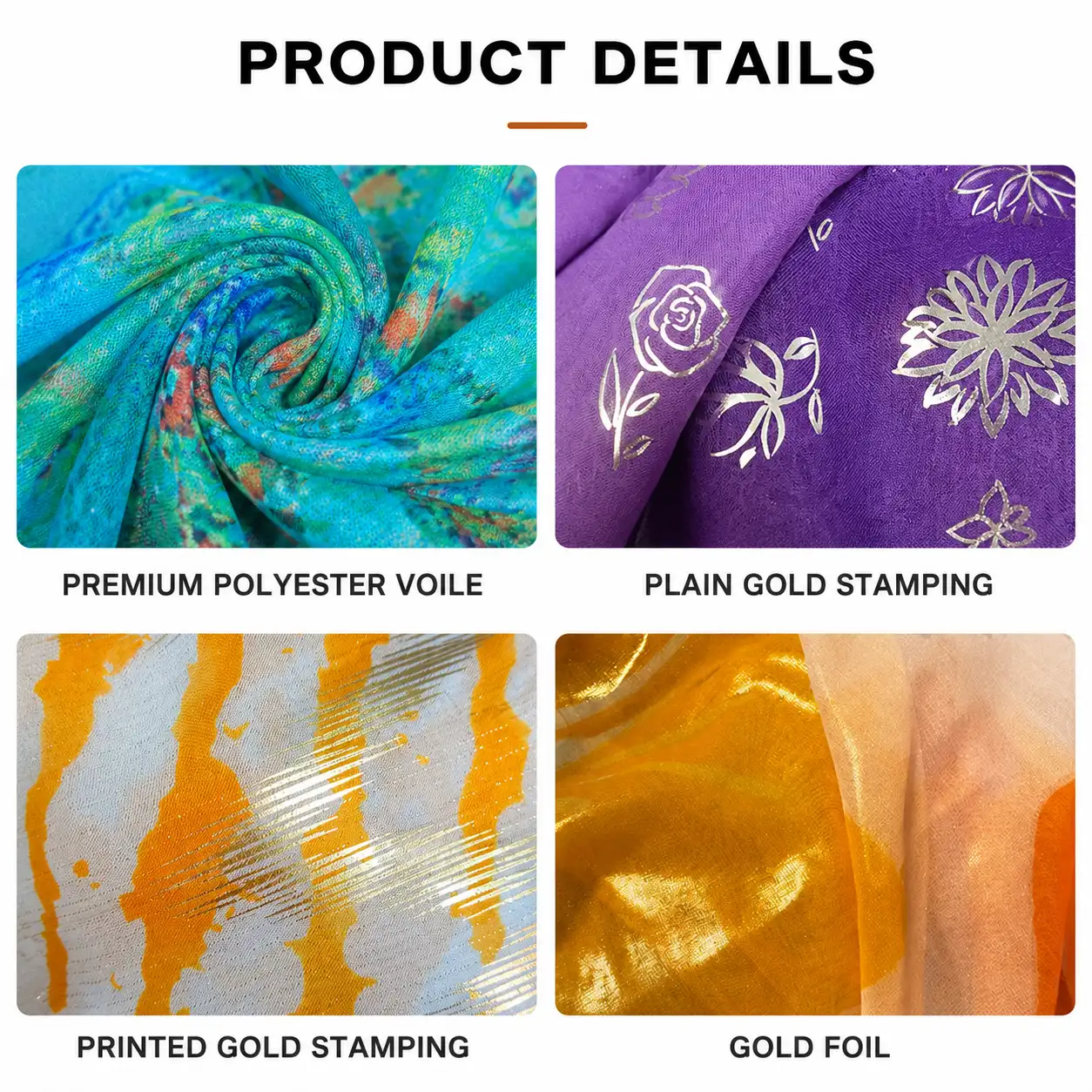
Color and finish method | Controls artwork, metallic effect and version identity | Color reference, print or finish process and approval sample |
Shrinkage and care evidence | May affect final dimensions and retail instructions | The test method, conditions and evidence for the selected construction |
The final column is deliberately written as a confirmation request rather than a promised Jinlai specification. Public product pages and supplier listings may use different labels for the same concept. The buyer's job is to normalize the fields before comparing two quotations.
Read GSM, width and finished dimensions together
GSM is useful only when the buyer knows what it represents and how it relates to the product format. A fabric weight does not by itself tell a retailer whether a finished Sudanese Toub will drape, fold or feel right. Width and finished dimensions matter at the same time because they affect the usable area, wrapping behavior, packing volume and the buyer's downstream process.
Ask whether a stated width is the usable fabric width, an unfinished width or the dimension of a finished Toub piece. Ask whether the measurement is taken before or after any relevant finishing step. If a supplier gives a single number without the measurement basis, record it as an open question rather than silently converting it into an order specification.
A dimension should also be connected to the sample identity. If a buyer approves one format and later receives another, the dispute is harder to resolve even when both items are called Sudanese Toub. The RFQ should therefore keep the product name, reference, dimensions and sample photographs or records together.
Check weave, drape and surface behavior with a representative sample
Technical fields cannot replace a physical review. A representative sample lets the buyer assess handle, drape, opacity, surface smoothness and the way the material responds to folding or wrapping. The review should match the intended retail use. A fabric chosen for a flowing everyday collection may require a different balance from one chosen for a structured premium presentation.
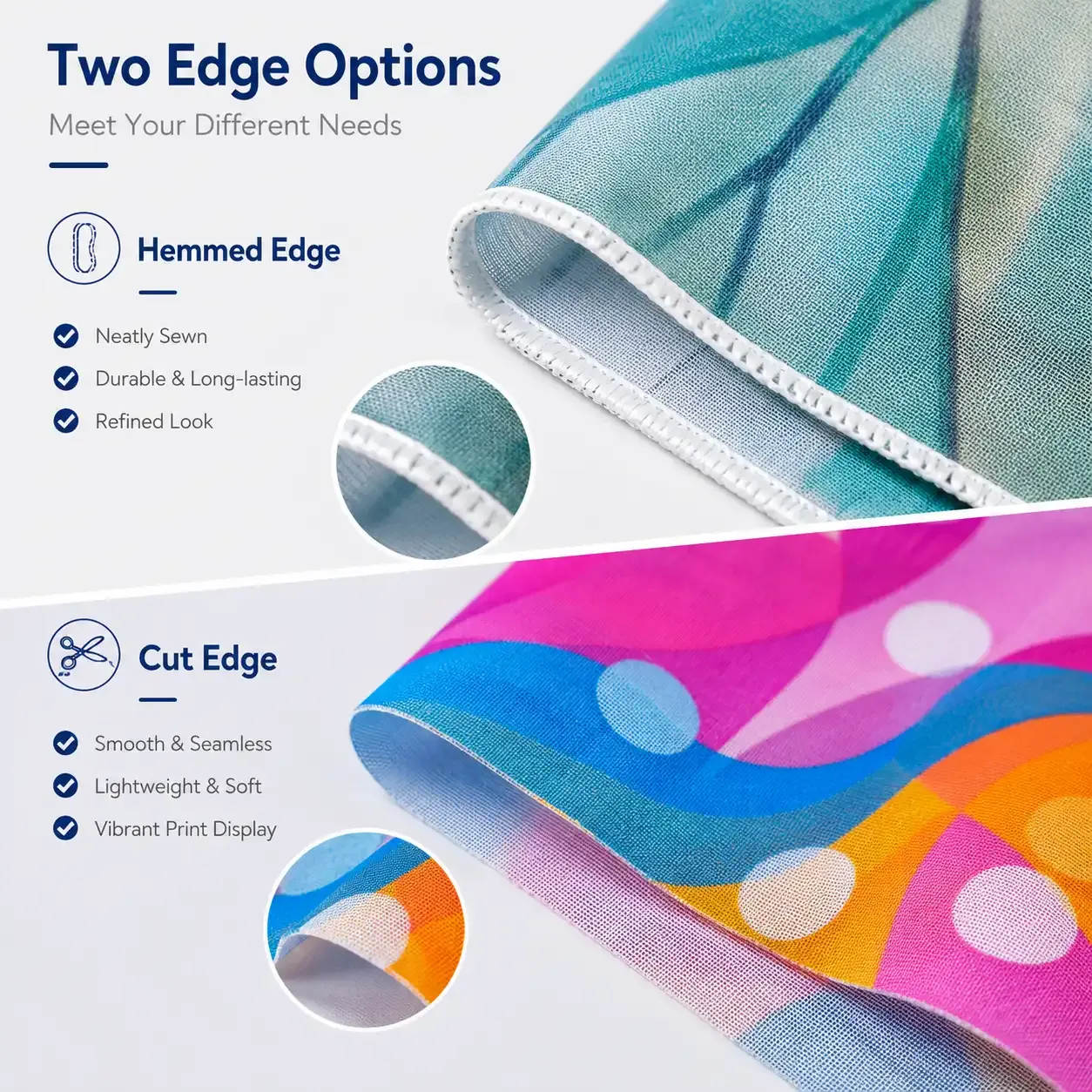
Use the sample to ask specific questions: does the surface remain visually consistent across the piece, does the fabric move as expected, does the border or motif sit where the buyer needs it, and does the selected width support the planned presentation? Record observations as acceptance notes rather than vague ratings such as excellent or luxury.
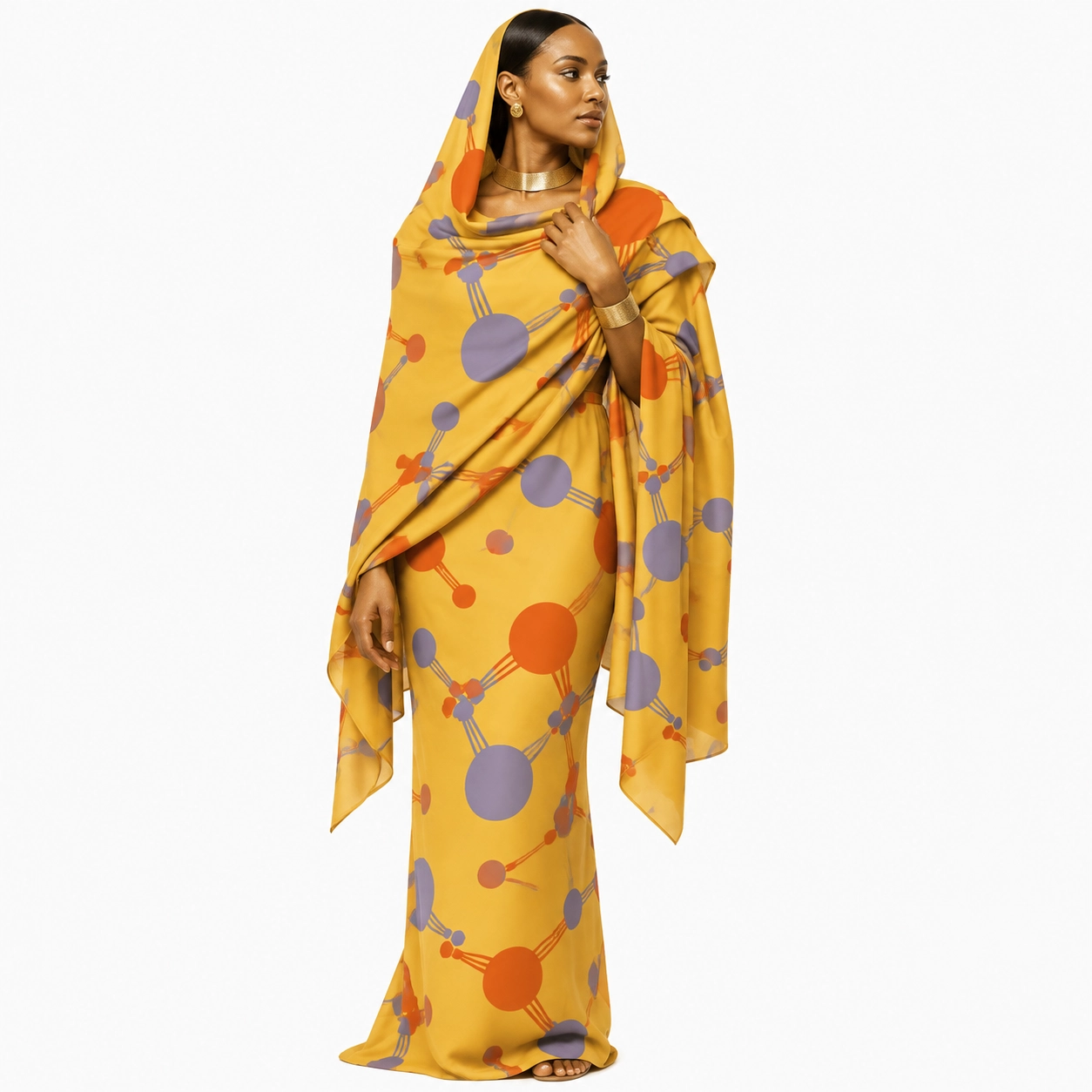
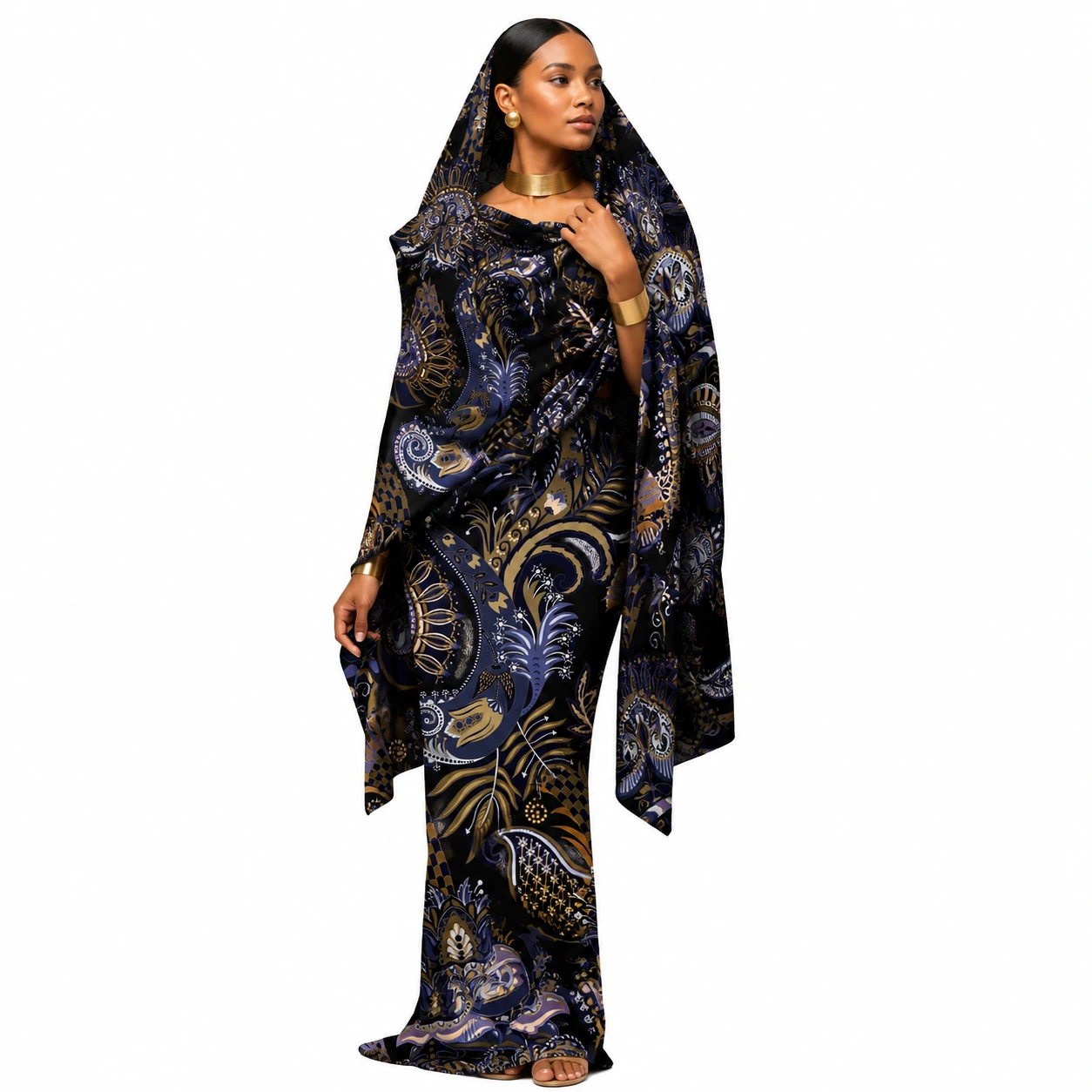
Jinlai Textile's published super cotton voile Sudan Toub route can be used as a product-level reference when a buyer wants to discuss a specific Sudanese Toub rather than a generic fabric category. The exact material wording, dimensions, design and finishing requirements still need to be confirmed for the selected order; a public listing should not replace the buyer's specification sheet.
Treat color and print data as version-controlled information
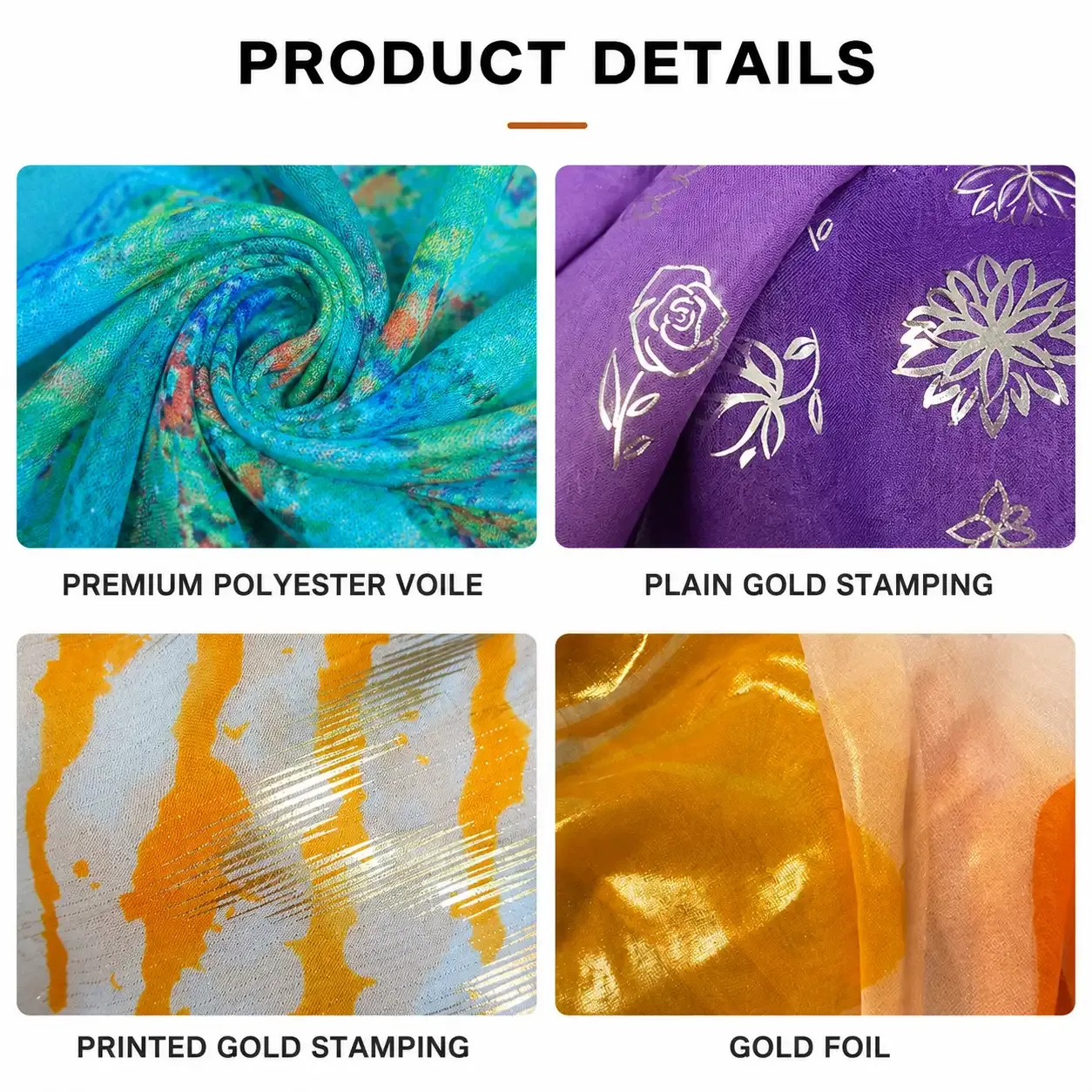
Color is often treated as a visual preference, but it is also an order-control field. Name the reference used for approval, identify whether the color applies to the base or printed area, and record any tolerance or lighting condition that matters to the decision. Screens, indoor lighting and photography can make a close color family appear more consistent than it is.
The finish method also belongs in the specification. Printed, plain, embroidered, stamped or otherwise decorated surfaces can require different artwork files and approval views. Do not use a product adjective as a substitute for the process description. If the order includes a custom pattern or finish, record the artwork version, placement, repeat direction and the sample that controls production.
A useful rule is to keep one approval record for each meaningful version. If the buyer changes a color, artwork, finish placement, label or packaging file, update the reference instead of relying on a message that says revised or same as before. This protects both the buyer's quote comparison and the supplier's production instruction.
Separate specification evidence from unsupported performance claims
A buyer may need information about shrinkage, colorfastness, pilling, tensile strength or care performance. These are legitimate questions, but the answer must identify the exact construction, test method and conditions. A generic statement such as colorfast or no shrinkage is not enough for a purchase decision and should not be copied into retail claims without supporting evidence.
When evidence is unavailable, write the limitation into the sourcing record: not provided, needs supplier confirmation, or requires buyer-side testing. It also tells the procurement team what must be resolved before approving a bulk order or publishing a care instruction.
Turn supplier replies into a comparable quotation
Once suppliers respond, compare like with like. Put the material, width, finished format, design or finish, label, packaging and evidence status on one line for each product version. Separate confirmed fields from assumptions and from items that depend on sampling. A lower price is not comparable when it covers a different material, size, finish or packing requirement.
1. Create one specification row for each product version, not one row for an entire collection.
2. Attach the sample or reference code used for the supplier response.
3. Mark every field as confirmed, sample-dependent, buyer-supplied or not evaluated.
4. Ask which measurement and test methods support technical claims.
5. Record the artwork, color and packaging version next to the commercial quote.
6. Reconfirm open fields before production, inspection and final product copy.
Use Jinlai product information as a starting point, not a substitute for confirmation
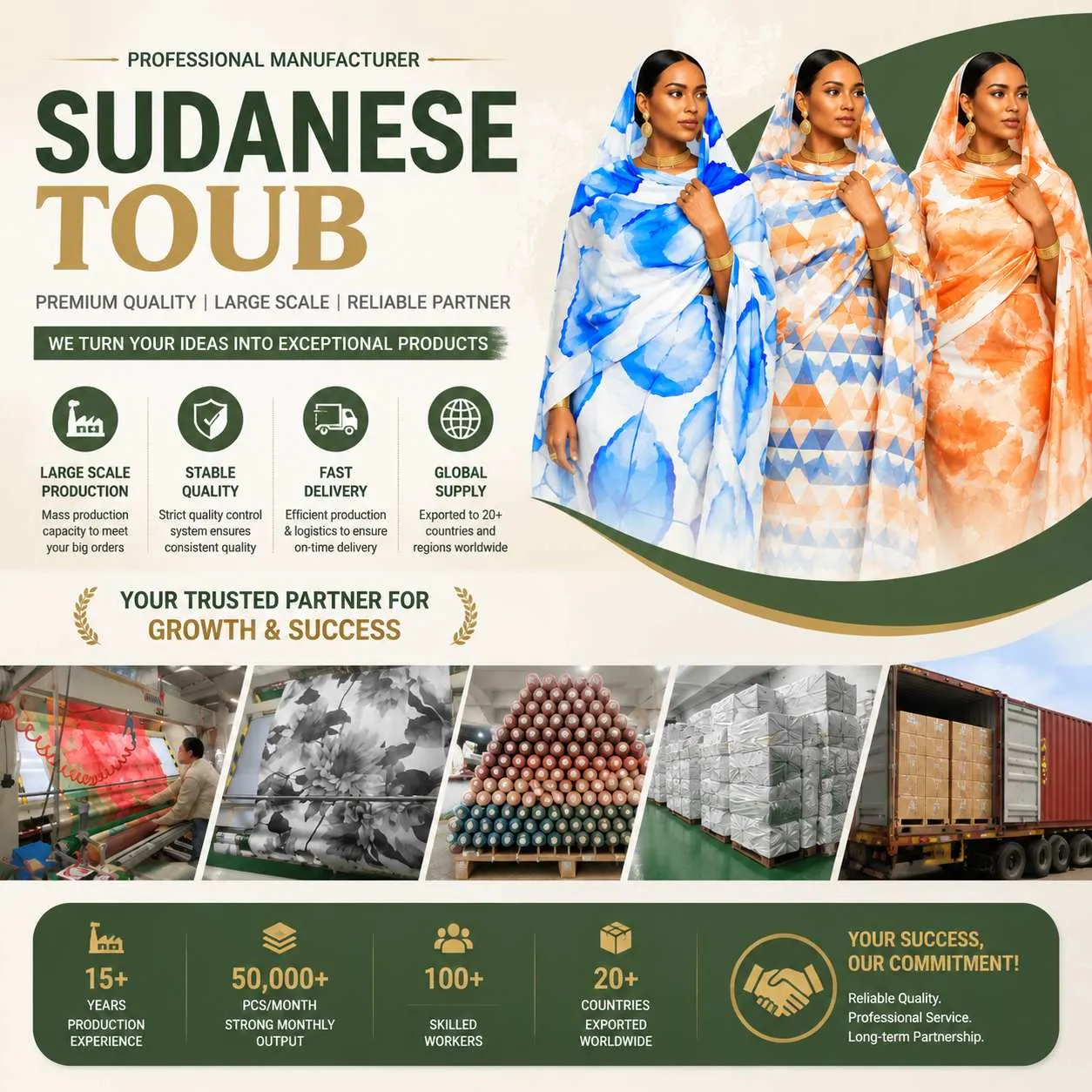
Jinlai Textile's Sudanese Toub product range gives buyers a concrete place to begin a product conversation, while its technical fields should be tied to the selected item and order. For a specification-led enquiry, send the product reference, intended use, required dimensions, material questions, color or artwork files, sample request and evidence needed for internal approval through the Jinlai product enquiry path. The contact team can then respond to a defined product brief rather than a generic request for quality fabric.
The company also publishes a material comparison guide that can help a buyer frame questions about fabric routes, but the final material and performance wording still belongs to the confirmed product specification. Use the guide to prepare the conversation, then ask for product-specific confirmation before treating a field as settled.
Jinlai Textile uses the product reference and open technical questions to focus specification discussions before sampling.
Where a specification guide should stop
A specification guide can improve quotation quality, but it cannot decide every commercial or regulatory question. Importers must verify destination-specific labeling, customs classification, consumer information and any required testing with the relevant authority or qualified broker. A supplier's general product description should not be treated as legal advice or as proof of compliance in every market.
Likewise, a technical field is not automatically a guarantee. The buyer should decide which evidence is essential for the intended channel, which risks can be managed through sampling, and which claims must be removed from the product copy until documentation is available.
Conclusion
Sudanese Toub fabric specifications wholesale buyers can use are the fields that make two quotations comparable: composition, weight description, width, finished dimensions, weave, surface, color, finish method and any relevant test evidence. None of these fields should be accepted as a universal value across every product.
Prepare the specification sheet first, tie every field to a sample or product reference, and mark open questions instead of guessing. For a product-specific Sudanese Toub enquiry, send Jinlai the material questions, intended use, dimensions, design or finish information and the evidence your procurement team needs.
Frequently Asked Questions
What specifications should I request for wholesale Sudanese Toub fabric?
Request the material composition, weight description or GSM basis, width, finished dimensions, weave or surface description, color reference, print or finish method, care information and any relevant test evidence. Ask the supplier to connect each field to the exact product version and sample used for the quotation.
Is GSM enough to compare two Sudanese Toub fabrics?
No. GSM can help describe weight, but it does not explain width, weave, drape, surface, color behavior or finished dimensions. Compare the measurement basis, inspect a representative sample and confirm the intended product format before treating two GSM figures as directly comparable.
Should a supplier guarantee shrinkage or colorfastness?
Do not assume a universal guarantee. Ask which construction, test method and conditions support the result. If evidence is not available for the selected product, record the field as open and avoid putting a performance claim into retail copy or care instructions.
How do specifications help with a private-label Sudanese Toub order?
They connect the product reference, material, dimensions, artwork, color, labels and packaging to one approved version. That makes it easier for the buyer and supplier to review the same item during sampling, quotation, production and future reorders.