Modest Fashion Wholesale 2026: Sudanese Toub Buying Guide for Retailers
Modest fashion is widening its product mix in 2026. In March, ASOS launched IYAL with 64 styles across occasionwear, tailoring, everyday pieces, and matching hijabs. For wholesale buyers, the useful signal is broader assortments: retailers have more room to introduce distinct categories instead of repeating the same scarf or dress in new colors.
Sudanese Toub can fit that space for the right customer base. It brings a distinctive full-wrap format into a modest fashion wholesale assortment and also connects naturally with the wider African clothing wholesale market. The buying case still has to work: who will buy it, where will it sit in the range, what material fits the price position, and can the approved product be repeated?
Those questions come before fabric selection or supplier comparison, so the first step is to decide whether Sudanese Toub genuinely fits the retailer’s existing assortment and customer demand.
Why Modest Fashion Retailers Are Adding New Categories in 2026
A new category can bring fresh traffic and a different customer into the store, but it also uses inventory budget, warehouse space, and merchandising time. A retailer already selling modest wear or African fashion may see potential in Sudanese Toub, yet the product needs a clear place in the assortment before a buyer starts comparing designs and quotations.
Use Market Demand to Decide Whether Toub Fits the Range
African clothing wholesale covers a broad group of products, from dresses and Ankara fashion to kaftans, scarves, and traditional garments. Sudanese Toub sits inside that wider discovery space, but its buying logic is different.
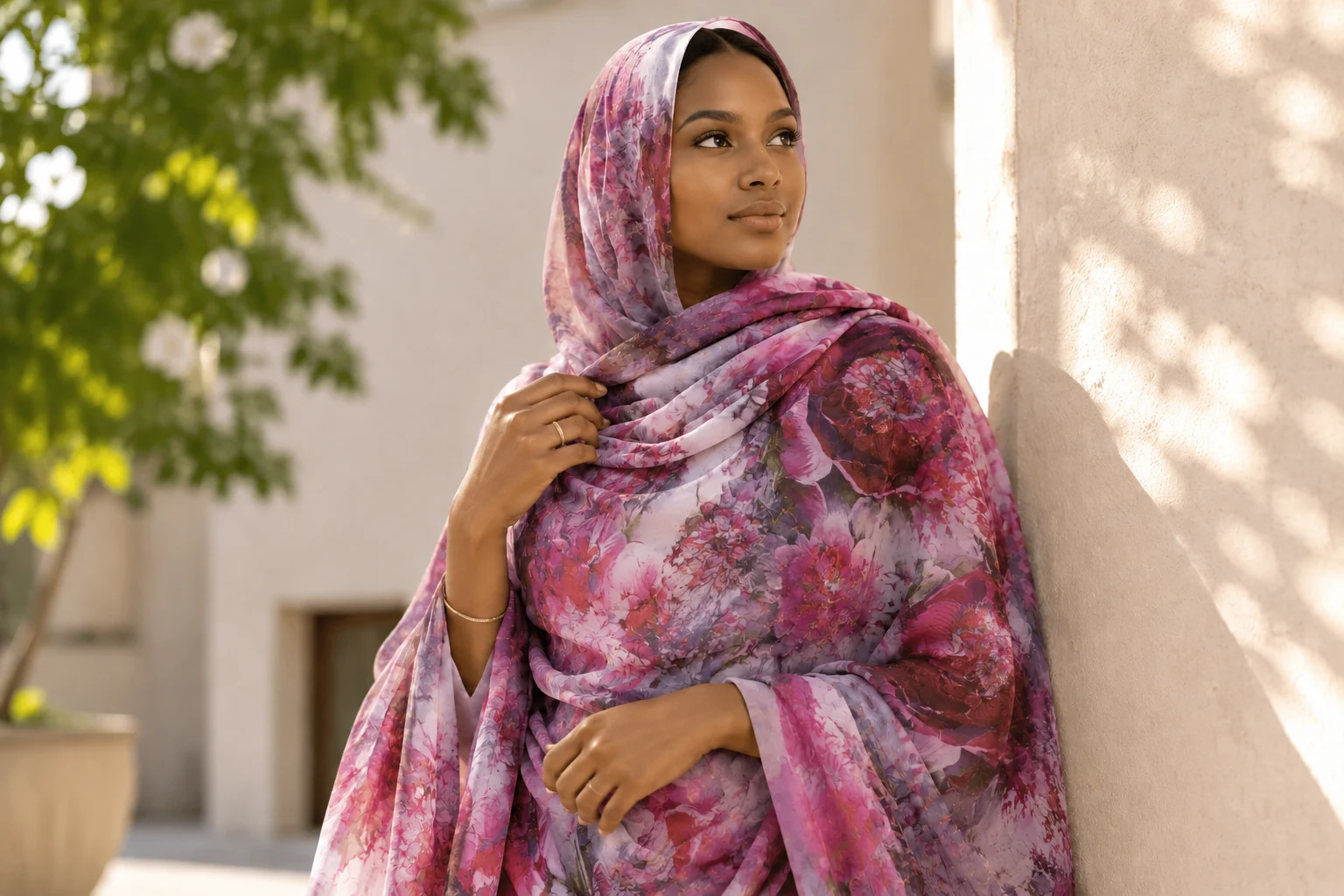
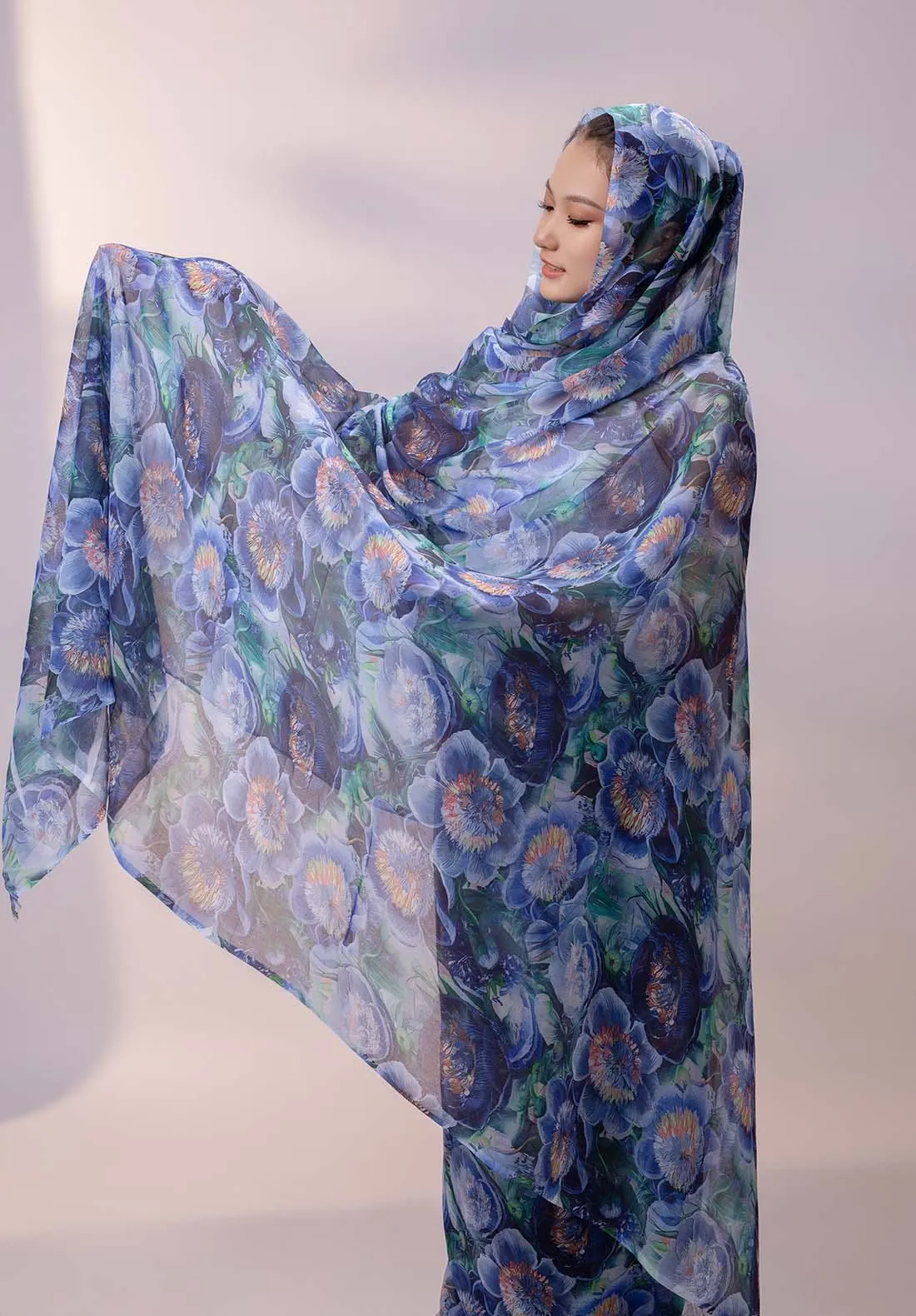
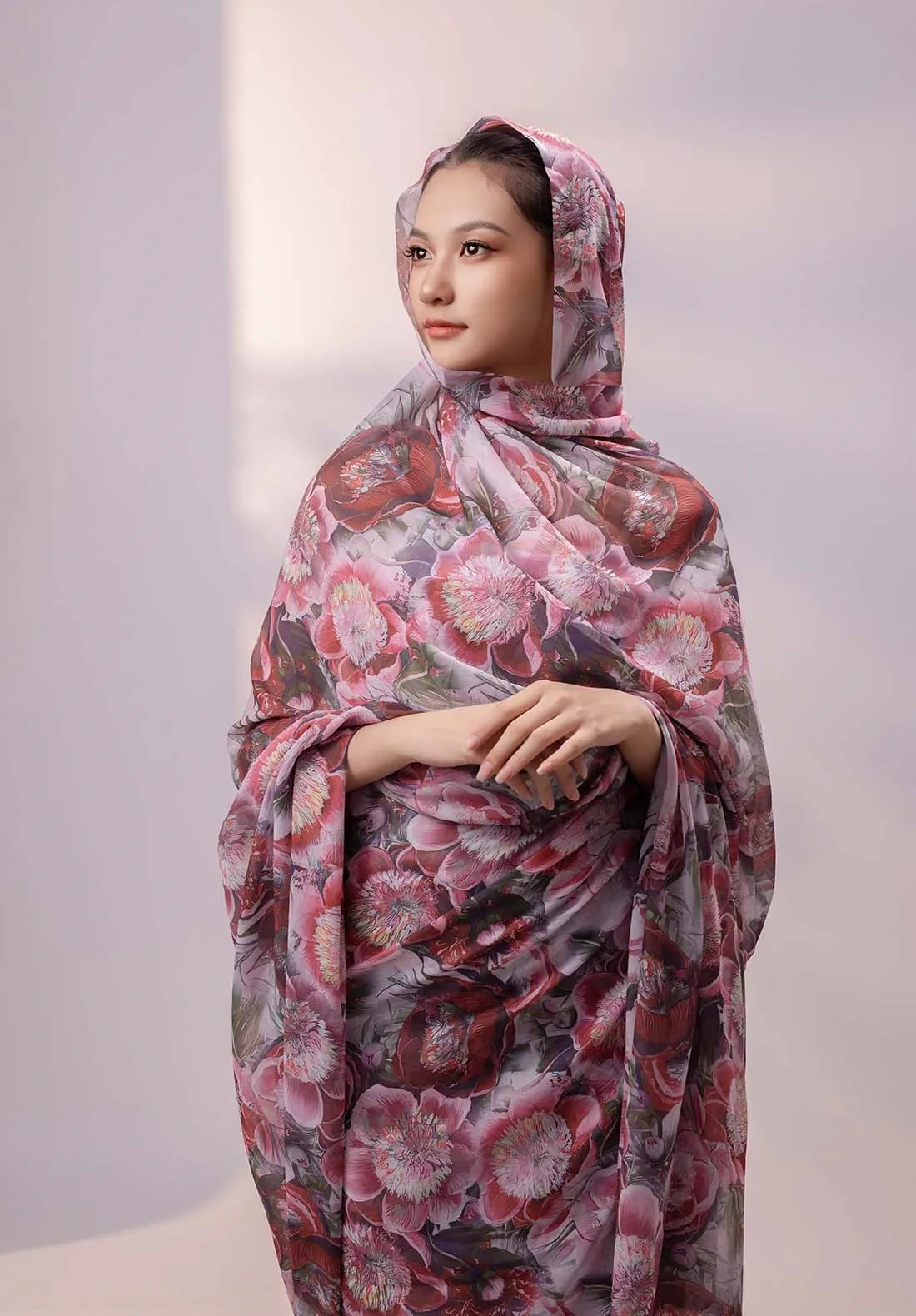
Because a Toub is wrapped and layered across a large surface, print density, opacity, fabric movement, and finished dimensions affect the final look in ways a smaller scarf cannot show. A retailer with an existing modest-fashion customer base may have some audience overlap, but that is only the starting point.
Once customer fit is clear, the next decision is where the Toub belongs in the assortment and what price position it needs to support.
Give Sudanese Toub a Clear Role in the Assortment
A boutique may use Toub as a distinctive occasion-led category. A wholesaler supplying several stores may care more about repeatability, workable price bands, and restocking. Another retailer may test a small everyday range before giving the category more space.
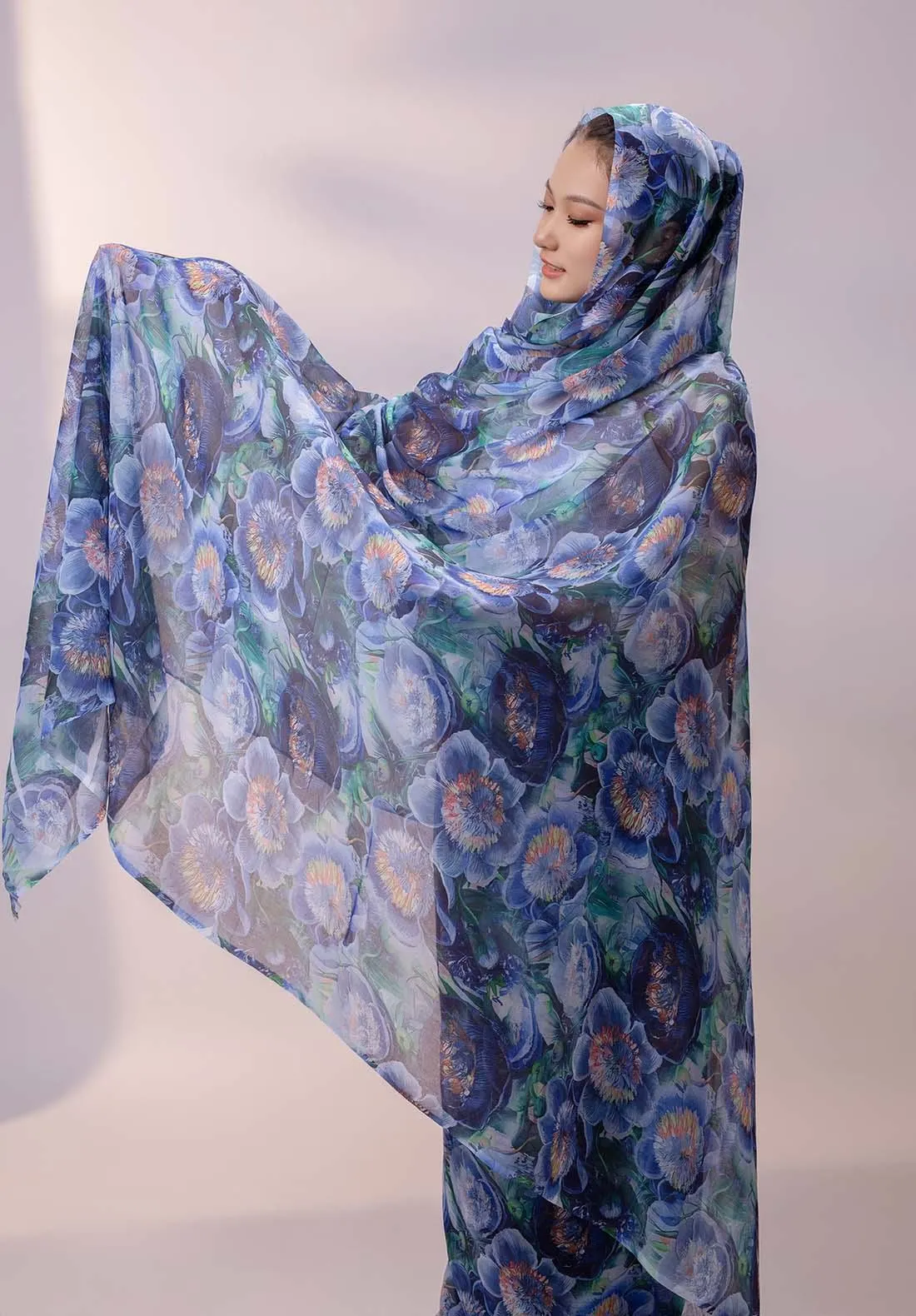
Before asking a Sudanese Toub supplier for a quote, define the target customer, expected retail level, preferred material route, design direction, and likely order size. Two samples can both look attractive and still be wrong for the same market if one was built for premium retail and the other for volume distribution.
Define the Product Before Requesting Supplier Quotes
Once the category role is settled, the buying team can turn it into a specification a factory can sample. Similar unit prices do not mean similar products. The finished Toub has to work as a full wrap, so material, dimensions, opacity, drape, artwork scale, and finishing need to be judged together rather than one line at a time on a quotation sheet.
Specify Full-Wrap Performance, Not Just a Fabric Name
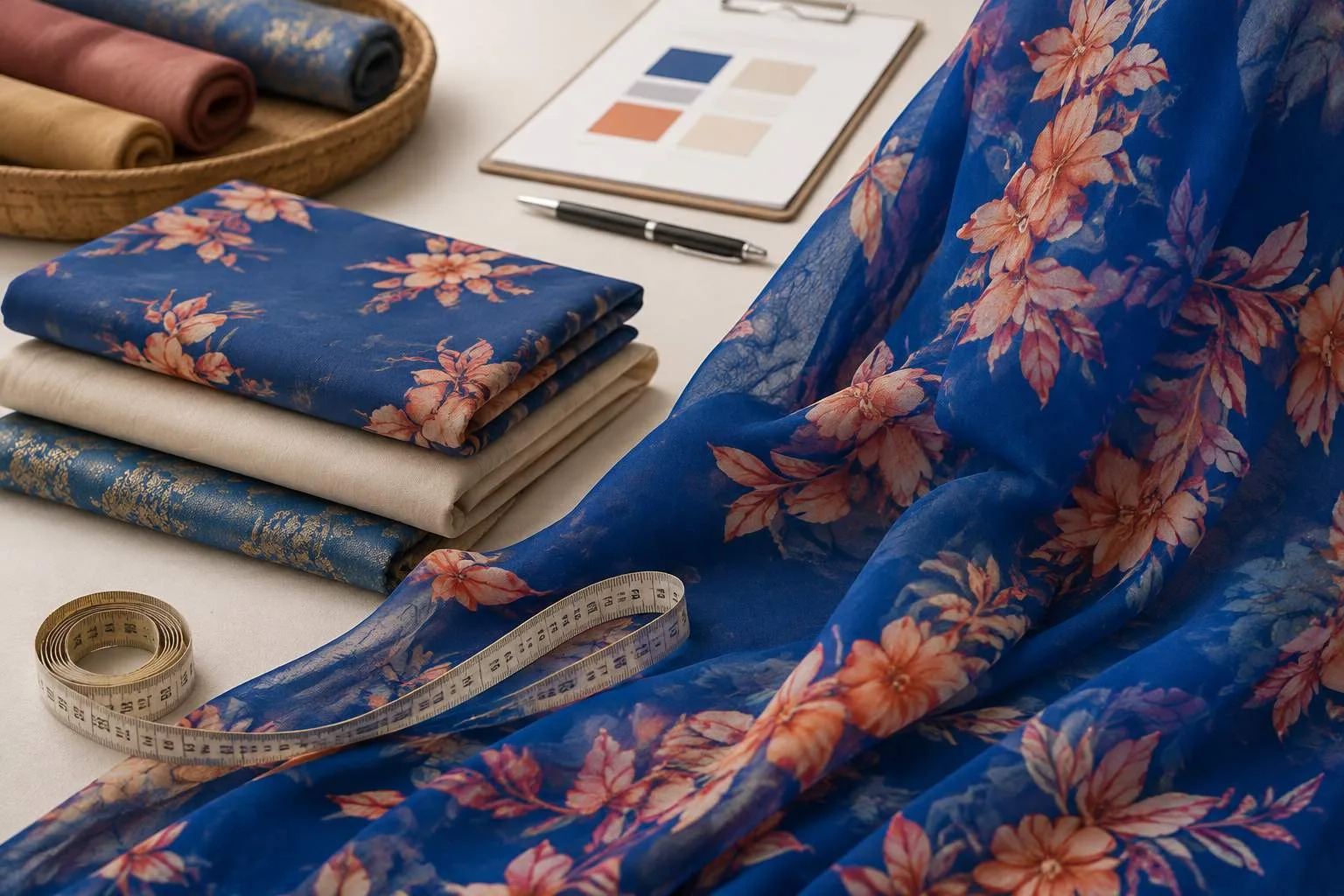
Jinlai Textile develops Sudanese Toub in cotton voile, including a 450 × 150 cm cotton voile Toub. For buyers working with polyester, a separate 100% polyester Sudanese Toub is available in a 450 × 150 cm format with customer-provided designs.
Neither material is automatically the better wholesale choice. The decision comes back to the finished product: how it drapes, how much coverage the customer expects, how the print reads across the full wrap, and where the item sits in the retailer's price architecture.
A useful buying brief usually covers:
· cotton voile or a defined 100% polyester route;
· finished dimensions;
· target drape and opacity;
· color or artwork reference;
· print scale and placement;
· finishing and retail presentation.
A 150 × 450 cm format is a practical starting point for many Toub programs, but the final measurement still needs confirmation during sampling. Jinlai Textile's Sudanese Toub size guide covers this specification in more detail for wholesale buyers.
The number itself is not the whole issue. If finished dimensions shift, wrapping behavior and print placement can shift with them. A motif that feels balanced on a laptop can also look crowded once several meters of fabric are folded and wrapped.
Separate Core Product Requirements From Seasonal Trend Details
Prints and colors can change with the season. The base product needs more stability.
For a modest fashion wholesale buyer, the core usually sits around material route, finished size, coverage, drape, color consistency, and finishing. Seasonal color stories and print directions can move around that base without sending the entire item back into development.
If a floral direction sells slowly, the next range can move to another print. If the base fabric feels wrong when wrapped, changing the artwork will not solve the problem. Price works the same way. A small saving at purchase stage can disappear through markdowns, complaints, or another sampling round.
Once the core product is fixed, the first order becomes a controlled category test rather than a bet on a trend.
Test Sudanese Toub as a New Retail Category Before Scaling
The first wholesale Toub order does not need to prove that the category can carry an entire season. It needs to answer two practical questions: does the product fit the target customer, and can the approved result be reproduced if it sells? A full-size sample gives the buying and merchandising teams a better basis for that decision than a swatch or digital mockup.
Validate Category Fit With a Full-Size Sample
Treat the sample like a retail product. Open it fully, wrap it, check single-layer and overlapping areas, look at the color in normal daylight, and measure the finished piece. For printed styles, step back and judge the design across the whole surface.
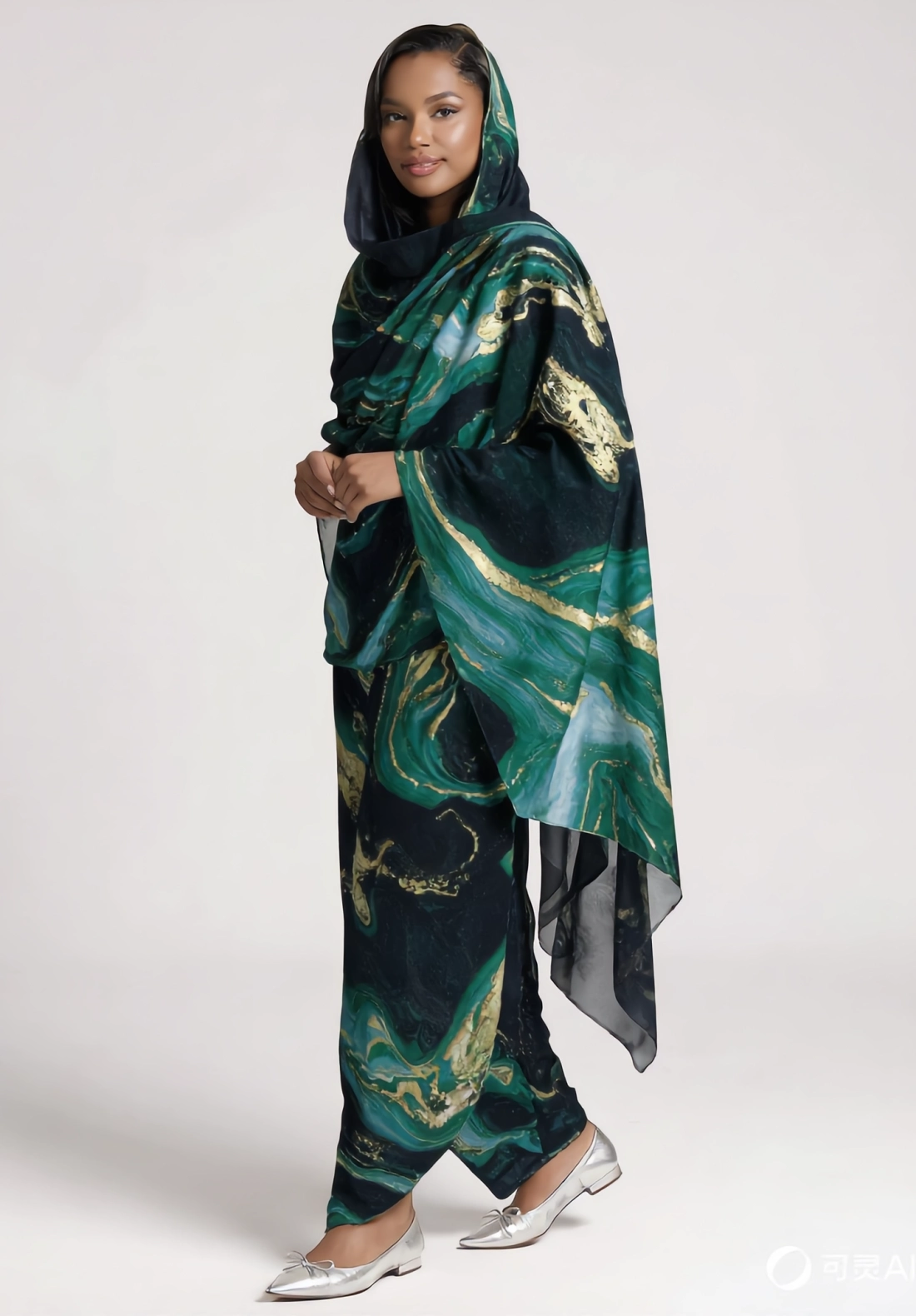
Small problems show up quickly at full scale. A print that looked balanced on screen may feel too dense once folded. A fabric that looked light on a table may give a different impression when layered around the body.
Physical sample development for custom printed Sudanese Toub projects at Jinlai Textile takes 15–20 working days. That is the sampling window, not a standard bulk-production lead time. The OEM/ODM process also supports woven labels and packaging customization, making the sample stage a practical point to settle private-label presentation before a larger order.
Set Reorder Criteria Before Expanding the Range
If the first range sells, the buying team needs a repeatable reference, not another round of guesswork. Keep the approved fabric reference, dimensions, artwork, color reference, labels, packing details, and finishing requirements tied to the order record. New prints can be added later without losing the product base that worked.
Jinlai Textile operates its own cotton voile fabric factory with more than 500 air-jet looms and daily output of around 100,000 meters. For repeat Sudanese Toub wholesale orders, the practical value is having fabric development, sampling, and production within a more connected workflow.
Retailers adding Toub to a broader African fashion assortment can then expand in stages. Review which colors or designs sold through, keep the product points customers accepted, and add depth where demand is proven.
Conclusion
Sudanese Toub can add a distinctive category to a modest-fashion assortment, but the buying case starts with customer fit rather than trend visibility. A strong program has a clear role in the range, a defined cotton voile or 100% polyester route, a full-size sample that works when wrapped, and a repeatable specification for the next order.
For modest fashion wholesale buyers developing a Sudanese Toub wholesale collection, Jinlai Textile supports product development, physical sampling, fabric production, labels, packaging, and wholesale manufacturing. Send the target market, preferred material, design reference, expected quantity, and customization requirements to contact Jinlai Textile to discuss the right sample route and project quotation.
FAQ
Q1: What do retailers need to check before adding Sudanese Toub to a modest fashion range?
A: Start with the target customer, category role, planned retail level, material, finished size, drape, opacity, design direction, and likely order size. Those points reveal whether Toub fills a real gap in the assortment.
Q2: Which fabric is more suitable for Sudanese Toub wholesale: cotton voile or 100% polyester?
A: There is no universal winner. The better option depends on the required drape, coverage, visual direction, and price position. A finished sample gives a more useful answer than the material name alone. Jinlai Textile has Toub options in cotton voile and 100% polyester.
Q3: What is the MOQ for a custom Sudanese Toub wholesale order?
A: MOQ varies with the product route and level of customization. Jinlai Textile separates stock-item flexibility from custom-order requirements, so quantity is confirmed after material, design, size, finishing, and packaging requirements are defined.
Q4: How long does a custom printed Sudanese Toub sample take?
A: Physical sample development for custom printed Sudanese Toub projects at Jinlai Textile takes 15–20 working days. This is a sampling timeframe, not a fixed bulk-production schedule.
Q5: Can Sudanese Toub be customized for private-label retail collections?
A: Yes. Jinlai Textile supports custom patterns and colors as well as labels and packaging for custom Toub projects. The exact route depends on the product brief, order quantity, and intended retail position.