Sudanese Toub Wholesale 2026: Fabric Trends & Supplier Guide
In 2026, scarf and hijab trends are moving faster than the normal wholesale buying cycle. New styling ideas, stronger prints, and softer fabric movement can gain attention online long before a buyer has finished sampling a new collection. For Sudanese Toub wholesale buyers, that makes social media useful as an early market signal, but not as a product brief.
What matters is the detail behind the trend. A change in drape, print scale, color direction, or overall visual impact may point to something worth testing in a Toub collection, while the viral look itself may have little relevance to the final product.
The real sourcing question, then, is not which trend is popular, but which of its features can work with the proportions, wrapping style, and customer expectations of the Sudanese Toub. That is the starting point for the decisions that follow.
What 2026 Hijab and Scarf Trends Can Tell Sudanese Toub Buyers
Social media can reveal a visual shift before it becomes obvious in a traditional buying cycle. That helps wholesalers and distributors react earlier, but it also creates noise. A Sudanese Toub has different proportions, wrapping behavior, and customer expectations from a hijab or fashion scarf. The buyer’s job is to separate a temporary viral look from a feature that can work on a full Toub and still make commercial sense when the stock reaches the market.
Read the Product Signal, Not the Viral Look
A TikTok hijab trend may get attention because the scarf moves softly around the face. A printed hijab may stand out because its pattern feels more expressive than the neutral styles around it.
Neither means a Toub collection needs to copy the same design.
Instead, break the trend into product signals:
· softer or more fluid drape;
· stronger print direction;
· larger or cleaner motifs;
· more visible color stories;
· easier styling and movement.
Those ideas can be tested on a Toub sample.
For buyers tracking hijab trends 2026, the useful question is not “What has the most views?” It is “Which feature can translate into a product our customer will actually buy?”
Translate Trends to Toub Proportions
Scale changes everything.
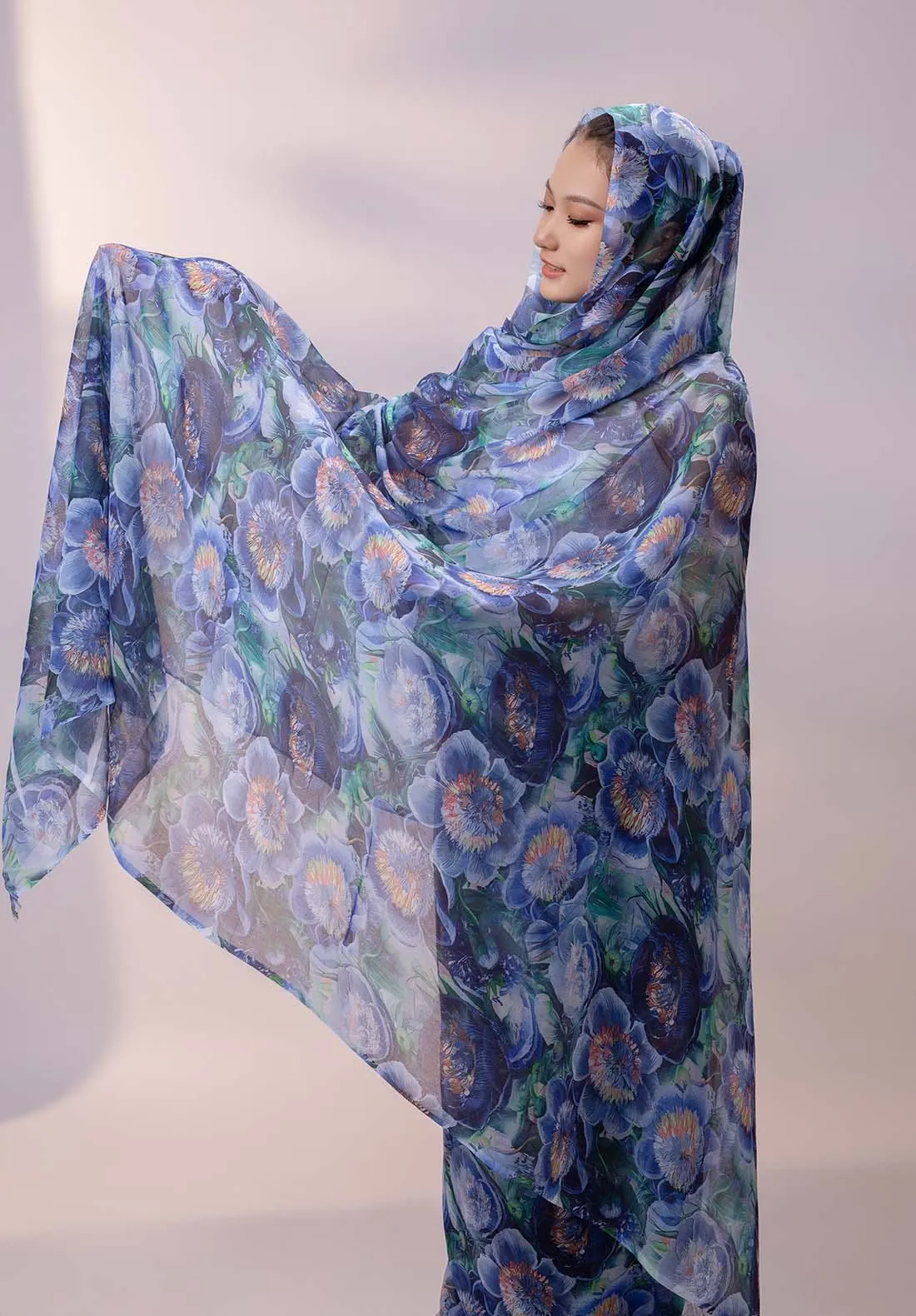
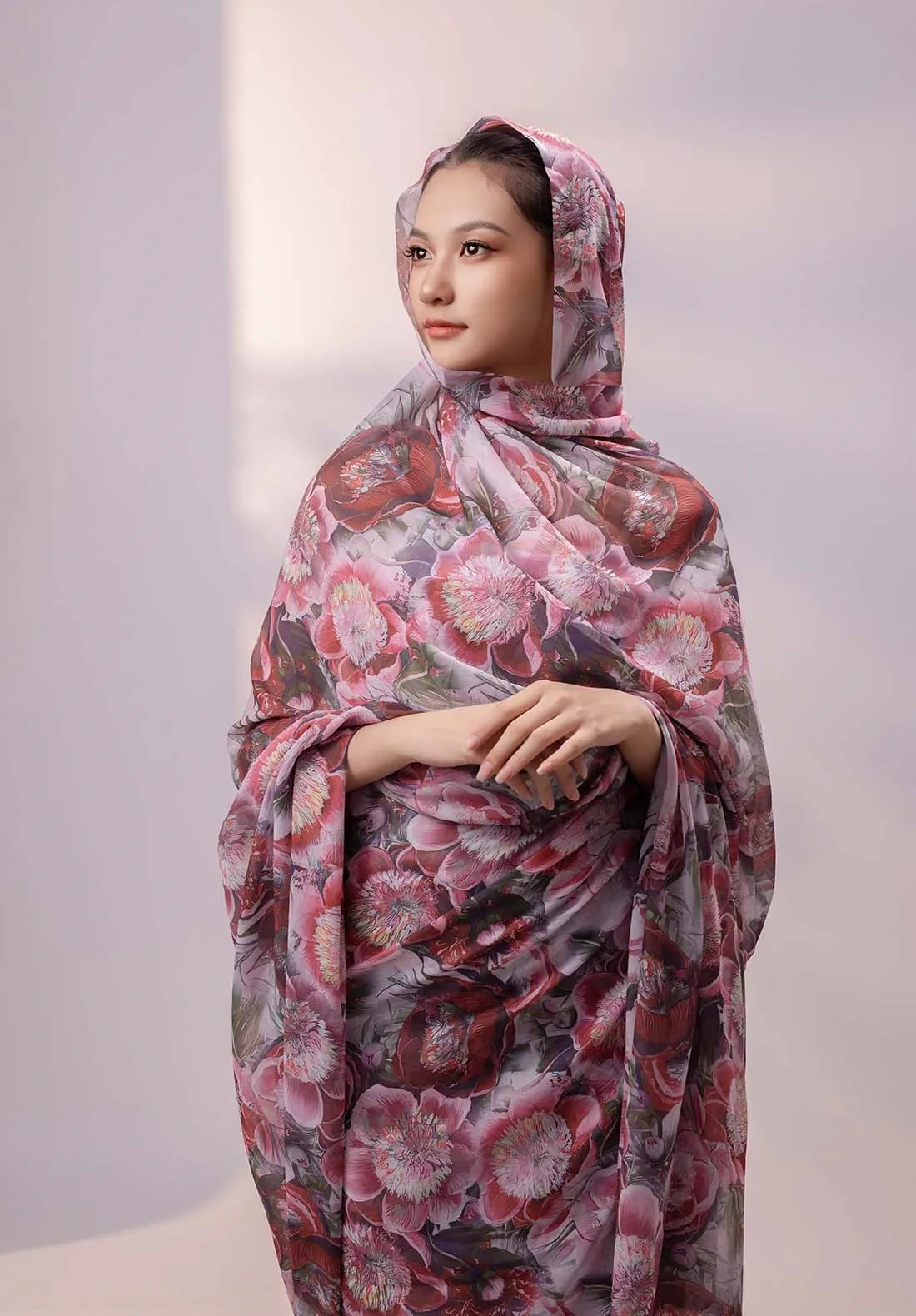
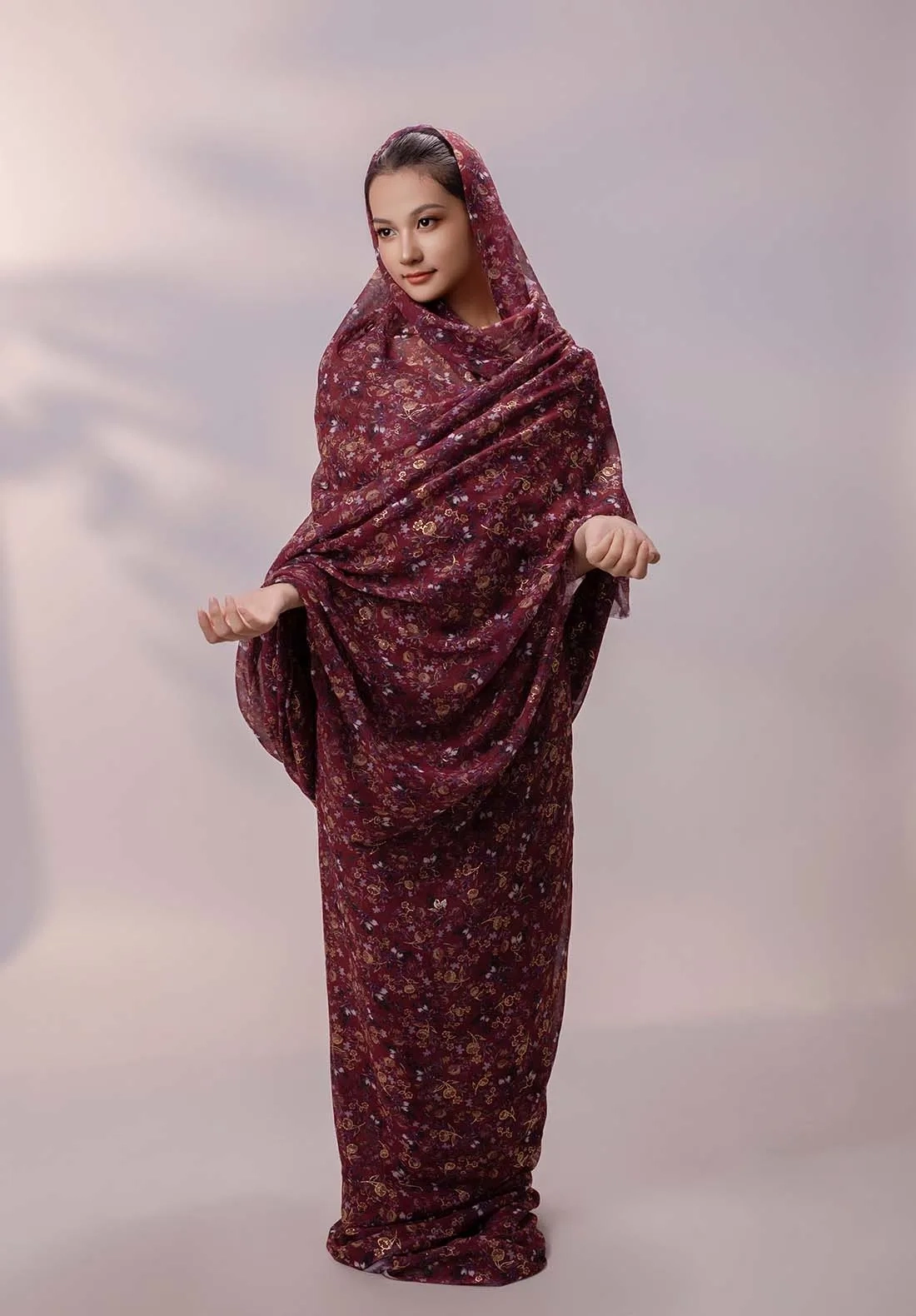
A motif that looks clean on a hijab can become too busy across several meters of wrapped fabric. A large print can lose its balance when part of it disappears into folds. Border placement can also change once the cloth moves around the body.
That is why modest fashion trends 2026 work best as inspiration rather than a ready-made Toub formula.
For distributors selling Sudanese clothing, trend research needs to come back to the full garment: how the pattern reads from a distance, how the color works across a larger surface, and what the fabric looks like after wrapping.
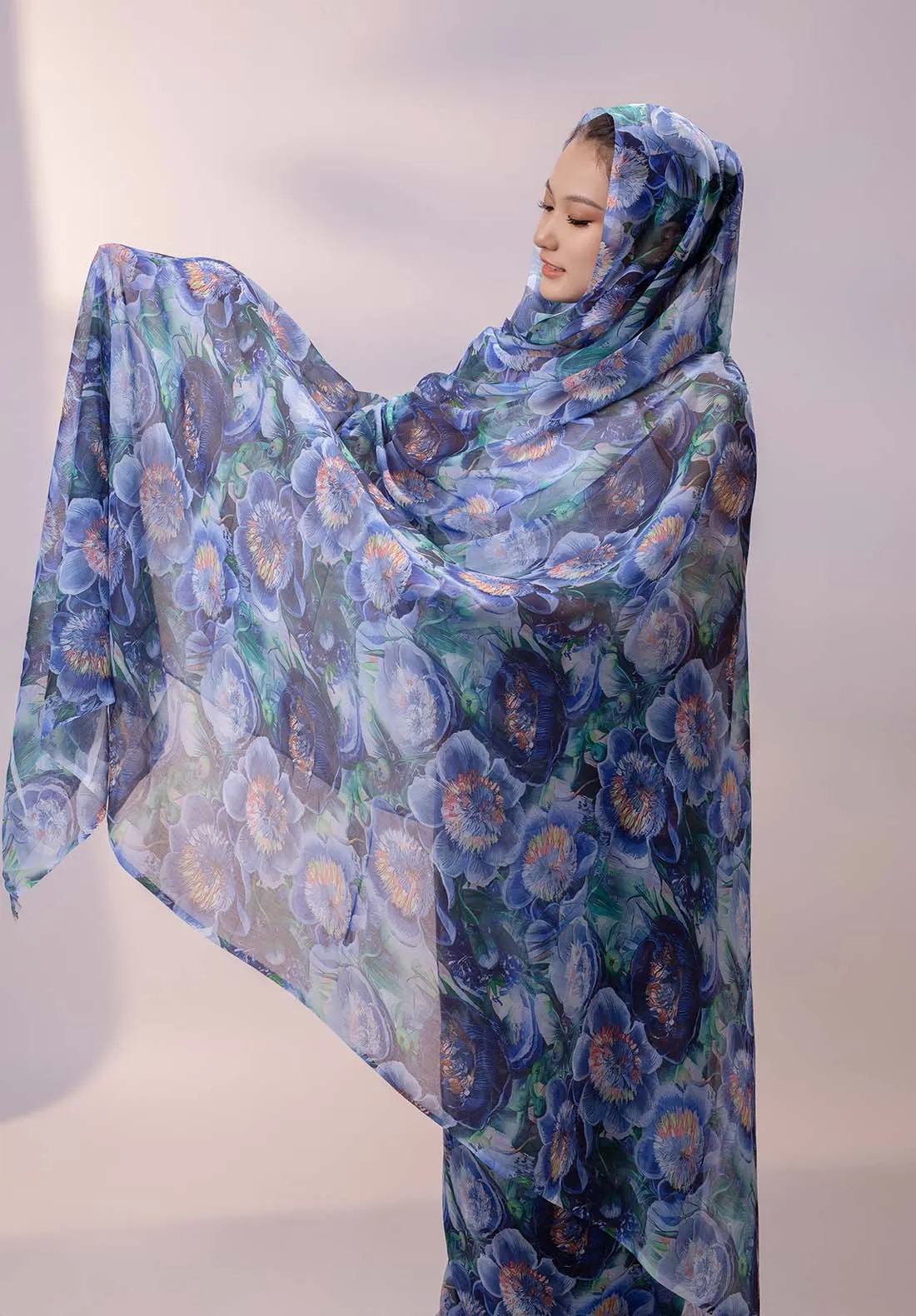
Jinlai Textile’s internal guide to Sudanese Toub Fabric Trends 2026 covers Toub-specific color, material, and print directions in more detail.
Turn Trend Signals Into Sudanese Toub Specifications
Once the relevant product features are clear, they need to become specifications a factory can sample and reproduce. “Soft,” “premium,” and “flowy” may describe the idea, but they are too open-ended for bulk production. A useful buying brief connects the trend to measurable product behavior: material, finished size, drape, opacity, color or print reference, and finishing. That is where trend research stops being fashion inspiration and starts becoming a sourcing decision.
Evaluate Drape and Opacity on the Full Wrap
Drape matters more on a Toub than it does on a small scarf because the final appearance comes from a large piece of fabric wrapping and overlapping around the body.
Opacity changes at the same time.
A fabric may look light and attractive on a table but behave differently when worn. Check the sample in motion. Look at single-layer and overlapping areas. View the color in daylight. For prints, step back several feet; close-up print quality tells only part of the story.
Jinlai Textile’s custom Sudanese Toub program includes cotton voile and polyester voile, with printed or plain designs, custom colors, customizable sizing, and packaging options.
The material name starts the discussion. The wrapped sample decides whether it fits the market.
Lock the Core Specification Before Adding Trend Details
The safest product development process separates permanent requirements from seasonal changes.
Core requirements usually include fabric, finished dimensions, opacity, drape, color consistency, and finishing. Prints and seasonal colors can change more often.
This separation protects the product.
If a new pattern misses the market, the artwork can change while the proven fabric base stays intact. If the base material is wrong, the buyer may need to resample the entire item and recalculate the price.
Once those performance targets are fixed, choosing the fabric becomes much easier. The material route needs to serve the target market, not simply follow whichever textile is getting the most attention online.
Choose the Fabric Around the Target Market, Not the Trend Name
There is no useful B2B answer to “What is the best Toub fabric?” without knowing the market. Climate, required coverage, hand feel, retail positioning, print direction, and customer habits all affect the choice. For wholesale Sudanese Toub programs, the stronger approach is to define how the finished product needs to perform first, then select and sample the material that can deliver that result consistently.
Judge Cotton Voile as a Finished Toub
Cotton voile is one of the material options in Jinlai Textile’s custom Toub range.
If the brief calls for a light, fluid Toub, the buyer still needs to check coverage on the finished wrap. If print is involved, color and pattern scale also need to work across the larger surface.
Cotton voile can fit certain product briefs well, but the purchasing decision belongs to the finished sample rather than the fabric name.
When 100% Polyester Fits the Buying Brief
For buyers already working with polyester-based Toub ranges, Jinlai Textile also offers a 100% polyester Sudanese Toub in a 450 × 150 cm format with customer-provided designs.
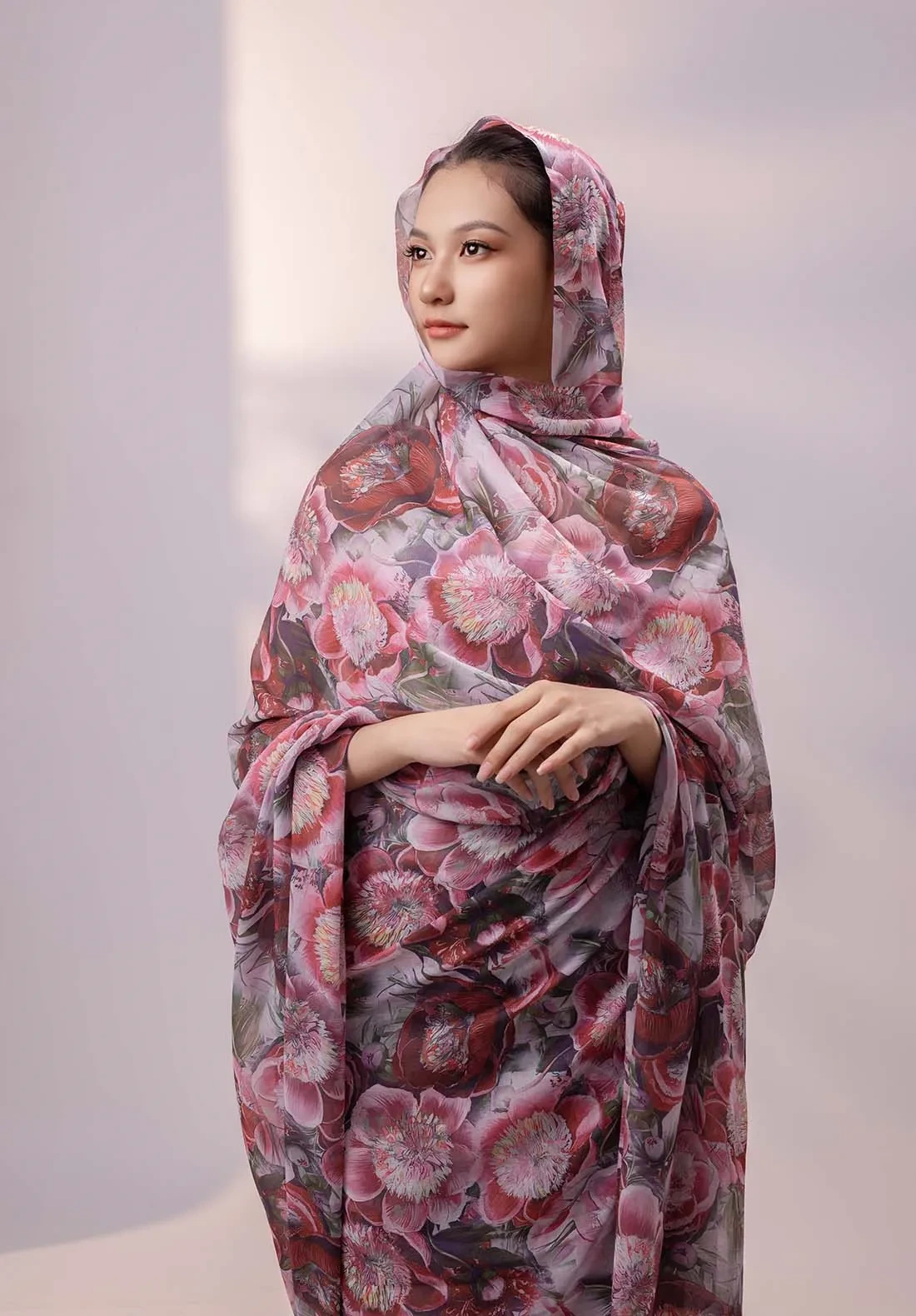
The same sourcing discipline applies.
Check the real piece for drape, opacity, print execution, color, and finishing. Two products can share the same fiber composition and still feel different once the yarn, construction, and finishing change.
Cotton voile and 100% polyester do not need a winner-and-loser comparison. They belong to different buying briefs.
Once the fabric route is fixed, the main risk shifts from material choice to execution: can the supplier repeat the approved result in bulk?
How to Evaluate a Sudanese Toub Supplier for Trend-Led Orders
A strong design can still become a poor wholesale order if bulk production no longer matches the approved sample. Comparing a Sudanese Toub supplier therefore goes beyond unit price. Fabric control, sampling, production consistency, customization, and reorder capability all affect the commercial result.
Check Fabric Control Before Comparing Unit Prices
Jinlai Textile operates its own cotton voile fabric factory with more than 500 air-jet looms and output of around 100,000 meters per day. Its OEM/ODM operation also supports Sudanese Toub development and wholesale production.
For a Sudanese Toub manufacturer, control over the base fabric can be valuable when an order needs to be repeated.
The same print on a noticeably different fabric may change the hand feel, drape, opacity, and overall appearance. For a distributor trying to replenish a proven item, those differences can affect customer acceptance more than a small change in unit price.
Use Sampling to Test Bulk Feasibility
Jinlai Textile’s OEM/ODM service lists physical sample development for custom printed Sudanese Toub projects at 15–20 working days. It also supports woven labels and packaging customization.
Use that sample to answer production questions.
Wrap it. Measure it. Compare the color. Check print placement and finishing. If the product relies on fluid movement, watch how the fabric settles after wrapping rather than approving it flat.
A correction at sample stage is manageable. Finding the same problem after the bulk order has been packed is not.
Once the sample proves the product can be made correctly, the next decision is how much inventory risk to take—and how easily the same Toub can be repeated if it sells.
Build the Reorder Plan Before the First Toub Order
A trend does not need to carry the whole season. Wholesalers can keep proven lines while testing a smaller number of new prints, colors, or fabric directions. That gives current Sudanese fashion trends room to perform without turning the entire order into a bet on social-media attention.
Do Not Let MOQ Make the Whole Decision
MOQ matters, especially for a new design, but it is only one part of the commercial picture.
The applicable MOQ for a custom Toub project depends on the product and customization requirements, so it is better confirmed after the fabric, design, size, and finishing route are clear.
When comparing suppliers, look beyond opening quantity to sample-to-bulk consistency, customization scope, quality control, and repeat-order capability. A cheap first order loses its value quickly if the reorder comes back with a different shade or noticeably different drape.
Record What Needs to Be Repeated
A successful Toub should not return to development from zero.
Keep the approved fabric reference, artwork, color reference, finished size, labels, and packaging details tied to the order record. For a Sudanese Toub manufacturer, repeatability is part of the product, not an afterthought.
The first order proves the design can sell. A clear production reference makes the next order easier to reproduce.
Conclusion
The useful lesson from modest fashion trends 2026 is not that Sudanese Toub buyers need to copy viral hijab or scarf styles. Social media is valuable because it can reveal changes in movement, print, color, and styling earlier than a normal wholesale buying cycle.
For Sudanese Toub wholesale buyers, those signals only become commercial opportunities after they are translated into the right material, full-wrap appearance, approved sample, and repeatable production standard.
Jinlai Textile supports cotton voile and polyester Toub programs, custom colors and patterns, sampling, OEM/ODM development, and wholesale production for international B2B buyers. If you are developing a new Toub range or reviewing your current sourcing route, contact Jinlai Textile with your target market, material preference, design reference, quantity, and customization requirements to discuss sampling and a project quotation.
FAQ
Q1: What fabrics can buyers source for Sudanese Toub wholesale orders?
A: Jinlai Textile’s custom range includes cotton voile and polyester voile. The final choice depends on drape, opacity, hand feel, design, and target market.
Q2: What should buyers check when choosing a Sudanese Toub supplier?
A: Compare fabric control, sample development, color and print consistency, customization, QC, reorder capability, and price.
Q3: Can a Sudanese Toub manufacturer customize prints, colors, sizes, and packaging?
A: Yes. Jinlai Textile supports printed and plain designs, custom patterns and colors, customizable sizing, and custom packaging.
Q4: How long does custom printed Sudanese Toub sampling take at Jinlai Textile?
A: Jinlai Textile lists physical sampling at 15–20 working days. This refers to sample development, not a universal bulk-production lead time.
Q5: What is the MOQ for a custom Sudanese Toub wholesale order?
A: The applicable MOQ depends on the product route and customization requirements. Confirm the final quantity after the fabric, design, size, and finishing details are defined.