Sudanese Toub Wholesale: Custom Print Approval Guide
A custom print may look convincing on screen and still create problems in bulk production. Once applied to a full Sudanese Toub, the border may sit too low, a focal motif may disappear after wrapping, or the approved shade may react differently on the selected fabric. For importers and private-label brands, these issues can lead to extra sampling costs, delayed launches, quality claims, and difficult repeat orders.
In Sudanese Toub wholesale, print approval is therefore a commercial control point, not simply a design sign-off. The artwork, fabric composition, finished size, color reference, placement map, and physical sample must all support the same production standard.
The following sections explain how buyers can prepare a clear RFQ, approve the right sample, and carry the agreed specifications into bulk production and final inspection.
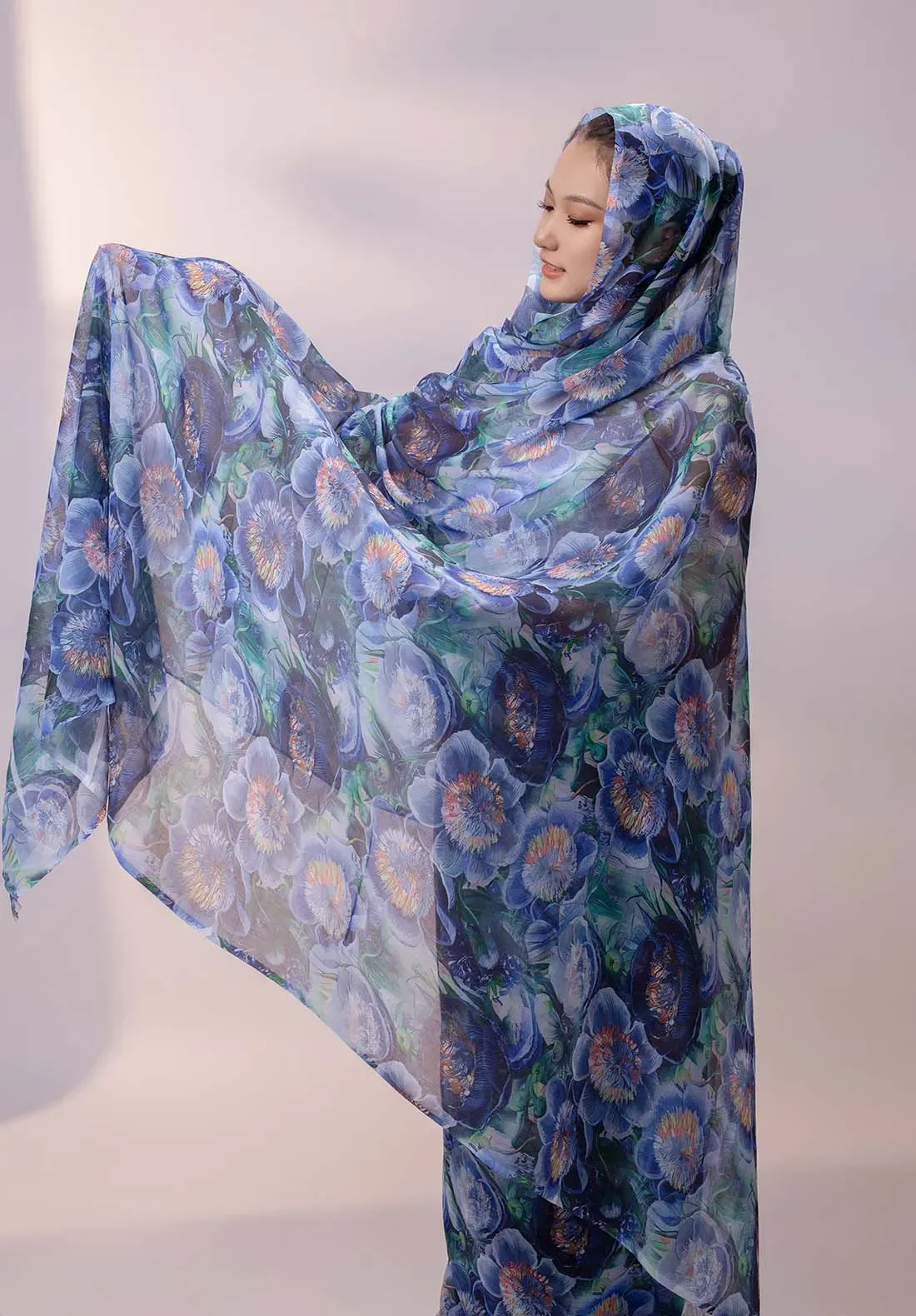
Why Print Approval Matters Before Bulk Production
Print approval affects cost, lead time, retail presentation, and repeat-order consistency. The common mistake is approving the screen artwork without confirming how it will work across the finished Toub. The visual idea must become dimensions, color references, and written production instructions.
A Screen Mockup Does Not Show the Wrapped Result
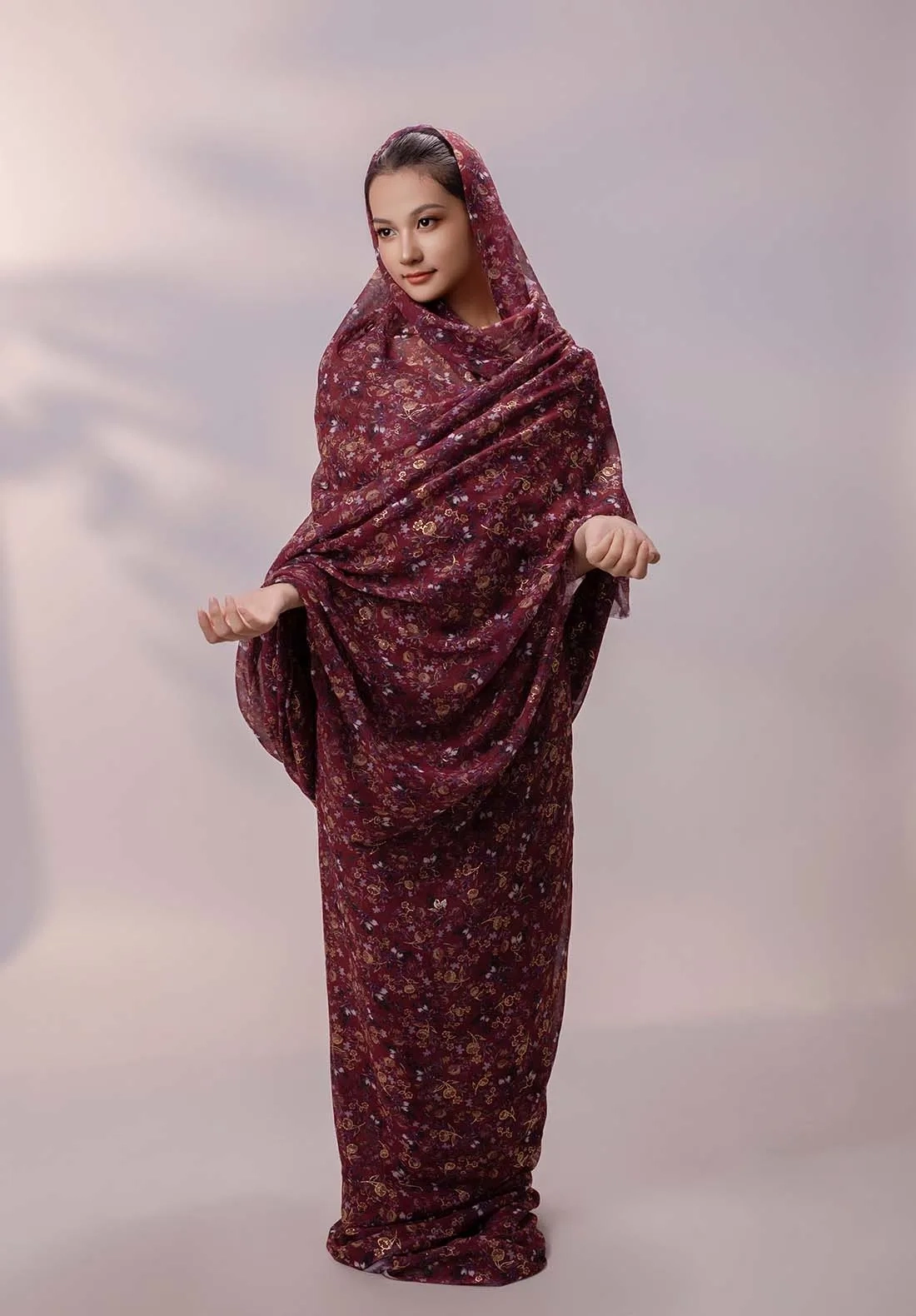
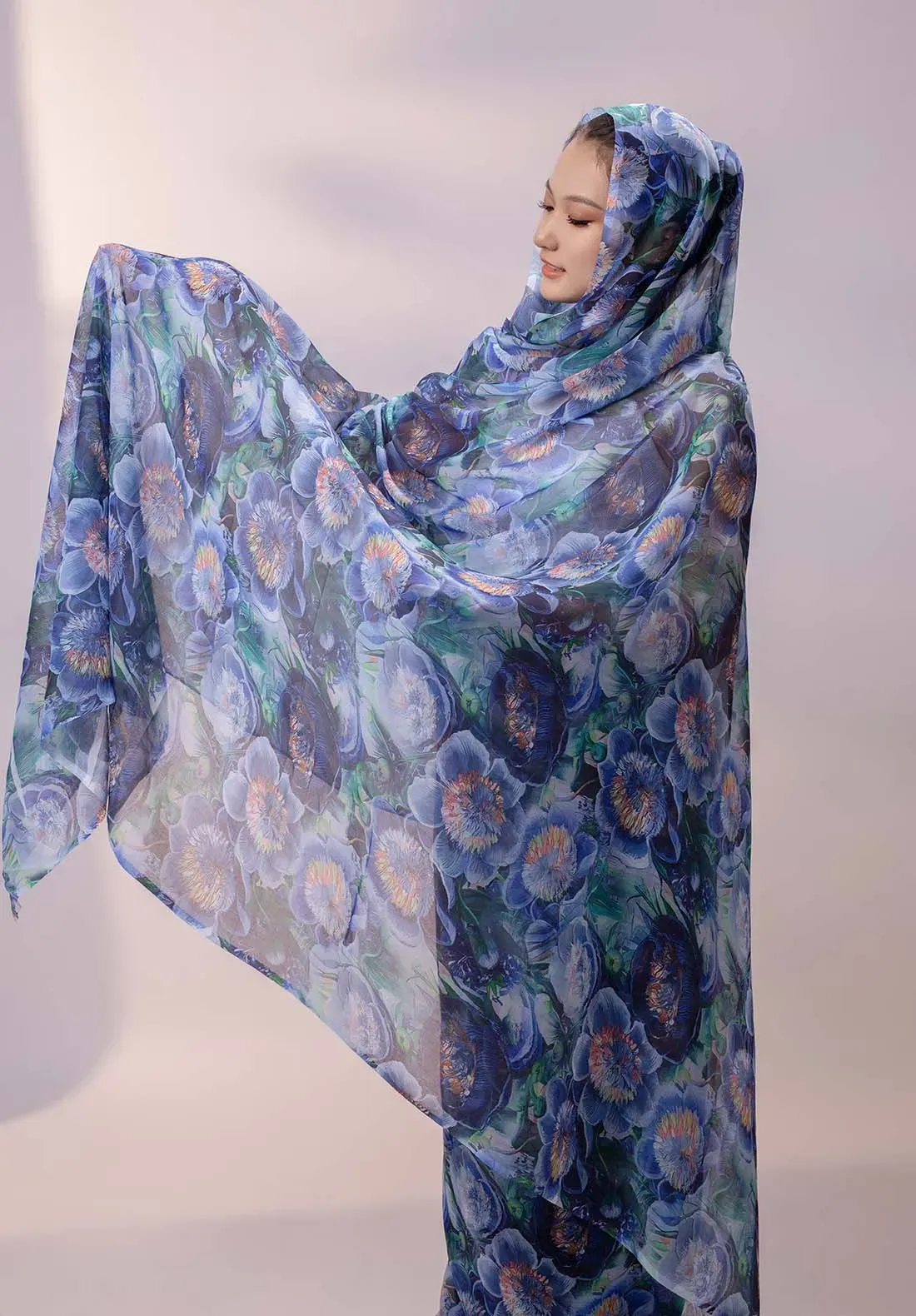
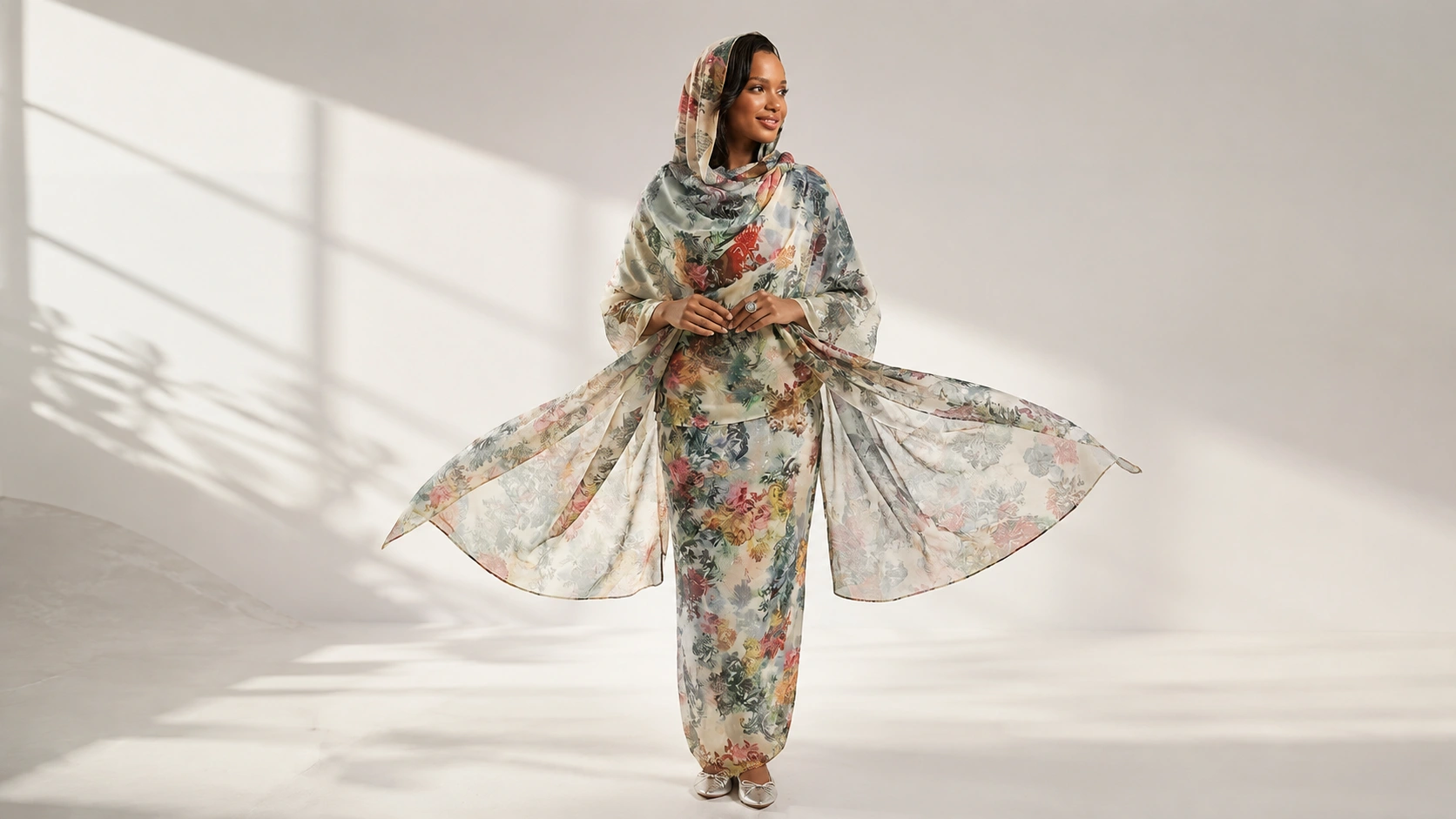
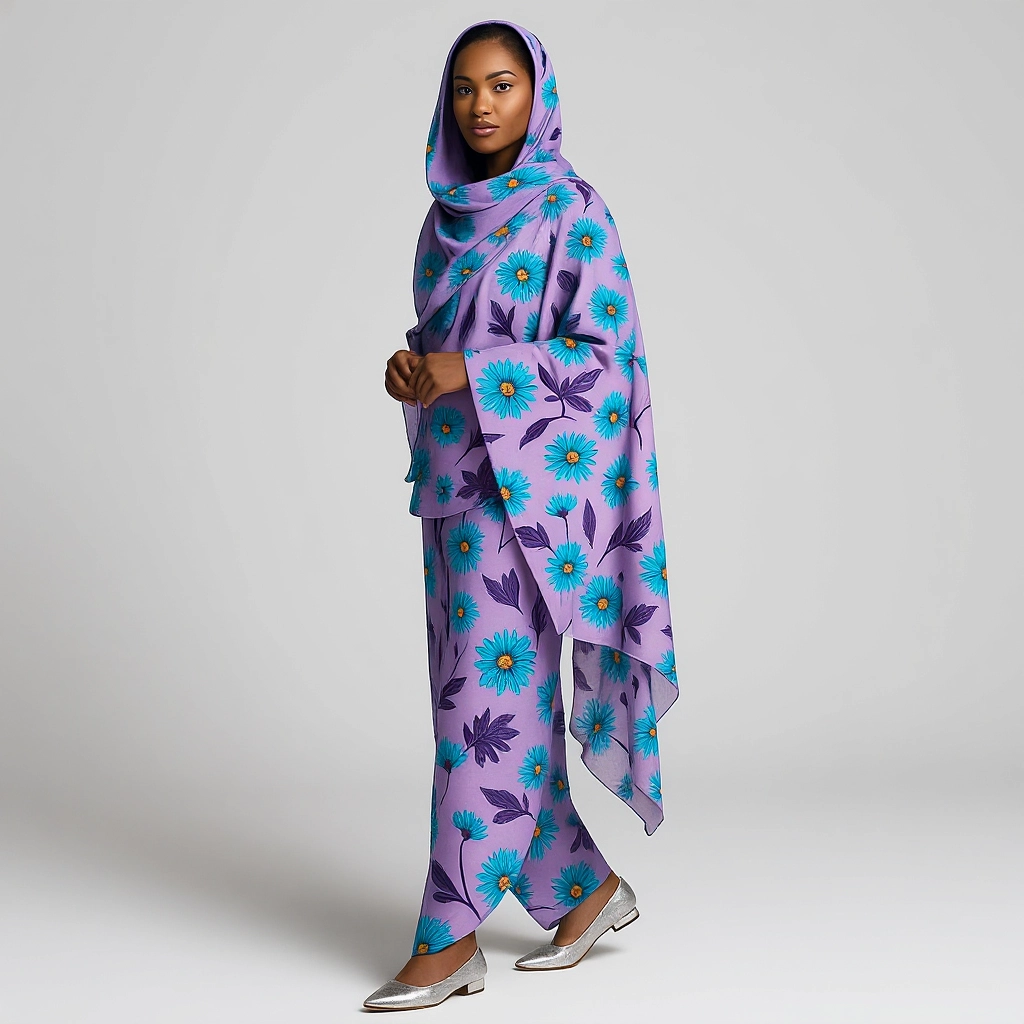
A Sudanese Toub is wrapped and folded, so only part of the design stays visible. A large flower may disappear into a fold. A wide border can overpower the finished piece. Directional motifs may face the wrong way when the artwork does not mark the top, bottom, and wrapping orientation.
A common wholesale specification is 150 cm × 450 cm per piece, although custom sizing is available. A cropped preview cannot show the full relationship between the border, open space, and focal motifs, so review the complete piece and, where practical, its wrapped or draped effect.
Print Errors Cost More Than the Price Difference
Poor registration, an incorrect repeat, a shifted border, or an unapproved shade can lead to rework, discounts, claims, and weak reorders. A low quotation may become expensive after extra strike-offs, artwork changes, repacking, or a delayed Eid launch.
Most of these costs can be controlled with an RFQ that leaves little room for assumptions.
Build a Clear RFQ Before Artwork Development
A professional RFQ helps a Sudanese Toub supplier recommend a workable fabric, sample route, MOQ, and schedule. “Voile, custom print, best price” is not enough. The factory needs to know the target market and which specifications must remain fixed through bulk production.
Confirm the Exact Material and Product Position
For a cotton program, state cotton voile in the inquiry. When 100% polyester is required, that wording should appear on the quotation, sample sheet, and purchase order rather than being assumed from a collection name.
Jinlai Textile develops custom Sudanese Toub programs in cotton voile and polyester voile, with printed or plain options, custom colors, customizable sizing, and packaging support. The final material, size, and finish still need to be confirmed for the chosen SKU before sampling.
Material choice affects print appearance, drape, opacity, care, and price position. Approve the print on the actual production fabric.
Include the Details That Affect MOQ, Cost, and Timing
A useful RFQ should include:
· Target country, retail channel, and wearing occasion
· Required material and finished dimensions
· Quantity per design and colorway
· Artwork status, print direction, and color reference
· Label, folding, and packaging requirements
· Destination and required delivery window
Ask whether MOQ applies to the whole order or to each design and color. Stock designs can support more flexible quantities, while a custom print depends on the production setup.
Timing must also be separated by stage. Available designs are generally quoted at about 10–20 days, while custom orders may take around 20–35 days depending on complexity and volume. Sampling, revisions, inspection, and shipping are separate unless the quotation says otherwise.
Map the Full Print Before Sampling
Once the material and commercial brief are settled, the artwork must become measurable instructions. A placement map connects the design to the finished Toub and gives both sides a shared reference before sampling.
Define Scale, Repeat, Direction, and Border Position
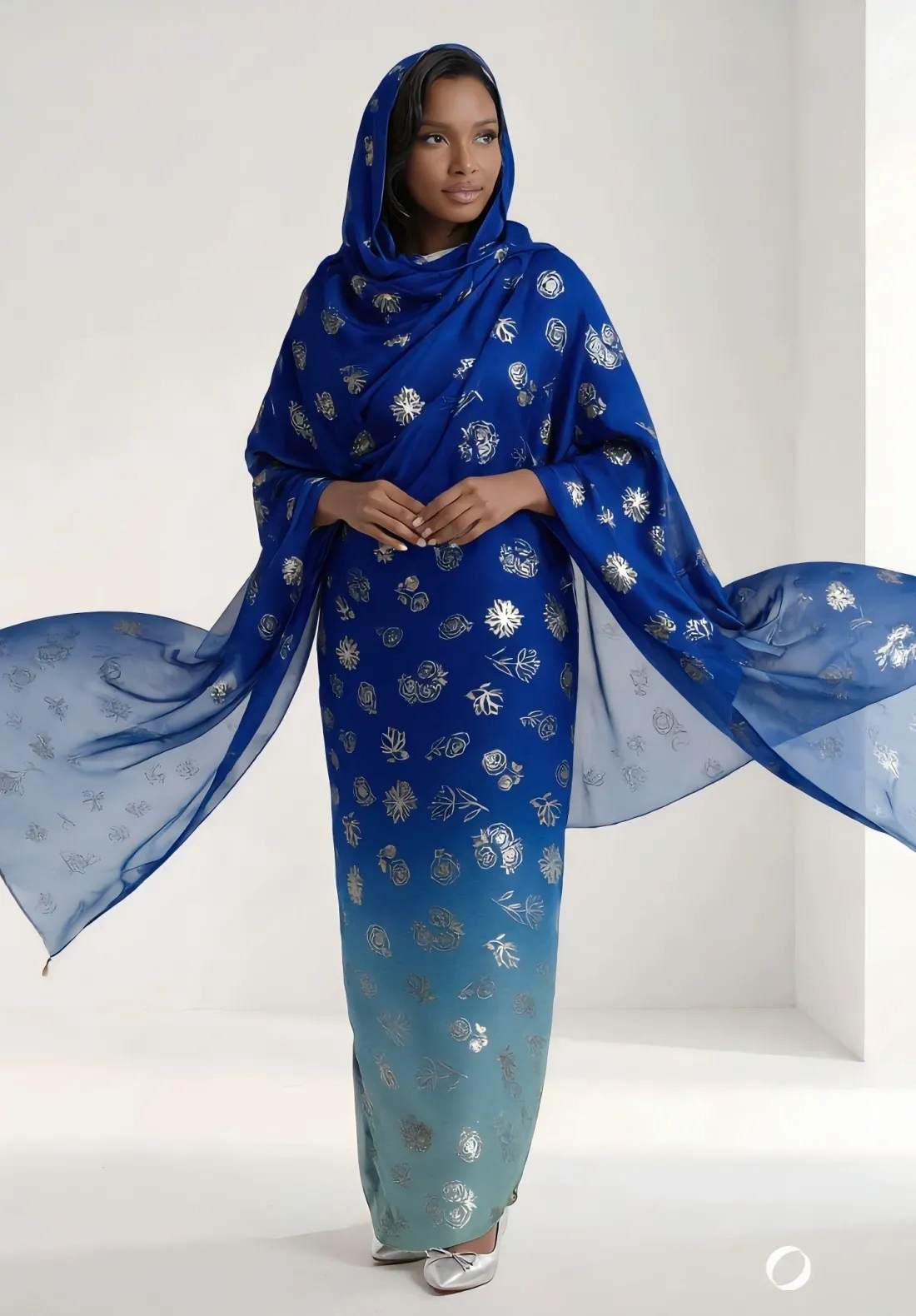
The placement file should show the finished Toub, not only the repeating artwork tile. Mark the border width, distance from the finished edge, main motif position, repeat dimensions, print direction, and areas that should remain visually quiet.
For an engineered print, exact measurements matter. “Move the border slightly higher” is open to interpretation. “Place the border 12 cm from the finished edge” can be produced and inspected. Record motif dimensions as well; “small flowers” means different things to different people.
Control Artwork Versions Before Sample Approval
Each file should carry a design code, revision number, and date. Names such as “final-new-2” make it easy for an old file to return to production.
The approval record should identify the valid artwork, material, base color, repeat size, border position, and direction. Only one revision should be marked for sampling.
Approve the Right Sample for the Right Risk
A digital mockup, strike-off, and full-size sample answer different questions. Match the sample type to the decision being made; the largest sample is not always necessary.
Know What Each Sample Can Confirm
A digital mockup helps review balance, direction, and approximate placement. It should not be the final color standard.
A strike-off can show print color, line clarity, scale, repeat, and registration on the selected fabric. A border print or large focal design may still need a full-width or near-finished-size sample.
Through its Sudanese Toub OEM and ODM service, Jinlai Textile can work from finished artwork, an early idea, or a market reference image. Physical samples for custom printed projects are generally prepared within 15–20 working days. Buyers should still allow time for comments and a possible second sample.
Agree on Revision Cost and Timing
A first sample may need color, motif-scale, or border adjustments. Before paying the sample charge, confirm how many revision rounds are included and what triggers an extra fee.
State when the sampling period begins. Missing artwork, late comments, or a fabric change can restart part of the process.
Separate Visual Approval From Performance Testing
A print can look correct and still fail a required wash, rubbing, shrinkage, or pilling test. Visual and performance approval should be recorded separately.
Testing should match the material, care label, destination market, and any product claim. Extra testing adds cost, but skipping a relevant test may leave the importer handling complaints later.
Once appearance and required performance are approved, the same references must follow the order into bulk production.
Control Bulk Production Against the Approved Standard
The approved sample only has value if it remains the production reference. Compare the first bulk output with the approved artwork, master sample, and purchase specification.
Check the First Bulk Output Early
Check:
· Shade and print clarity
· Motif scale, direction, repeat, and registration
· Border position
· Finished width and length
· Fabric hand, drape, and opacity
· Labels, folding, and packaging
A small cutting from the center cannot show whether an engineered border has shifted near the edge. Where placement is critical, review the full usable width and relevant finished length.
A qualified Sudanese Toub supplier should retain the approved artwork and master sample. An early check can stop a problem before it affects the full quantity.
Put Inspection and Claim Terms in Writing
The purchase order should name the approved artwork revision, master sample, material composition, finished size, packaging standard, and inspection method. “Same as approved sample” still needs supporting measurements.
If the goods do not match, record the design code, production lot, carton numbers, inspection photos, and measured differences. Discuss possible remedies before production, not for the first time after arrival.
Retain Approved Records for Repeat Orders
Keep the design code, color reference, master sample, packaging file, and production-lot details. Reapprove any change in material, printing method, finish, size, or colorway.
Jinlai Textile supports color matching from samples or Pantone references, plus custom patterns, labels, and packaging. Tying each approved detail to a clear SKU makes repeat orders easier to place and inspect.
Conclusion
A custom Sudanese Toub is commercially ready when the material, placement map, bulk print, and master sample all match the approved order. That control protects the launch date, inventory value, and repeat-order consistency.
Jinlai Textile supports importers, wholesalers, distributors, and private-label brands with custom print development, physical sampling, bulk production, labeling, and packaging. To discuss a private label Sudanese Toub project, send an inquiry to Jinlai Textile with your artwork or reference image, required material, quantity by design and color, target market, packaging needs, destination, and delivery window.
FAQ
Q1: What information is needed for a custom Sudanese Toub quotation?
A: Send the target market, required material, finished size, quantity per design and colorway, artwork, color reference, packaging needs, destination, and delivery window. State whether the color reference is a Pantone code or a physical sample.
Q2: Is a strike-off enough to approve the complete print layout?
A: Not always. It can confirm color, clarity, scale, repeat, and registration. An engineered border or large focal motif may need a full-width or near-finished-size sample.
Q3: What affects the MOQ for a custom printed Sudanese Toub order?
A: MOQ may vary by material, printing method, design, colorway, and packaging. Ask whether it applies to the total order or to each design and color.
Q4: How long do sampling and custom production take?
A: Physical sample development is generally about 15–20 working days. Available designs may take around 10–20 days, while custom orders may take about 20–35 days depending on complexity and volume. Revisions, inspection, packaging approval, and shipping are separate stages, so confirm the full schedule for each order.
Q5: How can buyers check that bulk printing matches the approved sample?
A: Use a named master sample, approved artwork revision, and written purchase specification. Check shade, scale, direction, registration, border position, finished size, fabric hand, and packaging before shipment. Keep the production lot number and inspection record for any later claim or repeat order.