Sudanese Toub Wholesale: 2026 Shipping Lead Time Guide
A factory lead time may look clear on a quotation, but it does not show when the goods will reach the buyer’s warehouse and be ready for sale. A Sudanese Toub order still has to move through sample approval, revisions, bulk production, inspection, packing, freight booking, ocean transit, customs clearance, and inland delivery. A late artwork decision can shift production; a missed booking cut-off can add another sailing cycle.
For Sudanese Toub wholesale buyers, these delays affect more than the calendar. They can raise logistics costs, reduce seasonal sales, and make replenishment harder to plan. The risk is more noticeable in 2026, as Red Sea and Suez route changes continue to affect shipping schedules. The following sections show how importers can work backward from the required warehouse date, compare available and custom orders, and assign clear deadlines across the full delivery process.
Why Import Lead Time Extends Beyond Production
Importers plan around a retail launch, distributor delivery, or seasonal sales window. A manufacturer works toward cargo readiness. Separating these milestones shows who controls each deadline and helps purchasing teams compare quotations on more than unit price and factory days.
Production Lead Time Covers Only Part of the Order
Production usually starts after the material, artwork, size, quantity, labels, and packaging are settled. It may not include artwork development, physical sampling, buyer revisions, courier delivery, inspection, freight booking, customs clearance, or inland transport.
Record four dates before accepting an order delivery schedule:
· Final sample and specification approval
· Confirmed cargo-ready date
· Latest confirmed sailing schedule
· Required warehouse-ready date
The warehouse-ready date is the commercial deadline. A factory may finish on time, yet the collection can still arrive late if the next sailing is unavailable or local delivery was left out.
Late Delivery Changes the Total Order Cost
Toub orders tied to Eid, wedding demand, retail promotions, or seasonal collections can lose value after the main selling window closes.
The lowest unit quote can become the more expensive order once urgent courier charges, revised bookings, split shipments, storage, and markdowns are added. Late arrival also delays sell-through data for the next reorder.
Supplier comparisons should therefore cover sampling control, production readiness, packing accuracy, document preparation, and response speed alongside the price per piece.
Work Backward from the Warehouse-Ready Date
Once the sales deadline is fixed, calculate the order in reverse through inland delivery, customs clearance, ocean transit, packing, inspection, production, sampling, and buyer approval. The result shows whether custom development is still realistic.
Define the Real Arrival Point
Vessel arrival is not the final delivery date. The shipment may still need customs release, inland transport, unloading, quantity checks, and distribution.
For shipping from China to Africa, confirm the final delivery city, customs arrangement, inland route, receiving schedule, and any transshipment—not only the destination port. Transit time should also match the named loading port, carrier, and sailing. A figure from an earlier shipment may no longer fit the current route.
Match the Order Route to the Remaining Lead Time
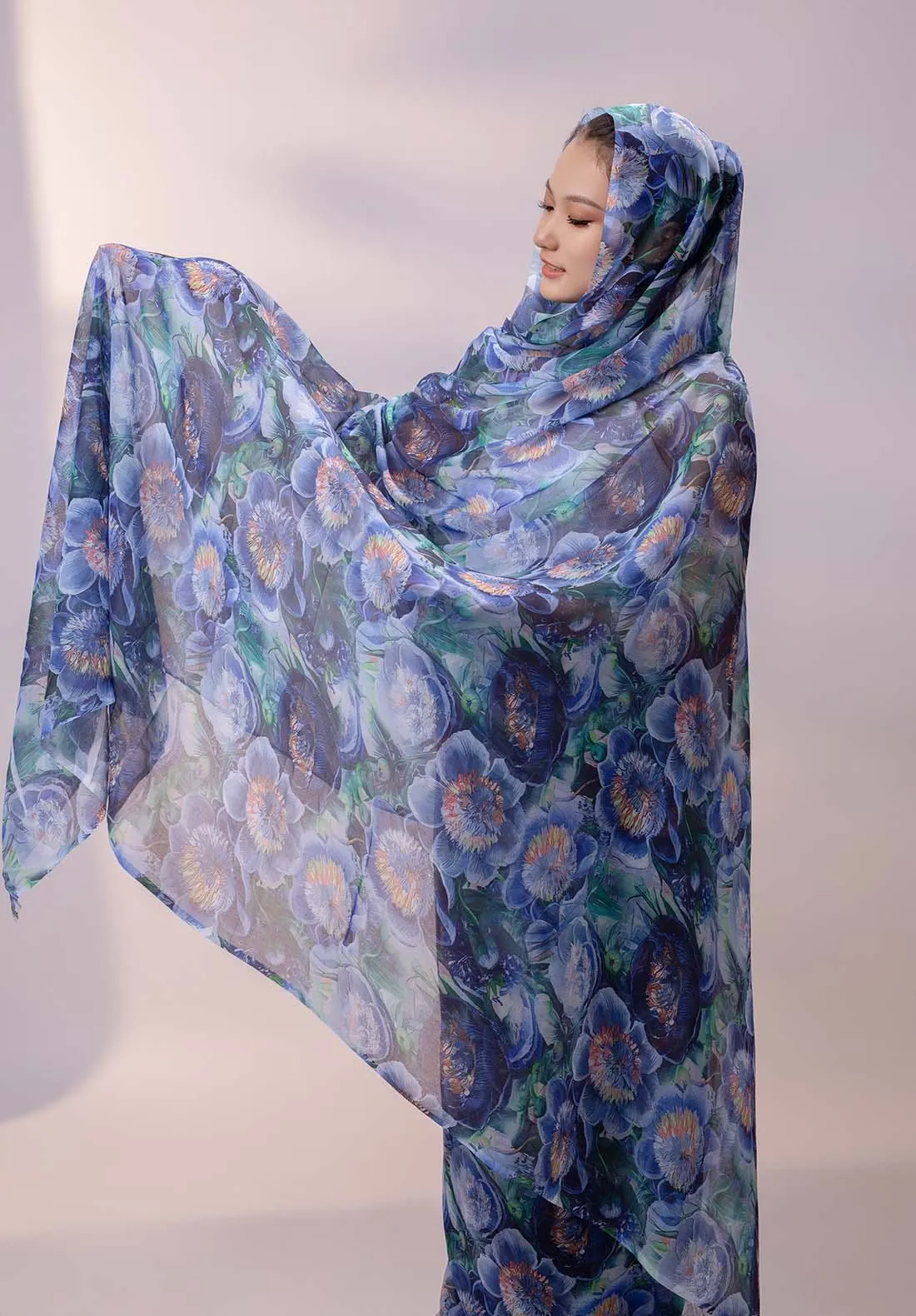
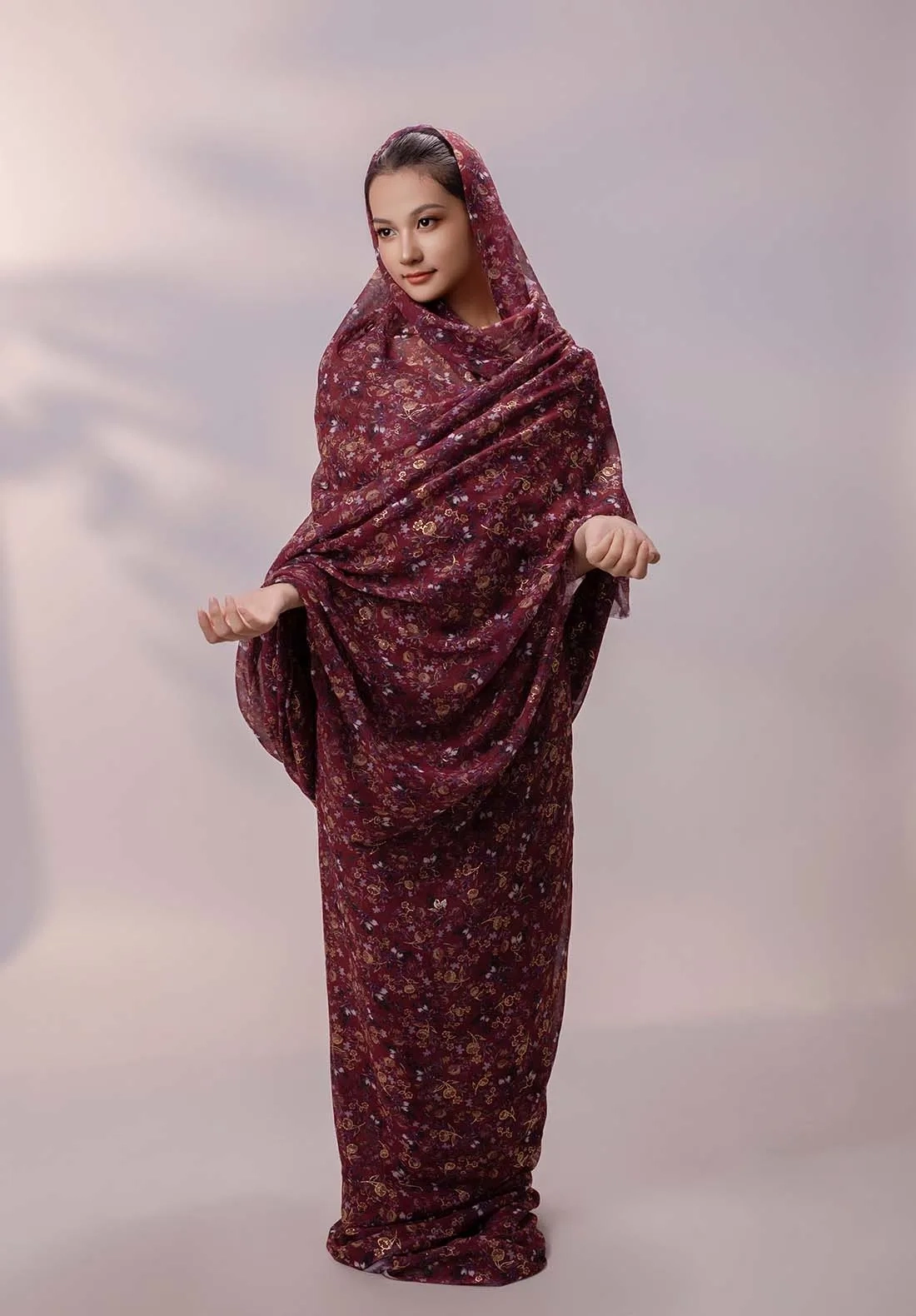
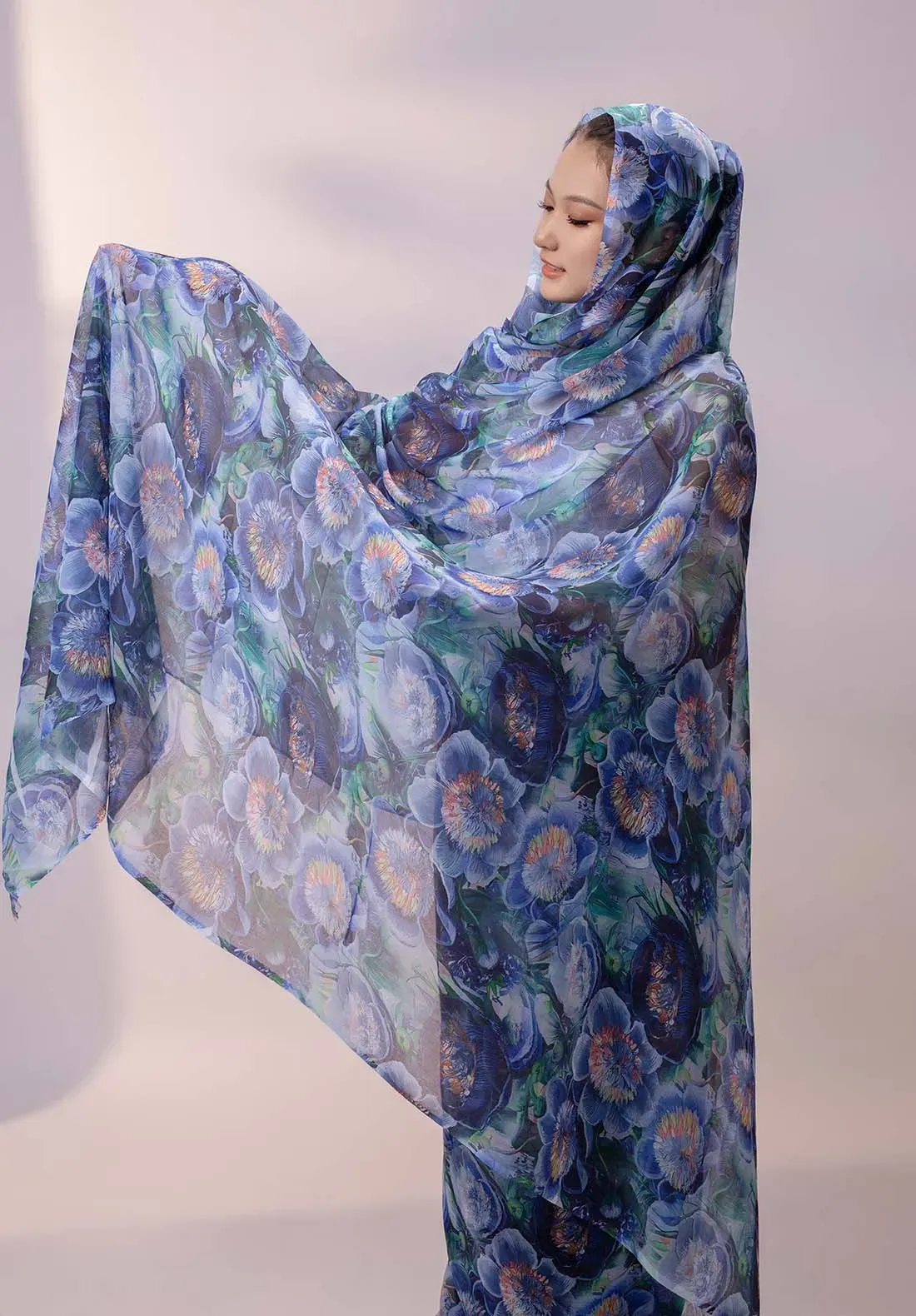
Jinlai Textile supplies custom Sudanese Toub in cotton voile and polyester voile, with available designs, custom colors, printed or plain options, customizable sizing, and private-label packaging. Available designs generally carry an indicative order lead time of 10–20 days. Custom orders may take around 20–35 days, depending on design complexity and order volume. The quotation should state when the lead time starts and which stage it ends at, such as production completion or cargo readiness.
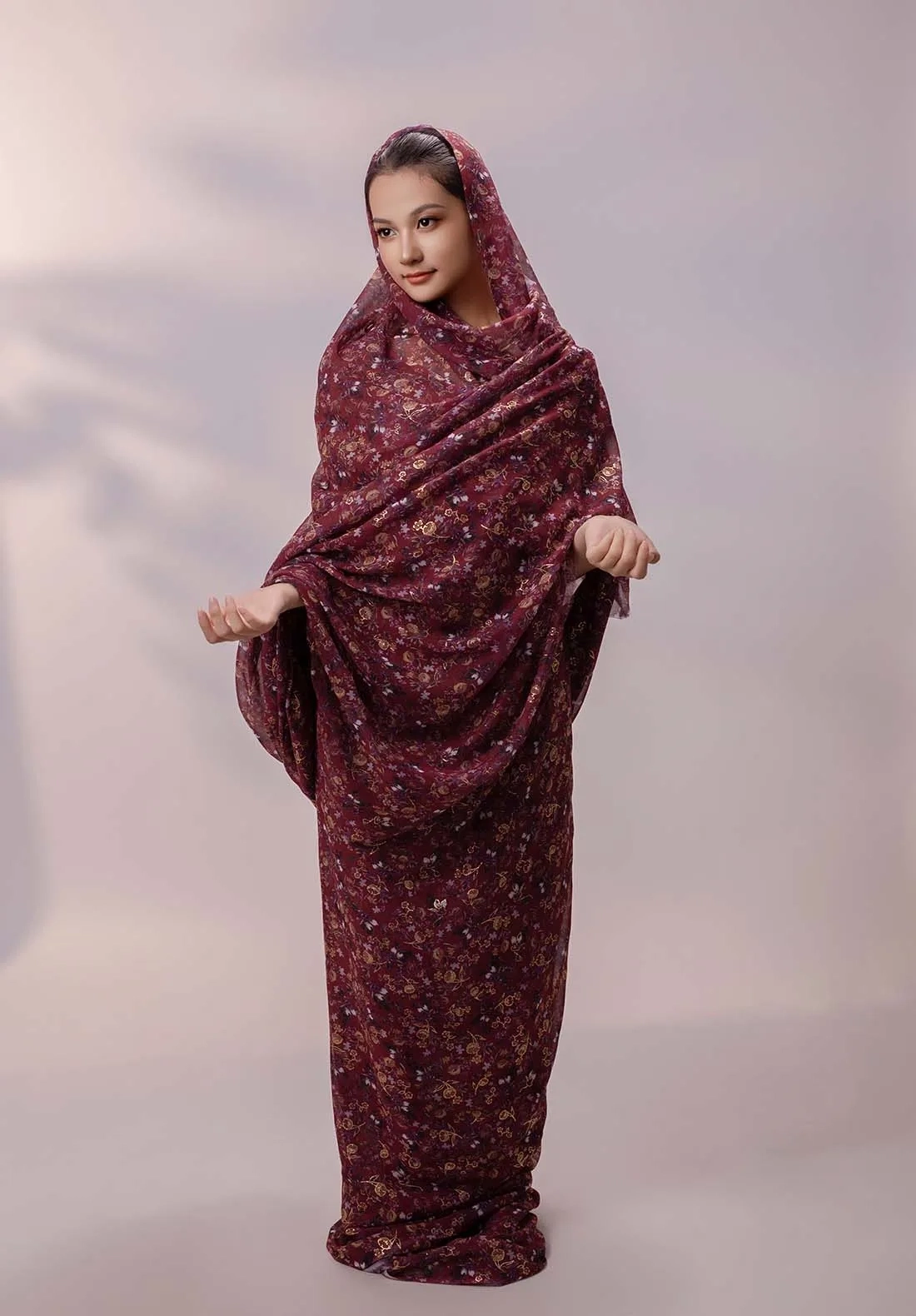
When a selected SKU is confirmed as 100% polyester, repeat that composition in the quotation, sample approval, and purchase order. A cotton program should be identified as cotton voile for the selected SKU. Do not rely on a collection title to define fiber content.
Available designs can suit urgent replenishment or a smaller market test. Custom development gives buyers more control over color, print, size, labels, and packaging, but needs earlier decisions and room for revision. When the remaining lead time cannot cover those stages, reducing the custom requirements is safer than keeping an unrealistic launch date.
Lock the Specifications Before Production
Before production, record the approved artwork, color reference, material composition, finished size, quantity by design and colorway, label files, folding method, and packaging standard.
A common wholesale specification is 150 cm × 450 cm, although custom sizing is available. Finished measurements affect wrapping, print placement, folding, and carton planning.
Recalculate the dates if the material, size, artwork, colorways, packaging, quantity, destination port, or shipping method changes. Keeping the old date on the purchase order does not make it achievable.
Assign Clear Owners and Sign-Off Points
Each stage needs a named owner and a clear confirmation that closes it. Some work can overlap, but only after the relevant information is stable. A forwarder may check sailings before production ends, but final carton data cannot be issued until the packing method and order quantity are settled.
Stage | Owner | Required confirmation |
Sample approval | Buyer and supplier | Approved sample and specifications |
Production and packing | Supplier | Cargo-ready date and carton data |
Freight booking | Forwarder or carrier | Sailing, cut-off, route, and transshipment |
Final delivery | Importer or forwarder | Clearance and warehouse schedule |
Allow Time for the Right Sample
A custom order may need a fabric swatch, print strike-off, finished Toub sample, or packing sample. A strike-off checks color and print clarity; a finished sample checks size, drape, labeling, and presentation.
Jinlai Textile can develop a project from finished artwork, an early design concept, or a market reference image through its Sudanese Toub OEM and ODM service. Physical samples for custom printed projects are generally prepared within 15–20 working days. Revision and courier time should be added separately.
Before sampling starts, agree on the sample type, fabric, start date, and revision process. This gives the buyer a more accurate custom Sudanese Toub lead time.
Keep Inspection and Packing Close to Production
Bulk production should follow the approved material, artwork, dimensions, and master sample. Inspection needs to happen early enough for corrective action. Waiting until every carton is sealed leaves fewer options if the print, shade, size, or packing method is wrong.
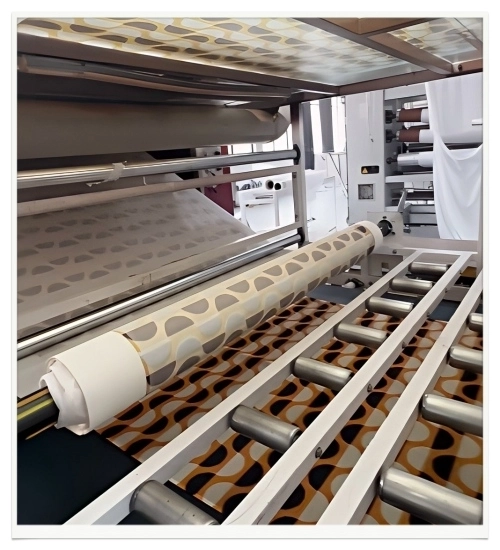
Labels, barcodes, carton marks, folding instructions, and localized packaging also need approval dates. Finished goods can sit in the factory because one small packaging file arrived late.
Keeping sampling, production, inspection, packing, and export document preparation in one workflow gives the buyer clearer release points before freight handover.
Separate Supplier and Forwarder Responsibilities
The Sudanese Toub supplier should confirm cargo readiness, packing method, carton count and dimensions, net and gross weights, inspection status, packing list, commercial invoice, and agreed export documents.
The freight forwarder or carrier should confirm the booking cut-off, cargo handover deadline, latest sailing schedule, route, transshipment plan, and transit estimate.
A manufacturer can manage product readiness and export documents. Vessel schedules, port congestion, customs inspection, and inland delivery remain outside its control.
Adjust the Plan for 2026 Red Sea Route Changes
After the internal dates are fixed, the purchasing team still needs a schedule buffer for carrier-controlled changes. In July 2026, Maersk moved its WAF6 service, connecting the Middle East, Mediterranean, and West Africa, through the Red Sea while retaining contingency plans for a possible return to the Cape of Good Hope. Route confirmation therefore belongs at the booking stage, not only at quotation.
Place Buffer Time Around Less Predictable Stages
A schedule buffer is most useful around sample courier delivery, booking availability, transshipment, customs clearance, and inland transport. Buyer-controlled approvals should remain tight; extra calendar days will not fix unfinished artwork or missing packaging information.
For China to Africa textile shipping, ask the forwarder for the latest confirmed sailing schedule for the named ports. Recalculate the warehouse date whenever the carrier, route, transshipment arrangement, or destination changes.
Compare Buffer Stock, Split Delivery, and Faster Freight
Buffer stock may suit proven designs with stable repeat demand. Split delivery may protect a fixed launch by moving a smaller opening quantity first while the balance follows through the regular route.
Expedited freight makes sense only when the sales and margin protected by earlier arrival exceed the added logistics cost. Air freight is often difficult to justify for a large, price-sensitive textile order, though a smaller first quantity may be workable.
The choice should reflect margin, customer commitments, inventory exposure, handling charges, and the cost of arriving late.
Conclusion
A reliable Sudanese Toub wholesale delivery plan starts with the warehouse-ready date and works backward through approval, sampling, production, inspection, packing, booking, transit, clearance, and inland delivery. Good planning means fixing controllable deadlines early, separating supplier and forwarder responsibilities, and recalculating the dates when the product or route changes.
Jinlai Textile supports importers, wholesalers, distributors, and private-label brands with sampling, bulk production, quality checks, labeling, packaging, and export preparation. Request a production schedule and wholesale quotation with the destination port and city, warehouse date, material, size, quantity by colorway, and packaging details.
FAQ
Q1: What is the difference between production lead time and total import lead time?
A: Production lead time covers the factory stage after specifications are approved. Total import lead time also includes sampling, revisions, inspection, freight booking, ocean transit, customs clearance, and inland delivery.
Q2: How early should a Sudanese Toub wholesale order be placed?
A: Start with the required warehouse date and calculate backward through buyer approval, sampling, production, packing, transit, customs clearance, and local delivery.
Q3: What changes can delay a custom Sudanese Toub order after quotation?
A: Changes to material, size, artwork, colorways, quantity, labels, packaging, destination port, or shipping method can affect the schedule.
Q4: Can a Sudanese Toub supplier guarantee ocean transit time?
A: A supplier can confirm cargo readiness, packing data, and export documents. Carrier schedules, route changes, port congestion, customs inspections, and inland delivery remain outside the supplier’s control.
Q5: What information is needed for an accurate Sudanese Toub delivery plan?
A: Provide the destination port and city, warehouse date, material composition, finished size, design type, quantity by colorway, packaging requirements, inspection plan, and preferred shipping method.