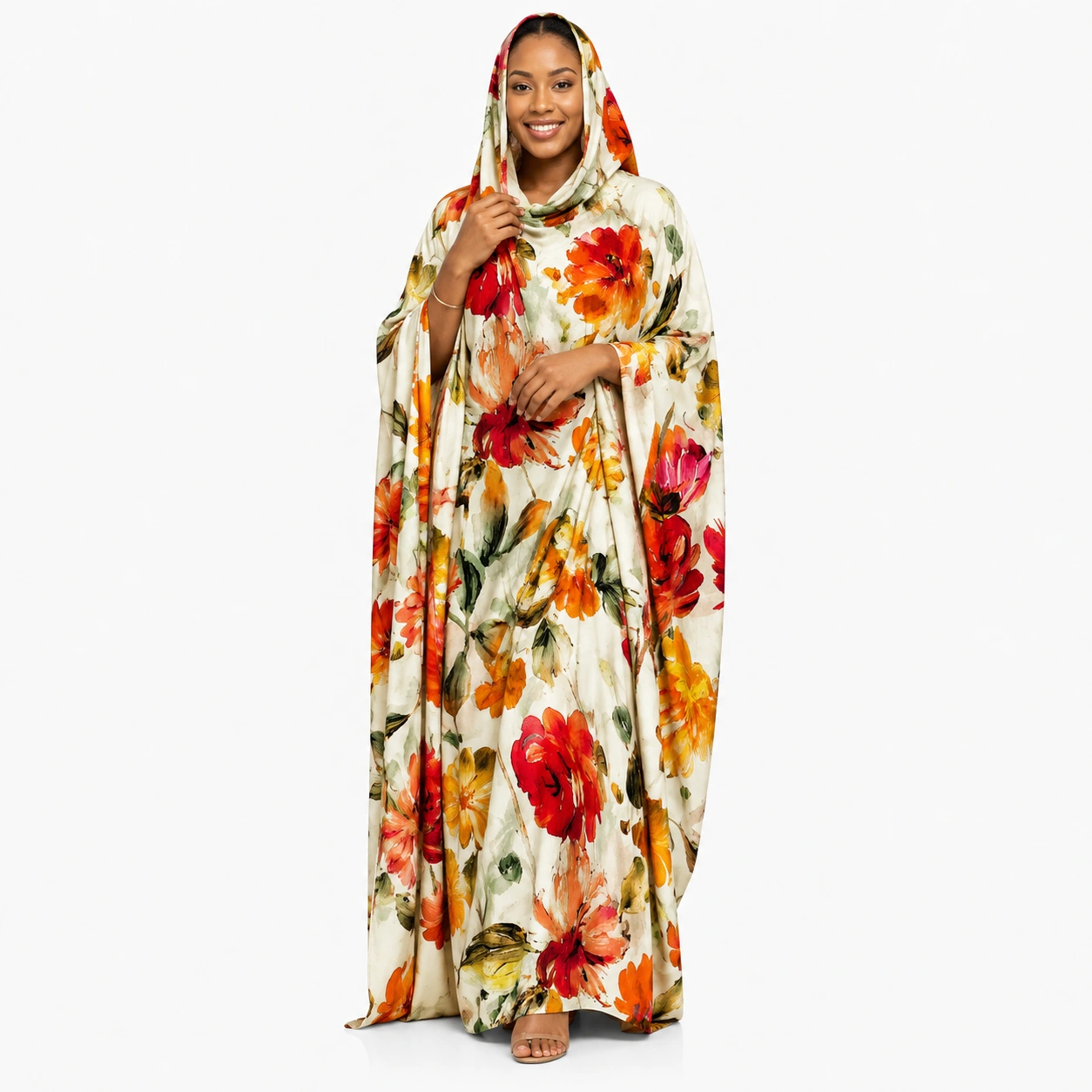
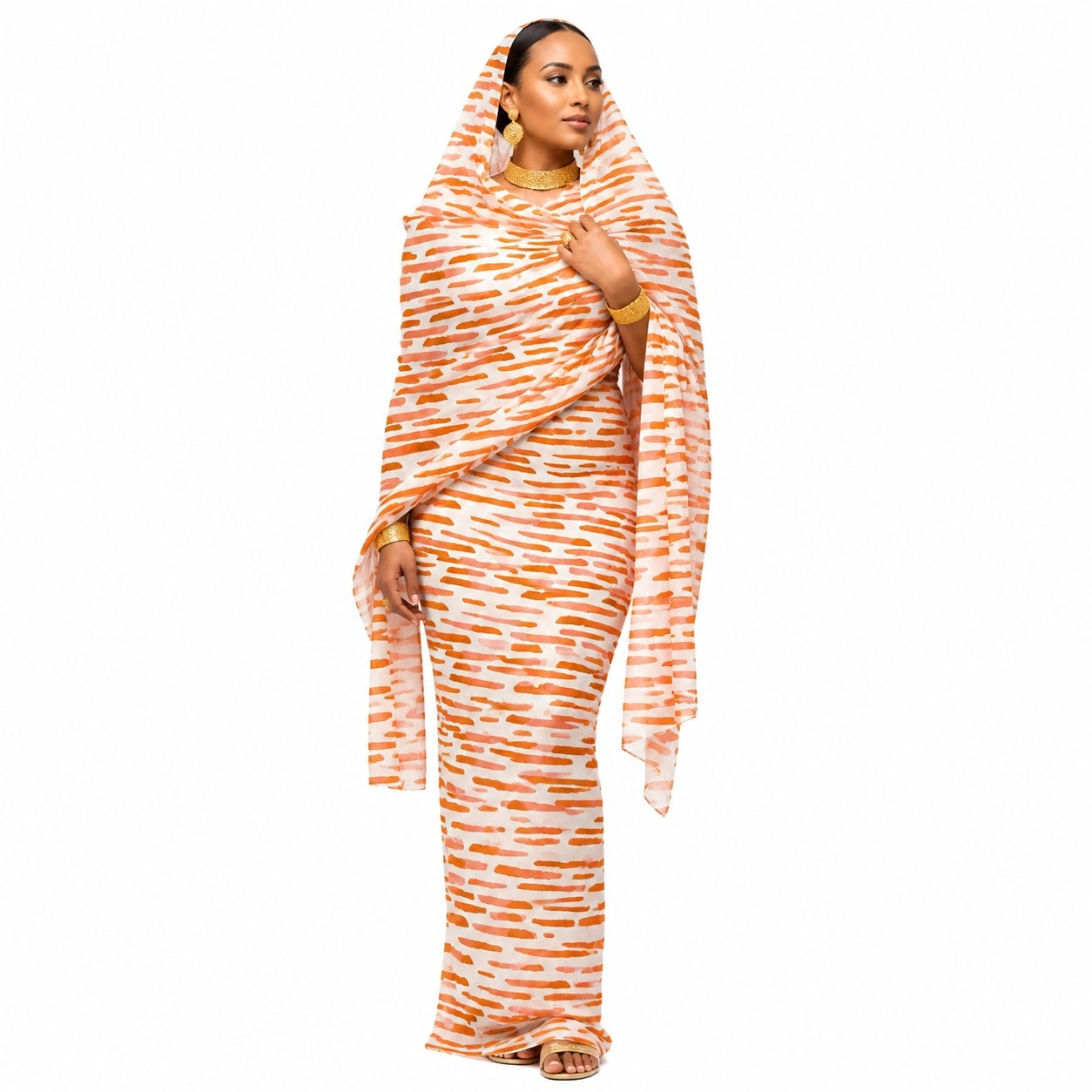
How Buyers Agree Payment Terms for Sudanese Toub Wholesale Orders
Agree Sudanese Toub wholesale payment terms against a specific order: the deposit amount, the event making the balance due and the records available at that stage. Put sample and development charges on separate lines unless they are included in the bulk price. Before acceptance, resolve what ready means in any balance clause. Finished production, accepted inspection and dispatch are different points in the purchase.
For a UK or UAE wholesaler buying from China, the practical concern is how long cash is committed before stock can be sold. A small deposit does not necessarily mean more time to pay the balance. The quoted percentage and the final payment date belong together in the buying decision, along with any development costs incurred before bulk production.
What a payment method leaves unanswered
Bank transfer tells finance how to send funds, but leaves the amount and deadline open. Complete the clause with the currency and allocation of agreed bank charges. Specify whether the due date refers to a transfer being sent or to cleared funds arriving. Those aren't interchangeable events, and an agreement that leaves the distinction open can cause a timing dispute.
Advance payment, documentary collection and letters of credit serve different trading arrangements, described in the international trade payment overview. A buyer proposing a bank-managed method will need the supplier's agreement as well as the bank's input. The bank can explain its requirements and costs before those requirements become part of a purchase the supplier has accepted.
Purchasing teams can compare Sudanese Toub quotations on the same price basis and review the proposed payment dates separately. Under ICC's Incoterms guidance, time, method and currency of payment remain outside the rules. FOB or CIF therefore leaves the balance date unresolved. Look for that date in the payment clause, together with any event that starts the payment period.
A deposit for a defined order
A Sudanese Toub bulk order deposit has to relate to identifiable goods. Existing designs may already have a selected reference; a new collection may still have artwork or packing decisions outstanding. The quoted quantity belongs beside each design and color, with a note against anything awaiting approval. Before acceptance, establish how an open decision will be resolved and whether the price depends on it.
Take an illustrative goods total of $10,000 and a proposed 30% deposit. The arithmetic gives a $3,000 deposit and $7,000 balance, before any separately agreed charges. These figures are an example, not Jinlai Textile's prices or terms. A development fee paid outside that goods total would require its own line. The proforma invoice, a preliminary order invoice, is the place to identify what sum the deposit percentage applies to.
The cancellation question is worth settling while the order is still under discussion. For example, if development has started when a buyer cancels, which costs will be charged and what happens to funds already paid? Discuss the answer before payment and record any accepted refund or credit conditions. Calling the transfer a deposit doesn't answer those questions.
For an enquiry about Jinlai Textile's custom Sudanese Toub manufacturing, the buyer can begin with a printed or plain reference and identify the proposed pattern, color, size and packing changes. This becomes the brief for an order-specific quotation. It also defines the work under discussion before a deposit is settled, leaving separately charged development identifiable beside the bulk goods.
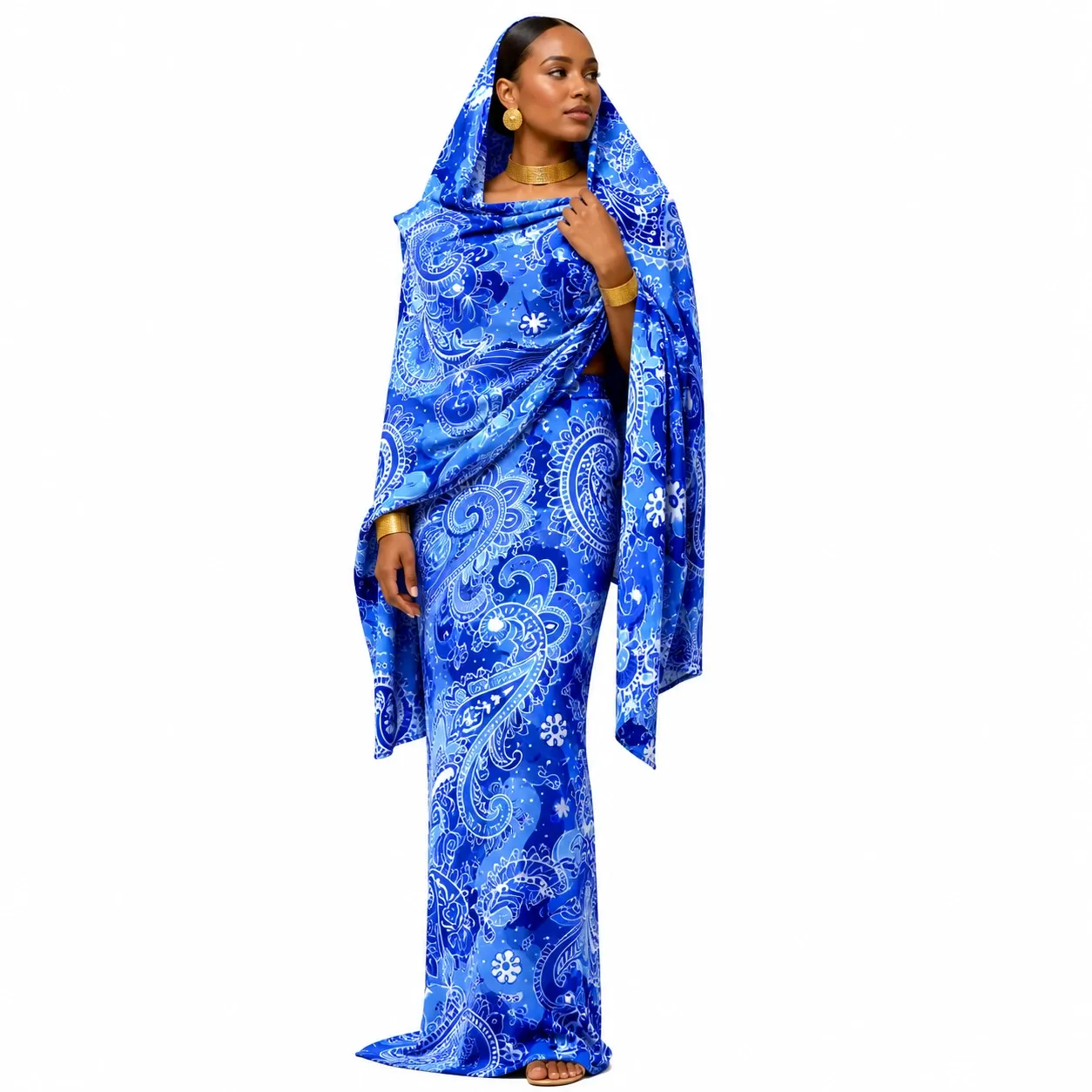
What counts as ready for balance payment
Balance when ready sounds simple until the teams disagree about ready. The goods may be finished but awaiting inspection. Packing may be complete while a transport document is still in draft. Arrival at the wholesaler's warehouse happens later again. The payment clause needs the event both parties accept and the evidence available at that point.
Proposed payment event | Evidence to agree before ordering |
Production completion | Completion notice tied to the ordered items and quantities |
Inspection review | Named report, reviewer and process for resolving findings |
Shipment documentation | Specified transport record and required draft or final status |
A partial shipment | Items released and the payment allocated to that release |
For inspection, the report is only one part of the agreement. Who arranges the visit and accepts the result? How long is allowed for review, and what happens to payment while a finding is discussed? Work through that sequence with the supplier. A document-based payment similarly calls for a named record and draft or final status, rather than a general promise to send shipping documents.
Under UCP 600, a letter-of-credit bank deals with documents rather than the goods, as ICC's documentary-credit guidance explains. The purchasing team still has product approval and any agreed inspection to arrange. Review proposed credit wording with the bank and supplier, particularly the records that will be available when payment is due.
Development fees and approval are separate questions
Sample paid and sample approved describe different events. The first records a charge; the second records a product decision. A custom Toub may have an accepted fabric sample and an unfinished label design at the same time. The order file can identify the approval still outstanding and the work covered by each fee, including how further revisions will be charged.
Jinlai Textile's Sudanese Toub OEM and ODM development includes physical sampling, design, labels and packaging discussions. That scope gives a private-label buyer several approval points to settle. The quotation needs to identify included work and any separate charges. A proposed sample-cost credit also needs an agreed amount and condition before it is included in the buyer's budget.

Record approval against its actual subject. Print revision approved and label artwork still open is more informative than a message saying approved. Add the sample or artwork reference, date and authorized approver. Finance can then match the decision to the invoice without trying to judge a motif or infer whether a packing change has also been accepted.
Revised designs and partial shipments
The same example also shows why an amendment warrants a fresh balance calculation. Increase the accepted total to $11,000, leave the $3,000 payment already applied unchanged, and the unpaid amount becomes $8,000 before any other adjustment. The old $7,000 figure no longer fits. Put the revised calculation in the updated confirmation, with the amendment accepted by both parties.
For a split order, identify the designs and quantities in each release before calculating its payment. The deposit allocation is a point for agreement, not an amount to assign by assumption. Record the allocation against each release and retain a separate total for unshipped goods. Finance can then see what the first payment settles and what remains outstanding against later shipments.
Jinlai Textile's Sudanese Toub print approval guidance supports keeping design codes and artwork revisions with custom printed orders. Carry the accepted revision into the commercial line so purchasing and production are discussing the same version. If a buyer proposes another print revision later, discuss its commercial treatment separately. The original artwork approval establishes the selected design, while the accepted price covers the work agreed for that order.
Checking the receiving instructions
The payment request merits a separate review, even after the amount and date have been settled. Beneficiary means the recipient of the transfer. The following fields give finance a compact comparison with the accepted order and instructions. If another entity will receive payment, obtain the explanation and documented authorization first, then retain it with the order.
Payment field | Record for comparison |
Beneficiary name | Contracting party's legal name and any authorized recipient arrangement |
Receiving account | Accepted supplier payment instructions |
Currency and amount | Current invoice and agreed payment schedule |
Invoice reference | Order allocation for this transfer |
Account changes call for an independent contact check. IC3's business email compromise guidance recommends a secondary channel to verify changed instructions. A previously established supplier number is useful here. A new number supplied in the change message comes from the request itself, so it isn't an independent way to confirm that request. This is a routine purchasing check for a change, not a reason to imply misconduct by a supplier.
Once funds have been sent, the remittance advice tells the supplier which invoice the payment concerns. Ask for the amount applied and compare it with the agreed amount due, including the treatment of fees. That response settles the allocation as well as confirming receipt. If it shows a difference, resolve it before relying on the payment to start production or authorize dispatch under the agreement.
Conclusion and purchasing next step
Usable Sudanese Toub wholesale payment terms connect the payment schedule to the accepted goods. Finance can identify the amount payable now, the agreed event for the balance and any fees paid separately. If the order changes, the calculation changes with it. For split shipments, the record shows each release's allocation and what remains outstanding against later goods.
For an order-specific quotation, discuss a wholesale order with Jinlai Textile using selected references or custom artwork and the quantities required. Add the destination, sample approval status and labels or packaging under consideration. A proposed payment arrangement can accompany that brief. Resolve its outstanding conditions during the quotation discussion so the accepted order gives purchasing and finance the same basis for proceeding.
Frequently asked questions
Is there a standard deposit percentage for Sudanese Toub wholesale orders?
The percentage is a term to request and agree for the order. A quoted figure for another supplier or design isn't an established rate for this purchase. The budget should cover the proposed initial amount, separately paid charges and the remaining payment, with its due date shown alongside the deposit.
Does a sample payment automatically confirm a bulk order?
Not automatically. It pays for the agreed sample work; it doesn't establish acceptance of a bulk quantity or payment schedule. Those require a separate commercial agreement. An offered sample-cost credit should say when it applies and where it is deducted, whether from the deposit, balance or another agreed payment.
Can an inspection report be a balance-payment condition?
It can be negotiated before the order is accepted. Agree the inspection scope and report with the supplier, including who reviews findings and how an unresolved finding affects payment. If inspection is proposed later, treat it as an amendment for discussion. The request alone doesn't replace the accepted payment deadline.
Do repeat orders keep the previous payment terms?
They require confirmation for the new purchase. The earlier agreement is a useful starting point, but a repeat design may have a changed quantity or shipment arrangement. Record the accepted terms against the new order. That way finance isn't left to assume an old balance condition still applies.