Beyond Price: 2026 Sudanese Toub Fabric Sourcing for Wholesalers
Introduction
In wholesale fabric buying, buyers often see this pattern. A cheap Sudanese Toub sample looks great in the showroom. Yet bulk shipments come with dull colors, weak drape, or mismatched opacity. These problems hurt margins and break trust with retailers.
Price still matters in fabric buying. No wholesaler ignores it. But in 2026, Buyers now pay more attention to performance stability, repeat-order consistency, and customized design planning instead of chasing the lowest quote.
For wholesalers, importers, modest fashion brands, and African textile distributors, Sudanese Toub is not just a traditional garment category. It is a fast-moving fabric product with cultural value, daily wear demand, and strong seasonal sales potential.
Jinlai Textile fits naturally into this conversation as a B2B partner for Sudanese Toub fabric sourcing. It offers technical reliability and design flexibility for long-term wholesale growth.
Why Price Alone No Longer Defines Good Sudanese Toub Fabric
Wholesale buyers have learned that price tags rarely tell the whole story. A low-cost toub fabric might save a few cents per meter at the start. But it can cost far more when quality issues appear during production or after washing.
Hidden Costs Behind Low-Cost Toub Fabric
Low-cost fabrics often hide problems that stay invisible at first glance. Uneven GSM leads to inconsistent drape across garments. Poor color fastness causes fading under sunlight or washing. Loose weave stretches or deforms during packaging. Weak opacity makes the fabric unsuitable for modest wear. Batch inconsistency complicates reorder cycles. These issues create hidden costs such as returns, markdowns, and lost customers. In this way cheap fabric becomes an expensive mistake over time.
Better Fabric Sourcing Protects Wholesale Margins
Good sourcing does not mean picking the highest-priced supplier. It means finding balance between cost, performance, and dependability. Reliable toub fabric sourcing gives wholesalers confidence to plan collections months ahead. They avoid fear of defects or shipment delays. Stable sourcing also supports consistent branding. This matters for distributors who manage multiple retail clients across regions.
Fabric Performance Checks Every Wholesaler Should Make
Technical checks are no longer optional in 2026’s competitive market. Evaluating Sudanese Toub fabric means looking at measurable parameters. These parameters influence comfort, aesthetics, and durability.
GSM, Thread Count, and Drape
GSM affects how heavy or light the toub feels when worn as a wrap garment. Lighter GSM gives better flow. It may reduce opacity at the same time. Higher GSM offers structure. It can feel warm in tropical climates. Thread count adds to smoothness and weave stability. This matters when printing intricate motifs. Drape stays a key visual element. It defines how elegantly the fabric falls around the wearer’s silhouette.
Opacity and Modest Wear Needs
Sudanese Toub buyers often target modest fashion markets. Coverage matters as much as comfort in these markets. Cotton voile and voile-based fabrics deliver breathability. They still need careful opacity testing under different lighting conditions. This holds especially for pastel shades used in summer collections. It also applies to deep jewel tones preferred during festive seasons.
Shrinkage, Tensile Strength, and Color Fastness
Before committing to bulk orders, wholesalers should request lab testing reports. These reports cover shrinkage rate, tensile strength, rubbing fastness, and wash durability. The metrics predict whether a toub fabric will keep its size and color after multiple wears. This factor matters for retailers who rely on repeat customers rather than one-time sales.
Cotton Voile and Voile Fabrics in 2026 Sudanese Toub Orders
Cotton voile continues to dominate Sudanese Toub manufacturing because of its lightweight texture and breathable nature.
Why Cotton Voile Fits Daily Wear Collections
Cotton voile suits daily wear lines. It offers softness and airflow properties that keep wearers cool throughout long days in warm climates. Cotton voile is a light, soft, and breathable fabric. It works well for Muslim women's scarves. Its smooth hand feel also raises consumer satisfaction. This small tactile detail drives repeat purchases in modest fashion markets. Comfort defines loyalty more than trend cycles in these markets.
When Polyester Voile Makes Sense
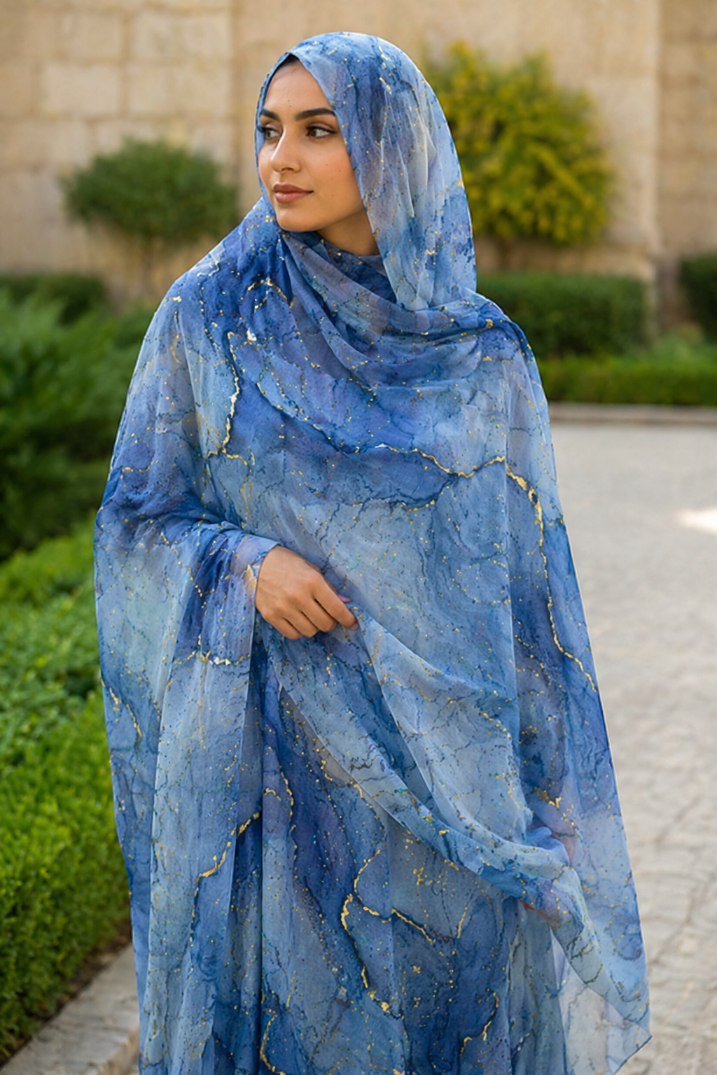
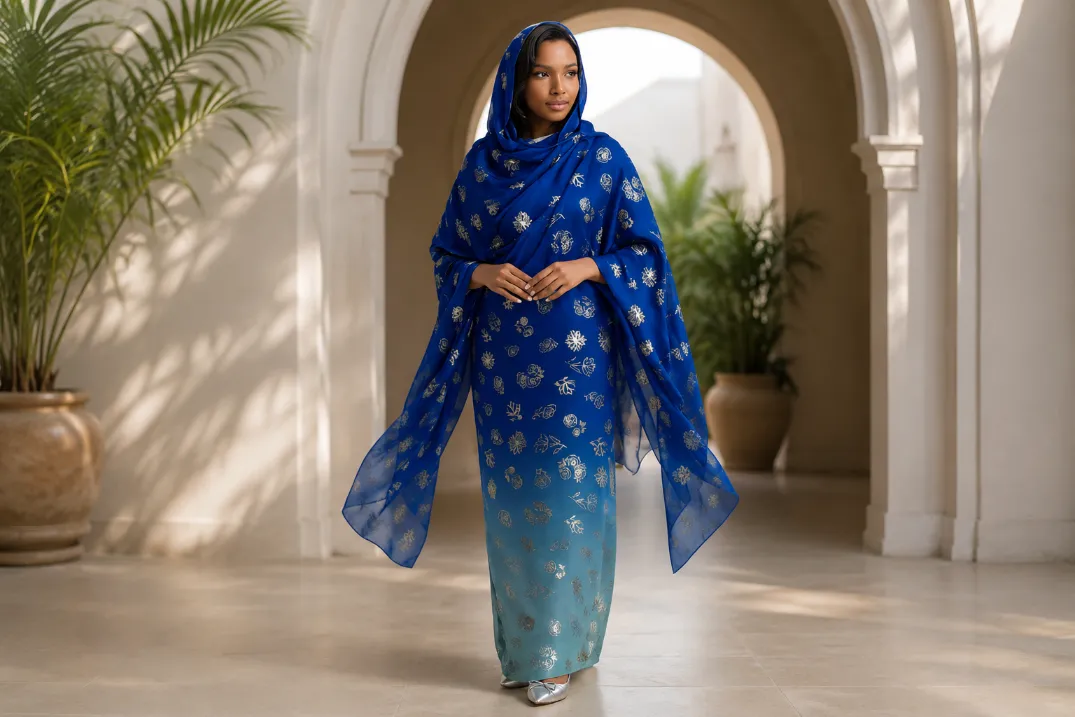
Polyester voile options appeal to buyers who seek cost efficiency. They also suit buyers who want specific finishes like sheen or wrinkle resistance. The qualities prove useful for decorative toub designs that feature gold stamping or metallic embroidery. Such designs stay popular during Eid collections. For wholesalers who balance price-sensitive markets with aesthetic expectations, polyester voile offers practical middle ground. It sits between pure cotton luxury and synthetic affordability.
Design and Customization Factors That Affect Wholesale Sales
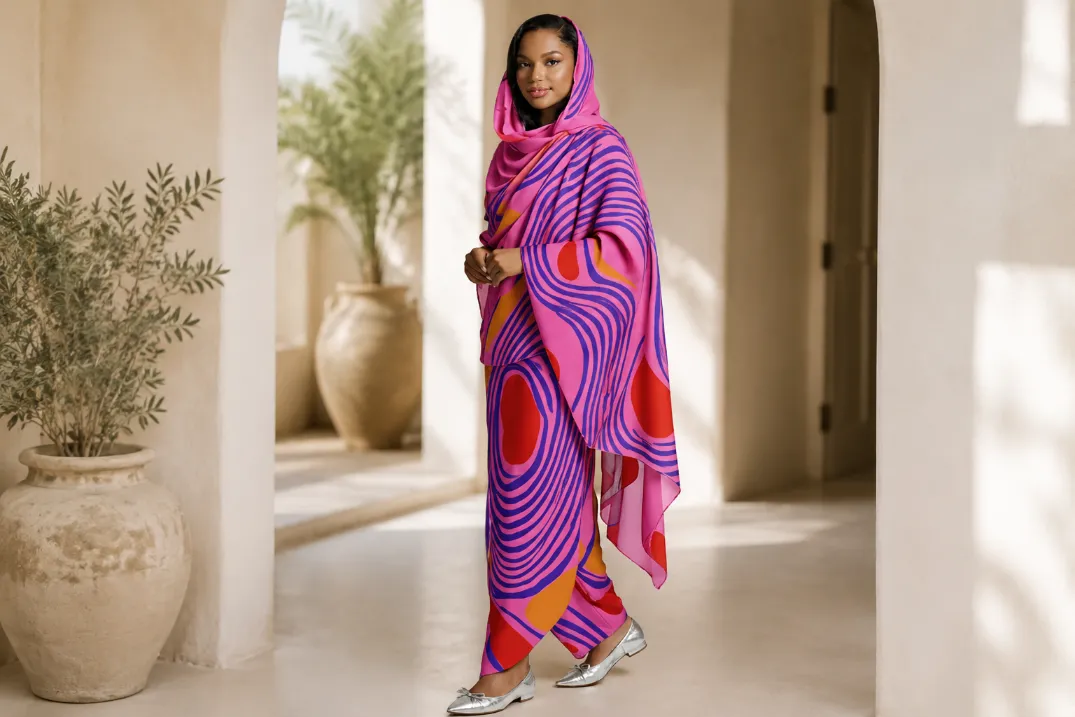
Fabric selection forms only half of successful toub sourcing. Design customization shapes how well collections sell locally. Each region holds unique preferences. Some favor minimal everyday prints. Others prefer heavily decorated ceremonial styles. Flexibility therefore matters more than ever in 2026’s fragmented retail landscape.
Prints, Embroidery, and Gold Stamping
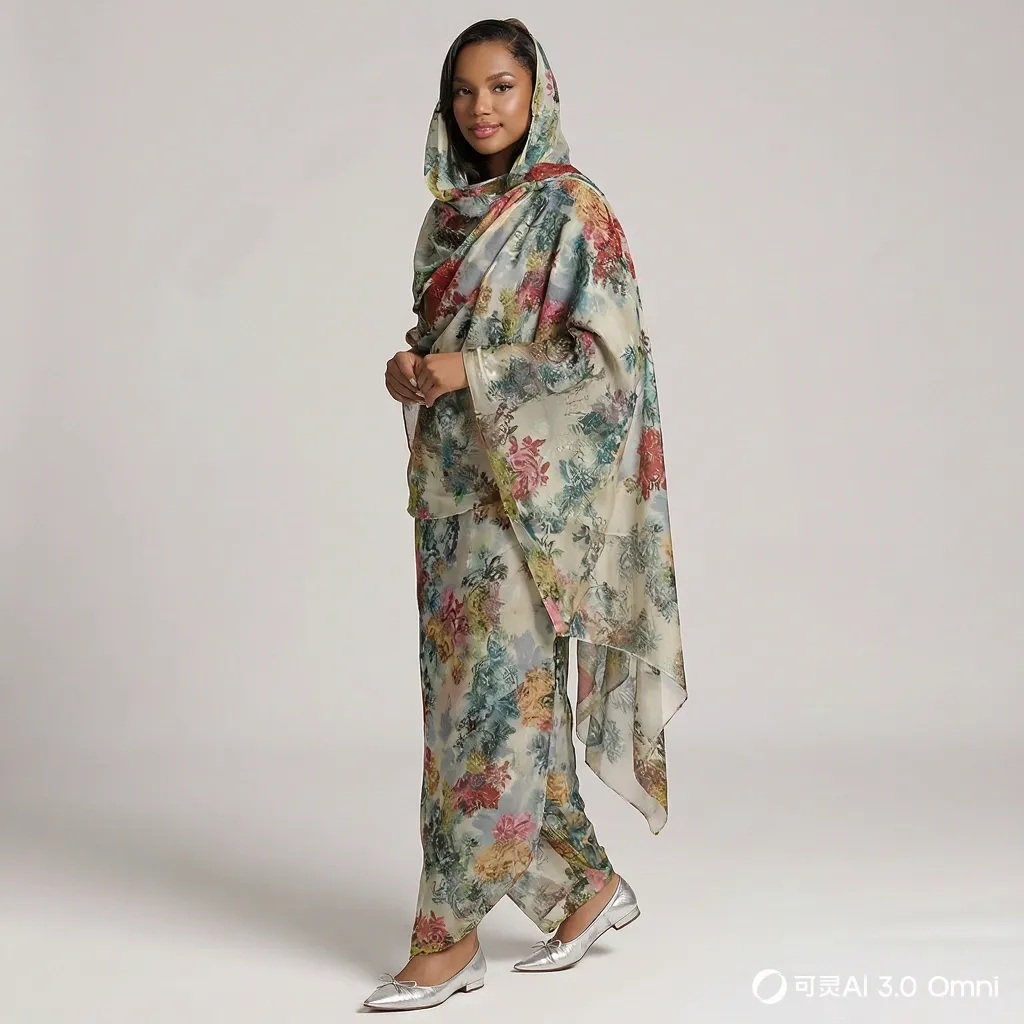
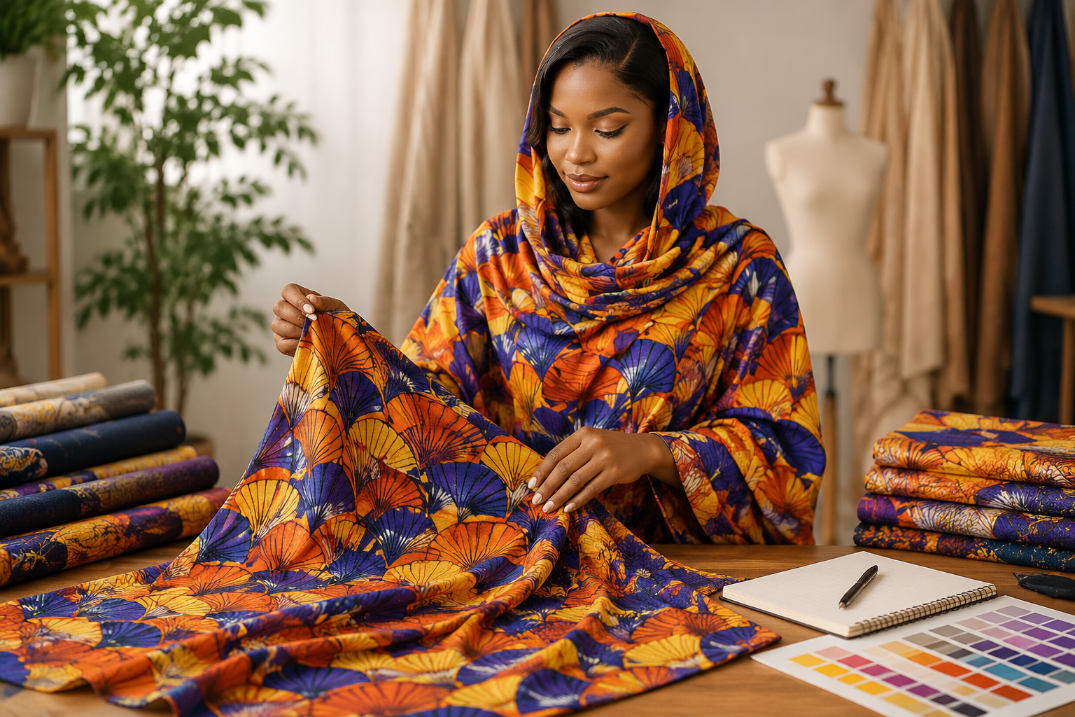
Sudanese Toub fabrics can range from plain-dyed basics to ornate embroidered or gold-stamped designs. The range depends on customer demographics. Simple printed voiles work well for everyday stockists. Embellished versions attract bridal boutiques or festive-season retailers. These versions allow differentiation without overstocking risk.
Color Planning for Daily and Festive Lines
Color strategy drives inventory turnover. Daily Basics use neutrals such as beige and cream. They sell year-round. Seasonal Styles use pastels and florals. They fit Spring–Summer timing. Festive/Eid Lines use jewel tones and metallics. They align with Ramadan–Eid peaks. Balancing these palettes allows wholesalers to manage cash flow. It also helps them align with cultural calendars that influence purchase peaks.
Private Label and Packaging Requirements
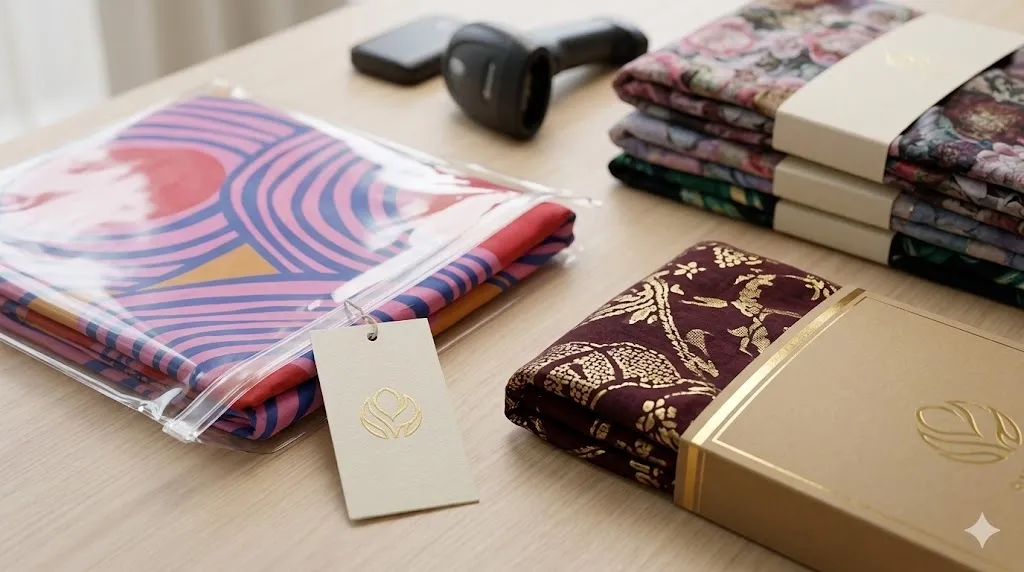
Private labeling turns generic stock into branded merchandise. The merchandise becomes ready for retail shelves. OEM packaging options such as folded sets or roll packing suit diverse distribution models. Online resellers need compact boxes. Traditional stores prefer display-ready bundles.
Supplier Reliability: The Part Many Buyers Notice Too Late
Reliable suppliers make all the difference between smooth operations and chaotic reordering cycles.
Sample Review Before Bulk Production
Professional buyers always request pre-production samples. They ask for swatches for color verification or strike-offs for printed designs. These steps confirm every technical detail before mass weaving begins.
Batch Consistency Across Repeat Orders
Consistency ensures repeat business success. Approved samples must match bulk deliveries in GSM weight, texture feel, hue accuracy, print clarity, and drape quality every single time.
Lead Time and MOQ Planning
Planning MOQs alongside production lead times prevents stockouts during peak sales months. It also optimizes logistics costs through consolidated shipments.
Jinlai Textile’s Sudanese Toub Fabric Supply for B2B Buyers
As a trusted partner in global modest fashion supply chains, Jinlai Textile aligns technical precision with creative flexibility.
Product Range for Wholesale Buyers
Jinlai Textile's selected cotton voile fabric can be used to make dyed scarves, printed scarves, embroidered scarves, diamond scarves. The company offers both cotton voile and polyester voile bases. These bases cover plain-dyed fabrics, digital prints, embroidery-enhanced designs, and gold-stamped finishes. They serve as ideal building blocks for diverse wholesale portfolios.
Custom Development Support
The firm uses the latest weaving and printing and dyeing equipment. Professional technicians follow up throughout the process. This technical infrastructure allows Jinlai Textile to support custom color development, pattern digitization, embroidery detailing, and OEM branding solutions. All of this happens within scalable production frameworks suited for importers or distributors targeting African modestwear markets.
Why Stable Supply Matters for Market Growth
Stable production capacity translates into predictable delivery schedules. This advantage becomes critical when coordinating multi-country distribution networks. Missed deadlines in such networks mean lost seasonal opportunities.
Conclusion
Sudanese Toub sourcing in 2026 has moved far beyond price comparison charts. Wholesalers now evaluate GSM balance, drape integrity, opacity levels across colors, colorfastness under wash conditions, shrinkage tolerance after finishing processes, and most importantly the reliability of their suppliers’ communication loops from sampling through shipment tracking. Cotton voile remains central due to its breathable softness suited for hot climates. Polyester voile provide strategic alternatives where durability matters more than texture luxury.
For buyers building daily collections, festive lines, or private-label Sudanese Toub programs, stable supply and custom development create long-term value that simple low-cost options cannot match. To explore high-quality cotton voile Sudanese Toub fabrics and tailored wholesale solutions, contact Jinlai Textile today and request a sample for your collection.
FAQ
Q1: What should wholesalers check before sourcing Sudanese Toub fabric in bulk?
A: They should verify GSM weight consistency, thread count uniformity, shrinkage percentage after washing tests, and opacity balance across colorways before finalizing any bulk order.
Q2: Why is cotton voile popular for Sudanese Toub fabric?
A: Cotton voile combines softness with breathability. It makes the fabric ideal for warm climates where comfort drives daily wear demand. It also holds dyes beautifully. This gives vibrant yet elegant finishes suitable for both casual and ceremonial use.
Q3: How can buyers compare different toub fabric suppliers?
A: Compare based on sample accuracy, batch consistency history, MOQ flexibility, and responsiveness during pre-production stages, not just quoted prices per meter.
Q4: What customization options are important for Sudanese Toub wholesale orders?
A: Key options include custom prints, color-matched embroidery, gold stamping effects, and OEM packaging formats aligned with each retailer’s shelf display standards.
Q5: How does fabric sourcing affect repeat sales for wholesalers?
A: Reliable sourcing builds brand trust among retailers. Consistent quality means fewer returns, stronger relationships, and smoother reorder cycles season after season.