Lightweight Cotton Sudanese Toub: A Key Fabric Trend in 2026
Introduction
The Sudanese Toub market has always had a close relationship with fabric comfort. In 2026, lightweight cotton is becoming one of the strongest directions in the Sudanese Toub supply chain. Buyers need fabric that feels soft, stays breathable, drapes well, and still looks refined after packing, shipping, and repeated handling. For wholesalers, importers, and modest fashion brands, cotton voile has become one of the most practical materials for this demand.
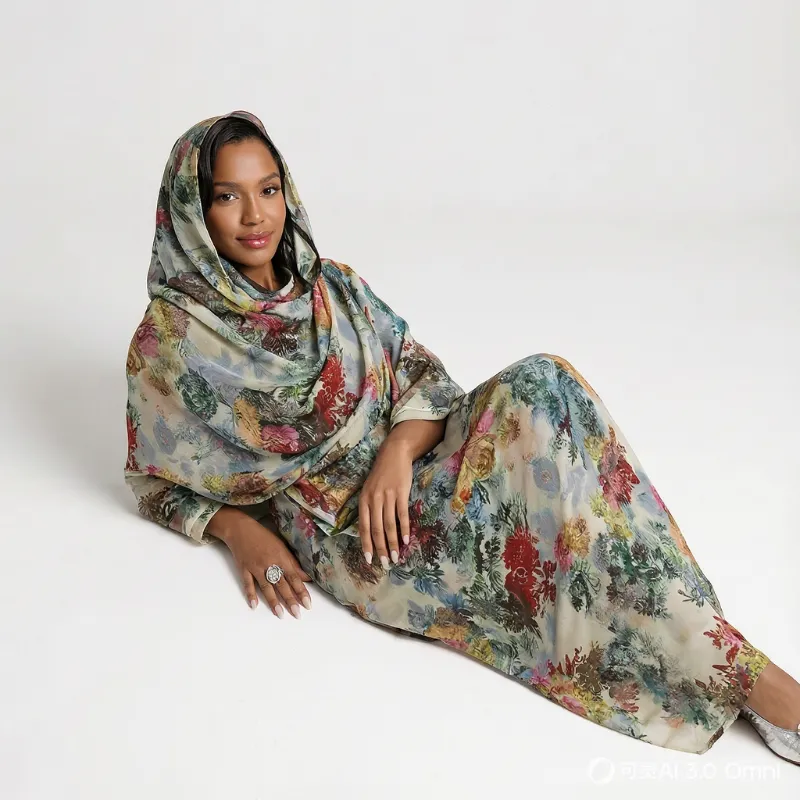
Jinlai Textile offers Sudanese Toub fabrics to serve B2B buyers who require a stable supply, custom design support, and a selection of marketable fabrics.The growing demand for lightweight cotton is not just a fashion trend. It is linked to climate, wearing habits, retail expectations, and the daily reality of women who choose toub fabric for both comfort and style.
Why Lightweight Cotton Is Becoming a Core Toub Fabric Trend
The market for toub fabric now covers more than ceremony. It reaches daily wear, fashion shops, and export wholesale lines. Buyers want fabrics that keep tradition yet fit modern needs.
Warm-Climate Comfort Drives Fabric Selection
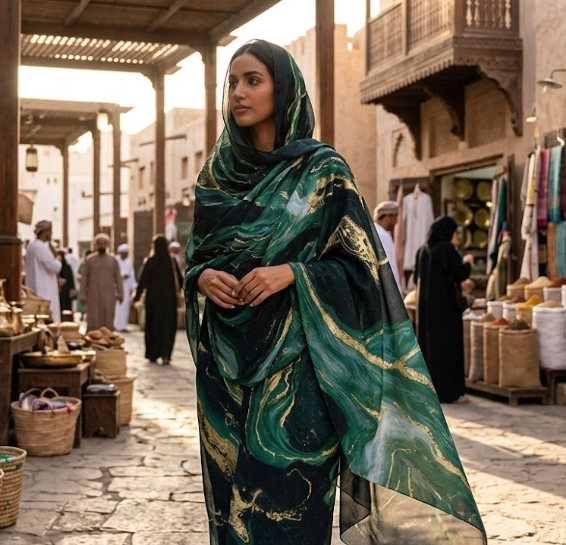
Hot places like Sudan or the Gulf region put comfort first. Breathable fabrics such as cotton voile let air move freely. They cut heat during long hours of wear. The light weave gives ventilation yet keeps modesty. This balance matters for Muslim fashion buyers who need both coverage and ease.
Lightweight Drape Matches Modern Toub Styling
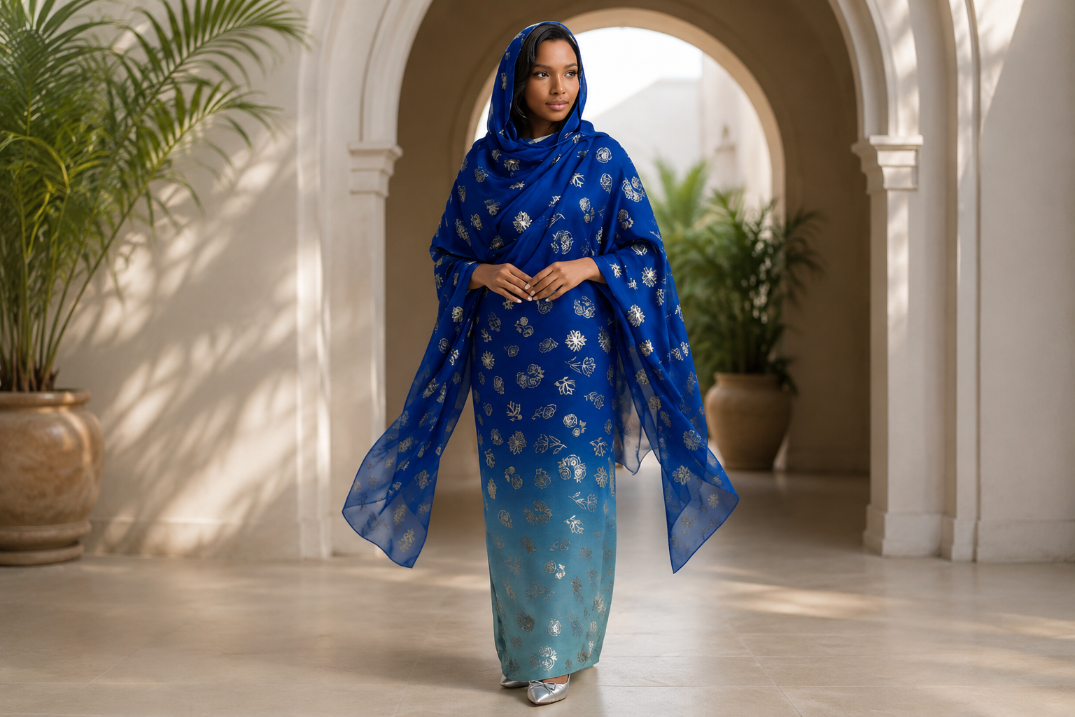
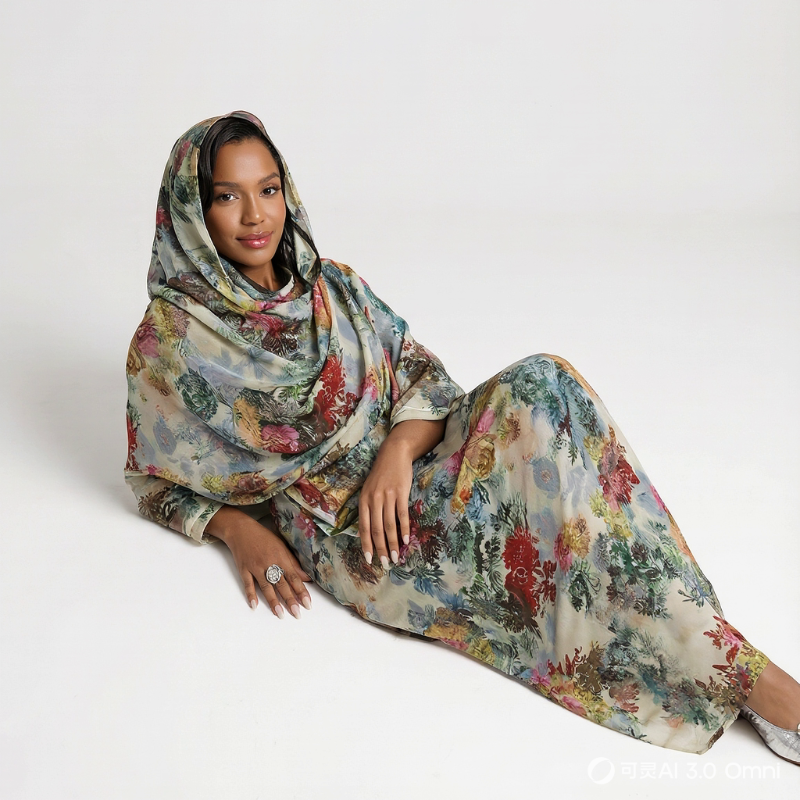
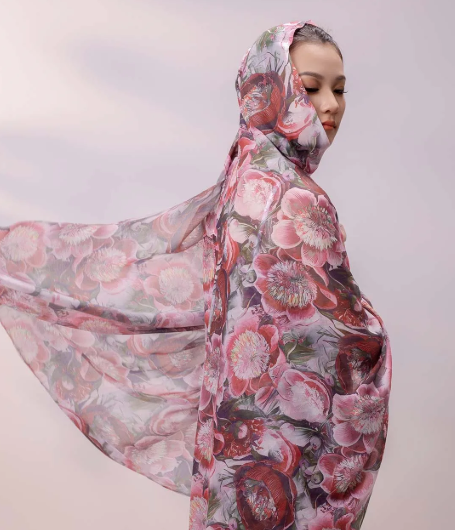
Soft drape shapes the look of a Sudanese Toub. Fabric that flows around the body adds grace. It avoids stiff or heavy results. Lightweight cotton voile gives that natural flow. It still holds enough structure for the wrapping styles younger buyers like.
Cotton Voile as the Practical Fabric Choice for Sudanese Toub
Cotton voile has grown beyond a trend. It now serves large-scale production and retail well.
What Makes Cotton Voile Suitable for Toub Production
Cotton voile fabric draws many people who seek light and breathable material for scarves. These traits work well in toub production. Fine yarns give a smooth touch. The light weave keeps air flow even in layers. The light texture creates an elegant fall for casual or festive wear. Cotton voile fabric comes from high-quality cotton fibers. These fibers are combed and twisted into fine, even yarns. This step brings steady softness for modest fashion garments.
Why Fabric Weight Matters in Bulk Orders
GSM decides comfort and opacity in B2B sourcing. A range of 60–90 GSM suits lightweight wraps. Lower numbers can cause see-through problems. Higher numbers can limit drape. Buyers often ask for pre-production samples to check these points before large orders.
GSM Range | Opacity Level | Usage Recommendation |
60–70 GSM | Semi-sheer | Summer daily wear |
75–85 GSM | Balanced | All-season toub |
90+ GSM | Opaque | Embroidered or printed designs |
What B2B Buyers Should Check Before Ordering Lightweight Toub Fabric
Professional buyers know that the right supplier means more than color charts. It means steady results.
GSM, Thread Count, and Drape Consistency
Buyers check if rolls keep stable GSM and thread count. This step stops uneven drape during cutting or packing. Inconsistent rolls can change wrapping performance or shift print lines across batches.
Opacity and Modest Wear Requirements
Sudanese Toub styles use layers. Opacity must match breathability. A well-woven cotton voile keeps air moving while it gives coverage under sun or indoor light.
Color Fastness and Print Clarity
Color hold matters for resale value. Soft florals or geometric prints on cotton voile should stay clear after wash or sun. Buyers test sample pieces under varied light before full runs.
How Lightweight Cotton Supports 2026 Toub Collection Planning
The rise of lightweight cotton creates chances across product lines. These run from daily items to festive pieces.
Daily Wear Collections
Mid-light cotton voile Sudanese Toub fabrics match buyer needs for comfort and grace in daily life. Their soft feel suits women who want breathable wraps for office or errands in hot weather.
Seasonal and Event-Based Collections
Lightweight cotton also fits event lines. Eid events, weddings, and cultural days work well with added embroidery or digital prints. The natural finish of cotton voile lifts decorative work without extra weight.
Custom Colors and Local Market Taste
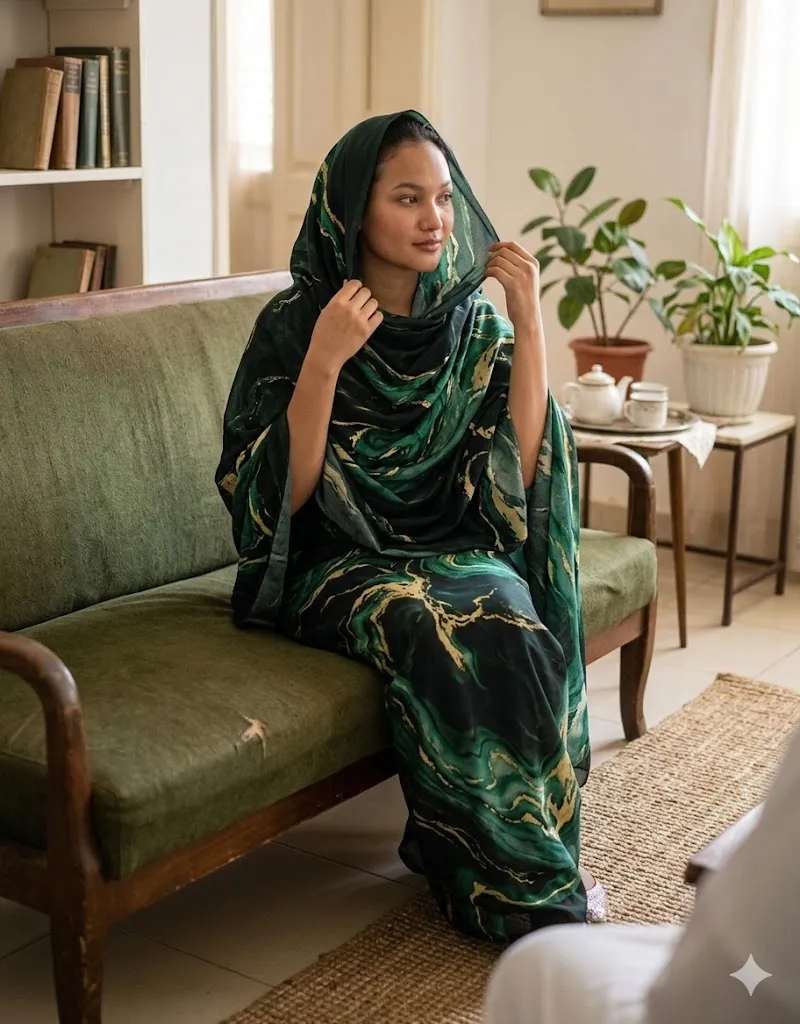
Color choices differ by region. Jewel tones lead in East African markets, while neutral beige tones draw Gulf buyers. Suppliers that offer custom dyeing or digital prints help brands match local demand.
Why Stable Supply Matters as Much as Fabric Comfort
Even strong fabric loses value with unsteady supply. Wholesale buyers need partners who hold quality across repeat orders.
Batch Consistency for Wholesale Buyers
Stable dye lots stop color shifts between shipments. This issue appears often in large distribution. Clear QC records lower return risks and build retailer trust.
OEM and Custom Development for Toub Brands
Modern brands often need custom work. This covers color matching, embroidery placement, packaging design, and private labels. These steps matter when brands grow toub lines in new markets.
Jinlai Textile’s Cotton Voile Sudanese Toub Supply Focus
Jinlai Textile leads in cotton voile fabric production. It makes up to 50 million meters of voile grey fabric each year. This output meets global demand for Muslim women’s headscarves. The scale makes Jinlai Textile a strong partner for bulk Sudanese Toub sourcing that values steady quality. Jinlai Textile’s cotton voile fabric supports dyed scarves, printed scarves, embroidered scarves, and diamond scarves. The same base material extends to toub production and helps brands build varied lines.
Key supply features include:
· Standard toub size options: 450cm × 150cm
· Packaging choices: roll-packed or folded
· Custom colors through advanced dyeing technology
· Support for embroidery detailing and private label branding
· Suitable clients: importers, wholesalers, African textile distributors, Muslim fashion brands
As a leading supplier of cotton voile fabrics, Jinlai Textile produces high-quality fabrics that fit customer needs worldwide. Fast shipping and responsive service teams help international buyers build daily-wear lines and premium seasonal programs.
Conclusion
Lightweight cotton is becoming a key Sudanese Toub fabric trend in 2026 because it reflects real market use. It feels cooler in warm climates, drapes more naturally, supports daily modest wear, and gives wholesalers more room for color and print development. Cotton voile stands out because it offers a good balance between softness, breathability, and commercial practicality.
For B2B buyers, the right sourcing approach should include GSM checks, thread count review, opacity testing, color fastness confirmation, and batch consistency control. Jinlai Textile offers scalable output and customization skills based on textile methods. For wholesalers, importers, and garment manufacturers seeking reliable lightweight Sudanese Toub fabrics, reach out to Jinlai Textile directly for current pricing, samples, detailed specifications, or to discuss your bulk customization needs.
FAQs
Q1: Why is lightweight cotton popular for Sudanese Toub in 2026?
A: It gives strong breathability in warm climates. It keeps modest coverage and soft drape that fit daily wear lines.
Q2: What makes cotton voile suitable for Sudanese Toub production?
A: Fine yarns create a smooth surface with light elegance. The fabric stays light yet firm enough for common wrapping styles.
Q3: What GSM range should buyers consider for lightweight toub fabric?
A: The range of 60–90 GSM works for most needs. Lower values suit summer wear. Higher values suit embroidered designs.
Q4: How can buyers check cotton voile quality before bulk orders?
A: They review pre-production samples. They check GSM stability, thread count, color fastness, and drape across rolls.
Q5: Can lightweight cotton Sudanese Toub fabrics be customized for different markets?
A: Yes. Suppliers like Jinlai Textile offer custom dyeing, digital printing, embroidery, and private label packaging that match regional tastes.