Custom Sudanese Toub Fabric 2026: Swiss Voile OEM/ODM Trends
Introduction
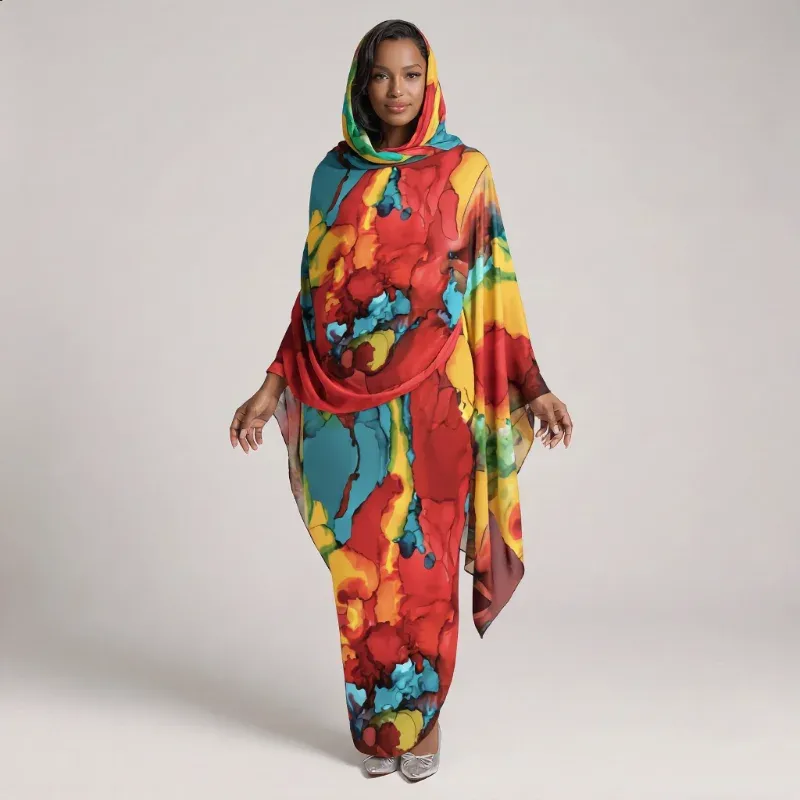
The global textile industry is entering a new phase, where traditional craftsmanship converges with technology-driven innovation. Among materials drawing strong interest, custom Sudanese Toub fabric shines for its rich heritage and fit for today's style needs. As 2026 approaches, demand for high-quality, customized textiles continues to rise—particularly for products that combine authentic origins with advanced techniques such as digital printing.
Jinlai Textile serves as a specialist in customizing Muslim women's scarves. The focus lies on delivering fine, stylish, and tradition-rooted scarves to Muslim women globally. The firm's solid know-how in cotton voile and related items places it ahead in the Sudanese Toub Swiss Voile field. Jinlai Textile follows a B2B approach. It targets wholesalers and sellers looking for expandable OEM/ODM options. These options mix creativity with smooth operations. Sustainability and personalization now guide buyer picks. As a result, such fabrics turn into valuable gains in international trade setups.
Understanding Sudanese Toub Fabric and the Swiss Voile Variant
What Makes Sudanese Toub Unique
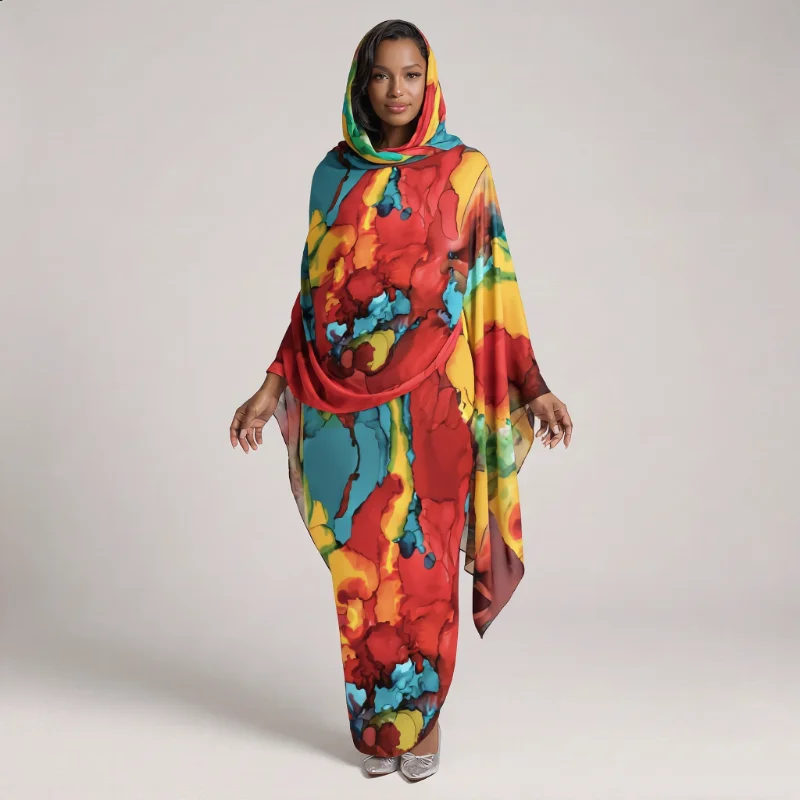
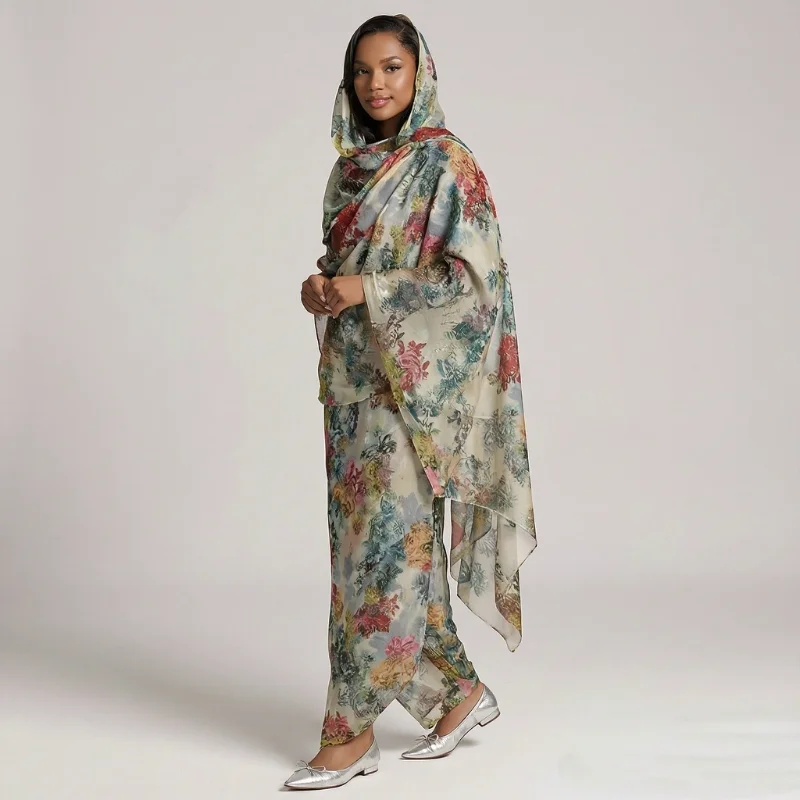
Sudanese Toub acts as a classic light wrap cloth. People wear it widely in Sudan and nearby areas. Its draw comes from good airflow, silky feel, and key place in local customs. Most often, makers use thin cotton or cotton-poly mixes for it. Folks value this fabric for ease in warm weather. At the same time, it keeps a graceful look fit for special events.
The Swiss Voile Advantage
Swiss Voile marks a polished upgrade to Toub cloth. It features an extra-thin weave, gentle flow, and a soft but tough touch. These traits suit upscale clothing uses perfectly. The sudanese toub swiss voile type usually adds modern weaving tricks. These boost both see-through quality and sturdiness.
Jinlai Textile ranks as a top maker of cotton voile (polyster voile) cloth. The output reaches about 50 million meters of voile grey fabric each year. This meets the steady call for Muslim women's headscarves around the world. Such high volume builds trust in steady supply for buyers. Plus, it upholds strong quality marks.
Property | Standard Sudanese Toub | Swiss Voile Variant |
Material Composition | Cotton / Poly Blends | Fine Cotton or Polycotton |
Weave Density | Medium | Ultra-fine |
Transparency | Moderate | High (Sheer Finish) |
Durability | Good | Excellent |
Ideal Use Case | Everyday Wear | Luxury Garments & Ceremonial Attire |
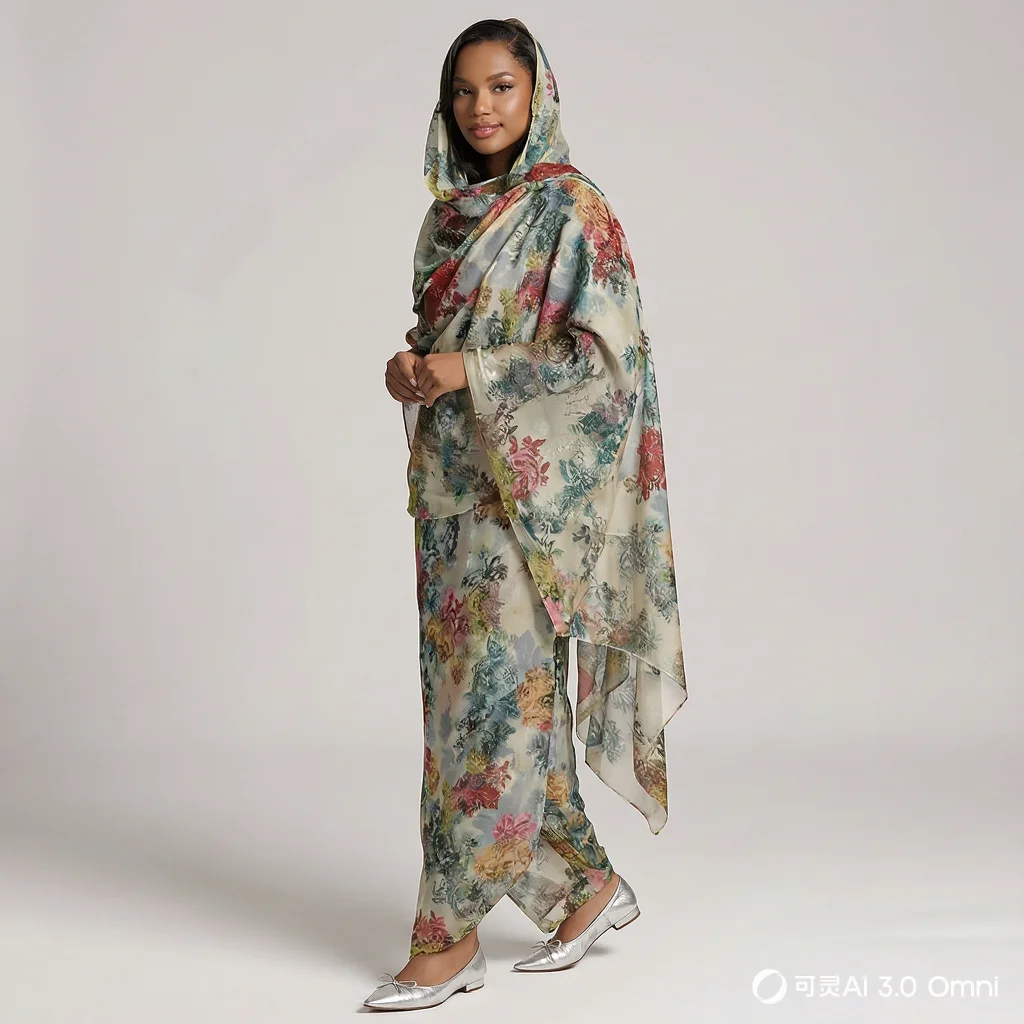
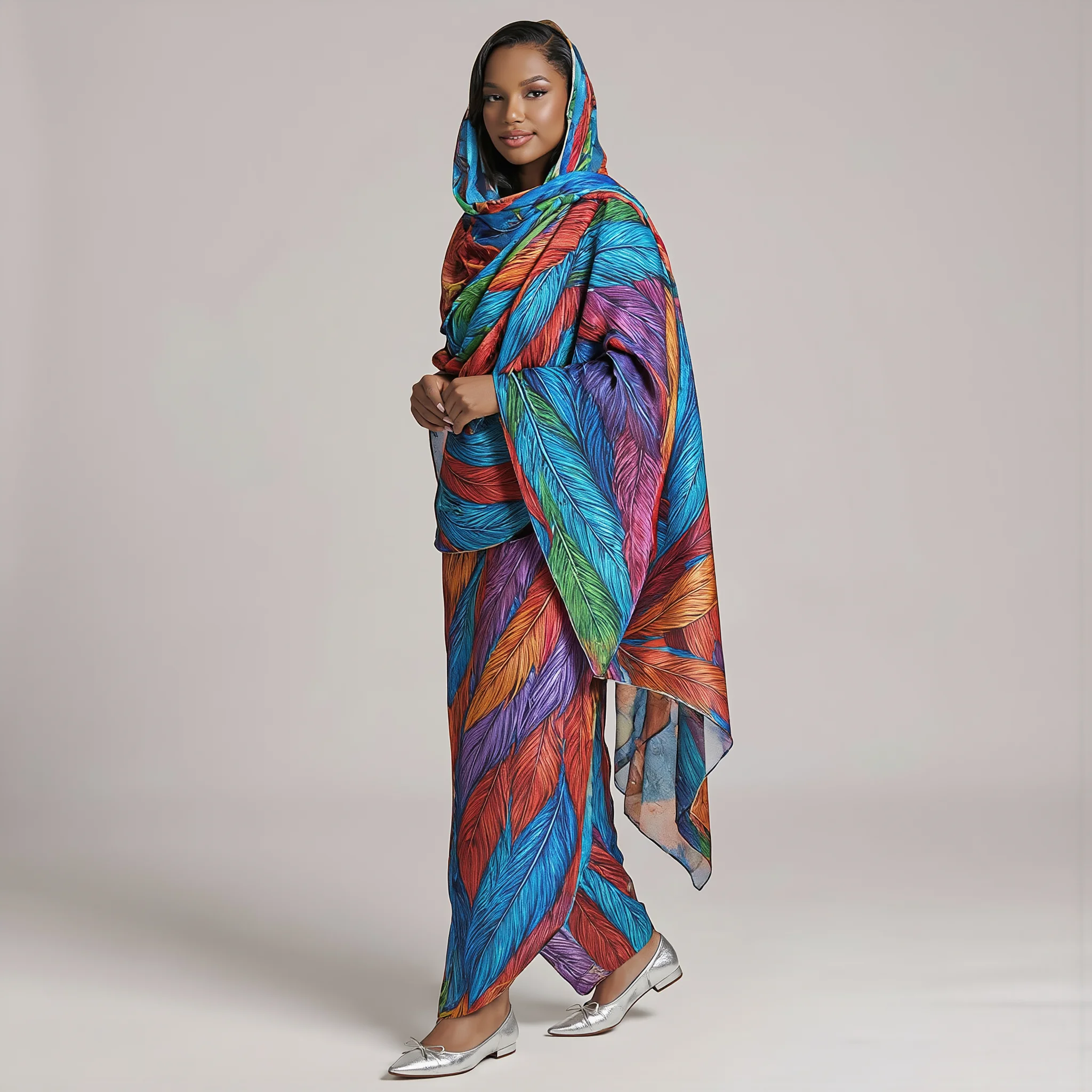
The light weight of Swiss Voile does not weaken its toughness. Its threads grip colors well. So, detailed digital prints show up bright and stay that way, even after washes.
2026 Customization and Digital Printing Trends in Sudanese Toub Fabric
Personalization now shapes how teams source textiles as 2026 approaches. Buyers skip plain designs these days. Instead, they seek one-of-a-kind colors, patterns, and touches that match their brand stories.
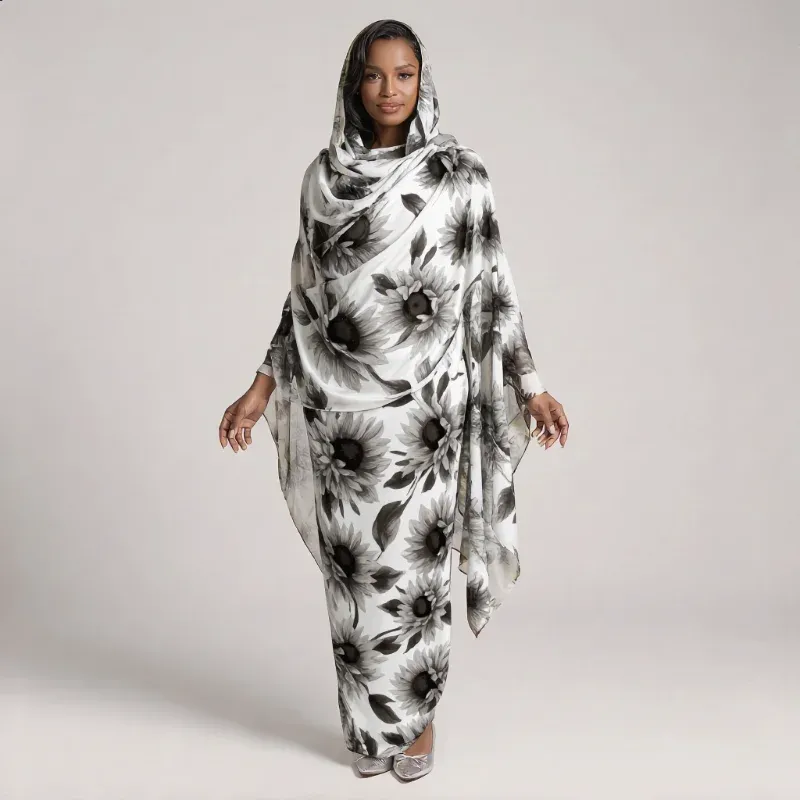
Digital printing has changed production of custom sudanese toub fabric. Old dyeing ways used tons of water and power. But digital methods bring quicker timelines. They also deliver spot-on color matches and cut down on scraps. Plus, they work well with fragile bases like Swiss Voile.
· Faster turnaround cycles
· Superior color accuracy
· Minimal waste
· Compatibility with delicate substrates like Swiss Voile
Green pigment inks have turned common in forward-thinking factories. This matches the green aims of big fashion brands and sellers chasing cleaner paths.
On the money side, digital printing lowers startup expenses. No screens or plates are needed. It also handles small runs smoothly, keeping things even. For B2B folks in OEM/ODM deals, this means tighter stock handling and quicker replies to market shifts. Take a real case: a wholesaler in East Africa ordered 1,000 meters of Toub with floral motifs inspired by Nile patterns. The digital setup let them test and tweak designs in days, not weeks, boosting sales by 25% in local markets.
B2B OEM/ODM Opportunities and Profitability for Sudanese Toub
OEM (Original Equipment Manufacturing) and ODM (Original Design Manufacturing) setups now drive smooth textile deals. Wholesalers using these can get fully tailored cloths. This goes from idea sketches to labeled packs. And they avoid big spends on factory setups.
Customized product development: Tailored services are designed to meet precise business requirements. Advanced textile, printing, and dyeing technologies are fully integrated into the process. These capabilities enable Jinlai Textile to support low MOQ orders while maintaining consistent, factory-level precision.
Profit Margins & Market Reach
Private labeling stays a top money-maker in toub fabric oem odm work. Bulk shipments to African spots gain from cheap shipping lines run by seasoned providers like Jinlai Textile. Efficient supply chain management: Streamline the full process from start to end. Through linked storage and shipping systems, partners cut extra costs and speed up arrivals.
Real-world cases show regional sellers launching short-run printed collections featuring homegrown art. This targeted move raises returns without huge starting cash. As buyers lean toward unique items, these team-ups should grow by 2026. For instance, one distributor in the Gulf reported a 15% margin jump after adding custom Toub lines for wedding seasons, drawing repeat orders from 20 new clients.
Quality Assurance and Sourcing Best Practices for Custom Orders
Steady quality builds solid bonds in B2B textile ties. Buyers checking custom Sudanese Toub sources ought to focus on clear measures. These include thread count, which shows weave tightness. Color hold-up during washes or sun exposure matters too. Fabric width leeway is key for smooth cutting.
· Thread count (reflecting weave density)
· Color fastness under washing or sunlight
· Fabric width tolerance (critical for cutting efficiency)
Strict quality checks happen in dedicated spots. Independent grey fabric inspection workshops handle early stages. Finished scarf quality workshops cover the end. This step-by-step review promises reliable results batch after batch.
Rules on safety count a lot, mainly for sales to Europe or North America. REACH or OEKO-TEX labels confirm dyes free of harm. To cut risks, ask for sample pieces before big runs. Or, run lab tests through outside groups when starting with fresh suppliers.
For teams handling various items across areas, linking with a trusted maker who shares clear updates eases planning a great deal. In one experience, a European importer caught a dye fade issue early via samples, saving 10% on rework costs.
Conclusion
The scene in 2026 points to a key shift. Old-line cloths like Sudanese Toub join easily with smart making tools. Adding digital printing to Swiss Voile lifts design options. It also changes how profits work in B2B trades. Companies that adapt to these developments are more likely to maintain a competitive advantage over those relying on conventional approaches. For businesses seeking to capitalize on these opportunities or obtain further information, it is recommended to contact Jinlai Textile, a reliable partner offering customized production that combines craftsmanship with scalable manufacturing.
FAQs
Q1: What are the primary material and performance differences between standard Sudanese Toub fabric and its Swiss Voile variant?
A: Standard Toub fabrics typically use medium-density cotton blends suited for everyday wear, while Swiss Voile offers an ultra-fine weave with higher transparency and durability—ideal for luxury garments requiring refined drape characteristics.
Q2: How is digital printing technology expected to influence customization capabilities for Sudanese Toub fabrics in 2026?
A: Digital printing enables precise color reproduction on lightweight materials like Swiss Voile while reducing waste and turnaround time; it supports small-batch personalization essential for modern fashion branding strategies.
Q3: What typical minimum order quantities and lead times apply to OEM production of custom Sudanese Toub Swiss Voile?
A: Most OEM orders begin at low MOQs ranging from several hundred meters depending on design complexity; lead times average three to five weeks due to streamlined digital processes used by manufacturers such as Jinlai Textile.
Q4: Which quality standards and testing methods are most relevant when sourcing B2B custom Toub fabrics for international distribution?
A: Buyers should confirm thread count accuracy, color fastness ratings, shrinkage control tests, and compliance with international textile safety certifications like OEKO-TEX or ISO-based frameworks before shipment approval.
Q5: In what ways do 2026 market trends in customization and sustainability affect profitability for wholesalers of Sudanese Toub fabrics?
A: Growing demand for eco-friendly inks, unique prints, and traceable sourcing enhances brand value; wholesalers adopting sustainable toub fabric oem odm practices can command higher margins while aligning with global consumer ethics.