Sustainable Sudanese Toub Fabric 2026: Swiss Voile & Voile Fabric B2B Guide
Introduction
By 2026, the textile industry is witnessing a shift that goes beyond color palettes or seasonal trends. Buyers in the African fashion and garment business, dealing on a global B2B level, now focus heavily on clear sourcing, fair practices, and green methods. This push for trackable materials has altered daily operations for fabric makers, particularly in areas where old traditions blend with current production rules.
Jinlai Textile stands out as a forward-thinking manufacturer responding to this evolution. Jinlai Textile sticks firmly to its core idea of putting quality and customers ahead. It has earned loyalty from clients through skilled know-how, top-notch materials, and genuine support. Jinlai Textile's strong points in Sudanese Toub fabric, Swiss Voile fabric, and sustainable voile fabric make it a solid ally for sellers and traders who want moral guarantees alongside great products.
Thanks to its smooth supply chain handling and commitment to earth-friendly making, Jinlai Textile aids B2B buyers in matching what the market wants. At the same time, it keeps prices sharp for competition. Efficient supply chain management means streamlining every step from grabbing raw goods to planning output, storing items, and shipping them out. This cuts down on stock expenses and boosts on-time deliveries to clients. Such solid traits turn Jinlai Textile into a go-to option for firms adjusting to the green textile scene in 2026.
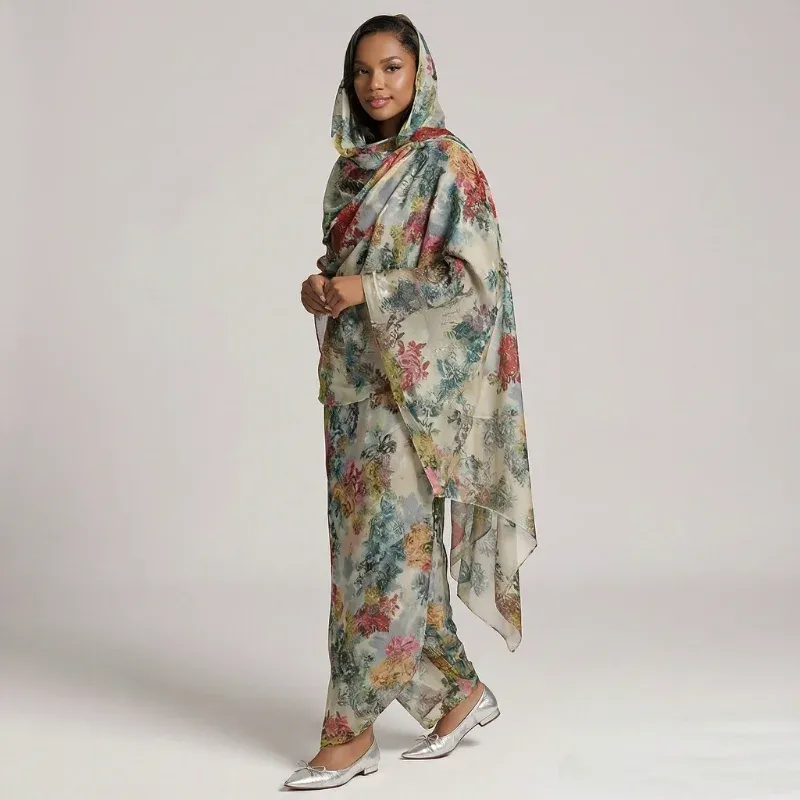
What Is Sudanese Toub Fabric and Its Popular Variants
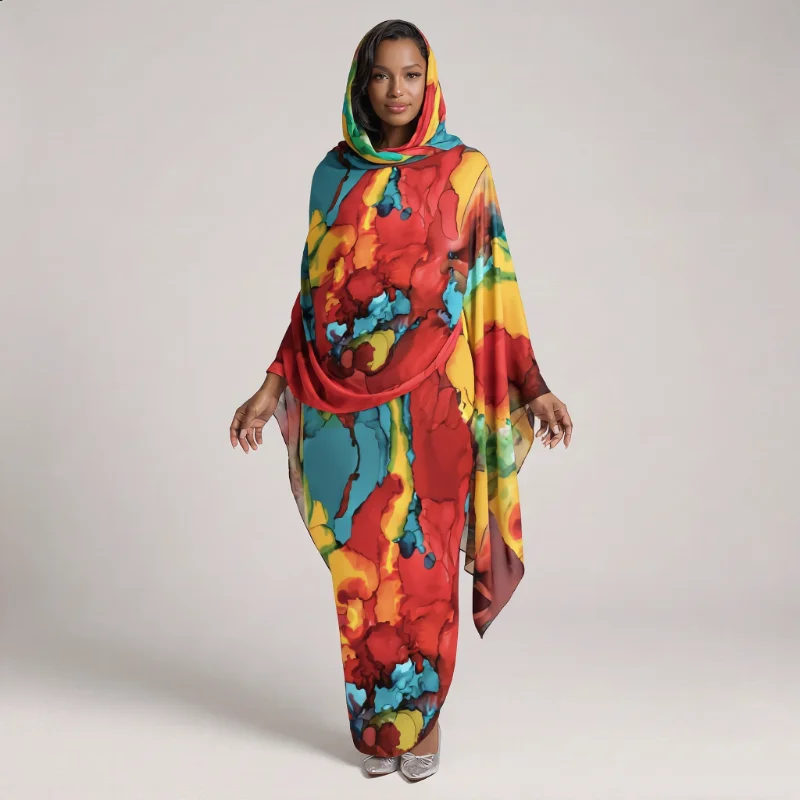
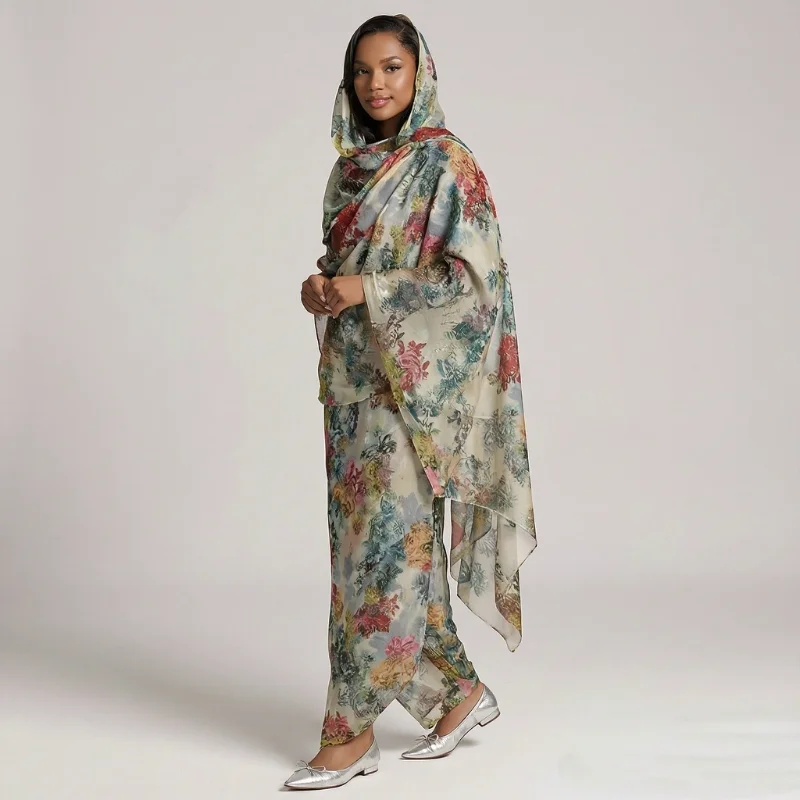
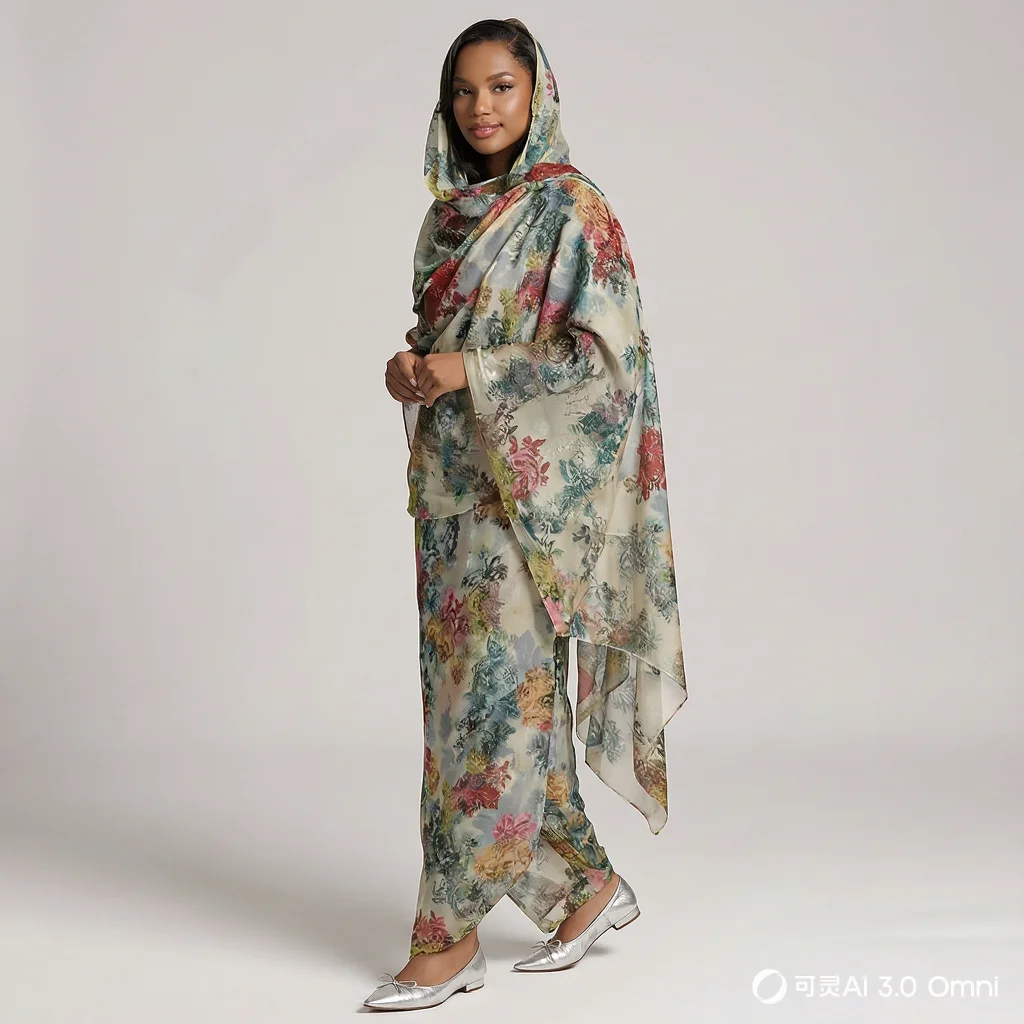
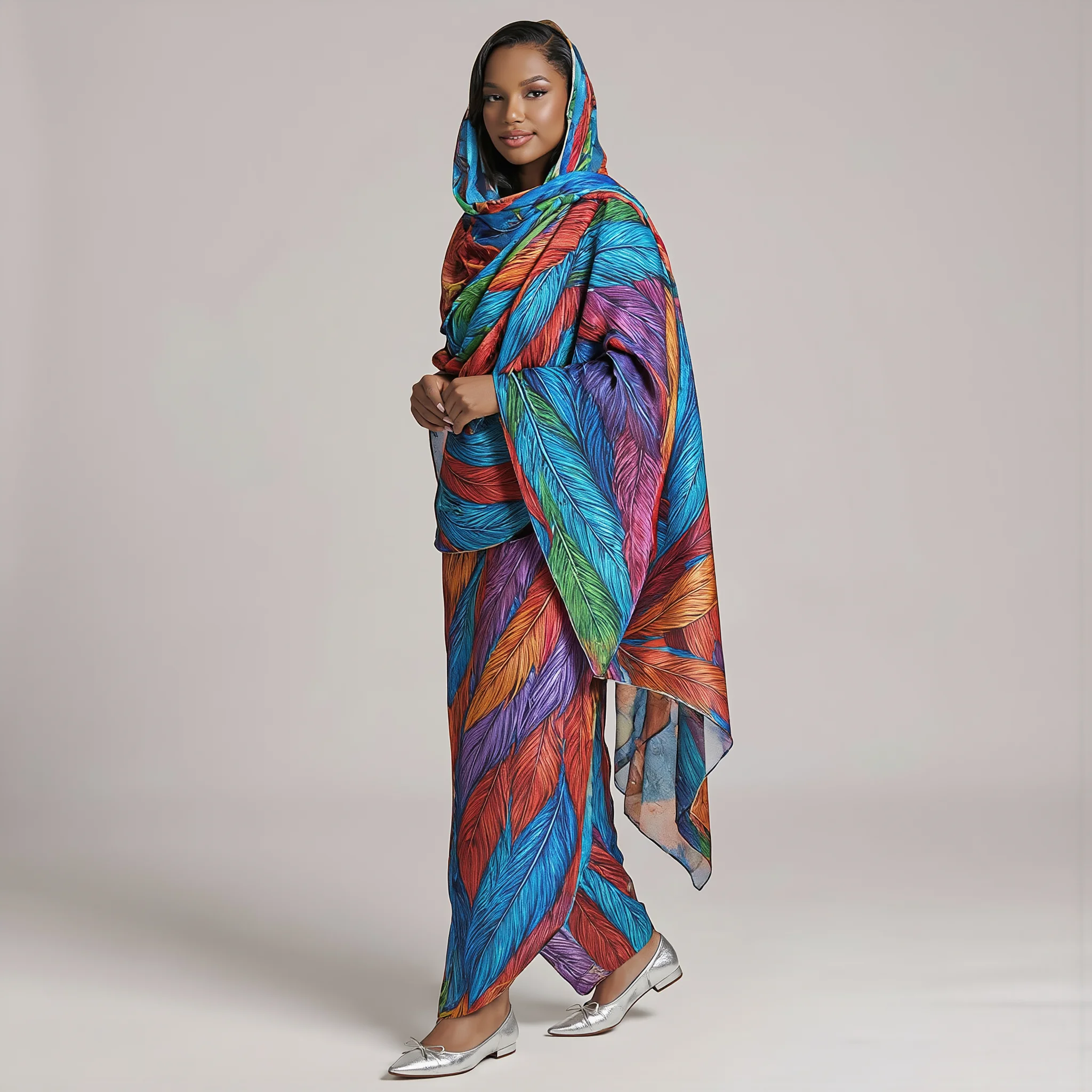
Sudanese Toub goes beyond a simple sheet of material. It serves as a cultural symbol deeply embedded in East African life. Women in Sudan have worn it traditionally. The light cloth wraps smoothly around the form. It shapes a lovely outline perfect for routine outfits or festive events. Its breezy feel suits warm weather well. Yet it upholds modesty and class.
The top variants that people seek out include Swiss Voile and basic voile fabrics. Swiss Voile stands out for its very fine threading, gentle flow, and see-through but tough build. Makers usually form it from fine cotton or cotton mixes. Standard voile provides close breathability. However, it comes at a lower cost. This makes it fit for big B2B purchases aimed at various price levels.
In terms of how they perform, both types shine in ease and how well they take prints. They soak up colors nicely. This lets complex designs show local art styles, like sharp shapes or flower patterns common in African spots. From digital prints to old-school stitching, these cloths keep their shine even with lots of wear. That's vital for sellers catering to style-aware shoppers.
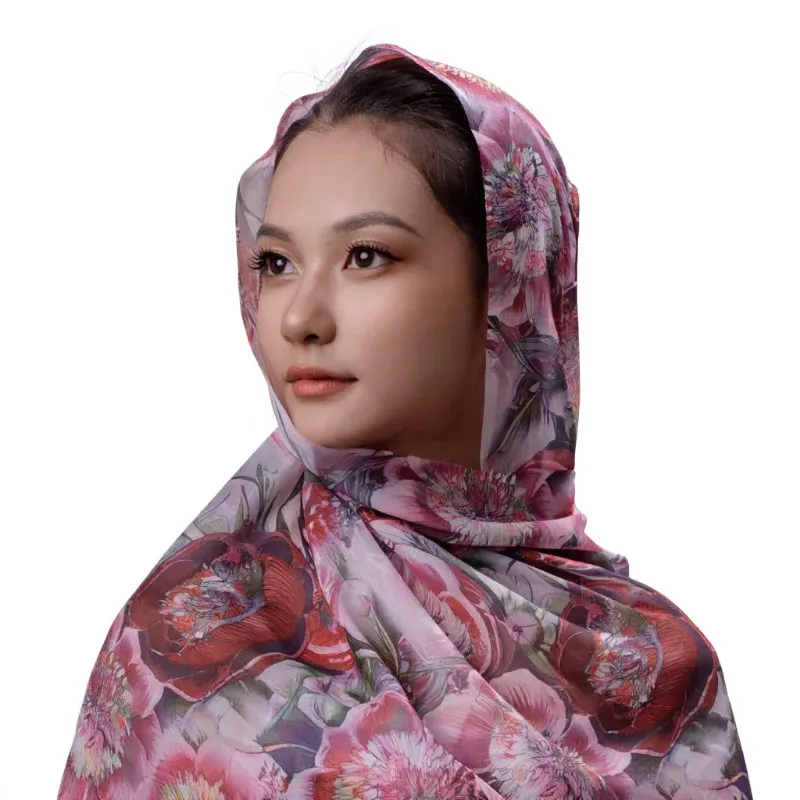
Key Features of Swiss Voile and Voile Fabric for Toub Production
Looking at Swiss Voile next to everyday voile fabrics for Toub making reveals clear contrasts.
Feature | Swiss Voile | Standard Voile |
Material Composition | Premium cotton or cotton-polyester blend | 100% cotton or lighter blends |
Thread Count | Higher (for smoother finish) | Moderate (for softer handfeel) |
Drape & Sheerness | Elegant flow with crisp structure | Softer drape with slightly looser weave |
Width Options | Often wider rolls (58–60 inches) | Typically 54–58 inches |
These basic traits affect looks as well as how things get made. Take wider rolls, for example. They cut down on stitching lines when slicing for clothes. This helps in high-volume setups that B2B buyers often use.
Swiss Voile's denser threads mean better hold on colors during tinting. That's key for bright Sudanese Toub pieces that face daily sun without losing hue. Jinlai Textile picks cotton voile fabric that works for colored scarves, printed ones, stitched versions, or those with diamond patterns. Such flexibility lets producers serve both fancy dress needs and casual wear lines.
On the practical side, both fabrics fit right into machine-based clothing lines. They follow steady width rules and hold shape well after cleaning. This keeps scraps low during the cutting phase. For instance, in a busy factory run last year, teams noted just a 2% waste drop thanks to these stable traits.
Sustainable Sourcing Trends for Sudanese Toub Fabric in 2026
Sustainability has turned from talk into firm rules. By 2026, buyers demand proof of where raw stuff like cotton comes from in sustainable voile fabric making. Fair sourcing checks farm habits now. Think organic growing or cutting water use in watering fields.
Forward-looking suppliers have begun investing in low-impact dyeing technologies that use up to 40% less water than conventional systems while maintaining vibrant color output—an innovation aligning perfectly with eco-conscious buyers’ expectations.
Plus, global green rules in trade deals grow stricter. Firms like Jinlai Textile build in systems for chemical checks (like REACH), worker fairness, and lowering carbon marks across their chains.
The setup uses fresh weaving and color-adding gear. Skilled workers track every bit. This open way of working calms clients. It shows Sudanese Toub fabrics hit quality marks and worldwide green goals. In one recent audit, a partner factory cut water use by 25% on a Toub batch, proving the real gains.
Organic cotton types grow in pull here too. They break down naturally without losing touch or strength. These steps let Jinlai Textile's allies push into high-end green fashion spots in Africa, Europe, and the Middle East.
B2B Sourcing Guide – Best Practices for Swiss Voile & Voile Fabric Supply
For sellers or label makers hunting Swiss Voile or voile fabrics, checking suppliers beats just eyeing costs. Seals like OEKO-TEX® Standard 100 or GOTS prove no bad chemicals lurk. That's a must for worldwide shipping.
Buyers ought to gauge how open suppliers are about raw source papers and fair checks. Strict quality checks happen in place. Independent spots inspect plain fabric and final scarves. This kind of structured oversight ensures consistent quality across shipments—a crucial factor when managing large-volume contracts.
Risk Mitigation Strategies
· Conduct pre-shipment testing for color fastness under sunlight exposure
· Verify shrinkage tolerance within ±3% after washing
· Request swatches from multiple dye lots before confirming bulk orders
· Maintain communication on lead times to avoid logistics bottlenecks
Forming steady ties over one-off deals often brings better trust and fresh ideas. Jinlai Textile backs this by giving advice on new fabric uses. Such help keeps clients ahead as markets shift. Take a wholesaler in Nairobi last season. They tapped Jinlai Textile's input to tweak a voile line, boosting sales by 15%.
A skilled tech group offers guidance. This team-up way lets brands craft special sets while holding firm on supply flow.
Conclusion
Fairly sourced Sudanese Toub fabric—particularly Swiss Voile and other eco-friendly voile variants—represents more than a stylistic choice; it reflects a strategic advancement in Africa’s textile sector. By aligning with sustainability standards while ensuring consistent bulk quality, manufacturers such as Jinlai Textile enable B2B buyers to remain competitive in the increasingly regulated global market of 2026.
For further details or business inquiries, interested parties are encouraged to contact Jinlai Textile for professional support and customized solutions.
FAQ
Q1: What are the main differences between Swiss Voile and standard voile fabric when used for Sudanese Toub garments?
A: Swiss Voile usually boasts denser threads and a sleeker look than standard voile fabric. It brings better flow, stronger color hold in tinting, and suits high-end Sudanese Toub pieces where grace matters most.
Q2: How does sustainable sourcing impact the quality and availability of Sudanese Toub fabric in 2026?
A: Fair sourcing boosts steadiness through tracked cotton roots and green tint methods. These steps keep hues lively and cut earth harm. Supplies stay reliable as worldwide rules tighten.
Q3: What key factors should B2B buyers consider when evaluating suppliers of Swiss Voile fabric?
A: Buyers need to check cert proofs (like OEKO-TEX®), open chain reports, on-time delivery, order size options, and after-help like tech talks or fix aid.
Q4: Which sustainability aspects are most relevant for voile fabric production targeting international markets?
A: Tracked organic cotton pulls, water-saving tint setups, power-smart weaving, reusable pack stuff. All aid in hitting what global buyers expect on green fronts.
Q5: How do 2026 textile trends influence minimum order quantities and customization options for Sudanese Toub fabrics?
A: Trends lean toward smaller custom runs with quick turns, thanks to digital print gains on green voile bases. Suppliers like Jinlai Textile handle varied order sizes. They keep quality tight for needs like hijab samples or bulk hijab sellers chasing fresh scarf tie ideas.