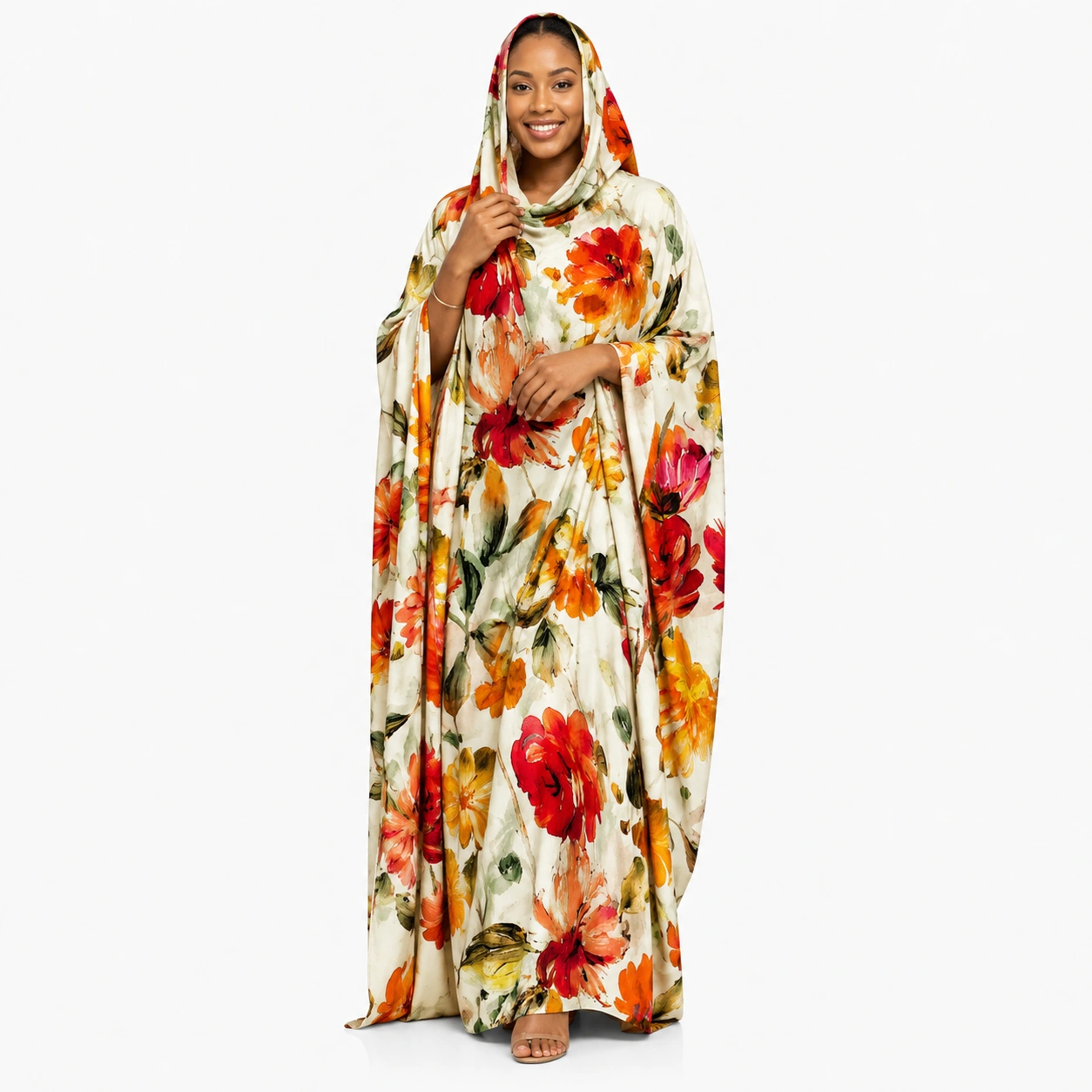
How Wholesale Suppliers Prepare for Sudanese Toub Procurement Tenders
For a wholesale supplier, a Sudanese Toub tender is a commitment to deliver a specified product under a particular contract. The starting point is product fit, followed by bidder eligibility, sample acceptance and the feasibility of delivery. A competitive price cannot repair a material mismatch or a deadline the supply chain cannot meet.
Sudanese Toub procurement involves several businesses when a wholesaler sources upstream from a manufacturer. The institutional buyer evaluates the offer, while the bidder carries the obligations it accepts. Clear product references and written supplier confirmation keep those roles connected. The process below applies across supplier locations; the current solicitation sets the rules for each project.
Read the requirement before sourcing the product
The notice, quotation form and amendments belong together. A requirement tucked into an attachment can affect the product, the submitted sample or the delivery price. The practical first step is to establish what the buyer will evaluate and what must be ready before the closing time. An unresolved point needs the buyer’s stated clarification route.
A closed UNFPA notice from November 2024 illustrates the task. It requested 18,000 Sudanese Toubs, technical information, a sample before bidding closed, delivery details and a cost breakdown. That is evidence of a real institutional purchasing process. It is not an open opportunity, a current demand forecast or a standard specification for every Toub order.
Bidder eligibility needs its own check. Registration documents or relevant previous contracts may be requested alongside the product offer. An upstream factory’s experience does not automatically satisfy a condition applying to the bidding company. The role of each business, and the evidence the buyer accepts for that role, need to be clear before the sourcing work progresses.
Match the offered Toub to mandatory conditions
An attractive product reference is only a starting point. Institutional evaluation may depend on details that a catalogue photograph cannot establish, including supplied form, material, dimensions and finish. The question is whether the exact item in the offer meets the requirement, rather than whether a similar-looking Toub is available.
Resolve material names and dimensions
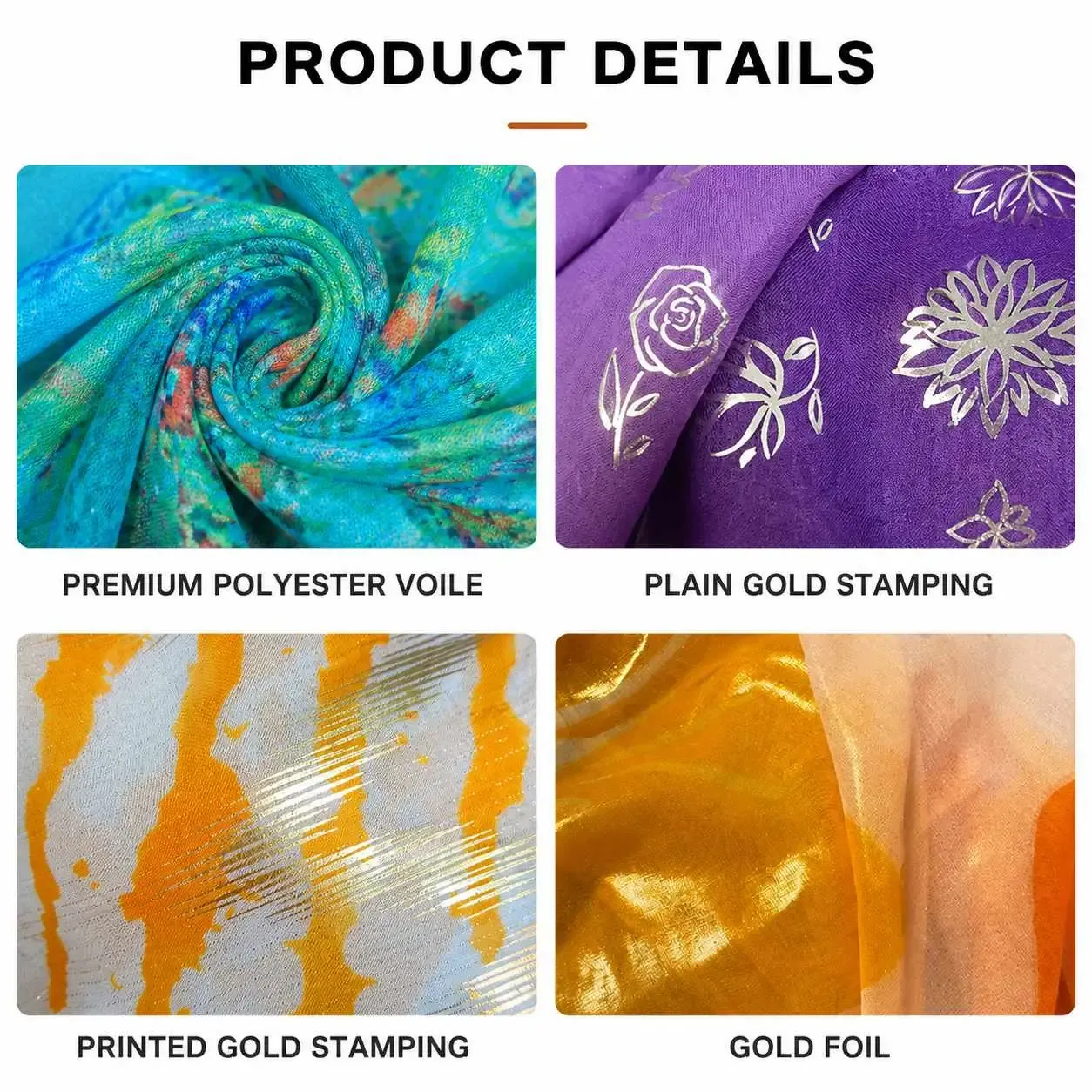
Local trade names can make comparisons difficult. The quotation annex for the historical 2024 order specified Heavy Hazaz. That description does not establish equivalence with fabric sold simply as voile. A buyer definition or accepted reference is needed before a manufacturer can assess the proposed match.
The Sudanese Toub specification checks help organize the product questions. Mandatory conditions should remain separate from supplier suggestions. Where dimensions or material wording are unclear, a written clarification is more useful than an assumption carried into the price.
Keep unresolved conditions visible
A short matching record makes gaps easier to see. It also prevents the technical response from claiming compliance while a separate email leaves the same point subject to approval. The record only works if it refers to the item actually being quoted.
Status of the requirement | Action before commitment |
Confirmed for the offered item | Retain its supporting reference |
Sample or further evidence needed | Resolve by the relevant deadline |
Product differs from the requirement | Clarify or disclose the difference |
Condition cannot be met | Do not present the offer as compliant |
An alternative may be commercially useful, but it still needs permission where the solicitation restricts substitutions. A lower price does not settle a technical difference. The bidder remains responsible for explaining what is being offered and which conditions, if any, are qualified.
Prepare the sample for the actual evaluation
Sample instructions deserve an early place in the sourcing brief. A complete Toub, a cutting and a supplier’s retained reference serve different purposes. The required format, delivery address, identifying details and submission deadline need to reach the upstream manufacturer together. An internal approval does not replace acceptance by the purchasing organization.
Jinlai Textile’s Sudanese Toub sample options provide a concrete reference for that discussion. The proposed sample still needs its material, dimensions and finish confirmed. Where coverage or design placement affects evaluation, the complete supplied piece matters more than a small cutting. Naming the exact reference also helps keep later development changes from being confused with the version submitted for assessment.

The sample timetable includes preparation, transport and review. A suitable item arriving after the deadline may have no value for the bid. Any substitution after evaluation needs the purchasing organization’s permission where required. Approval of a similar product for a retail collection does not transfer automatically to an institutional project.
Price the same obligation across competing offers
The quotation structure determines what the buyer can compare. Product price, transport and destination handling may need separate entries. Currency and validity belong to the current instructions, rather than the supplier’s usual practice. A low unit price means little if another offer includes delivery work that the cheaper one leaves out.
For upstream sourcing, comparable Toub wholesale quotations start with the same product and quantity. Any difference in material, packing or handover point needs to remain visible. The bidder can then add the costs it carries after the factory handover instead of discovering them after award.
A concise technical response is usually easier to evaluate than a long promotional profile. Each mandatory condition needs the offered answer and its evidence. The financial offer must cover those same goods. Replacing a specified finish to meet a target price changes the offer; it cannot be treated as an accounting adjustment.
Check delivery feasibility before promising a date
Delivery is where a plausible product offer can become an unworkable contract. Goods awaiting approval or manufacture have a different timetable from goods ready for collection. The bidder needs a realistic view of both the upstream work and the destination handover before accepting a fixed obligation.
Distinguish stock readiness from development work
Jinlai Textile can discuss Sudanese Toub OEM and ODM development, including physical samples, custom labels and packaging. A tender requiring those changes needs a defined development scope before any sample or delivery date is promised. Product approval, packing approval and release readiness are separate milestones. An accepted retail reference cannot establish that a newly customized version will be ready for a project deadline.
The wholesaler’s evidence should identify the quantity available for this order and the work still outstanding. A general statement about production capability cannot establish availability of the offered item. Written confirmation is especially useful when a project requires stock to remain available through an uncertain award date.
Test the full destination commitment
The historical UNFPA procurement notice targeted delivery three days after award. Fresh manufacture and international transport cannot simply be assumed compatible with that condition. Goods and logistics would need to be available on a suitable basis, or the bidder would need a permitted clarification before committing.
Several receiving points add another check. Each needs its assigned quantity, delivery arrangement and applicable timing. One total can conceal a site that cannot be served as promised. Partial delivery also requires the buyer’s terms to be understood; it is not a remedy the supplier can assume will be accepted after award.
Carry the agreed product through award and acceptance
The business submitting the bid may differ from the manufacturer supplying the goods. Contracting, transport and destination responsibilities need to be allocated accordingly, with buyer acceptance where applicable. An overseas factory can be part of the supply chain without being the eligible bidder or the party handling local delivery.
Award details should be reconciled with the submitted offer and upstream confirmation before work is released. Amendments to quantities, finish or delivery points can change the obligation. The controlling sample or specification needs to remain identifiable through acceptance, with responsibility for discrepancies agreed across the supply chain.
Conclusion and procurement enquiry
A credible Sudanese Toub procurement offer connects the requirement, evaluated sample, quotation and delivery plan. Eligibility comes first; technical differences need resolution before they become contractual promises. Historical tenders help explain the buying task, while each active project still requires a fresh reading of its own instructions.
A Sudanese Toub procurement enquiry to Jinlai Textile can include mandatory product conditions, quantities, sample format and delivery points. Any alternatives allowed by the institutional buyer should be identified separately. Product-specific confirmation and a quotation give the wholesaler a firmer basis for preparing an offer, with time left to resolve questions before the bid closes.
Frequently asked questions
Are the historical Toub tenders still open?
No. They are closed examples. Current opportunities need checking through the purchasing organization’s official channels, including amendments and closing times. A historical quantity does not establish new demand or permission to bid now.
Can a similar voile replace the specified material?
Only through the buyer’s permitted clarification or alternative-offer process. Similar appearance is insufficient evidence of equivalence. The exact requirement and proposed product need to be compared, with any difference disclosed before submission.
Can an overseas manufacturer support an institutional order?
Potentially. Product fit, bidder eligibility and the delivery arrangement determine whether that supply chain works. Manufacturing ability alone does not cover sample submission, transport or destination obligations accepted by the bidder.