What Buyers Should Confirm About Sudanese Toub Care Labels
Sudanese Toub care labels need two approvals: agreement on the instructions for the ordered product, and acceptance of the file that will be reproduced. Establish the material, decoration, intended destinations and supporting care information before releasing the artwork. A logo or layout approval doesn't settle the care advice printed beside it.
This distinction is useful for importers and private-label buyers. The same design file may serve several products, but its wording has to suit each one. Retailers will receive those instructions without the buying correspondence. The buyer's task is to give them readable, product-specific information, with the unresolved questions dealt with before label production.
Product Facts Before Care Instructions
Begin with the ordered styles. Use product codes and record the base and decoration against each one. A collection name is convenient for selling the range, but it may group several constructions. That grouping needs a closer look before one care instruction is copied across it.
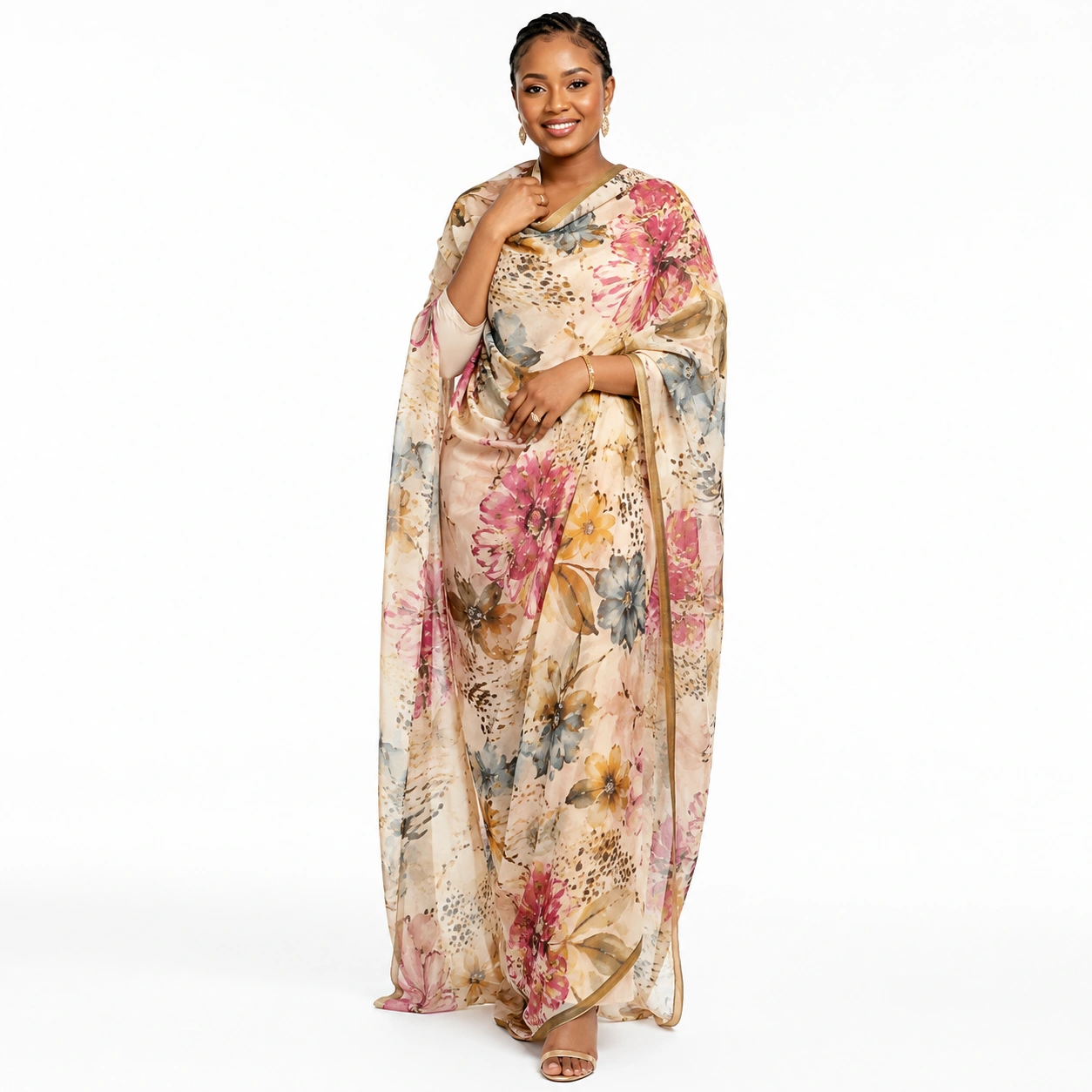
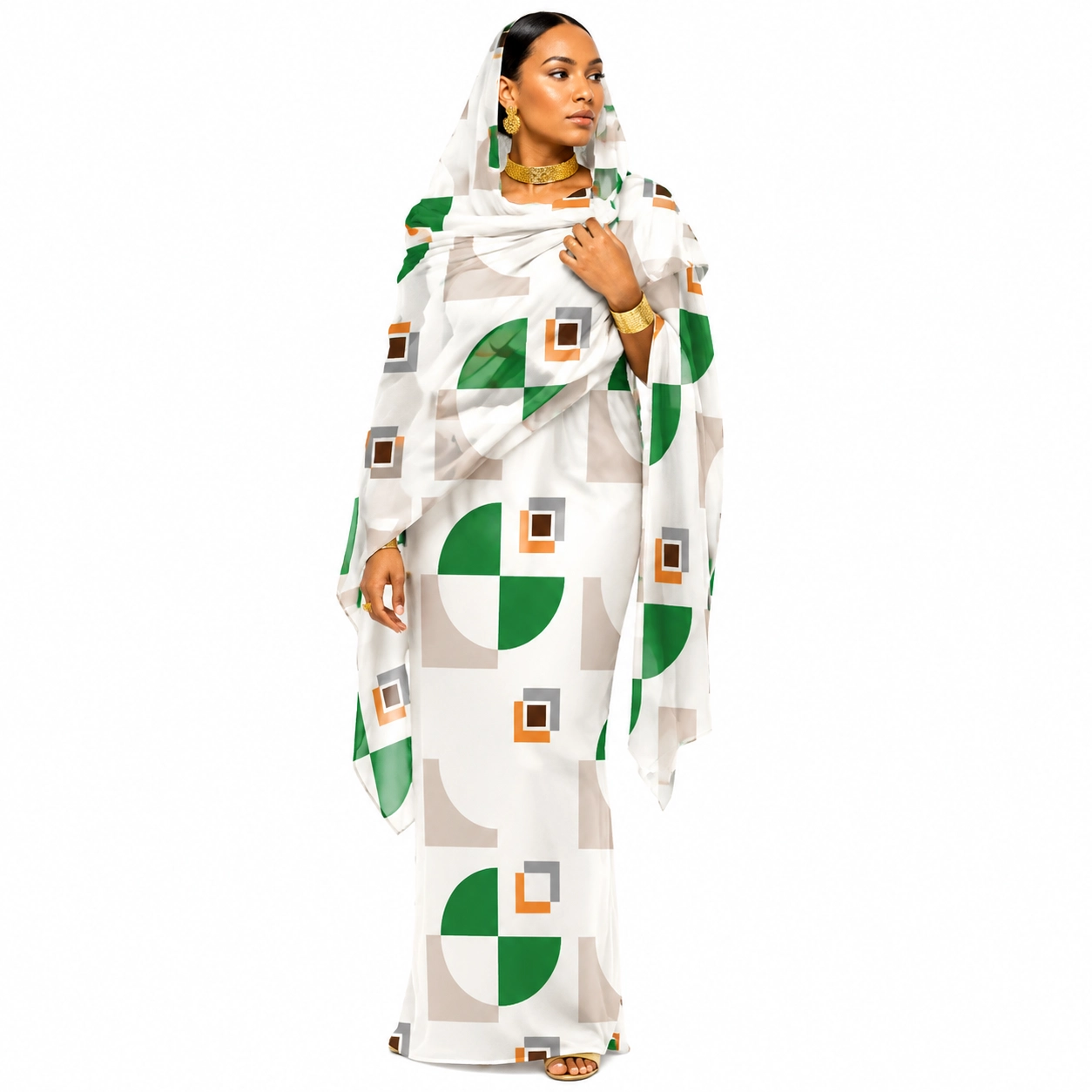
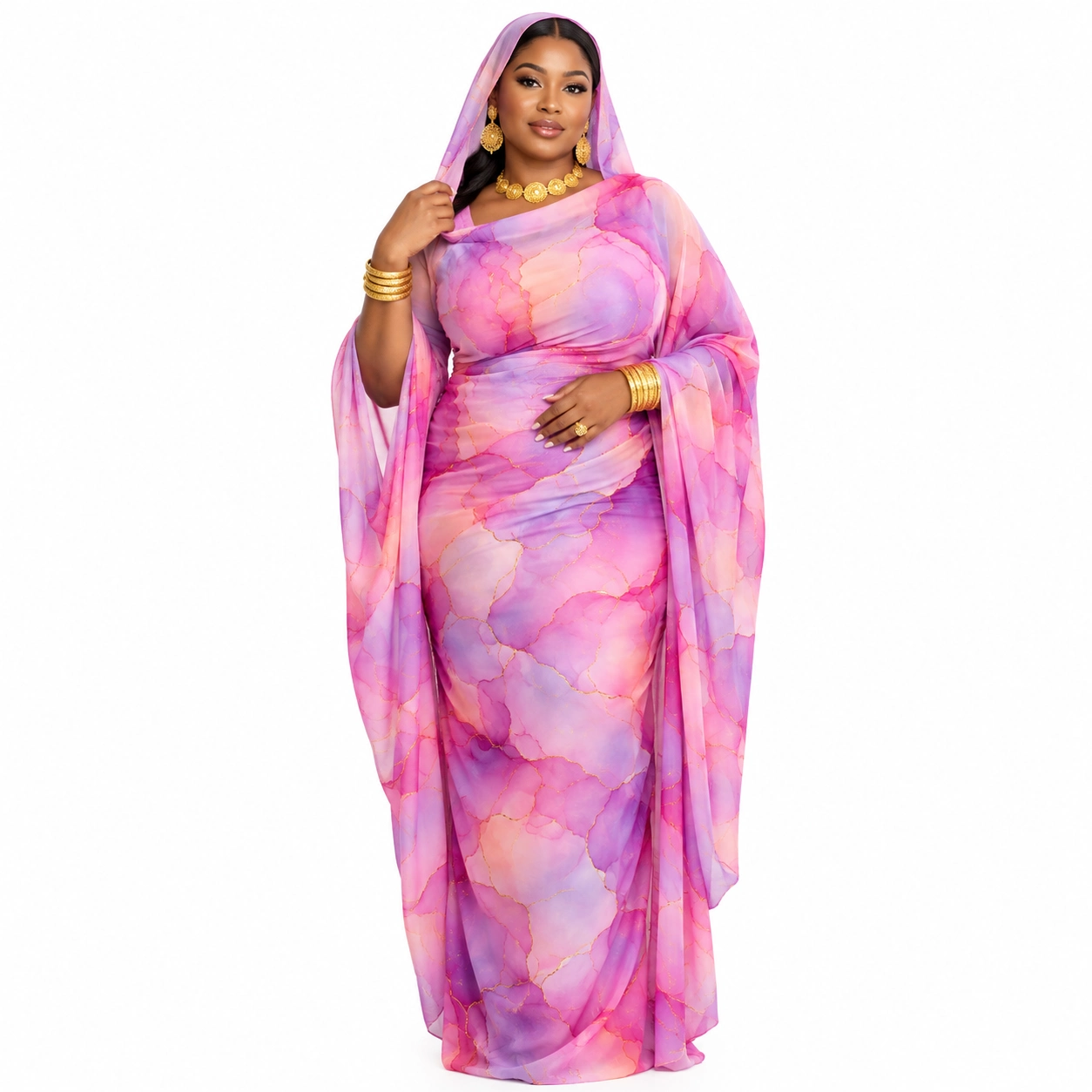
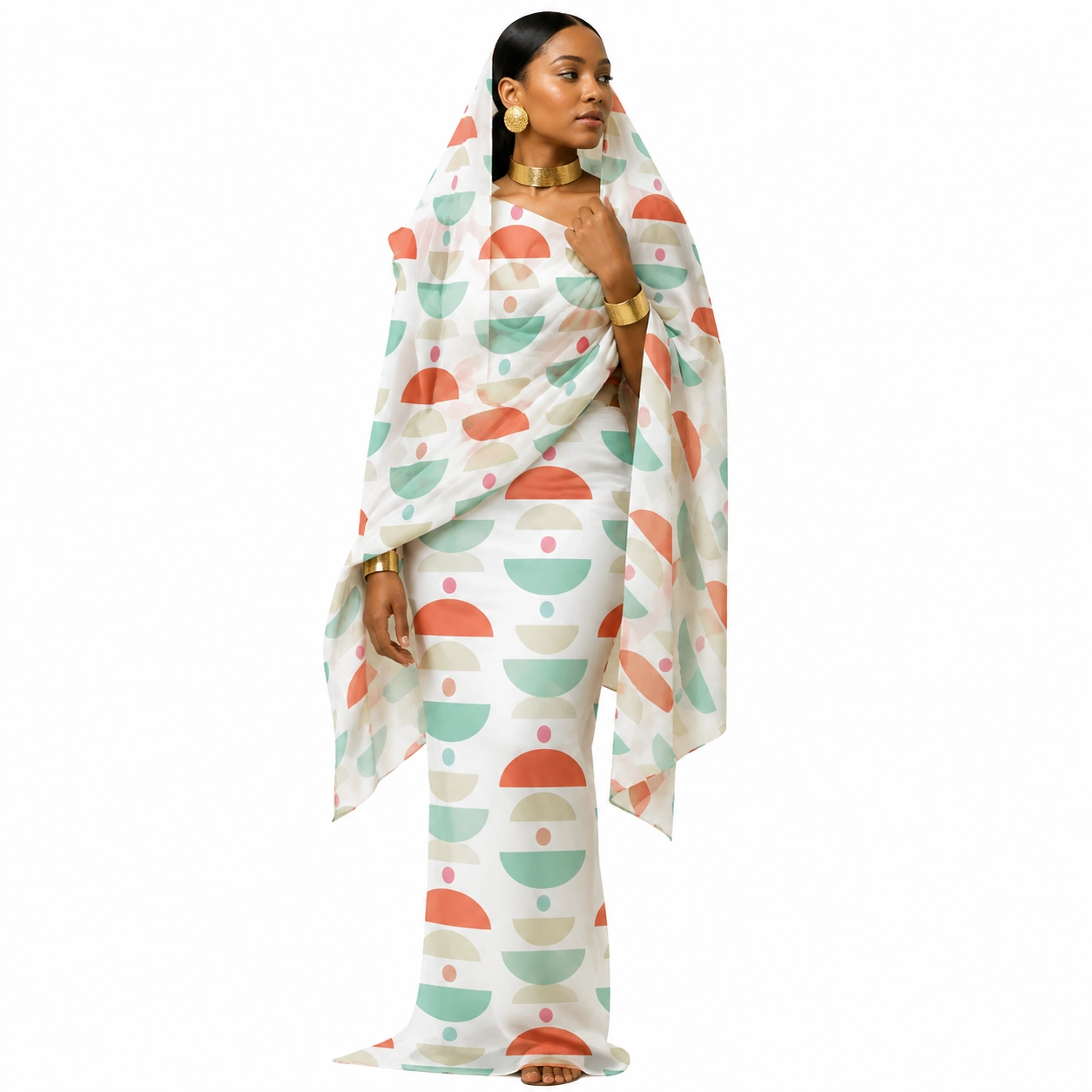
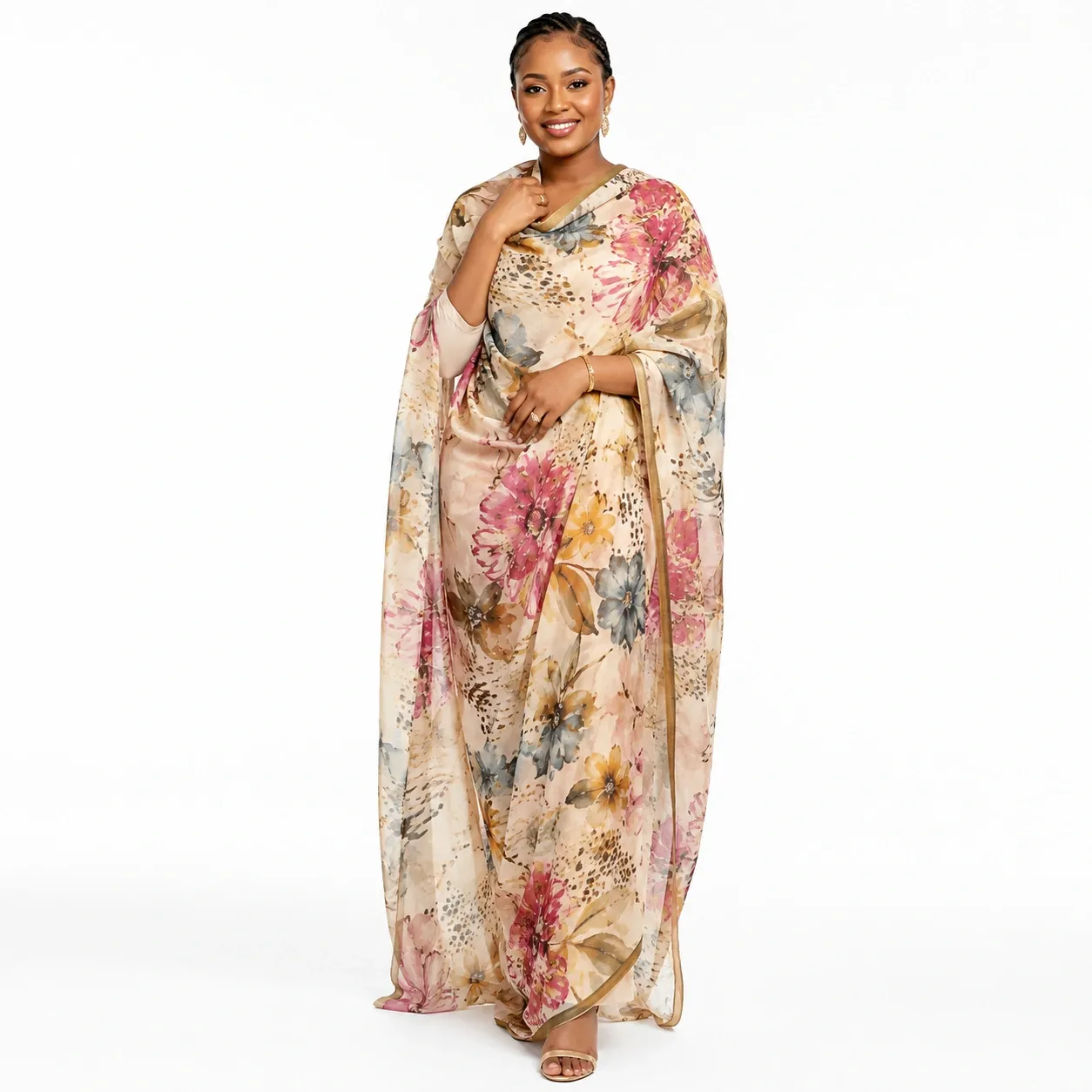
Jinlai Textile's custom Sudanese Toub material and design options include cotton voile and polyester voile, plus custom patterns and colors. The label request needs the selected material for each style. If a familiar design is developed on another base, revisit the applicable composition and care information. A shared appearance is useful for the collection, but does not establish that an earlier label is suitable for the new construction.
Composition and care answer different questions. The fiber declaration concerns the contents of the fabric. The care advice concerns maintaining the ordered product. Accepting one field cannot verify the other, or every additional declaration printed nearby. Keep those checks distinguishable during the review.
Suppose a printed style and a gold-stamped style will use the same brand label. This is an illustrative buying situation. The common logo and dimensions can be accepted while the care text is still under review. List both products and establish which supported instruction applies before turning that shared layout into one common care file.
Evidence for the Complete Product
Ask what the supporting care information actually covers. A useful answer identifies the material and finish concerned, including relevant limitations. Keep it with the style record. General advice about a base fabric may leave a question open when that fabric becomes part of a decorated product.
Material and Decoration Scope
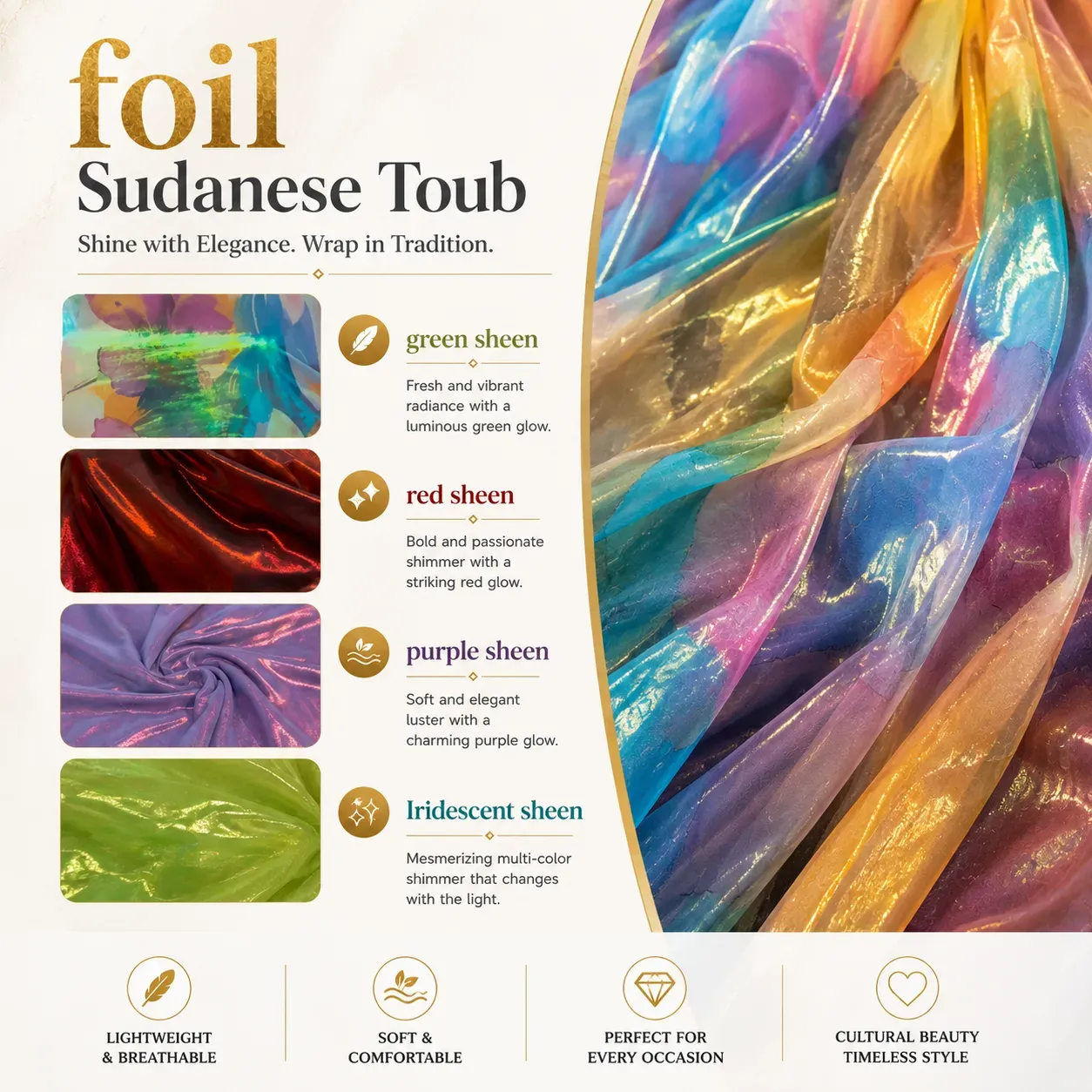
Jinlai Textile offers gold-stamped Sudanese Toub options with customization of base color, pattern density and placement. Identify that decorated combination in the label discussion. Wording previously accepted for a plain reference can be reviewed for its applicability to the style. The buyer can then retain an appropriate instruction or raise the care point that still needs resolution before the text is sent for printing.
Supporting Care Information
For products covered by the United States rule, the FTC's care-label guidance requires a reasonable basis for instructions and warnings. The evidence needs to support the product as a whole, including relevant components. This explains why base-material information alone may be insufficient. It does not establish a cleaning method for a particular Jinlai Textile product.
Keep an unanswered care question on the product review list. The responsible team can establish the appropriate instruction or define the evaluation still needed. Only then should the proposed washing, ironing or drycleaning line be accepted for reproduction. A phrase chosen simply to complete the layout does not settle the evidence question.
Reviewing the Care Message
Read the proposed advice as a complete message. For covered US clothing, FTC guidance addresses washing or drycleaning instructions and the relevant drying, bleaching, ironing and warning information. That is a jurisdiction-specific review framework, not a universal washing recipe for Toub. Establish the requirements and appropriate instruction for the actual product and destination.
The purchasing review can use the following questions without prescribing a cleaning setting or an unverified test result.
Review point | Question to resolve |
Product scope | Which material and decorated style does the advice cover? |
Care method | What supports the proposed cleaning and maintenance instructions? |
Warnings | Which restrictions are necessary for this construction? |
Language | Does each version communicate the same meaning? |
These questions are more useful than completing an empty line in the artwork with familiar wording. The instruction should follow the product decision. Where symbols are proposed, establish the relevant system and any applicable usage requirements for the destination before accepting the artwork. A familiar-looking icon is not enough to settle that choice.
Destination and Label Approval
Name the intended sales destinations before the file is fixed. Product format belongs in the discussion too. A finished wrap and fabric sold for further making may raise different classification questions; the name Toub alone is not sufficient to decide them. Requirements need review for the actual sales route.
Retailer preferences can be included in the brief, but keep them distinguishable from legal duties. A retailer might request a particular language or label shape. Neither request establishes that all applicable obligations have been addressed. The importer or responsible business can obtain suitable local advice where the requirements remain unclear.
Production Proofs for Sudanese Toub Care Labels
The production proof is the file to be reproduced. Before approving it, establish whether its care text has already been accepted for the listed products or is still a proposal. The buyer can then review the layout without leaving the status of the instructions ambiguous.
Wording and Approval Responsibility
Jinlai Textile provides Toub private-label and localized labeling support, including woven labels and packaging customization. A buyer supplying existing care artwork should identify the products it covers. A request for new wording or another language needs its review responsibility agreed. Both routes can be discussed within the custom order, with the text, language and placement identified before the label deliverable and final approval are settled.
Readability and Version Reference
Check the text at the proposed label size. Fitting the artwork is not the same as being legible on the finished label. If an adjustment is needed, retain meaningful instructions while resolving the arrangement. Keep the accepted version, product codes and approved languages together for the later retail files.
Retail Information and Later Orders
Check the physical label against the packaging and online description. An old file can survive after the label has been revised; a translation can also alter the intended message. Resolve those differences before release. The retailer needs one set of care information for the product, with its applicable version identifiable.
Connect the accepted text to the export packaging and retail labeling plan. The care version belongs to its identified style. Carton protection and barcode choices remain separate packaging tasks. A web link or QR code may supplement the information, subject to the destination's physical-labeling requirements; it should not be assumed to replace required physical information.
Revisit the care decision when a relevant material or decoration changes. If the instruction changes too, identify the affected styles and quantities before packing. Earlier and later versions may both remain appropriate for different goods. A new file should therefore have a defined application rather than silently replacing every label in the range.
Conclusion
Before releasing Sudanese Toub care labels, purchasing should be able to identify the products, the accepted care text and the proof to be reproduced. The destination and the basis for the instructions belong in that record. Retail information can then follow the same approved wording. A later material change has a known starting point for review, instead of an earlier label whose product scope is uncertain.
To discuss Sudanese Toub labeling with Jinlai Textile, send the chosen styles, material and finish details, destinations and proposed wording. Add retailer language or presentation preferences as separate points. The discussion can then concern the actual custom order, with any care or compliance question still open identified before label production is authorized.
Frequently Asked Questions
Can several Toub designs use one care label?
Review the styles together if the same supported care instructions apply to all of them. Check the material and decoration of each item before grouping them. The accepted label file should identify those products, so the common wording has a defined application within the range.
Does a cotton voile description supply complete care advice?
The fiber description is one part of the product record. Care advice needs to address the ordered construction, including its print and decoration. Establish the proposed instruction and supporting basis with the responsible product team before releasing the text for label production.
Can care information be discussed within a private-label Toub order?
Yes. Jinlai Textile supports localized labeling within custom Toub projects. Include the product references, proposed text, languages and presentation in the inquiry. Agree the proof and approval responsibility, with the care basis resolved before the accepted instructions are released for the order.