How Wholesale Buyers Request and Receive Sudanese Toub Samples
To request Sudanese Toub samples, send the selected designs, the purpose of each sample and the delivery destination. Agree the available format and charges before dispatch. If new work is required, distinguish the commissioned sample from an existing product example. The person receiving the parcel needs the same contents list, so the pieces remain identifiable after arrival.
That is enough to begin a focused discussion. An importer may be choosing between bases, while a private-label team may already have a material and want a new pattern. Asking for the same assortment would not necessarily help both buyers. The sample request should follow the next purchasing decision.
Sudanese Toub Sample Formats and Product References
A sample can answer only the questions its format allows. A small material cut can help with an initial base comparison. A complete pattern or a decorated border may need another reference. Explain the feature of interest before asking what can be supplied.
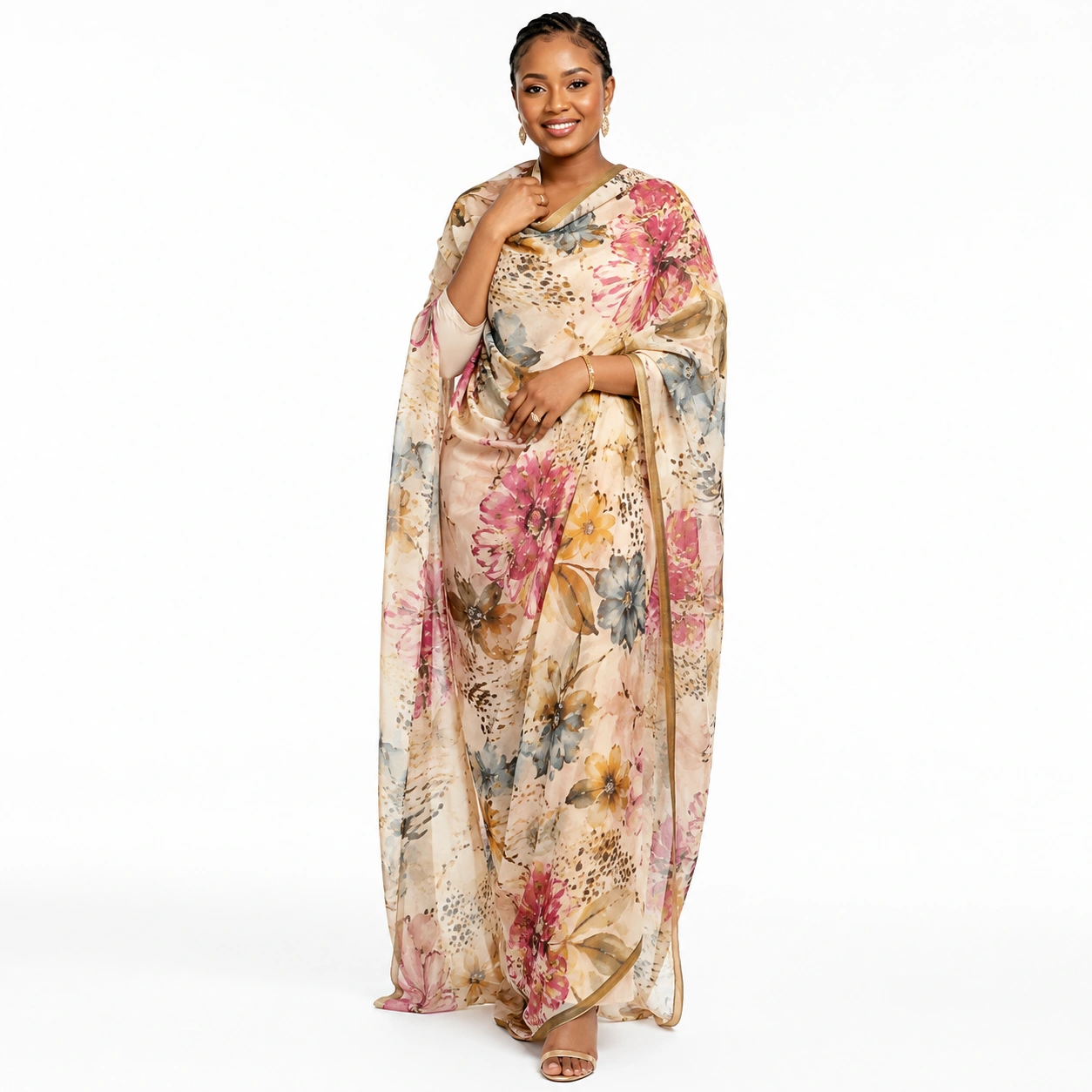
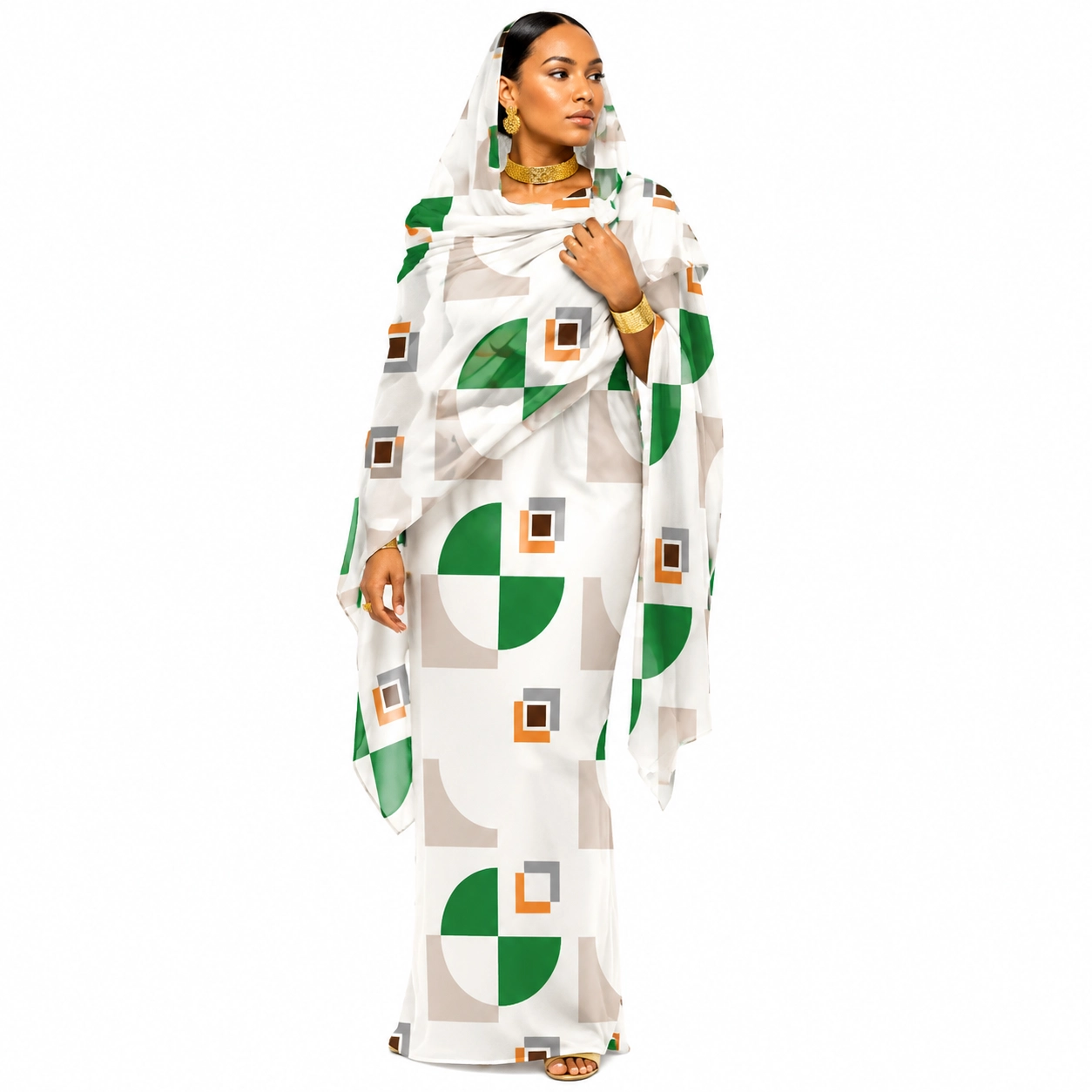
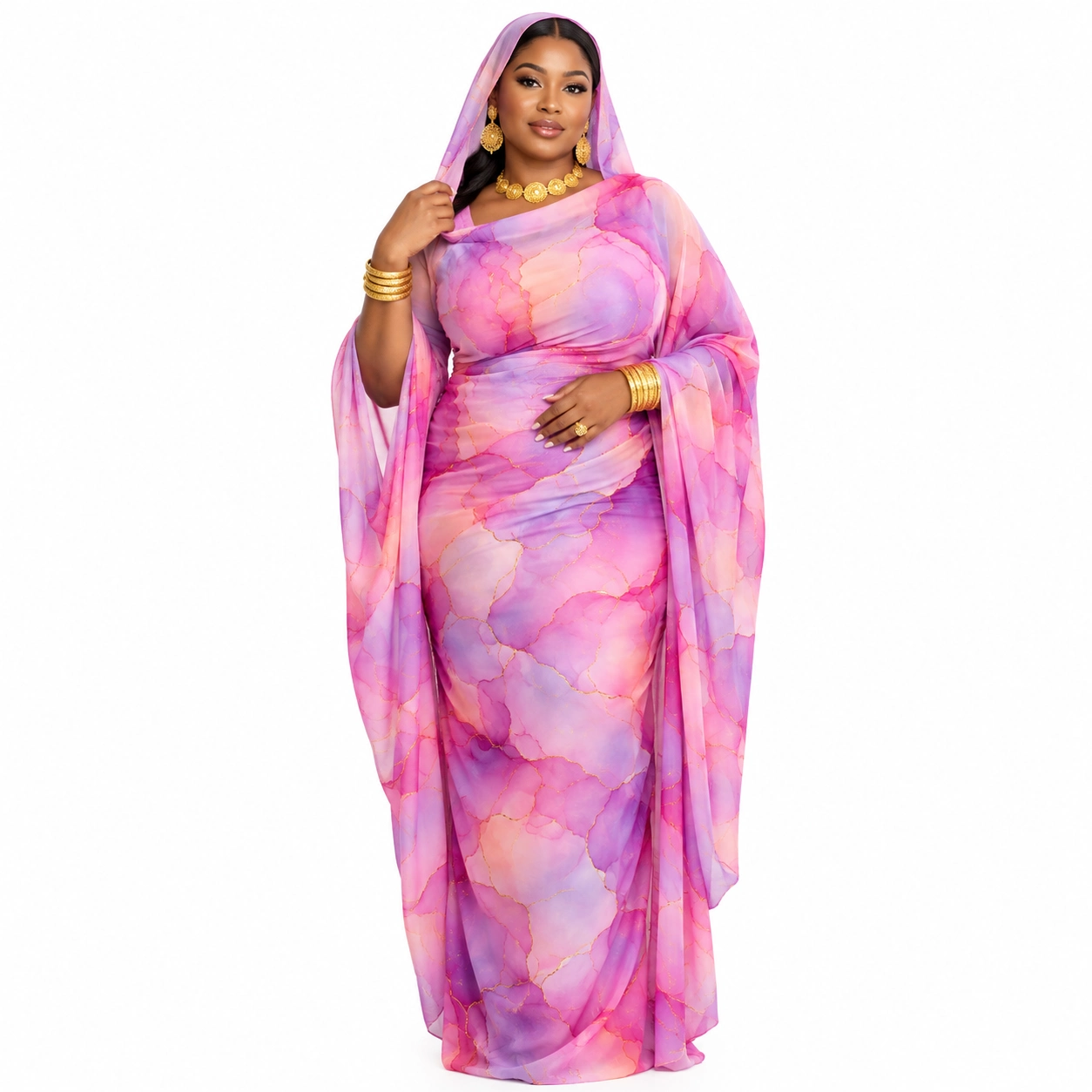
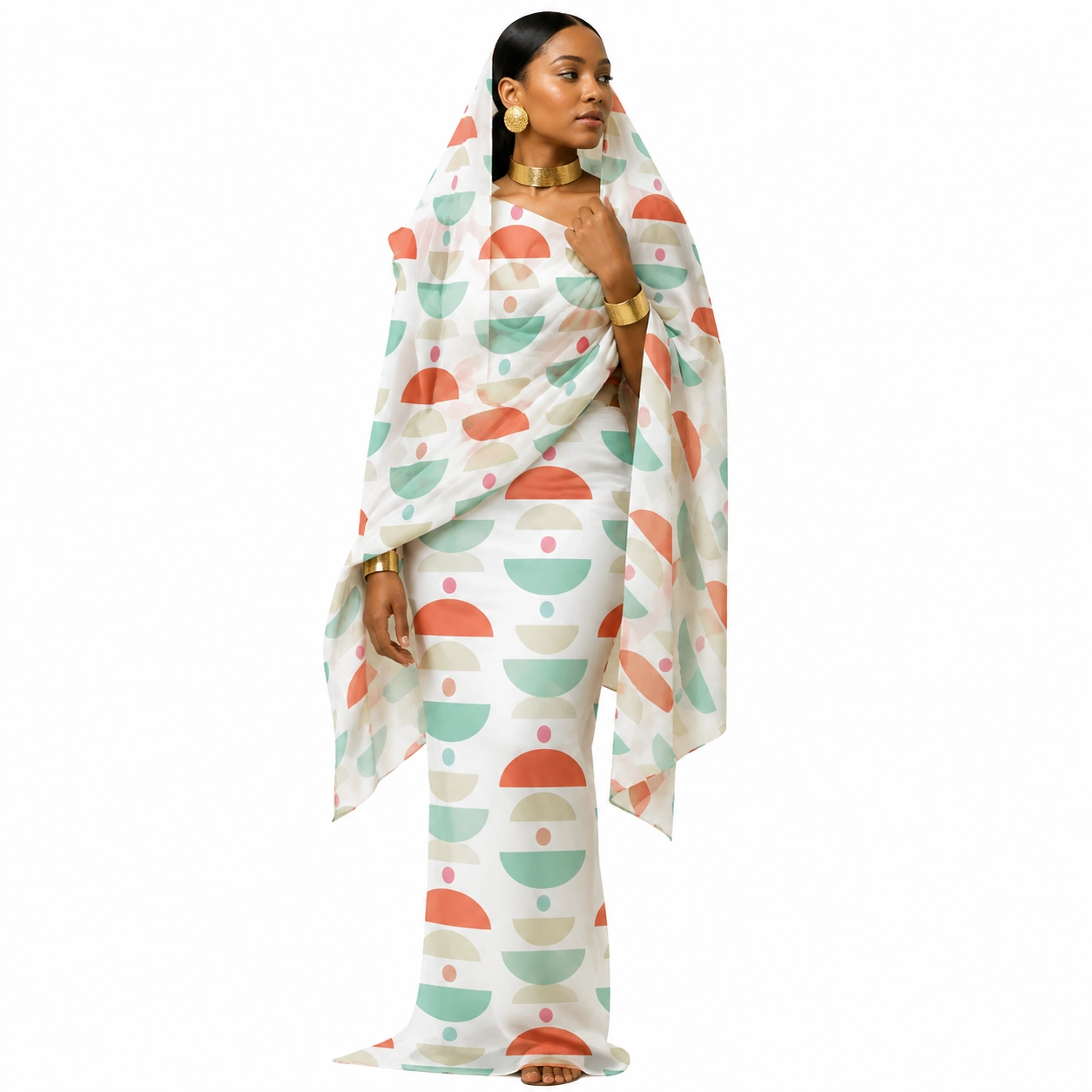
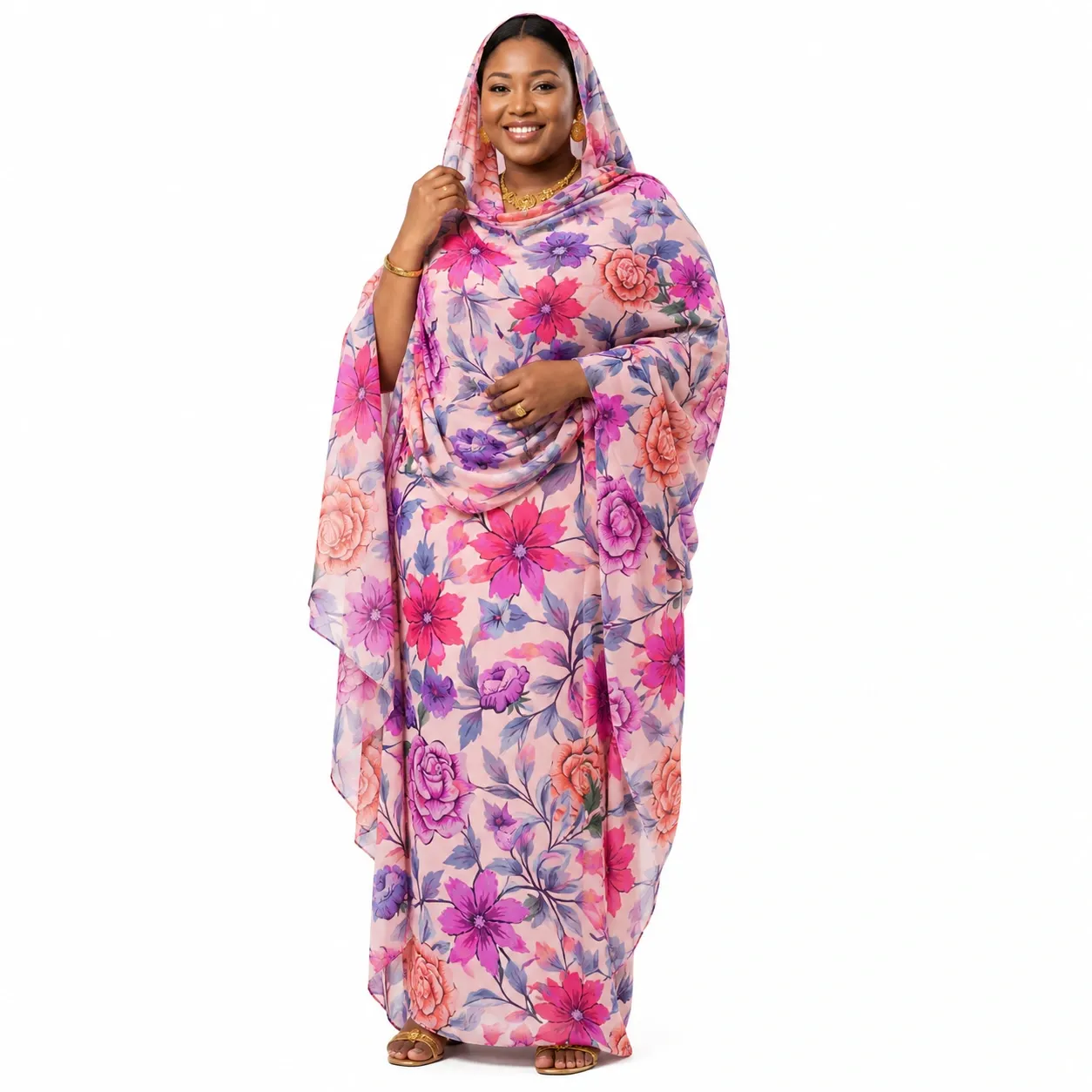
Jinlai Textile's gold-stamped Toub reference has a standard size of 150 cm × 450 cm per piece. For a buyer interested in the complete decoration, the sample format therefore matters. A small cut cannot represent the entire finish arrangement. Ask whether a material cutting or complete-piece reference can be supplied for the selected style, rather than assuming that the product's full dimensions also describe the sample being offered.
Use a design code where available. Otherwise, retain the supplier's original description and date. “The blue design” is too loose when several similar styles are being discussed. Add the intended sales channel and approximate wholesale requirement to explain the project, without treating that information as an order or stock reservation.
Available Examples and Custom Sample Development
The request needs to say what purchasing expects to receive. An available product example and work made to a new brief are separate deliverables, even when both belong to one proposed wholesale project.
Available Product Examples
Establish what the offered piece represents: the exact item discussed or an alternative for comparison. If a substitute is accepted, record its identity and whether the original request remains open. The next reviewer can then connect comments to the correct product.
Commissioned Samples
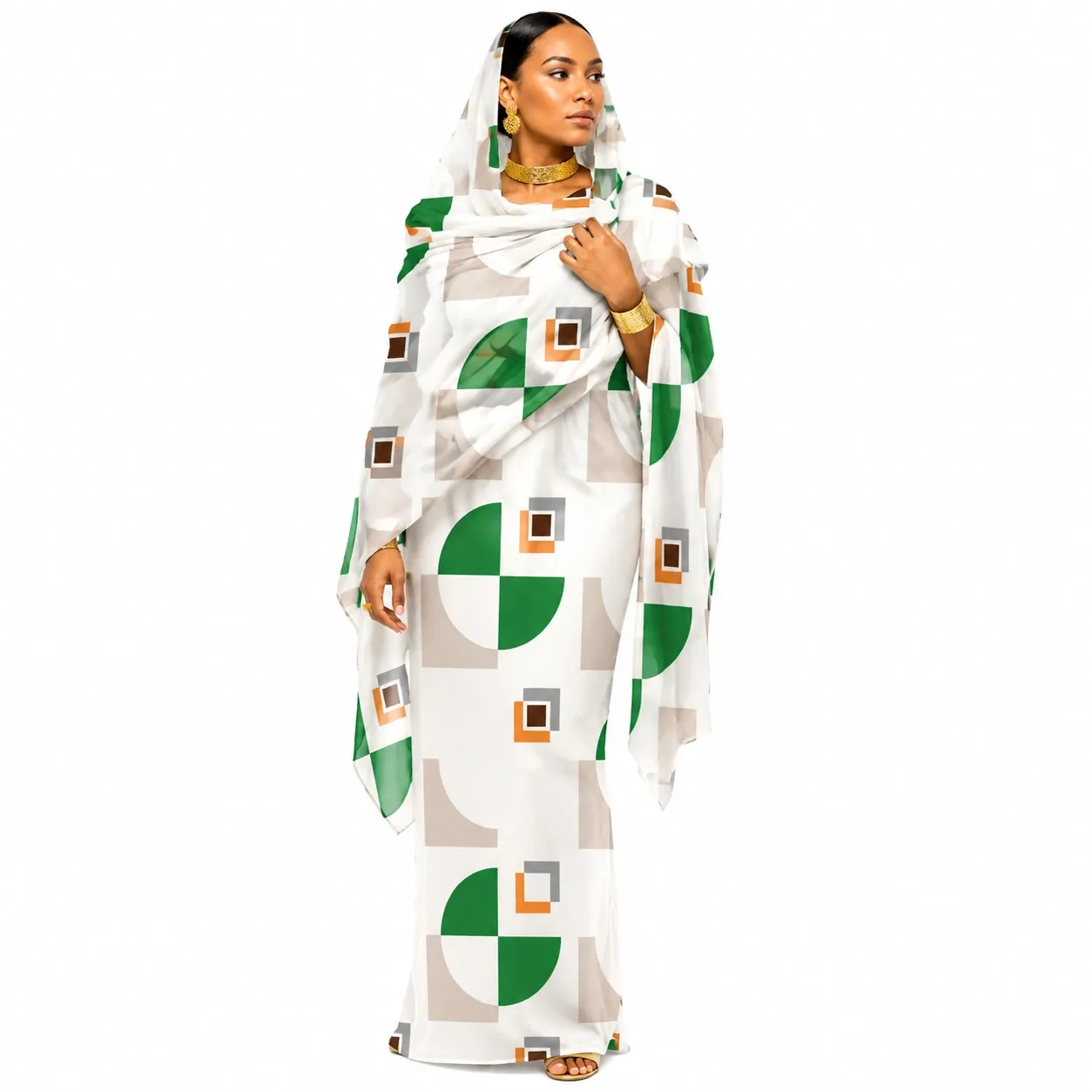
Jinlai Textile provides custom Toub sample development through OEM and ODM, including physical samples for custom printed projects. Finished designs and earlier ideas can both start that discussion. Identify the starting point and the question the sample should resolve before authorizing work. Purchasing can then agree a development deliverable, rather than expecting an existing example to answer a new design brief.
For illustration, a buyer may accept the base and ask to explore another pattern. State whether the sample will address that pattern alone or represent the proposed complete piece. Keep other changes outside the request unless added by agreement. Product inspection and production approval follow at the appropriate later stage.
Sample Costs and Commercial Terms
Commercial agreement should cover the defined sample set and any items still pending. Review the quoted scope before settling credits or a partial dispatch.
Quoted Sample Scope
Ask for charges against the agreed contents. The following breakdown can help purchasing identify what a quoted total covers; it does not imply that every cost applies to every request.
Cost item | Point to establish |
Sample pieces | References and quantities included in the offer |
Commissioned work | Development deliverable covered by the charge |
Freight | Agreed destination and arrangement for the parcel |
Pending items | What remains outside the current quotation |
Jinlai Textile's custom Sudanese Toub options include patterns, colors, sizing and packaging. Name any requested change to those elements when discussing samples. A private-label piece and its presentation may need separate work. Identifying those deliverables lets purchasing ask about the relevant charges and terms, without assuming that an existing product example includes every customization under consideration.
Credits and Partial Availability
Retain the conditions of any future-order credit offered. The later wholesale quantity still needs its own quotation. If only part of the set is available, agree whether to wait or receive those items first, including any additional delivery charge and the status of the remaining request.
Delivery and the Review Schedule
The receiving arrangement connects the sample parcel to the planned buying review. Agree who will receive it and distinguish the proposed dispatch from the date the team needs the pieces in hand.
Recipient and Delivery Route
Provide the company, full address, named recipient and working telephone number. Explain any studio, agent or forwarding arrangement. The person discussing the design may work elsewhere, so establish how the pieces will reach the buying team after delivery.
For cross-border parcels, establish responsibility for documents and charges with the shipper or carrier. The actual route determines the requirements. Describe the contents accurately and do not assume that sample status removes import formalities.
Dispatch and Receiving Dates
Give the required receiving date as well as discussing the proposed dispatch date. They are different milestones. A preferred review-meeting date does not establish a delivery promise; the supplier needs to assess the available arrangement against that requirement.
Once dispatched, keep the tracking reference and the agreed list together, identifying the contents of each parcel if the request is split.
Receiving and Identifying the Sample Set
Match the received pieces to the list before circulating them through the office or showroom. Record missing items and accepted substitutes while the shipment details are easy to retrieve. Keep the product identities attached so later comments can be connected to the offer.
Receipt establishes arrival and completeness; it should remain distinguishable from product acceptance. Custom printed work can then enter the custom print approval process, with the sample identity and agreed scope passed to the approving person. Artwork acceptance and release for production need their own explicit decisions.
Conclusion
Sudanese Toub samples should arrive with a clear purpose and an identifiable product reference. An agreed set, defined charges and practical delivery details give purchasing a sound starting point. The next review can then concern the products themselves, with missing pieces or further development still visible in the record.
To request Sudanese Toub samples from Jinlai Textile, provide the chosen designs, the purpose of each sample, destination and approximate wholesale requirement. Identify new artwork or presentation work separately. The response can establish the available arrangement before the buyer relies on review dates or makes further purchasing commitments.
Frequently Asked Questions
Are Sudanese Toub samples always free?
Confirm the terms for the selected set. A free product example can still involve freight, while commissioned work raises a separate cost question. Ask which charges apply and retain any future-order credit conditions before accepting the complete sample arrangement for the project.
Is a small swatch enough to choose a Toub design?
Only if the cutting contains the feature needed for that decision. It may be suitable for an initial material comparison but leave the complete print or border unseen. A request concerning the overall design needs a format that can represent it.
Does receiving a sample reserve wholesale stock?
Receiving a sample does not establish a stock allocation or production booking. The intended wholesale quantity needs its own availability and terms discussion. Any required reservation should be explicitly agreed and retained with the order record.