Sudanese Toub Fabric Trends 2026: Custom Shades & Subtle Prints
Introduction
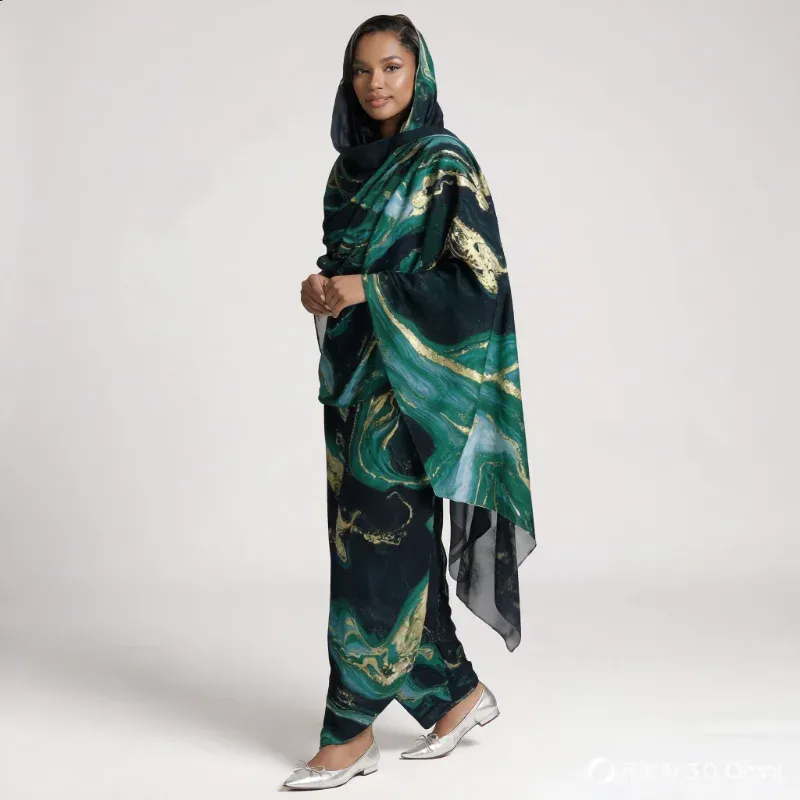
The Sudanese toub fabric market has always shown a mix of creativity, culture, and business. In 2026, this market changes toward trend-driven yet culturally grounded textiles. These fabrics reflect both old traditions and fresh looks. The toub, a garment often worn by Sudanese women, is turning into a sign of grace that connects different ages and places. Fashion trends speed up in Africa and the Middle East. As a result, people want fabrics that mix classic patterns with new shades more than ever.
Aligning inventory with these evolving preferences is now critical for wholesalers and B2B buyers who aim to maintain relevance in competitive markets. At Jinlai Textile, the focus stays on supplying fine, stylish, and culturally traditional scarves for Muslim women worldwide. The company’s deep expertise in textile production and customization positions it as a trusted partner offering technical consulting and scalable solutions for bulk buyers seeking to capitalize on upcoming trends in the Sudanese toub fabric segment.
Market Overview: Sudanese Toub Fabric in 2026
The local market for Sudanese toub fabric is expanding. Exports grow to North Africa, the Gulf area, and groups abroad in Europe. Cultural gatherings, marriage events, and holy festivals push this need. Traditional clothes stay key there. Yet, young people shape styles through online shares and mixed fashion picks.
Sales speeds in wholesale vary more now. Seasons like Ramadan lines or wedding times cause this. Stats from area sellers point out that tailored colors sell 30% quicker than usual stock. This shows how personal touches help keep an upper hand. Jinlai Textile sticks to the idea of “quality first, customer first”. It earns trust with skilled methods, good stuff, and real help.
Key Color Trends: Custom Shades Driving Demand
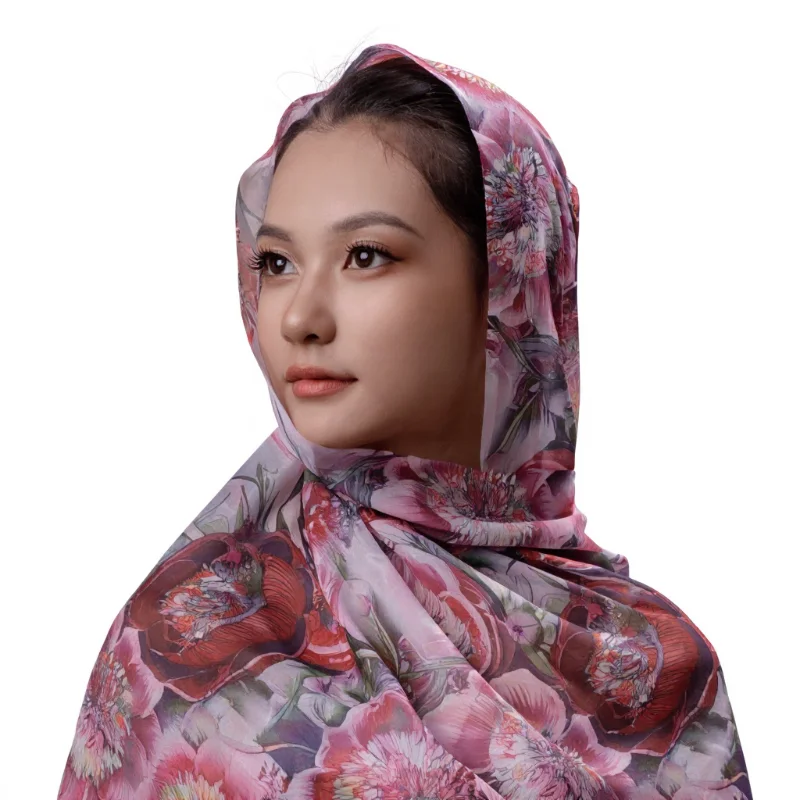
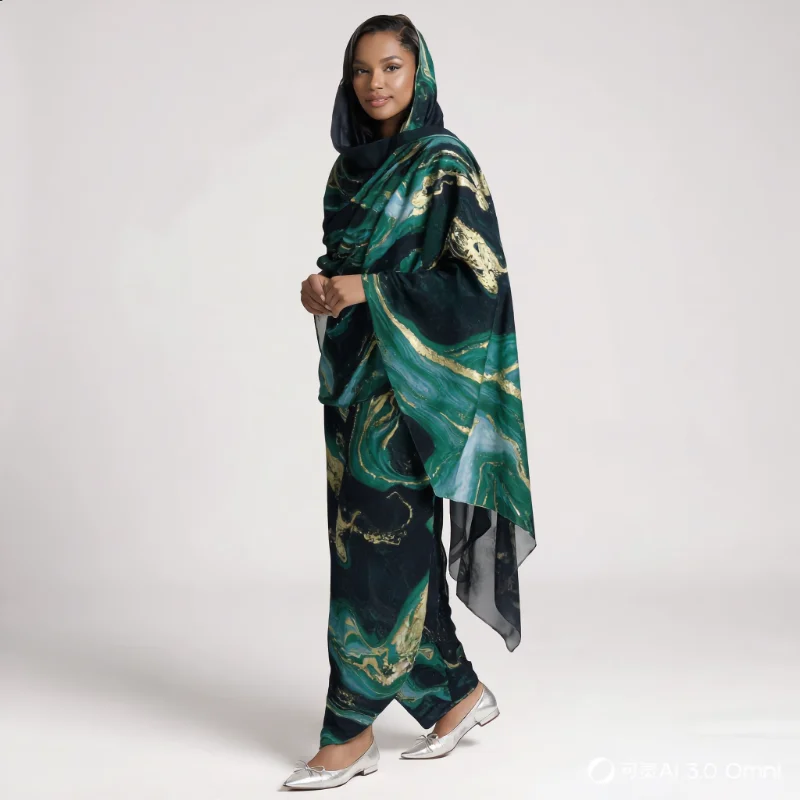
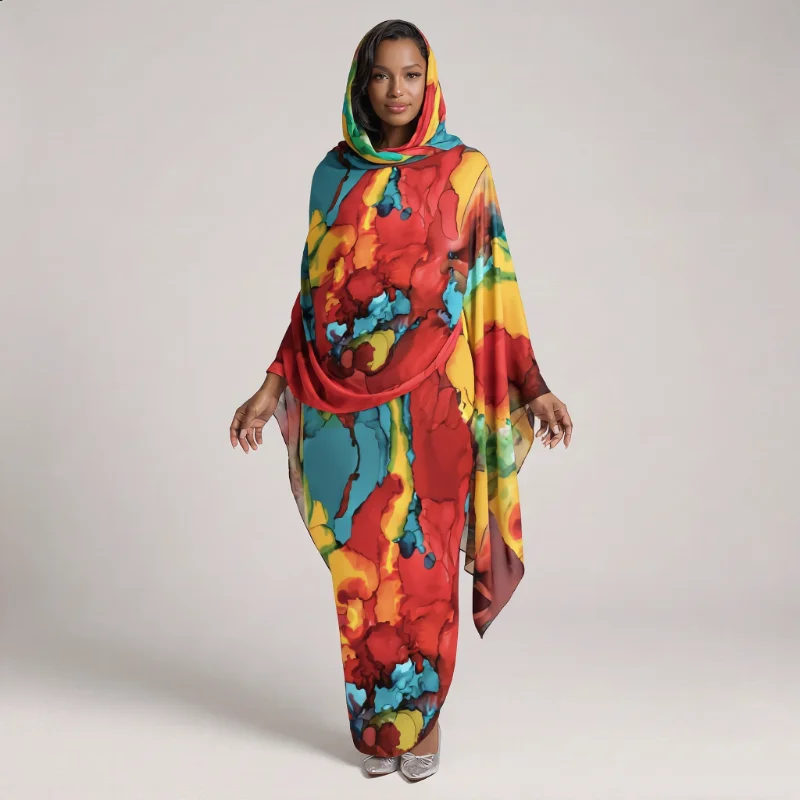
Shade choices strongly pull buyers in the toub fabric business. In 2026, gentle light colors like blush rose and misty lavender should lead spring sets. Earthy plain tones—such as sandstone beige and clay brown—will shape daily wear groups. Soft deep colors like teal sapphire and antique ruby will draw crowds in holiday times.
Tastes in shades differ by area. Northern spots like cooler hints from dry lands. Coastal shoppers pick warmer ones from sea life and evening skies. Sellers turn to special color services more. Provide exclusive customization services according to your design needs. Whether it is color, pattern, material or style, they can meet your personalized needs. This way sets products apart. It also cuts risks of extra stock by matching making to expected wants.
Print Trends: The Rise of Subtle and Minimalist Designs
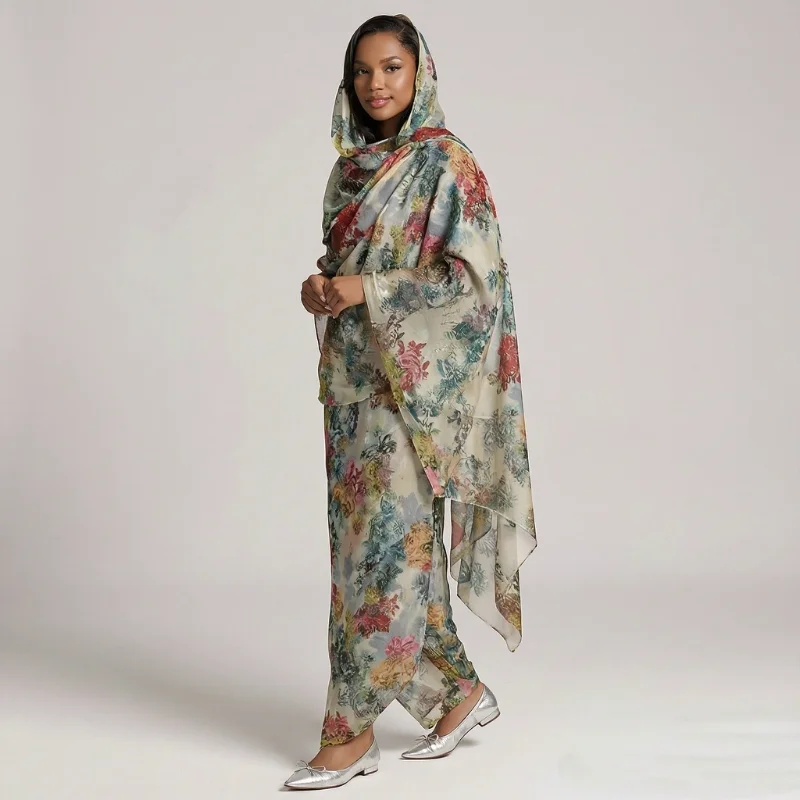
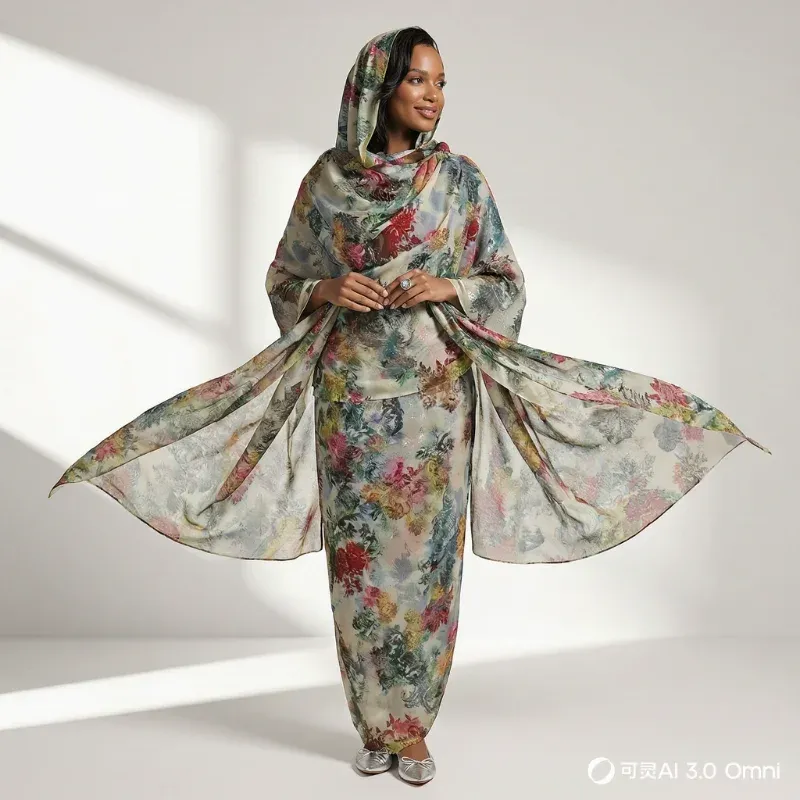
Bold flower patterns and shape repeats ruled for years. Now, minimalist prints are taking center stage in 2026 collections. Buyers like tiny flowers on light voile layers. They also favor matching shapes that bring calm style without too much fuss. Gentle shade shifts—done with digital tools—catch on with young folks. They seek quiet class over heavy decor.
Such mild designs fit all ages. They keep true roots. At the same time, they match wide fashion views in modest wear from Dubai to Dakar. Grace mixed with usefulness lets sellers help strict buyers who want old ways. It also serves new shoppers who like plain looks.
Fabric Specifications and Product Considerations
Sudanese toub fabrics often use airy stuff like cotton voile, chiffon mixes, or polyester voile. These work well in warm weather for their easy flow. Cotton voile fabric is a light, soft, and breathable fabric that is perfect for Muslim womens scarves. Main details cover GSM (usually between 60–90), air flow for ease in long use, flow quality for nice wraps, and firm color hold after many washes.
For print ways, digital methods give exactness for mild patterns. Old screen printing saves money for big lots of basic designs. Even small shade shifts in batches can harm sales approval.
Inventory Planning Strategies for Wholesalers
Inventory planning turns sharper these days. Smart wholesalers blend past sales info with local views to guess high points right. A good range of items—mixing always-good plain shades with short-run trendy prints—keeps sustain steady cash flowing all year.
Lead times must be managed carefully since customized dyeing or special prints require additional processing days. Flexible minimum order quantities (MOQs) allow smaller retailers to participate without overcommitting capital. Optimize the entire supply chain process. Such flexibility reduces dead stock accumulation while keeping collections fresh.
Supply Chain and Production Advantages
Growth in size marks wins in big textile lines now. Use the latest weaving and printing and dyeing equipment, and professional technicians follow up throughout the process. Jinlai Textile’s full making setup handles huge orders. It keeps steady quality and on-time sends.
Test samples let business clients check new shades or prints first. This helps when trying new ideas like simple shapes or fresh light tones. Quick model building cuts wait for changes. So sellers can match shifting buyer likes faster.
Pricing and Margin Optimization
Price setups rely on base costs (like cotton), color work hardness, print fullness, and end touches such as shine layers or stitch add-ons. While custom orders often carry higher unit costs due to small-batch processing or specialized dyes, wholesalers offset this through higher turnover rates from exclusive products.
To hold good profits, mix high-end tailoring with fair price levels for varied shop types. These range from small upscale places for rich clients to big sellers chasing high numbers.
Sustainability and Compliance Trends
Green sourcing picks up speed among African textile buyers. World shoppers ask for clear views in supply lines. Dyes with low harm that use less water turn common in new color shops for outside sales.
Meeting world rules like OEKO-TEX® certification builds trust. It fits import needs in Europe or the Gulf. Clearness—from fiber starts to packing—shifts from extra talk to a must for business ties seeking fair links.
Future Outlook: Toub Fabric Market Beyond 2026
Looking ahead beyond 2026, hybrid designs combining traditional Sudanese craftsmanship with digital customization tools will define future growth areas. Digital color libraries will allow wholesalers to create small-batch runs tailored per region without inflating production costs.
Data-driven purchasing strategies—where predictive analytics guide which shades or prints perform best per season—will further refine inventory decisions. For suppliers like Jinlai Textile that already integrate advanced processing systems with technical consulting support, this evolution represents an opportunity rather than disruption.
Conclusion
As Sudanese toub fabric continues evolving through 2026’s fashion cycle, custom shades paired with subtle prints are reshaping wholesale dynamics across Africa’s textile corridors. Wholesalers who align inventory planning with real-time consumer sentiment stand poised for growth amid fluctuating markets.
Jinlai Textile supports wholesalers with consistent product quality, flexible customization options, and expert technical consulting tailored to real market needs. Businesses chasing better sales speeds while cutting inventory risks can team with Jinlai Textile—a brand rooted in craftsmanship yet agile enough for tomorrow’s trends.
FAQs
Q1: What are the most in-demand color trends for Sudanese toub fabrics in 2026?
A: Soft pastels like blush rose dominate spring lines while earthy neutrals such as sandstone beige remain staples year-round; muted jewel tones appear during festive seasons reflecting cultural richness within sudanese toub fabric trends 2026.
Q2: How do subtle print designs impact wholesale turnover rates?
A: Minimalist prints broaden audience reach since they appeal both traditionally minded customers and younger buyers seeking understated elegance—leading to quicker sell-throughs compared with ornate patterns.
Q3: What fabric specifications should be prioritized for high-quality toub production?
A: Lightweight cotton voile between 60–90 GSM ensures breathability; strong colorfastness maintains vibrancy after washing; smooth drape enhances wrapping comfort ideal for muslim clothing applications.
Q4: How can wholesalers effectively manage inventory for seasonal textile demand?
A: Combining regional sales data analysis with flexible MOQ policies enables responsive restocking cycles; offering customizable shades prevents overproduction common in static collections from custom toub fabric wholesale suppliers.
Q5: What factors should be considered when selecting a reliable toub fabric supplier?
A: Look for proven manufacturing capacity, transparent quality inspection systems, timely after-sales support—and partners like Jinlai Textile known as an experienced scarf supplier delivering consistent results across bulk orders of subtle print toub fabric bulk purchase lines.