Sudanese Toub Wholesale Guide: Fabric, Size & RFQ Preparation
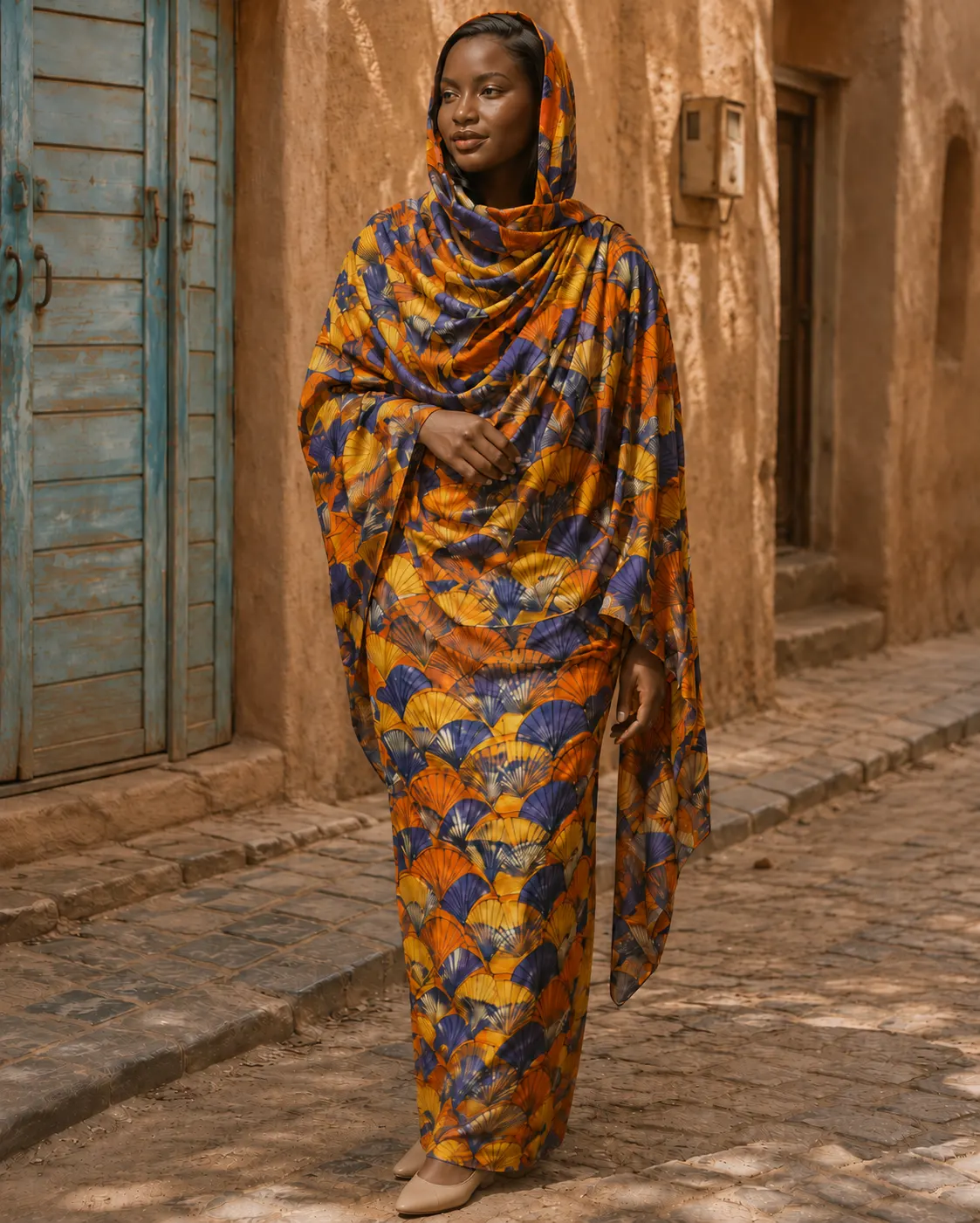
A Sudanese Toub is a long piece of fabric traditionally wrapped around the body as women's clothing, with the finished look shaped by the fabric's drape, coverage, color, print, and occasion. For a wholesale buyer, the useful definition is practical: source the Toub as a finished wearing experience, then specify the material, dimensions, design treatment, and market use before asking for a quotation. This guide explains the garment's scope, what it is not, and how to turn the term into a clear buying brief.
What Is a Sudanese Toub?
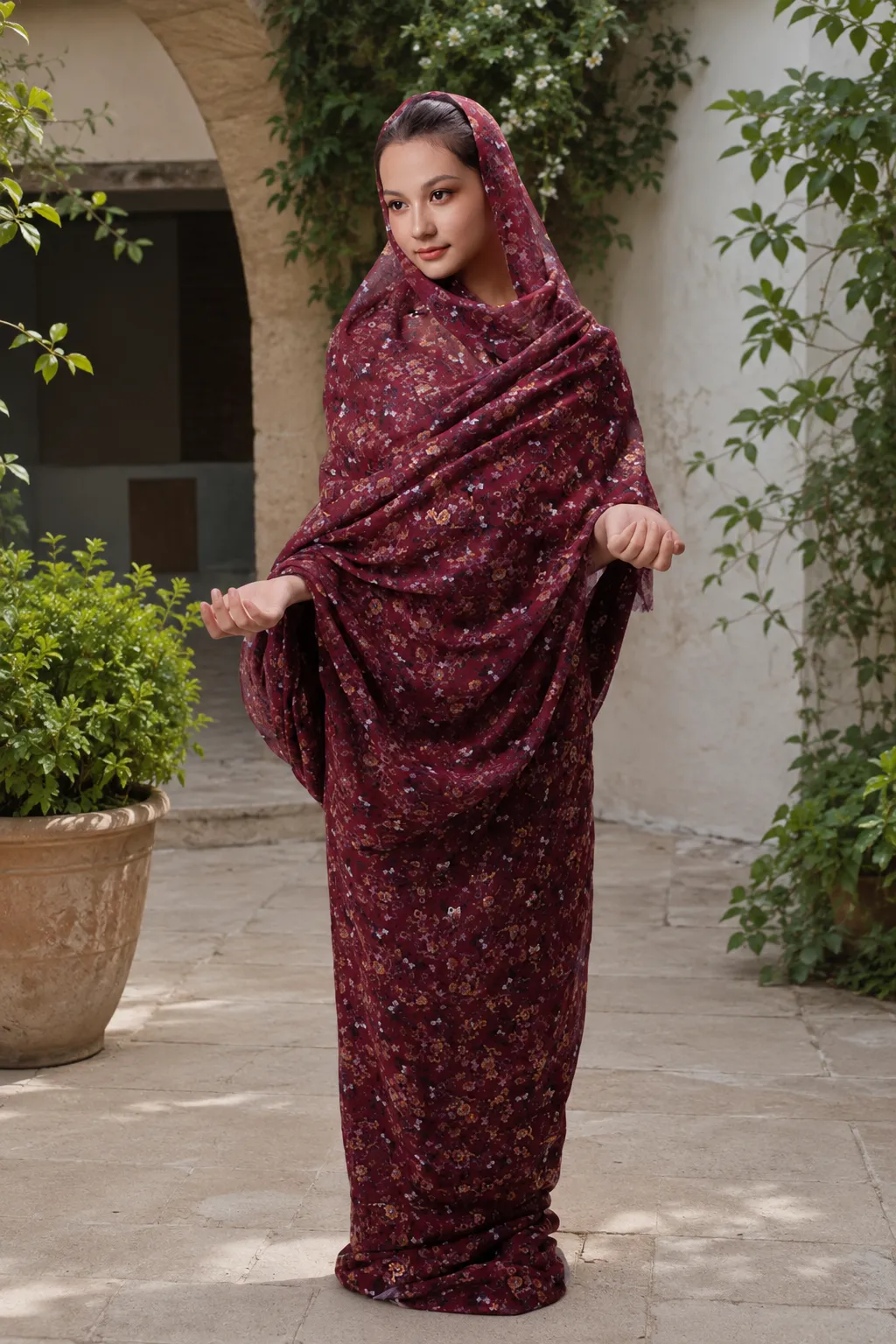
A Sudanese Toub is a large, lightweight textile worn by women by wrapping it around the body. The term describes a garment format and cultural use, not one single fiber, print, or price tier. A plain voile piece, a digitally printed design, and a decorative gold-stamping Sudanese Toub style can all belong to the category when the finished fabric serves the same wrapping purpose.
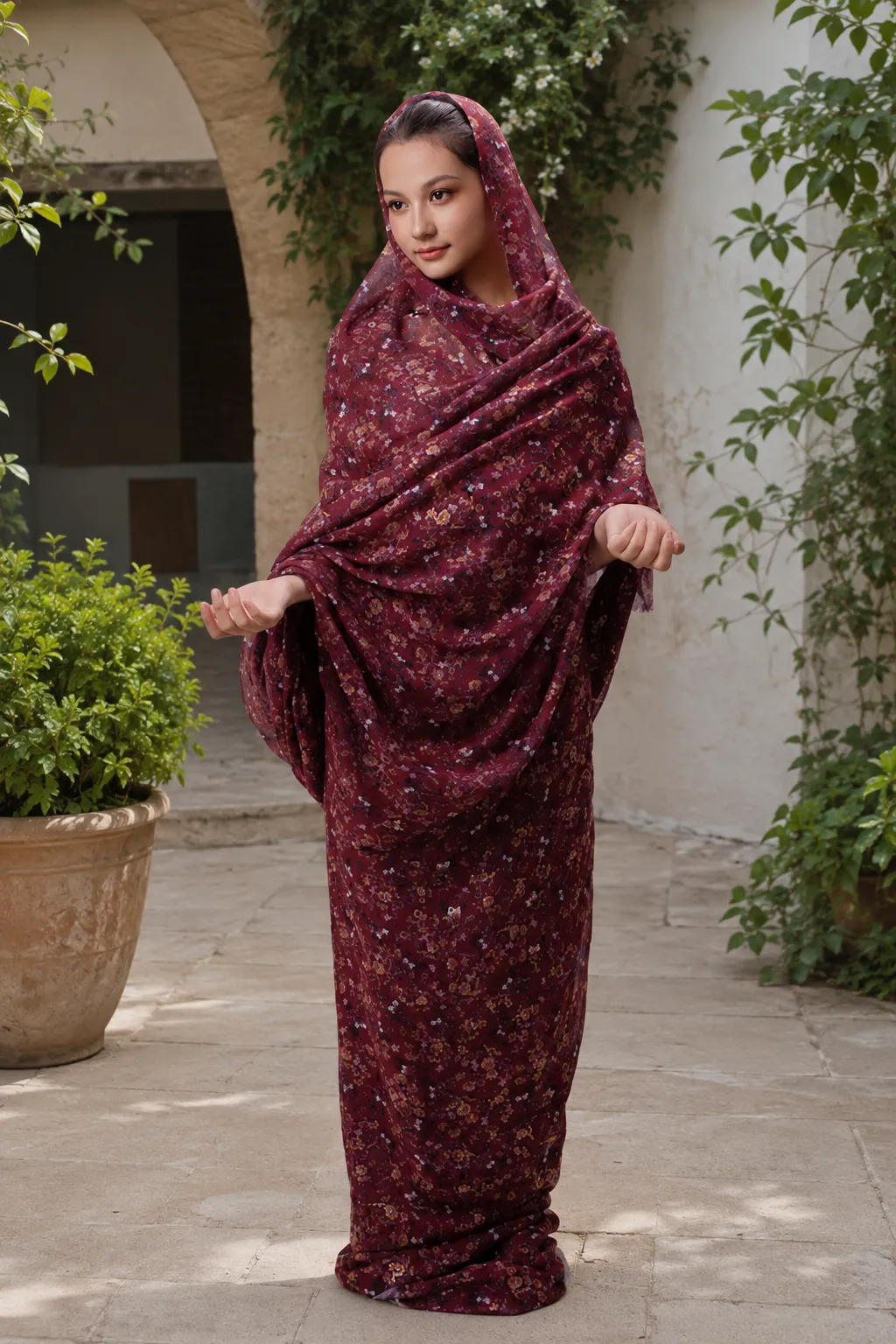
That boundary matters in wholesale conversations. A buyer who asks only for "Sudanese fabric" may receive cloth that is attractive on a roll but unsuitable for the intended wrap. A stronger request names the finished garment, the target wearer, and the visual role. The supplier can then evaluate whether the requested width, length, opacity, hand feel, and artwork work together as one product.
Garment format comes before decoration
The first question is how the product will be worn and sold. Daily-wear ranges usually need a comfortable fall, practical coverage, and colors customers can repeat. Occasion-led ranges can justify more visible decoration, contrast, or metallic detail. A buyer may use the same base category for both, but the sampling criteria and merchandising story are different.
How Is a Sudanese Toub Different From a Scarf or Shawl?
A scarf or shawl is a broad product label that may refer to many shapes and uses. A Sudanese Toub is more specific because the buyer expects a large wrap intended to cover and drape around the body. The distinction affects the finished dimensions, the amount of fabric needed, print placement, border visibility, and how the product is photographed or displayed.
This is why a small scarf sample cannot answer every Toub question. A motif that looks balanced on a narrow strip can become crowded across a full wrap. A fabric that feels light in the hand can provide a different level of coverage when it overlaps. The sample should therefore be assessed in the form the customer will actually buy, not only as a swatch.
Use the intended customer and occasion as a filter
For a wholesaler, the category becomes easier to manage when each SKU has a clear role. A core Toub can serve customers seeking repeatable colors and familiar drape. A celebration or bridal direction can use stronger borders, richer color contrast, or a decorative finish. The category should not be forced into one universal specification when the use case changes the buying criteria.
What Fabric Is Used for Sudanese Toub?
No single fabric defines every Sudanese Toub. Jinlai Textile's custom Sudanese Toub manufacturing route covers cotton voile and polyester voile, with printed, plain, and custom-pattern routes. That gives a buyer a choice of material direction without changing the basic garment brief: the final decision still needs to be checked on a complete piece for drape, coverage, hand feel, color, and print appearance.
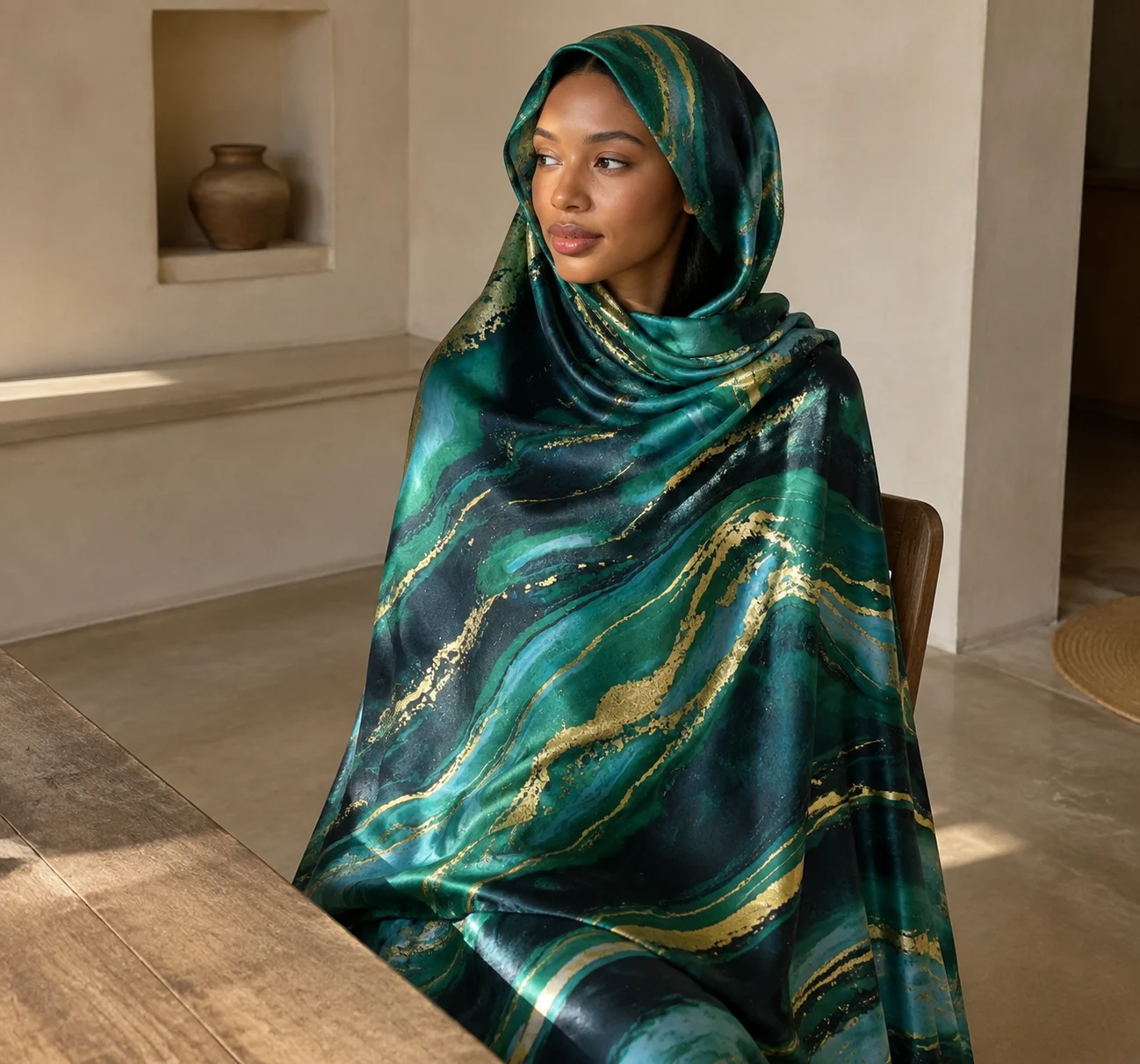
The value of this range is not the existence of two fabric names. It is the ability to compare the same design intent across a controlled material choice, then retain the approved result as the reference for later orders. Jinlai Textile also supports custom colors, artwork, labels, and packaging through its OEM/ODM route, which is useful when a retailer has a proven customer direction rather than an untested idea.
Cotton voile: when buyers usually consider it
Cotton voile is often considered when a collection brief prioritizes a soft natural hand feel and a breathable, light drape. Those are starting criteria, not automatic performance promises. A buyer should still review the actual Toub in single and overlapping layers, because the finished wrap determines whether the product gives the expected visual coverage and movement.
Polyester voile: when repeatability and artwork need close review
Polyester voile belongs in the same disciplined approval process. The word polyester does not by itself prove that a print, color, or hand feel will suit the collection. Review the complete sample, record the material alongside the artwork version, and keep the approved physical reference if the style may be reordered. This prevents a later design change from being mistaken for a material change.
Where Do Customers Wear or Buy Sudanese Toub?
A Toub can be positioned for daily wear, religious and cultural occasions, weddings, gifting, diaspora retail, or modest-fashion collections. The correct commercial role depends on the buyer's audience rather than on the product name alone. A boutique serving a Sudanese community may prioritize familiar colors and heritage cues, while a fashion retailer may present the same format through a more contemporary print story.
Use occasions to decide the first assortment. If the collection is intended for everyday use, evaluate comfort, coverage, easy coordination, and repeat color demand. If it is intended for weddings or Eid, evaluate decorative impact, border placement, and how the fabric reads under indoor lighting. These distinctions help a buyer avoid building a range that looks attractive but has no clear customer or selling moment.
What Should a Wholesale Sudanese Toub Brief Include?
1. State the garment format and intended wearer, including daily, occasion, bridal, gifting, or mixed use.
2. Choose a material direction for sampling, or ask for a controlled comparison of cotton voile and polyester voile.
3. Define finished width and length, expected coverage, and how the Toub should drape when wrapped.
4. Mark the design elements that are fixed, such as color family, motif scale, border concept, or print density.
5. List quantity by design, labels, packaging, destination market, and whether the request is ready-made or custom.
6. Approve a complete physical sample before treating the specification as ready for bulk production.
This brief is more useful than sending a reference photo with no explanation. It tells the supplier which decisions are already made and which are still open. It also gives the buying team a record that can be used for comparison when several designs are sampled at the same time.
How Can Buyers Avoid Common Sudanese Toub Sourcing Mistakes?
Do not treat the name as a complete specification
"Sudanese Toub" identifies the category, but it does not settle fiber, size, opacity, print method, finish, packaging, or price. Leaving those fields open can create mismatched quotations and samples that are difficult to compare. Add the missing variables before the RFQ, even when the design appears simple.
Do not approve from a cropped image
A cropped image is useful for color or motif direction, but it cannot verify hand feel, physical coverage, production color, or the way a border sits after wrapping. Treat images as selection references and the full-size physical sample as the approval reference. This is especially important for private-label collections where later reorders need a stable benchmark.
Do not mix customer discovery with final quantity
A new category should be tested with enough contrast to learn what customers prefer, but not so many uncontrolled variables that the result becomes unreadable. Keep the first brief narrow, note the intended use of each style, and let paid demand guide the next quantity decision. A busy display is not proof that every design deserves a bulk order.
How Jinlai Textile Fits a Sudanese Toub Project
Jinlai Textile is positioned for buyers who need more than a finished catalog image. Its Sudanese Toub offer covers cotton voile and polyester voile, plain and printed directions, custom patterns, ready or custom colors, and packaging options. The matching OEM/ODM service adds physical sampling, label support, and artwork development, so a buyer can move from a defined brief to a reviewable sample before committing to a decision.
For a wholesale inquiry, the useful next step is to send the intended use, material preference, finished size, design references, quantity by style, labeling or packaging needs, and destination market. Jinlai Textile's contact route can then be used to discuss a project around the actual product rather than a generic request for "Sudanese fabric." Keep the approved sample and written specification together if the style is expected to repeat.
Conclusion
A Sudanese Toub is best understood as a large women's wrap garment whose commercial success depends on the complete wearing result. The name alone does not define the fiber, design, coverage, or market position. Buyers should begin with the intended customer and occasion, define the finished product, compare the material route on a complete sample, and record the choices that must remain stable for reorders. That process turns a culturally specific product term into a workable wholesale specification.
If you are preparing a Sudanese Toub collection, send Jinlai Textile your intended use, preferred material, finished dimensions, design direction, estimated quantity, packaging requirements, and destination market through the contact page. A focused brief gives the supplier enough context to discuss sampling and the next commercial step.
FAQ
What is a Sudanese Toub?
A Sudanese Toub is a long piece of fabric traditionally wrapped around the body as women's clothing. In wholesale sourcing, the term describes the garment format and use; the buyer still needs to specify material, finished dimensions, design, coverage, and packaging.
Is a Sudanese Toub the same as a scarf?
No. A scarf is a broad product category, while a Sudanese Toub is a larger wrap intended to cover and drape around the body. The difference affects fabric quantity, finished dimensions, print placement, and sample approval.
What fabric can be used for a Sudanese Toub?
Jinlai Textile currently works with cotton voile and polyester voile for Sudanese Toub projects. Buyers should compare complete samples for drape, hand feel, coverage, opacity, color, and print appearance before selecting the production material.
What should I include in a Sudanese Toub wholesale inquiry?
Include the intended wearer and occasion, material preference, finished size, design or color references, quantity by style, label and packaging requirements, and destination market. These details let a supplier discuss sampling and quotation around a defined product.