What Saudi Importers Need for Sudanese Toub Orders in SABER
Importing Sudanese Toub to Saudi Arabia starts with confirming what the supplier will ship. The order may be fabric on rolls, cut lengths that still need finishing, or finished wraps packed for retail. These are different product forms, even when the fabric has the same print.
Before placing the order, the importer can ask the supplier to confirm the fibre content, dimensions, finish and packing. The importer and customs broker can use those details to check the customs classification (HS code) and the applicable requirements in SABER, Saudi Arabia’s platform for registering products and managing conformity certificates. The description on the order and shipment paperwork should match the goods being shipped.
Describe the Goods as They Will Arrive
Suppose the quote includes one roll line and one line for retail pieces in the same print. The design code may be common to both. The importer can give the broker one description for the cloth on rolls and another for the finished wrap, with the quantity and unit written against each line.
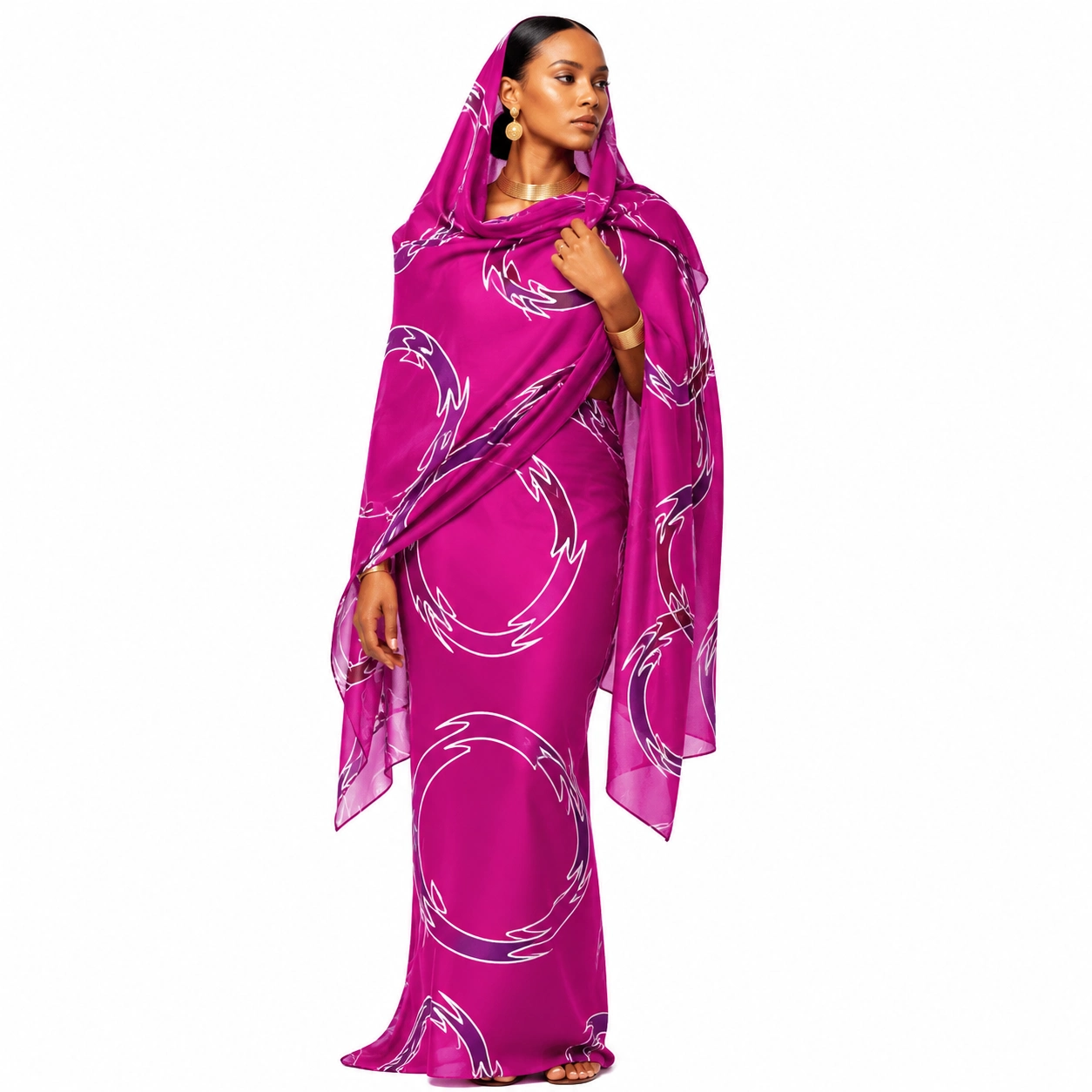
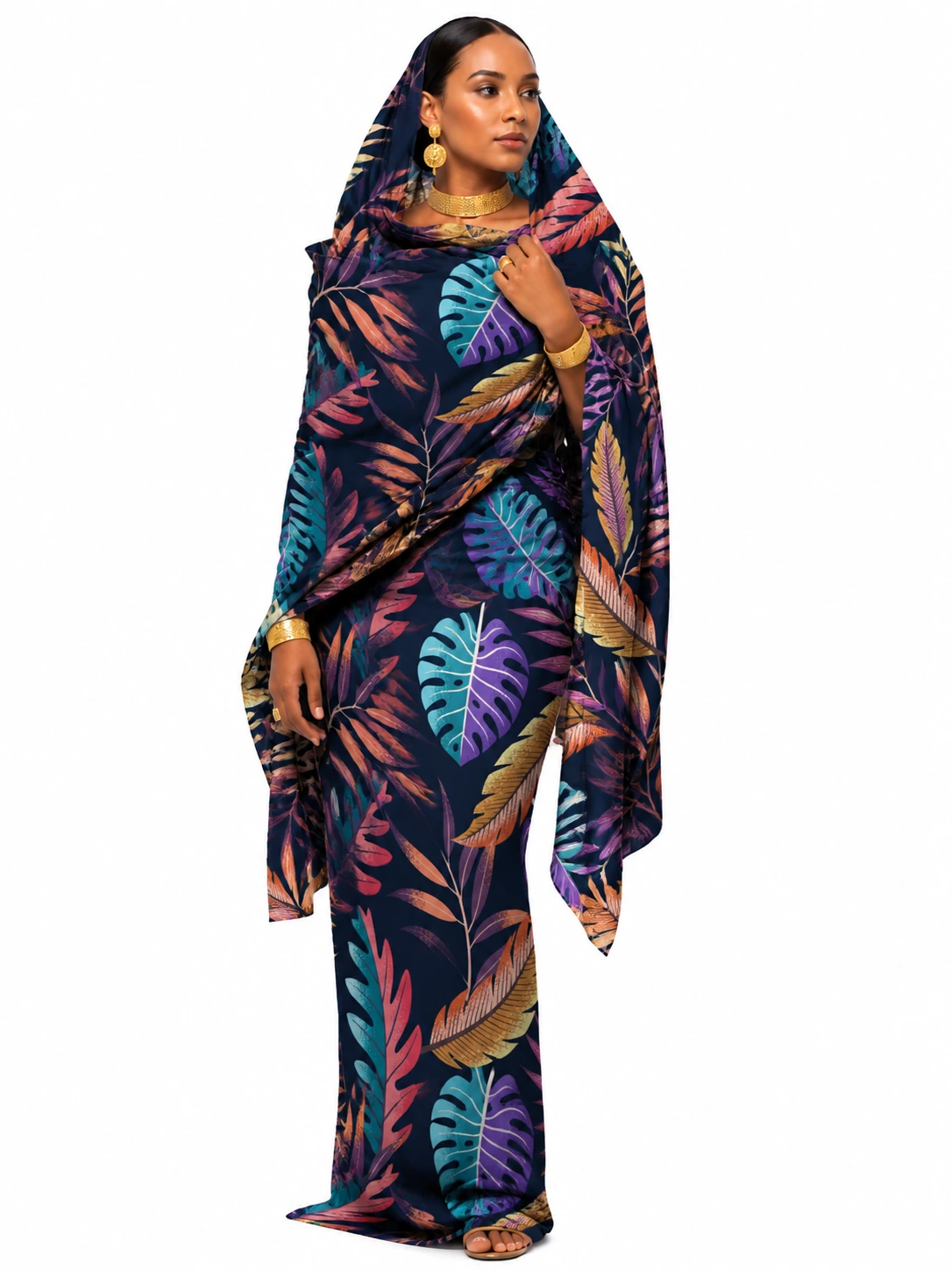
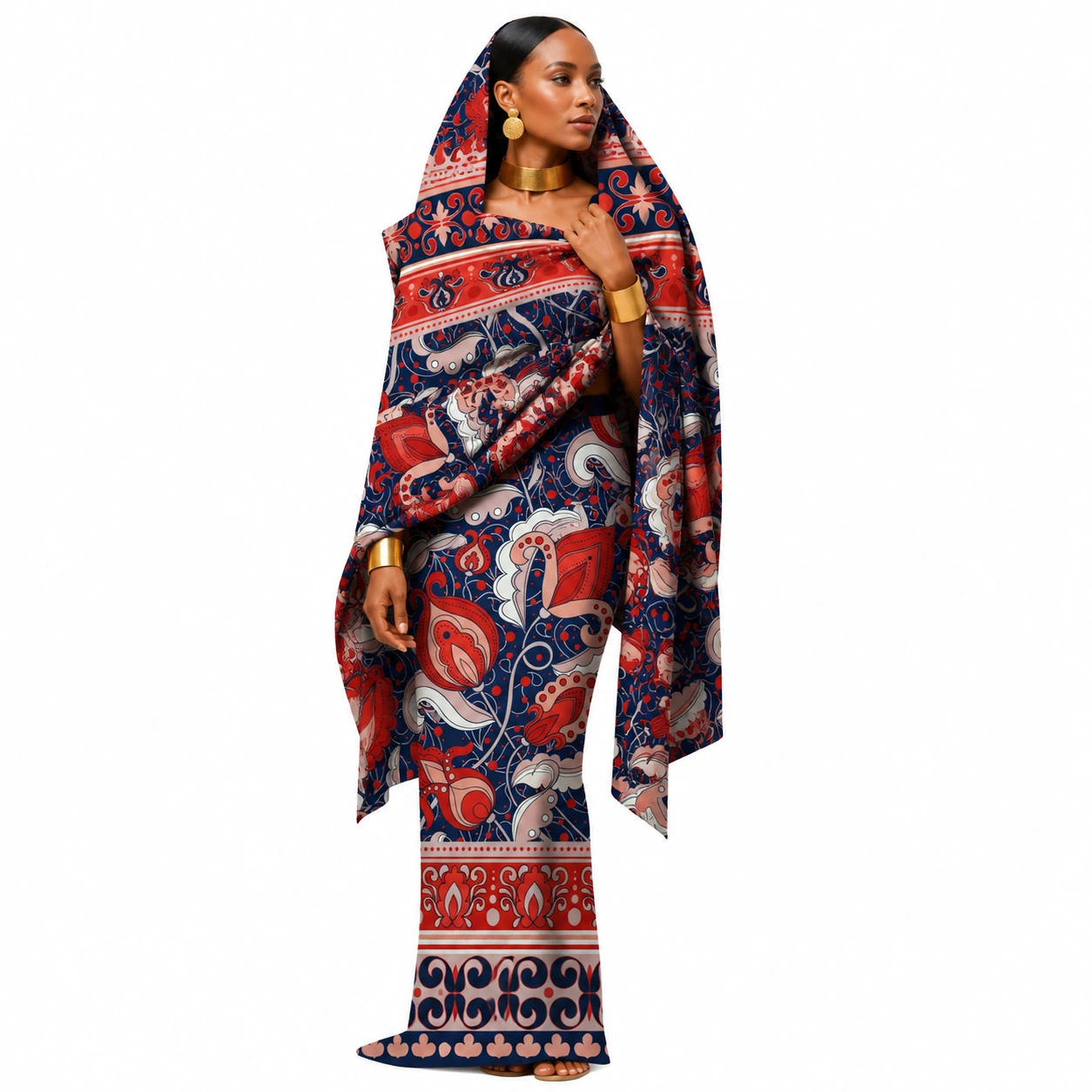
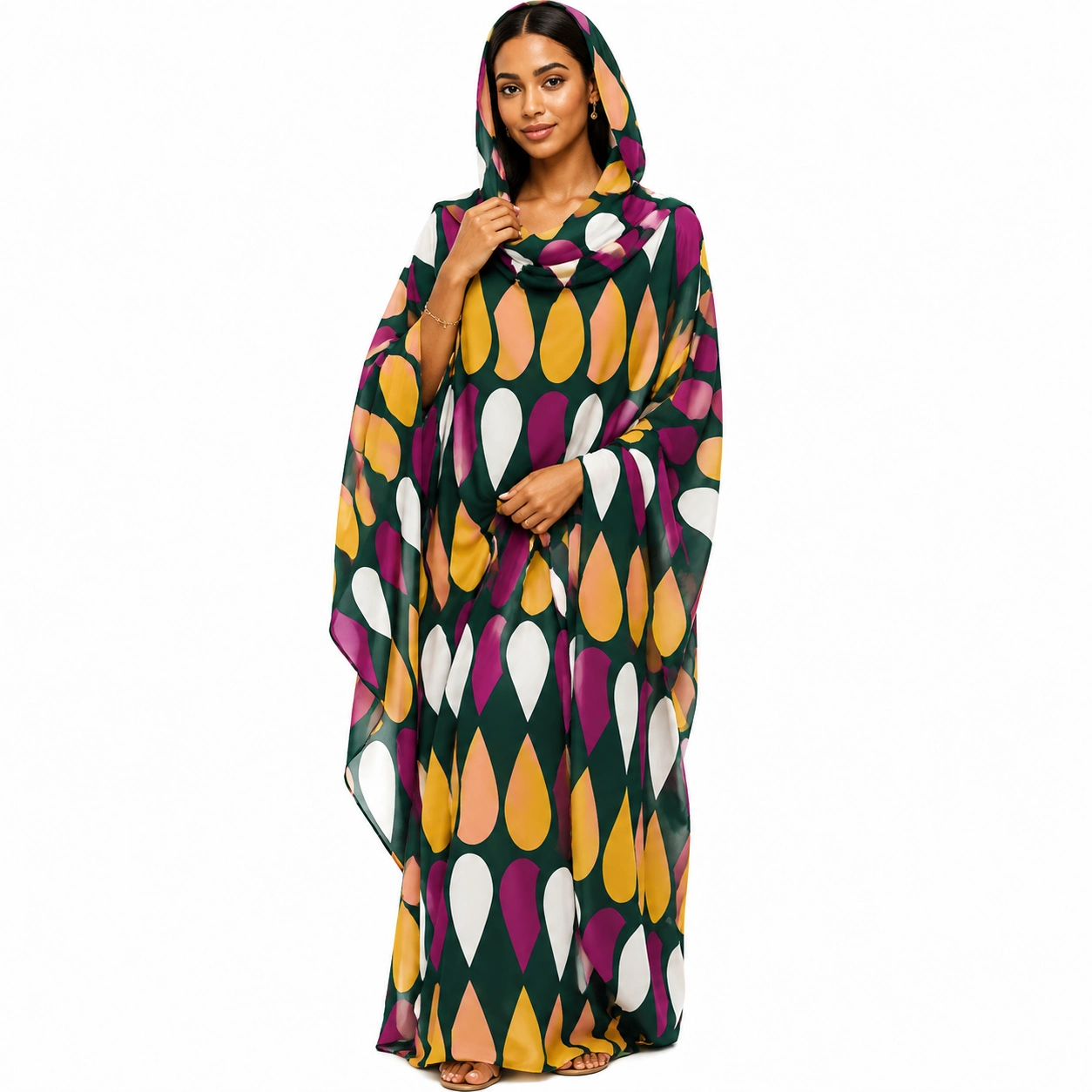
Jinlai Textile manufactures and supplies Sudanese Toub wholesale. An importer can start with a specific reference from the Sudanese Toub range and ask for a quote in the intended form. A workshop buying rolls needs the material, usable width and length. A retailer needs the finished dimensions, edge condition, decoration and packing of each wrap. The quote can record these differences before the order is placed.
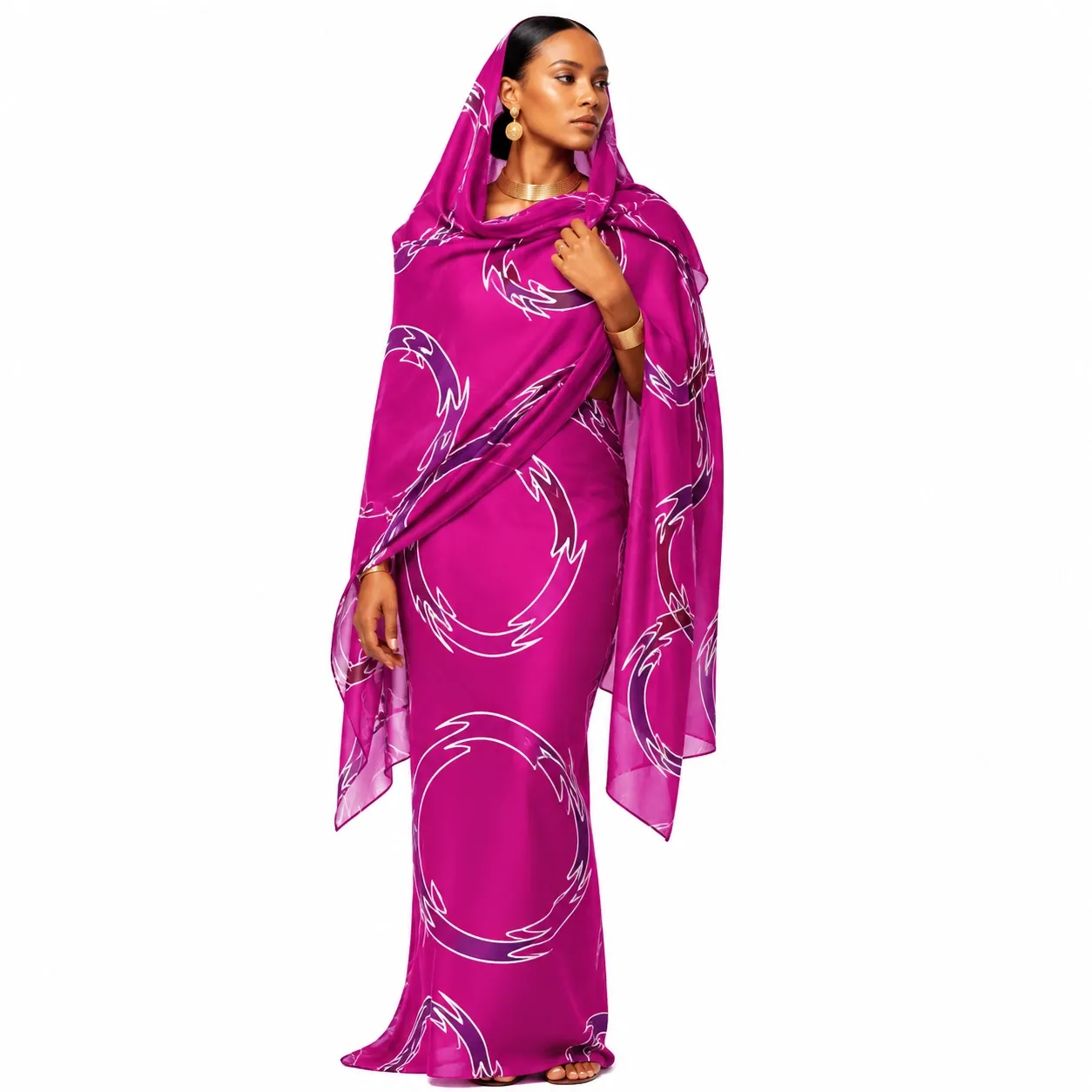
Before the buyer approves the quotation, the broker can look up each description in the Saudi tariff. The ZATCA import instructions, issued by the Saudi Zakat, Tax and Customs Authority, direct importers to the tariff or a customs broker for conditions specific to their goods. A reference to “Sudanese” in the product name belongs in the description. The origin entry needs its own evidence.
Build a Product File That Matches the Quote
A useful file begins with a supplier reference that the importer can trace back to an order line. It should record the fibre percentages, dimensions and unit of sale. If a conformity assessment body reviews the product, the importer can ask whether colourways made from the same fabric need separate entries. A common print name alone gives the reviewer little basis to decide whether the same evidence covers them.
Jinlai Textile offers cotton voile and polyester voile options for custom Sudanese Toub. The importer needs the confirmed composition of the chosen item, even when two options carry a similar print. The Sudanese Toub fabric specification guide also separates usable fabric dimensions from finished measurements. For a retail piece, the agreed size after finishing is the useful reference for the file and label.
The Saudi Standards, Metrology and Quality Organization (SASO) calls for a technical file that fits the product type and relevant regulation through its product certificate service. When that review is required, the importer can ask what evidence the selected item needs. A report for a different fabric or finish should be used only if the assessment body confirms that it covers the item being ordered.
Settle the Label Before the Packing Run
The label decision follows the way the product will be sold. SASO addresses Arabic information and label placement in SASO’s Textile Products Technical Regulation, Issue 2. Other languages can appear alongside Arabic. Clause 4/2/10 gives different attachment examples for fabric rolls and clothing.
Fabric on a roll
The regulation’s fabric example places the label on the packaging and permanently on part of the roll so it remains visible at the point of sale. If the order is a cut length or uses different packaging, the importer can confirm how the applicable requirements should be handled before the supplier prints the labels.
Individually packed wraps
The clothing example calls for a label securely tied or sewn to the item. The importer needs to confirm which provisions and exceptions apply to the wrap as classified, including what belongs on the product or packaging. Resolving that point early gives the supplier a chance to check the attachment method before packing starts.
Jinlai Textile’s custom Sudanese Toub options include packaging, design and size. The buyer can include the approved label file with the relevant line of the order and indicate where it belongs. A dated version alongside the product reference keeps a late change to the artwork from being confused with the approved version.
Two SABER Steps, Two Sets of Records
The product step checks what the item needs to demonstrate compliance. The shipment step deals with the goods in a particular delivery. The SASO commercial shipment certificate service lists product registration and the applicable product certificate or self-declaration among its prerequisites. The importer can confirm the product route early enough to know what the shipment filing will depend on.
A repeat shipment is a good reason to compare the new order with the existing product record. If the supplier switches the cloth or changes a reference, the importer needs to check whether the record still fits. That question belongs with the filing team or conformity assessment body before the new line goes into the shipment file.
Check the Packed Goods Against the Paperwork
A broker may see metres on the invoice and rolls on the packing list. There is a straightforward way to tie them together. The packing list can identify the rolls and the length packed on each, so the lengths can be reconciled with the invoiced total. For individually packed wraps, counts by carton serve the same purpose.
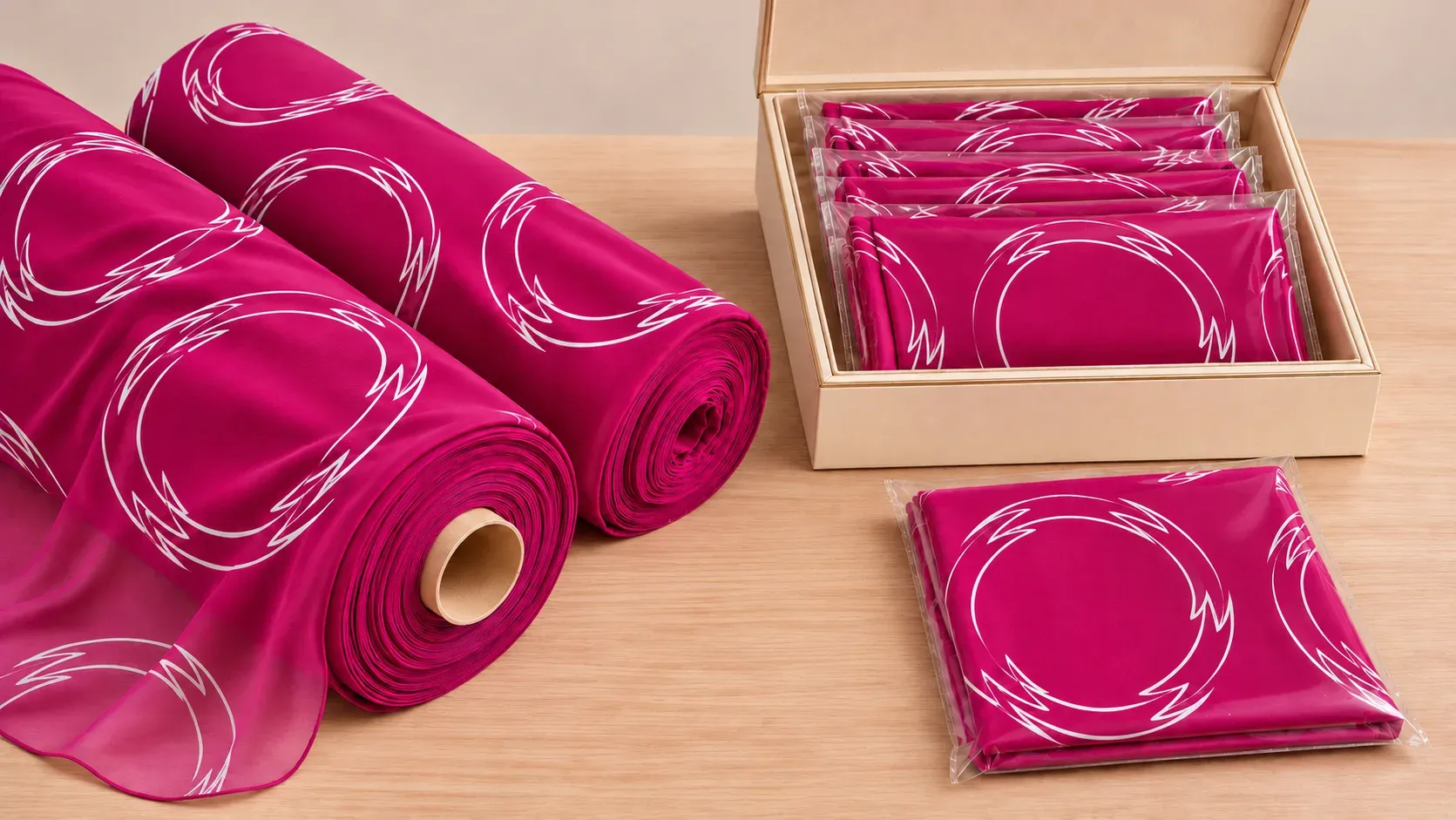
Illustration of fabric rolls and individually packed Sudanese Toub wraps. Supply format and packaging are confirmed for each order.
Origin also needs a separate check on shipments routed through the UAE. Dubai may be the dispatch point. The customs broker can confirm the origin evidence required for goods entering Saudi Arabia and the documents needed to file the declaration through Fasah, Saudi Arabia’s customs clearance platform. The Sudanese Toub shipping and landed cost guide helps buyers distinguish the delivery terms from the documents each party will prepare.
A final comparison with the purchase order catches changes made during packing. A substituted colourway or reduced quantity may change the information the importer needs to file. The factory and importer can settle which version reflects the packed goods before the broker prepares the declaration.
Conclusion
The file is easier to reconcile if the broker sees the product description while it is still possible to change the quote. The importer can then settle the tariff and SABER questions before the label run. At dispatch, the comparison is against the pieces or rolls actually packed and the approved record for those goods.
For a wholesale enquiry, importers can send Jinlai Textile’s wholesale enquiry team the design references, product form, quantities and the specific information requested by their broker or conformity assessment body. A packing or label brief is most useful when it identifies the product line it applies to.
Frequently Asked Questions
What if the quote uses “piece” for an unfinished length?
The supplier can specify what has been done to the cloth and what remains for the buyer to do. For example, a length cut from a roll for a workshop can have the same dimensions as a retail wrap. The broker still needs the actual finish and packing details to check the tariff entry.
Can a Dubai wholesaler’s invoice establish origin?
A UAE address on the invoice identifies where the seller is based. The importer needs to check the origin of the goods and which supporting record the broker requires for the Saudi declaration. It helps to ask for that information while the wholesaler can still trace the purchase to the goods it will ship.
Is a new product certificate needed for every shipment?
The importer can check whether the existing approval is valid and covers the product in the repeat order. The shipment certificate concerns the new consignment. A fabric change, for example, is worth clearing with the filing team before relying on a product record from the previous order.