Can Buyers Mix Prints in a Sudanese Toub Wholesale Order?
The first decision in a mixed-print Sudanese Toub wholesale order is who chooses the prints. A supplier-packed lot has a set mix. If the buyer selects the prints, the supplier needs to confirm the quantity of each one. The distinction matters for a shop that has already ordered a specific design.
Which Kind of Assortment Is on Offer?
A fixed-pack quote needs a contents list. If every box contains the same five prints, extra boxes add pieces of those five. A buyer-selected quote needs a line for each design and colourway, with the quantity the supplier can fill. Both quotes can show the same total and give the stores very different stock.
Suppose a distributor is offered ten identical boxes, each containing four pieces of the floral the store wants. The pack deal covers 40 of the 45 pieces promised. Twelve boxes would provide 48, but they would also add stock in every other print. Before taking the larger order, the buyer can ask whether the supplier will quote five of the floral separately.
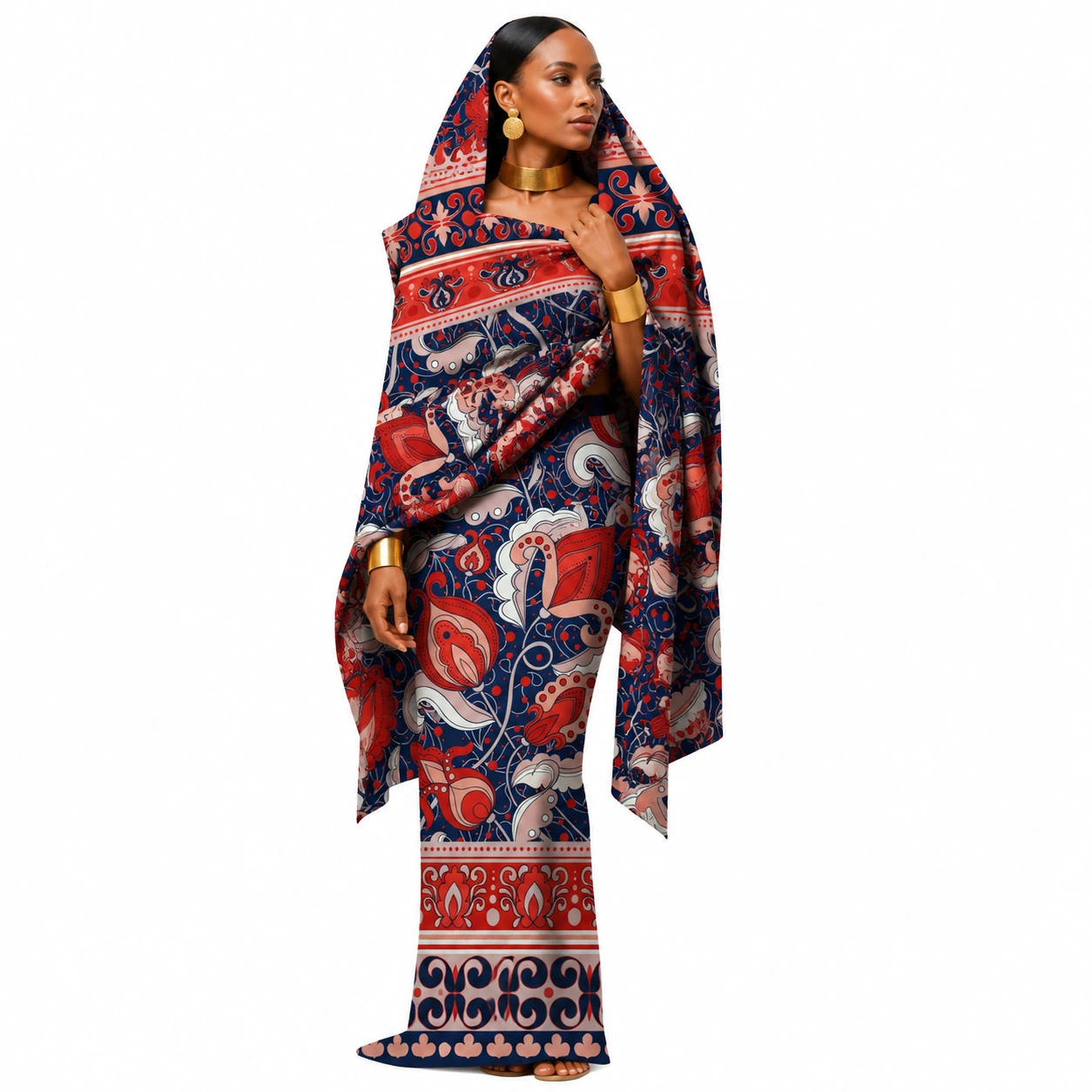
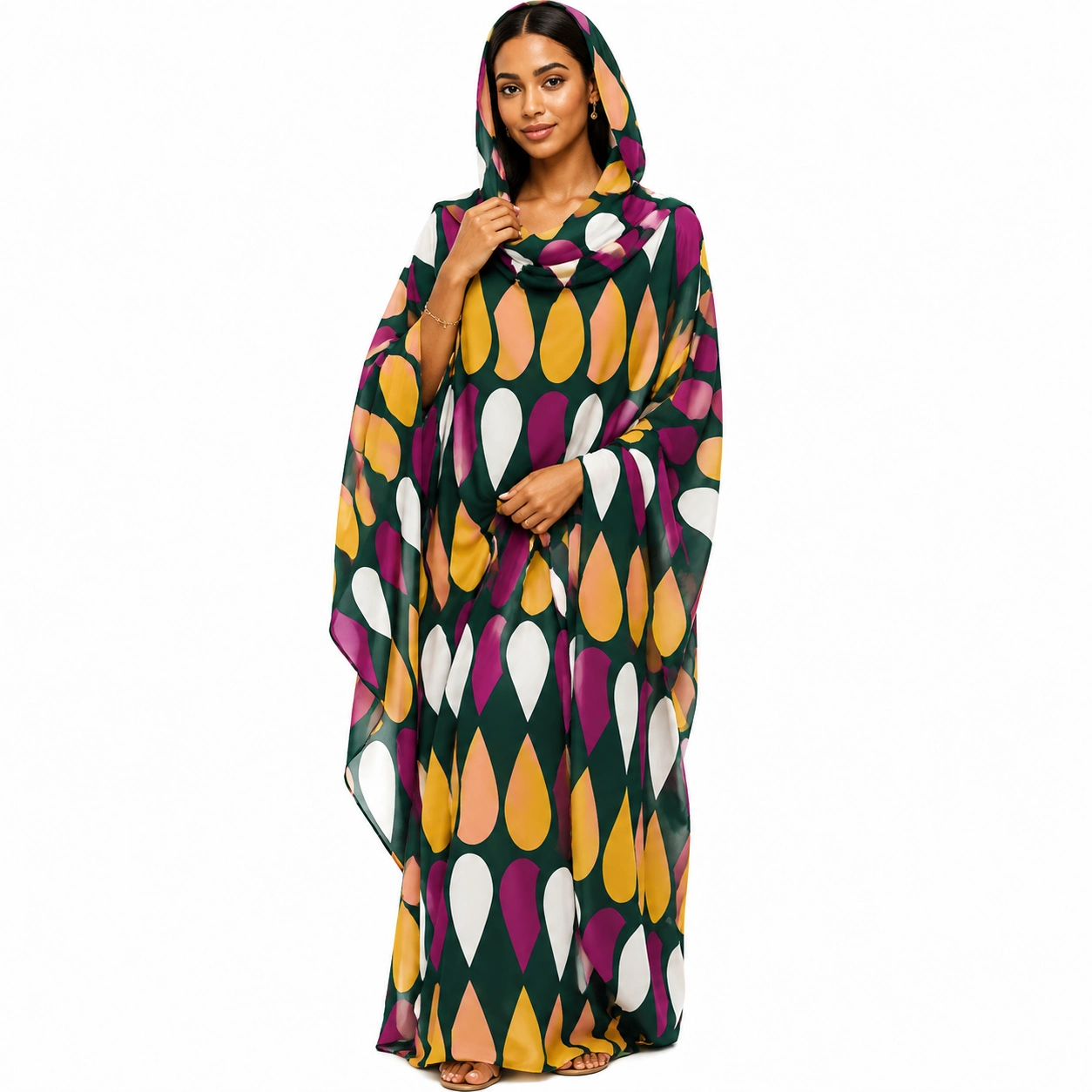
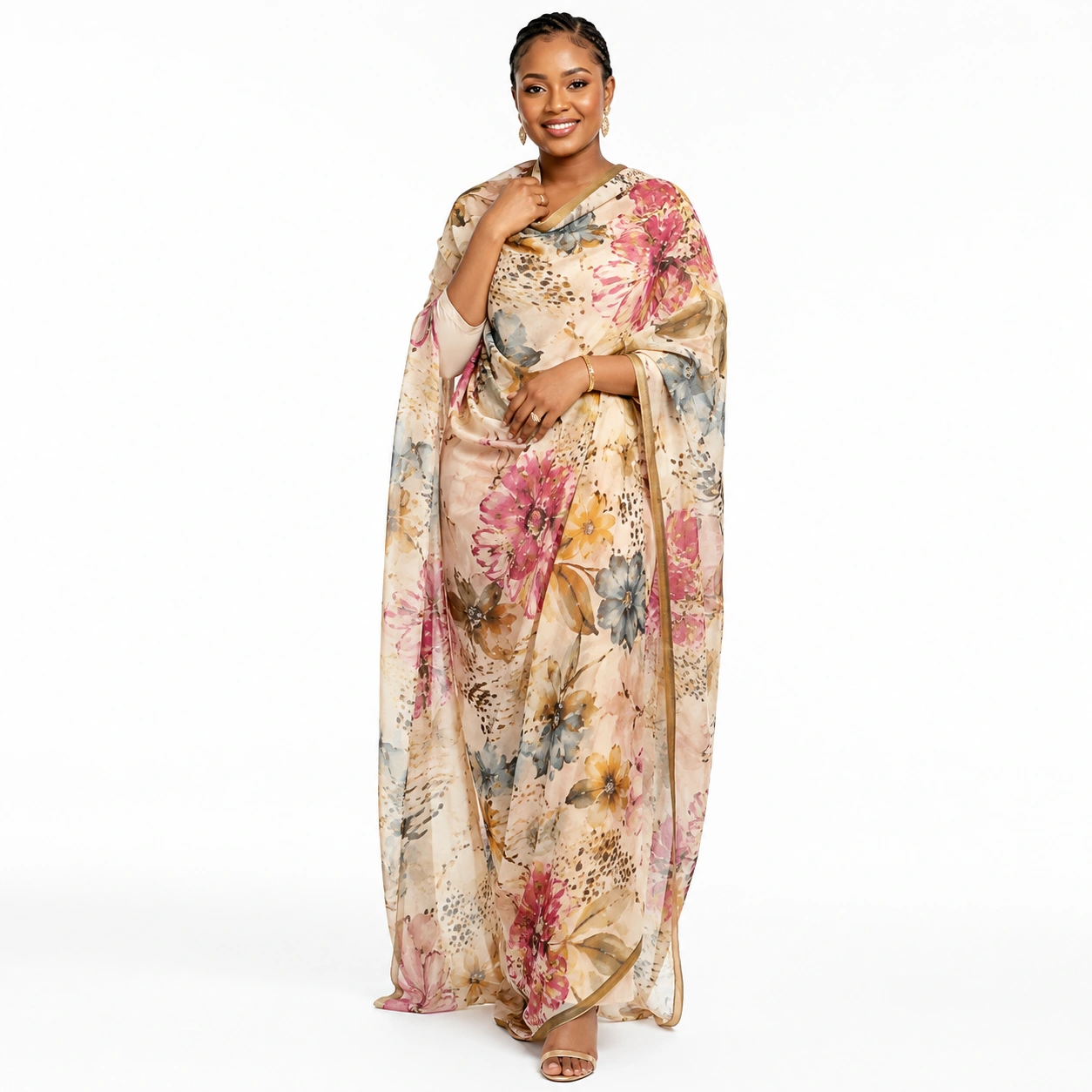
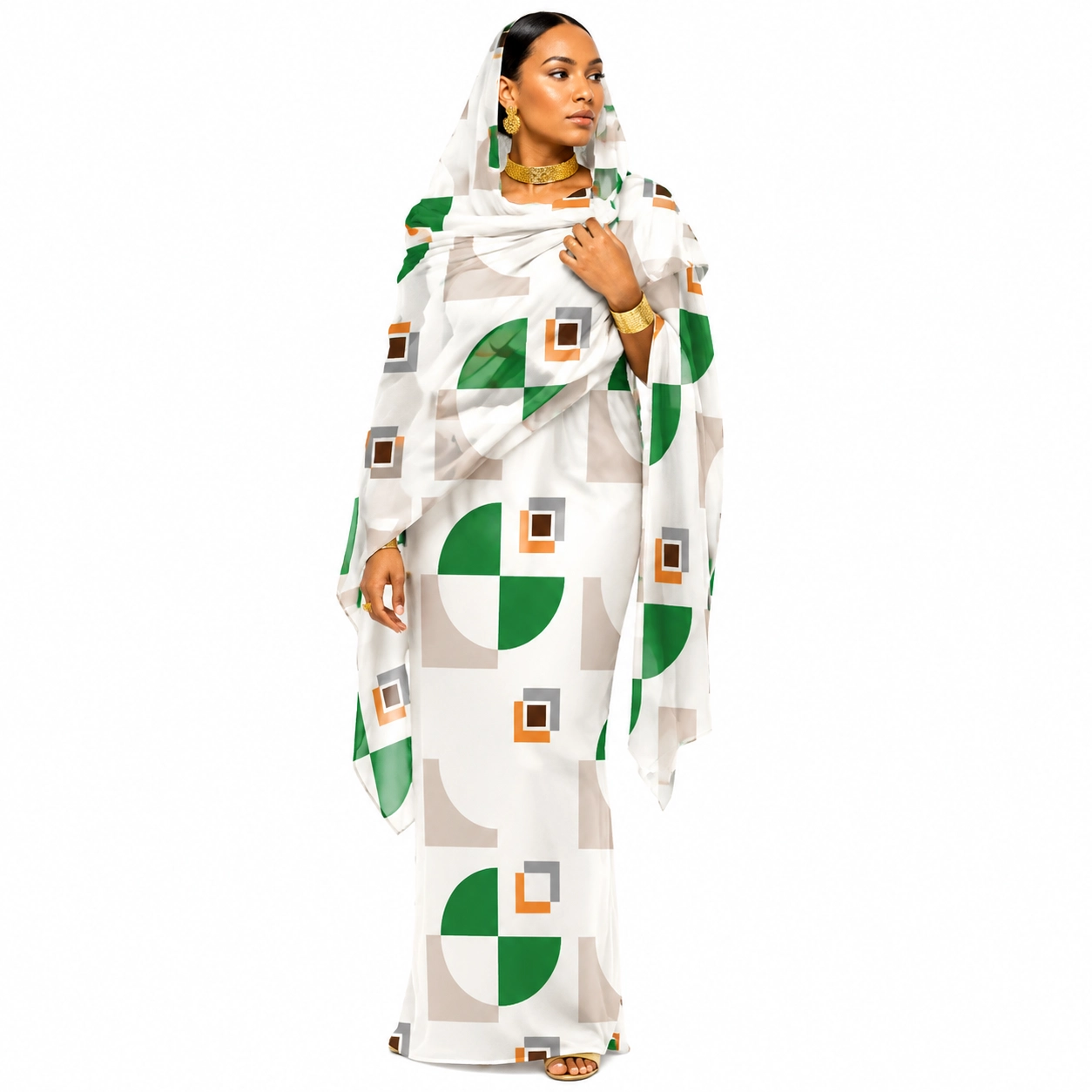
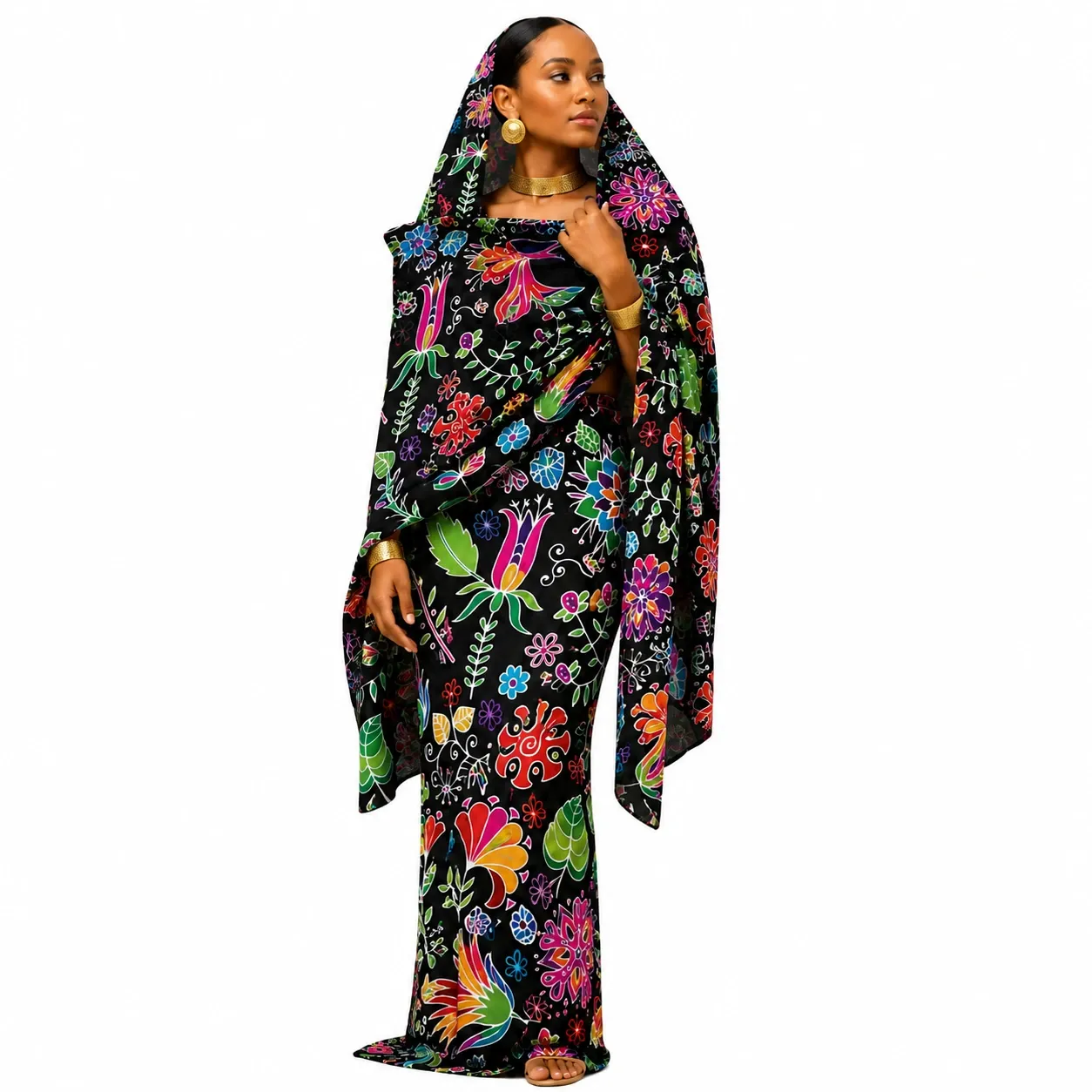
Jinlai Textile manufactures Sudanese Toub for wholesale buyers. Its Sudanese Toub range includes printed designs that buyers can shortlist for a mixed order. A buyer looking for a particular floral can list the design reference and colourway. A photo sent to suggest a shade or border belongs in a separate note, so the supplier can tell which existing print needs an availability check.
How a Wholesaler Might Allocate 120 Pieces
In this hypothetical 120-piece order, a Dubai shop needs 50 of print A and already has five sellable pieces. The new order has to cover the remaining 45. The wholesaler records that commitment before deciding how many additional pieces to buy for the shop floor.
For a pre-Ramadan buy, the warehouse cutoff leaves time to count and distribute the stock. The International Astronomical Center expects the first fast in the UAE on 8 February 2027, subject to the official moon-sighting announcement. Later stock belongs in replenishment.
Shop orders and stock still available to move
Planned | Committed | Flexible | |
A | 60 | 45 | 15 |
B | 40 | 25 | 15 |
C (trial) | 20 | 0 | 20 |
The distributor has left C at 20 to test a new print. It has no shop order attached to it. Although A is the largest line, just 15 of its 60 pieces can move. B, with 40 pieces, also has 15 that the buyer could reassign. The useful column for changes is the flexible balance.
Recent sales give the flexible numbers some footing. If A is still selling and B has sat on the shelf, each might have 15 pieces available to move on paper, but the buyer may prefer to move pieces out of B. C has no sales record in this example. Its 20 pieces are the test allocation, so the decision is whether a smaller test would still serve a purpose.
A minimum per print can change the order
Suppose a supplier requires 120 pieces in total and at least 30 of each print. C needs ten more. Moving ten pieces from A produces a 50/40/30 order, with 45 of A still available for the store. The buyer now has to decide whether a larger trial is worth carrying. If 20 is the most the shop wants to test, a two-print offer is worth asking for.
The Sudanese Toub minimum-order guide covers the factors that can change minimum quantities, including fabric and finish. On a mixed quote, the supplier needs to identify which designs count together. A separate floor can still apply to one print or colourway even when the total qualifies.
The Supplier Confirms Just 12 of C
A different supplier may allow the planned split of 60/40/20. In this case, the quantities meet the minimums, but only 12 pieces of C are available. The missing eight are on the trial line, leaving the units already promised to shops intact.
Which print could take the missing eight?
If 12 is still enough for the trial and qualifies under the quote, the distributor can keep it. Putting eight more on B would give a 60/48/12 order. B has to be available, and the stores have to be able to sell the extra pieces. An approved substitute is another choice. With no suitable replacement, the buyer can ask whether the supplier will accept 112.
A substitute from existing designs can be identified on the revised enquiry. If a shop needs the same motif in another shade, that becomes a separate request under Jinlai Textile's custom Sudanese Toub options. The same separation helps with packaging. A special pack for one store should appear beside the affected design and quantity so the rest of the order can be quoted on its original basis.
When the missing print is already sold
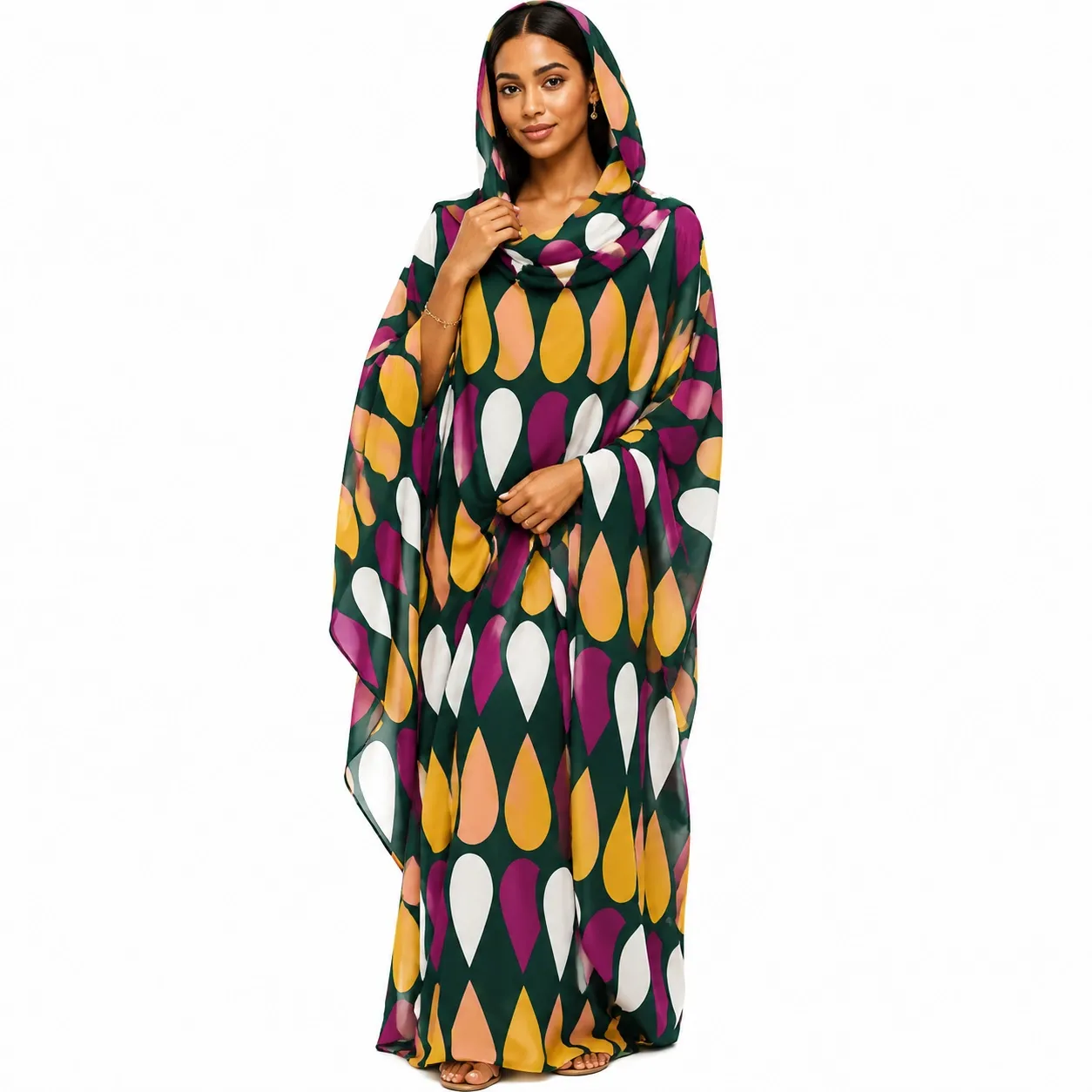
The position changes if the supplier offers 42 of A. There are 45 already promised, so three shop units are at risk even if the overall order still adds up to 120. Adding three of B only helps if the store accepts B. A colour match may be sufficient for a shop that wants a general assortment. A store waiting for a particular floral may also need to see the motif and border on the proposed replacement.
Can the balance follow after the first delivery?
If the supplier expects eight more later, the purchase order can show a separate receiving date for those pieces. The warehouse counts them as later stock, even if both lines are covered by one purchase order. The Dubai wholesale sourcing guide offers a broader way to map stock to different retail channels when the opening delivery and replenishment serve different shops.
Carry the Revised Split Into the Purchase Order
A buyer taking 60/48/12 should close the gap on the order sheet. The original enquiry asked for 20 of C. The revised purchase order calls for 12 of C and 48 of B, once the supplier confirms the extra eight and the buyer accepts them. Receiving staff need the revised quantities. Otherwise, an accurately packed shipment could still appear short against the original enquiry.
If eight pieces of C are coming later, the order needs a second receiving date and the terms for that dispatch. The first delivery should show only the pieces due for opening stock. If the balance is cancelled instead, the revised total should reflect that change before the warehouse starts counting cartons.
There is a timing detail behind the word ‘confirmed’. A supplier can state what is available on the day of the quote without setting it aside. The buyer can ask whether any stock is held and when the allocation becomes firm. Until then, those quantities can appear on the buying sheet without being promised to a store.
Conclusion
A mixed-print Sudanese Toub wholesale order can survive a shortage without upsetting store orders if the missing pieces come from flexible stock. The revised quote needs to show which quantities are confirmed and which pieces are due later. A substitute that changes a shop's order needs that shop's agreement before dispatch.
Wholesale buyers can send Jinlai Textile a print list with the proposed quantity by design, the pieces already committed to shops and the Dubai receiving date. A note naming any acceptable fallback gives Jinlai Textile an alternative to check when the requested print is short. An exact-match line can be flagged for approval before a different reference is put on the purchase order.
Frequently Asked Questions
Can a shop reserve one print from a mixed pack?
That depends on the supplier's offer. A fixed pack has its own contents. The buyer can ask for a separate line if the shop needs more of one print than the pack contains, and check whether that separate line has a minimum.
What belongs on the paperwork after a substitution?
The approved design reference, colourway and revised quantity belong on the purchase order. A change in price or receiving date also needs to appear on the revised paperwork. Those fields give the warehouse a way to check the parcel against the deal that was actually agreed.